
Kehinde Fajobi
This week’s political landscape exposes a country struggling to reconcile governance failures with ambitious reform efforts. While revelations of financial mismanagement shake public trust—from Ebonyi’s ghost workers scandal to missing billions in federal agencies—lawmakers push forward with significant proposals, including the controversial creation of 31 new states.
At the same time, the government presents a mixed economic outlook: President Tinubu’s budget expansion signals optimism about revenue growth, yet concerns about debt sustainability loom large. Meanwhile, a claim that Nigeria is attracting international medical tourists contrasts sharply with the harsh realities of its underfunded healthcare system.
These events highlight a recurring question: Is Nigeria genuinely moving toward a more accountable and effective governance system, or are these developments just another cycle of political theatrics? The coming weeks will reveal whether these proposals translate into real progress or merely deepen the nation’s challenges.
Ebonyi Still Paying Salaries to Dead Workers — ALGON Chairman
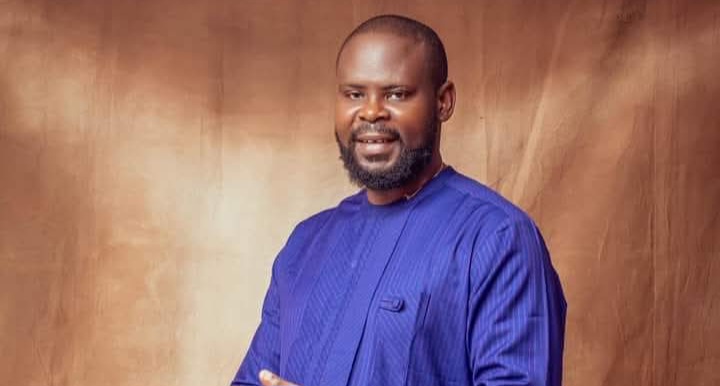
Chinedu Uburu, Chairman of the Association of Local Governments of Nigeria (ALGON) in Ebonyi State, has revealed that workers who died as far back as 2009 are still listed on the state’s payroll. The discovery emerged during a verification exercise, as the state struggles to meet salary obligations following the recent minimum wage increase. Uburu has urged unpaid workers to remain patient as the issue is being addressed.
Implication
This revelation highlights serious lapses in financial oversight at the local government level. If salaries are still being paid to deceased workers, it raises concerns about the accuracy of staffing records and the potential for widespread fraud. Beyond the financial strain, such inefficiencies erode public trust and reinforce citizens’ frustrations with governance.
Senate Investigates Missing Billions
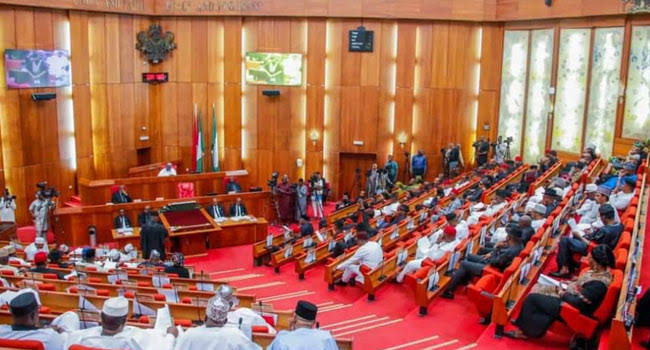
The Senate has raised alarms over billions of naira in unaccounted funds, citing the continued refusal of key government agencies to provide explanations for financial discrepancies flagged by the Auditor General’s office. Institutions such as the Central Bank of Nigeria (CBN) and the Nigerian Customs Service have ignored multiple invitations to appear before lawmakers. The Senate has warned it may escalate the issue directly to President Tinubu.
Implication
The missing funds reinforce long-standing concerns about weak financial oversight in Nigeria’s public sector. If government agencies continue to evade scrutiny, economic instability could worsen. The Senate’s threat to involve the presidency suggests a looming confrontation that will test Tinubu’s commitment to transparency and accountability.
Nigeria Attracting Patients from UK, US for Treatment—FG
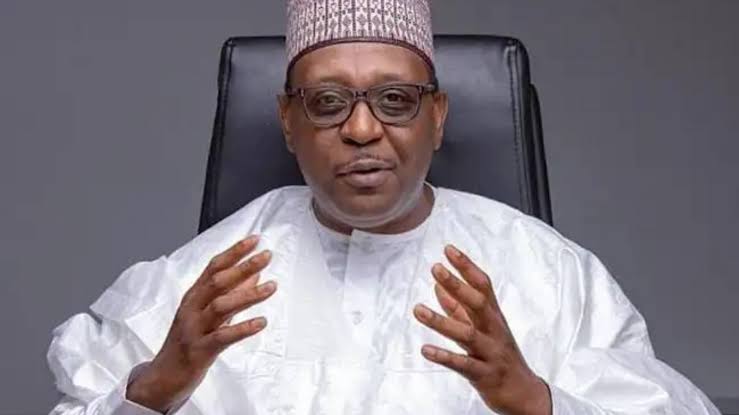
Health Minister Muhammad Ali Pate claims that Nigeria is now attracting patients from the UK, US, and other West African nations for medical treatment. He highlighted ongoing investments in MRI machines and CT scanners across major hospitals as part of the government’s healthcare transformation plan. Additionally, Nigeria has ratified the African Medicines Agency Treaty, aimed at strengthening the country’s pharmaceutical sector.
Implication
While the claim of growing medical tourism suggests optimism, Nigeria’s healthcare system remains plagued by underfunding, dilapidated facilities, and a mass exodus of medical professionals. The real question is whether this transformation is reaching ordinary Nigerians or merely creating an elite medical sector accessible only to the wealthy. Without a focus on affordability and quality public healthcare, the gap between medical progress and everyday reality will only widen.
Tinubu Raises 2025 Budget from ₦49.7trn to ₦54.2trn
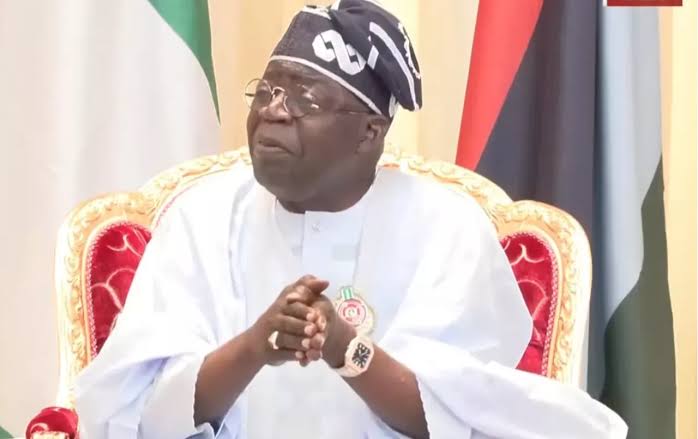
President Bola Tinubu has revised the proposed 2025 budget, increasing it from ₦49.7 trillion to ₦54.2 trillion. The additional spending is attributed to improved revenue collection from tax and customs agencies. The Senate Committee on Appropriations is currently reviewing the proposal, with assurances that it will be passed before the end of February.
Implication
The budget expansion signals optimism about revenue growth, but critical questions remain about implementation and expenditure efficiency. If well-managed, the increased allocation could drive much-needed infrastructure and social programs. However, without fiscal discipline, Nigeria risks further inflating its debt burden and worsening economic hardships for citizens already struggling with rising living costs.
Obaseki Left Staggering ₦682bn Debt for Okpebholo’s Govt, Committee Reveals
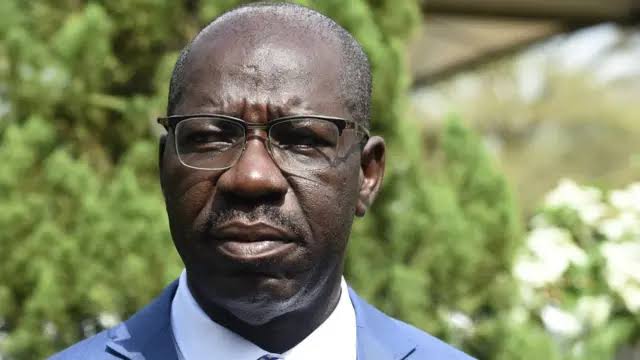
A financial committee investigating Edo State’s finances under former Governor Godwin Obaseki has revealed that the state’s debt ballooned from ₦84 billion in 2016 to ₦682.57 billion. The report cited questionable contracts, mismanaged funds, and a lack of financial transparency. It has called for a forensic audit and potential prosecutions. Meanwhile, Obaseki’s camp has dismissed the findings as politically motivated.
Implication
The alleged debt crisis raises serious concerns about fiscal mismanagement and the accountability of state governments. While the new administration has vowed to address the issue, the long-term financial damage to Edo State could be severe. However, unless these revelations lead to concrete legal action, this could become yet another political blame game rather than a meaningful push for financial discipline.
Reps Propose Creation of 31 New States
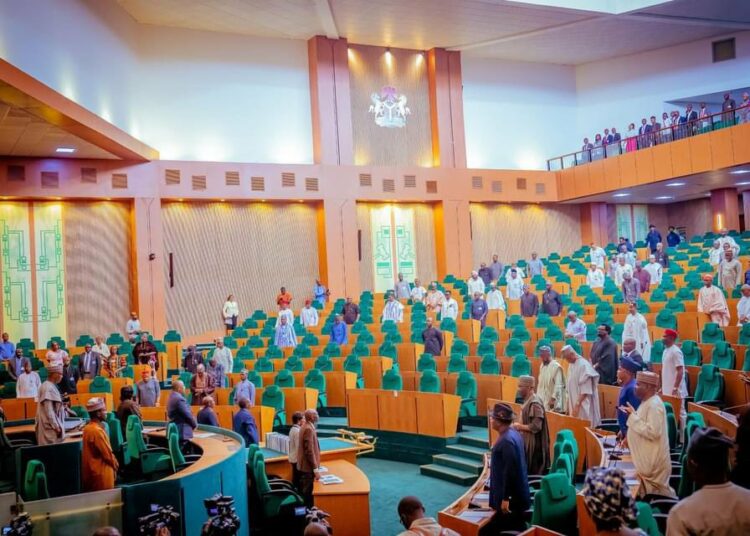
The House of Representatives Committee on Constitution Review has proposed the creation of 31 new states, which would increase Nigeria’s total from 36 to 67. The proposal, presented by Deputy Speaker Benjamin Kalu, faces a tough legislative process, requiring approval from both chambers of the National Assembly and ratification by at least two-thirds of the country’s state legislatures.
READ ALSO: Tinubu’s Travels, PDP’s Implosion, a Nation on the Brink
Implication
The proposal has sparked debate over the economic and administrative feasibility of expanding Nigeria’s state structure. While proponents argue that new states could bring governance closer to the people, critics warn that it could worsen financial strain on the federal government. Additionally, the move could inflame ethnic and regional tensions, making its implementation highly contentious.
Conclusion: Governance at a Tipping Point
This week’s political developments paint a picture of a nation wrestling with deep governance flaws, financial mismanagement, and ambitious—but often controversial—reform efforts. The revelations of missing billions, ghost workers, and ballooning state debt reinforce public skepticism about leadership accountability.
At the same time, proposals for budget increases and new states suggest an eagerness to reshape Nigeria’s political and economic landscape. However, these efforts risk becoming empty gestures if they do not address systemic inefficiencies and corruption.
The coming months will be critical in determining whether Nigeria is truly on a path toward better governance—or merely cycling through yet another phase of political dysfunction. What remains clear is that without accountability, transparency, and a genuine commitment to reform, the nation’s challenges will only deepen.