
Nigeria’s political landscape remains defined by a turbulent mix of unresolved historical injustices, entrenched corruption, and a fragile security apparatus. This week, fresh allegations of financial misconduct have emerged against former Edo State officials, shedding light on the ease with which billions in public funds disappear. Meanwhile, revelations about Boko Haram’s foreign financiers reignite concerns over Nigeria’s counterterrorism failures.
On the political front, former President Goodluck Jonathan has cautioned against the growing militarization of elections, while ex-military ruler Ibrahim Babangida’s belated admission of regret over the annulment of the 1993 presidential election has sparked fresh debates over Nigeria’s democratic evolution. In the judiciary, former Central Bank Governor Godwin Emefiele’s assets—worth billions—have been permanently seized, marking another chapter in Nigeria’s ongoing battle against financial misconduct.
As these events unfold, Nigeria stands at a crossroads. Will these revelations lead to genuine reform, or will the country continue its cycle of misgovernance, impunity, and historical amnesia?
1. Edo’s ₦96 Billion Fraud Scandal—Accountability or Political Vendetta?
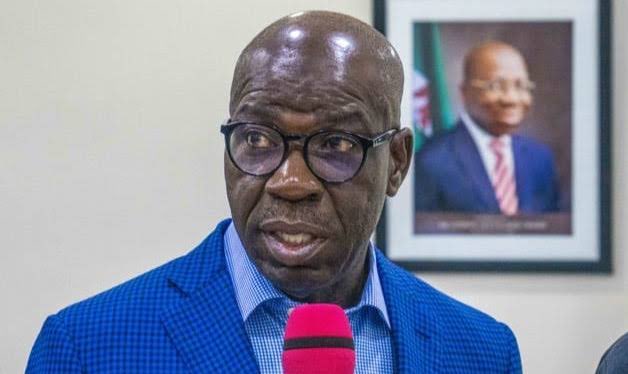
A probe panel set up by Edo State Governor Monday Okpebholo has accused former Governor Godwin Obaseki and key PDP officials of misappropriating a staggering ₦96 billion. The allegations suggest that public funds were funnelled into private accounts under Obaseki’s administration, with little to no accountability. Governor Okpebholo has vowed to recover the stolen assets and prosecute those responsible.
Implication:
This case is yet another reminder of Nigeria’s endemic corruption, where billions vanish without a trace. However, the timing of this probe raises questions. Are post-administration audits becoming tools for political revenge rather than genuine accountability? If the investigation is selective, it risks setting a dangerous precedent where corruption probes are weaponized against political opponents while others walk free.
2. Boko Haram’s Foreign Backers—Who’s Funding Terror?
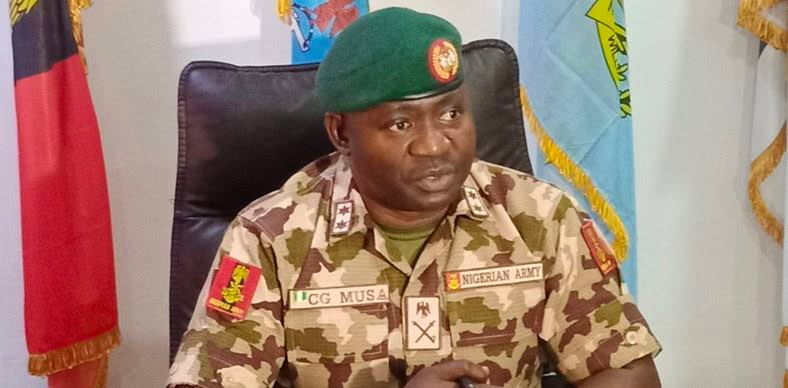
A senior military official has disclosed that Boko Haram and ISWAP continue to receive substantial foreign funding, sustaining their brutal insurgency for over 15 years. The revelation coincides with U.S. Congressman Scott Perry’s claim that USAID inadvertently financed terror groups, prompting demands for an international investigation.
Implication:
Nigeria’s long-standing failure to sever Boko Haram’s financial pipelines raises serious concerns about intelligence lapses. How have these funding channels remained operational despite years of counterterrorism efforts? If these allegations hold weight, they expose a disturbing reality: while Nigeria fights terrorism on the battlefield, the war may be lost in the corridors of international finance. Without urgent action, insurgency will persist, deepening the nation’s security crisis.
3. Jonathan’s Warning—The Dangers of Militarized Elections

Former President Goodluck Jonathan has criticized Nigeria’s increasing reliance on military forces for election security. He warned that deploying soldiers at polling stations not only overstretches the armed forces but also undermines democracy by intimidating voters and enabling electoral manipulation. Instead, Jonathan advocates for a strengthened police-led security approach, citing successful examples from Botswana and Senegal.
READ ALSO: Nigeria’s Reckoning: Exposing Scandals, Debating Reforms, and Demanding Justice
Implication:
Jonathan’s remarks highlight a fundamental flaw in Nigeria’s electoral process. A democratic election should not resemble a military operation. The presence of armed soldiers at polling stations fuels voter suppression and erodes confidence in the electoral system. Unless Nigeria prioritizes police reform and strengthens its electoral institutions, each election cycle will be marred by controversy, distrust, and potential violence.
4. Babangida’s Regret Over June 12—Too Little, Too Late?
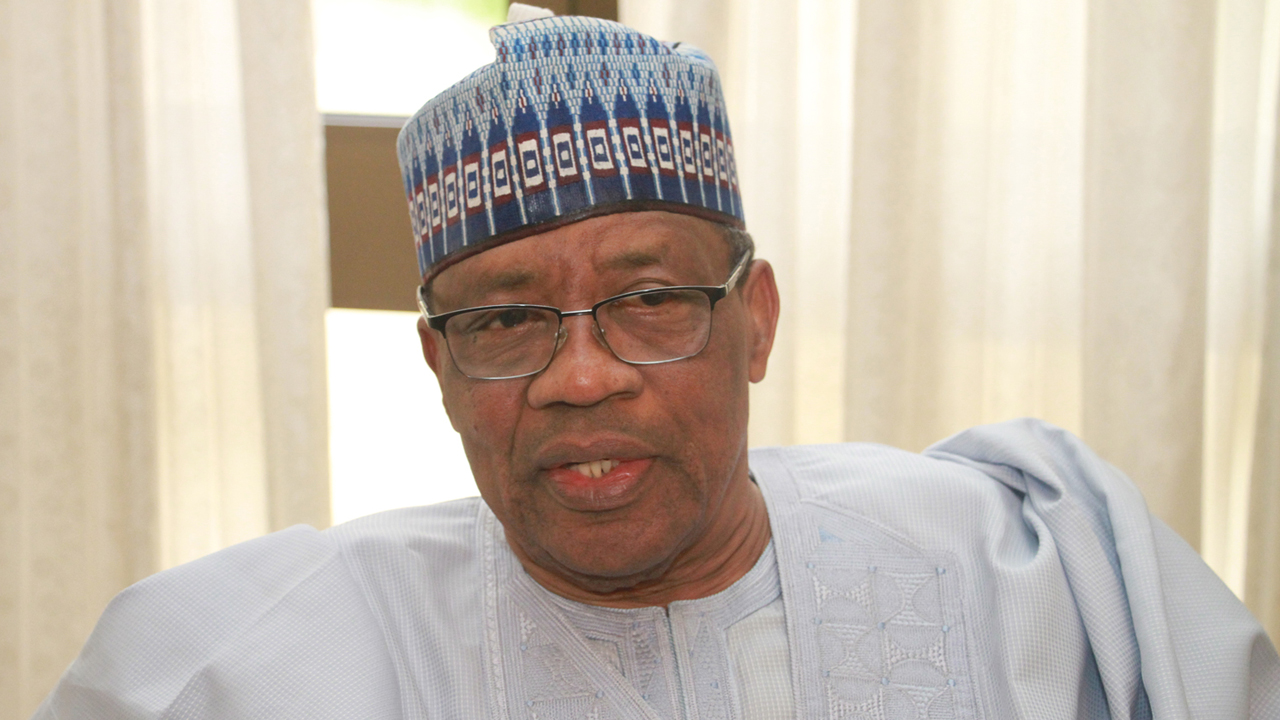
Three decades after annulling Nigeria’s historic June 12, 1993, presidential election, former military ruler Ibrahim Babangida has admitted that his decision was a mistake. While he expressed regret over the annulment, he defended his administration’s actions as being in the ‘supreme national interest.’
Implication:
Babangida’s admission, while significant, does little to undo the damage of June 12—a defining moment in Nigeria’s democratic struggle. The annulment of what was widely regarded as Nigeria’s freest and fairest election set the stage for political instability, military dictatorship, and a delayed transition to democracy. His reflection is a rare moment of contrition from a former leader, but it also serves as a stark reminder of how unchecked military power once dictated the nation’s fate.
5. Emefiele’s Multi-Billion Naira Assets Seized—Justice or Distraction?
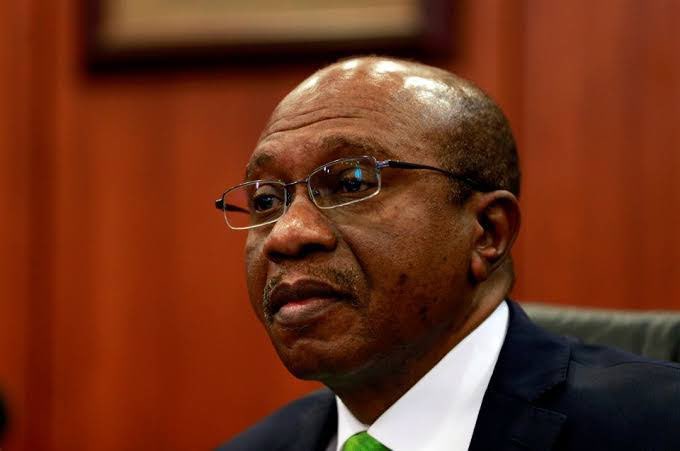
A Federal High Court in Lagos has confirmed the final forfeiture of assets linked to former Central Bank Governor Godwin Emefiele. The seized properties include $4.7 million, ₦830 million, and several high-value real estate assets, all allegedly acquired through fraudulent means. The ruling follows an EFCC investigation that traced the funds to mismanagement and corruption under Emefiele’s tenure.
Implication:
While the forfeiture marks a rare instance of high-profile financial accountability, it also raises pressing questions. Is this an isolated case, or will Nigeria’s anti-corruption agencies pursue similar cases with equal vigor? Without broader institutional reforms, asset seizures alone may serve as mere political theatre rather than a deterrent to systemic corruption. The true test will be whether this momentum extends beyond politically convenient targets.
Conclusion: A Nation at a Crossroads
This week’s developments paint a picture of a country struggling with both its past and present. The Edo fraud scandal and Emefiele’s asset forfeiture expose corruption’s firm grip on governance, while revelations about Boko Haram’s foreign funding highlight Nigeria’s ongoing security vulnerabilities. Jonathan’s call for electoral reforms and Babangida’s belated regrets over June 12 underscores the fragile nature of Nigeria’s democracy.
At the heart of these issues lies a fundamental question: Will Nigeria take meaningful steps toward reform, or will it continue its cycle of misgovernance, impunity, and historical amnesia? These events serve as yet another wake-up call—but whether the nation will answer remains to be seen.