
As Nigeria trudges through yet another week of violence, outrage, and political theatre, the country’s fault lines appear sharper than ever. In Plateau State, 49 people were slaughtered in their sleep while the federal government responded with silence. The Sultan of Sokoto likened social media to terrorism. Peter Obi called out Tinubu for governing Nigeria from abroad. Senator Natasha linked an armed attack on her family house to her fallout with Senate leadership. Meanwhile, Nyesom Wike confirmed what many suspected, he wanted Rivers Governor Siminalayi Fubara gone. From massacres to political vendettas, the week exposed a country caught in a tailspin of impunity, weakened institutions, and collapsing public trust.
1. Plateau Carnage: 49 Killed in Bassa LGA
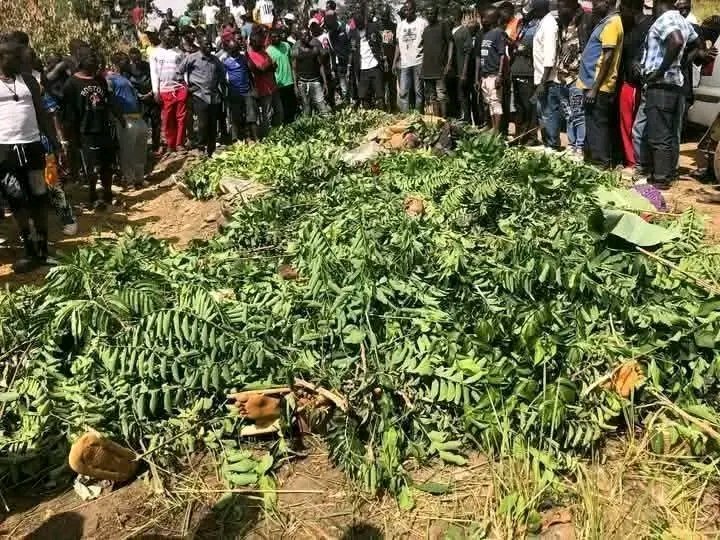
Fresh attacks in Zike and Kimakpa villages of Plateau State left 49 people dead, with many more injured. Eyewitnesses said the massacre began Sunday night with coordinated gunfire from multiple locations. Victims were mostly women and children. The Plateau State government condemned the killings, calling them “unprovoked” and a threat to the state’s fragile peace.
Why it Matters:
The Plateau killings are not isolated. They form part of a recurring pattern of unchecked mass violence in Nigeria’s Middle Belt. The federal government’s habitual silence, and its failure to even acknowledge the rising death toll, signals a collapse in the value it places on human life. These attacks have become so routine that they no longer provoke national mourning, let alone political urgency. Nigeria is normalising mass death, and in doing so, losing its moral centre.
2. Sultan Declares Social Media a ‘Terrorist Organisation’
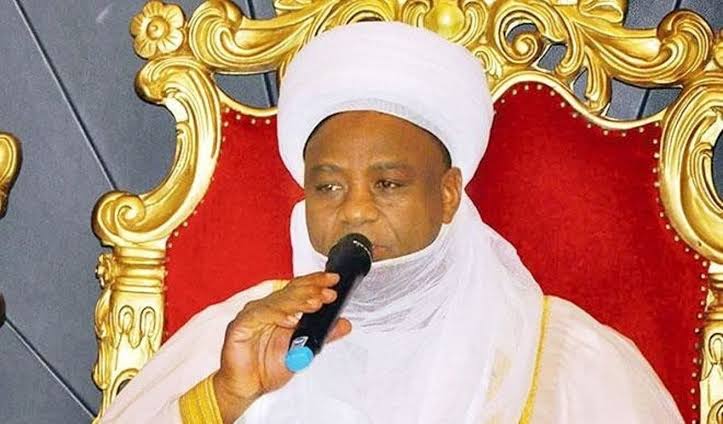
During a meeting of Northern traditional rulers, the Sultan of Sokoto, Muhammadu Sa’ad Abubakar, controversially branded social media as a “terrorist organisation,” blaming it for fuelling insecurity and misinformation. He urged security agencies to treat it as a threat, stirring widespread condemnation and debate.
Why it Matters:
The Sultan’s remarks reflect a growing discomfort among Nigeria’s elite with unfiltered public discourse. While misinformation is a real concern, branding an entire medium as “terrorist” not only undermines legitimate online dissent but also risks giving the government a dangerous pretext for censorship. In a country where traditional media is already under pressure, social media remains one of the last arenas for truth-telling and civic engagement. Demonising it could set a perilous precedent.
3. Tinubu Governs from London, Says Presidency
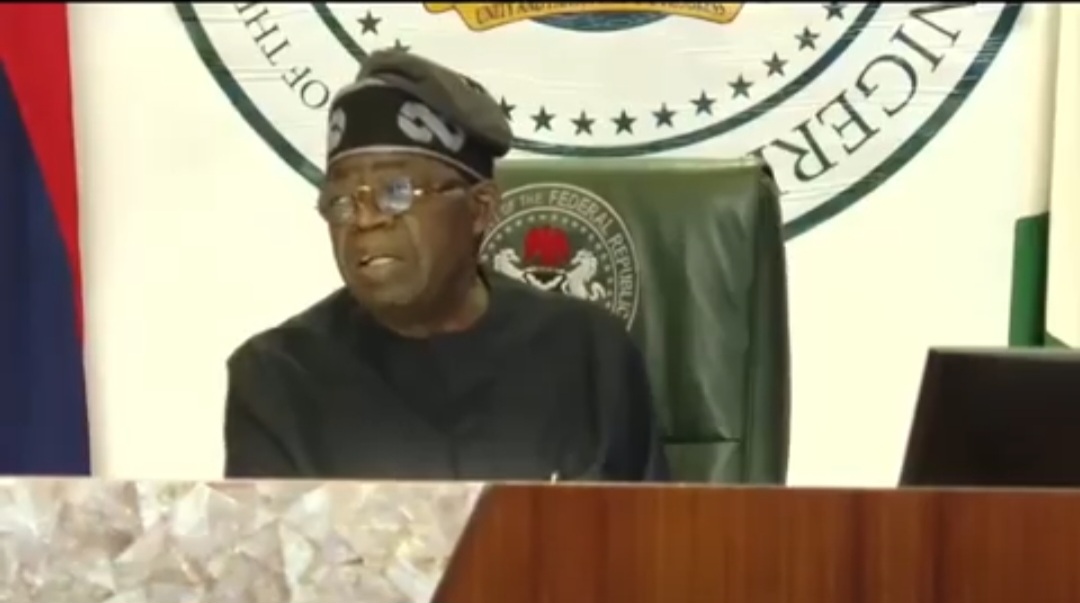
President Tinubu, currently in Europe, is reportedly running Nigeria remotely, according to a statement by his media adviser, Bayo Onanuga. He has allegedly issued directives and remains in constant communication with security chiefs. The Presidency insists governance remains uninterrupted.
READ ALSO: Nigeria on the Brink: A Nation in Crisis, A Government on Trial
Why it Matters:
Nigeria’s chronic insecurity and economic hardship demand visible, accountable leadership. Tinubu’s absence amid multiple national crises invites comparisons with past absentee presidencies. While remote governance is globally accepted, Nigeria’s context, weak institutions, executive opacity, and democratic distrust, makes physical presence not symbolic, but essential. The silence around the real reasons for his trip deepens public suspicion.
4. Natasha Akpoti Links Attack on Family Home to Senate Row
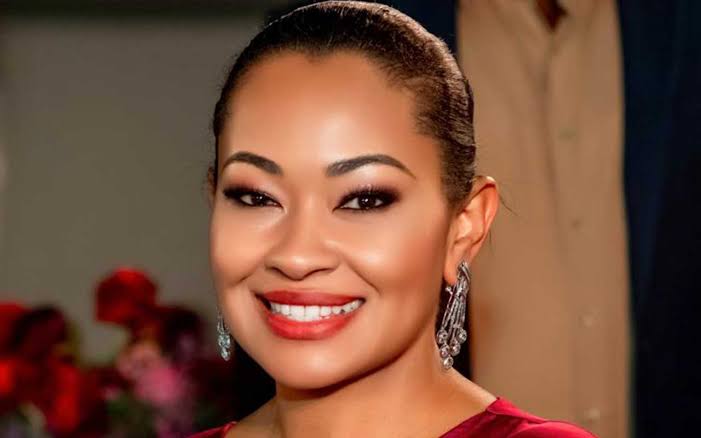
Senator Natasha Akpoti-Uduaghan alleged that an attack on her family house in Kogi was politically motivated, linking it to her public accusation of sexual harassment against Senate President Godswill Akpabio. Gunmen stormed the residence, mistakenly believing she was present. No casualties were recorded, but the senator is demanding the restoration of her police protection.
Why it Matters:
This incident underlines the dangerous nexus between politics and violence in Nigeria. That a sitting senator could face such an attack, and openly tie it to powerful figures, highlights the state’s inability or unwillingness to protect dissenting voices. The silence from official quarters since her sexual harassment claim only reinforces suspicions of complicity. The message is chilling: challenge the system and you are on your own.
5. Wike Confirms: ‘I Wanted Fubara Out’
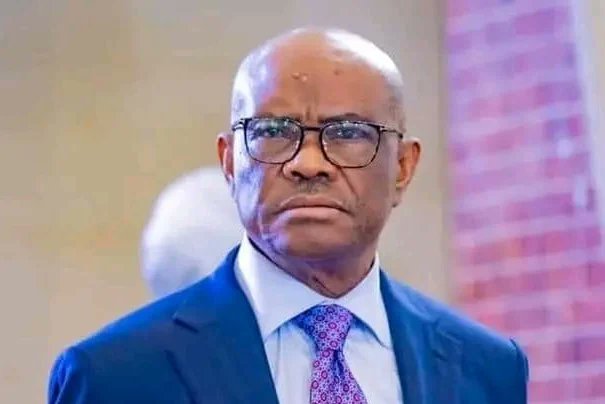
FCT Minister Nyesom Wike admitted that he wanted Governor Siminalayi Fubara removed entirely, not just subjected to a state of emergency. He praised Tinubu’s intervention, saying the president saved Rivers from “anarchy.” Wike’s remarks confirmed his central role in the political chaos that led to the suspension of the governor and his deputy.
Why it Matters:
Wike’s confession strips away the pretence of constitutional governance. The Rivers crisis was never about the rule of law, it was about power, ego, and vengeance. The fact that a federal minister openly plotted the removal of an elected governor and still holds office reveals how deeply transactional and personalised governance has become. The presidency’s endorsement of such political overreach damages democratic norms and sets a dangerous example for state-federal relations.
Conclusion: The Nation is Bleeding, the State is Shrinking
From the blood-soaked fields of Plateau to the smoke-filled backrooms of Abuja, Nigeria is drifting further into a state of decay. The people die while the elite squabble. The few who speak out face bullets or political retaliation. Meanwhile, the presidency appears more invested in image than impact. At the heart of this chaos lies a chilling truth: Nigeria is not just in crisis, it is in free fall. Without urgent, people-centred leadership, the centre may not hold much longer.