
Nigeria’s political and security landscape this week reflected a nation under strain, where persistent violence, judicial interventions, and political declarations converged to shape public discourse.
Gunmen killed 11 people in a daylight attack on Gurbi Village, Katsina State, adding to the unending cycle of banditry in the North-West.
The Senate approved a $516 million loan for the Sokoto-Badagry Super Highway, a flagship infrastructure project meant to connect three geopolitical zones.
The Supreme Court affirmed David Mark as the recognized leader of the ADC, striking out Nafiu Bala’s appeal and ordering further proceedings at the Federal High Court.
President Tinubu vowed he will not be forced out by insecurity and declared his intention to seek re-election in 2027, dismissing critics as agents working against his administration.
And the Supreme Court nullified the PDP’s Ibadan convention, ruling it was conducted in violation of a subsisting court order, deepening the party’s internal crisis.
Together, these stories reveal a country where violence persists unchecked, infrastructure ambitions clash with fiscal realities, courts are settling political disputes, the president is doubling down despite failures, and the main opposition party is legally invalidated.
1. Gunmen Kill 11, Injure Two In Fresh Katsina Village Attack
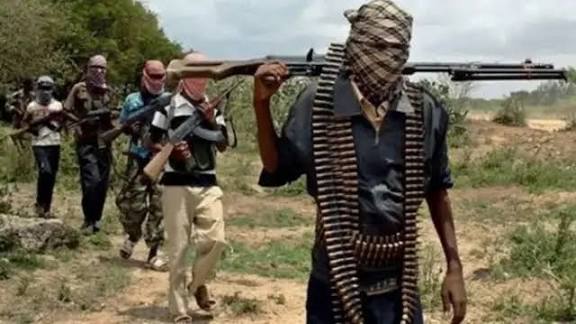
Bandits attacked Gurbi Village in Katsina’s Kankara Armed bandits attacked Gurbi Village in Katsina State, killing 11 residents and injuring two. Security operatives responded after the assault, while additional deployments were ordered to prevent further attacks.
Why it Matters:
This attack reinforces the persistence of rural insecurity despite repeated military responses. The pattern is familiar: attack, condolences, deployment of “additional tactical teams,” then another attack. Without addressing root causes, ungoverned spaces, weak intelligence, porous borders, tactical deployments are band-aids on a gunshot wound. Every life lost deepens public distrust in the government’s security strategy and raises uncomfortable questions about what it truly means to govern a country where citizens cannot live safely in their own villages.
2. Senate Approves $516 Million Loan For Sokoto–Badagry Super Highway Project
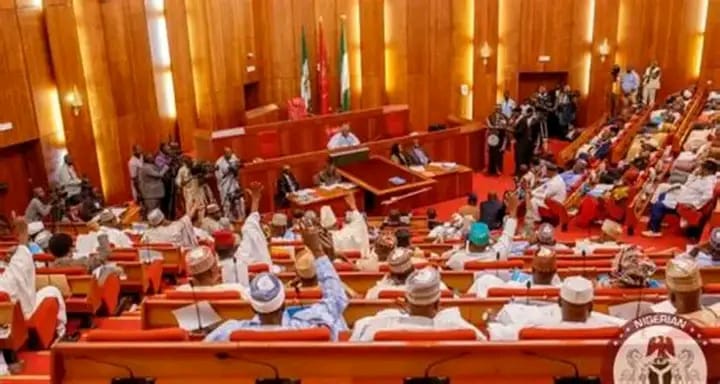
The Senate approved a $516 million loan for the Sokoto–Badagry Super Highway, citing its economic importance in linking regions and boosting trade, agriculture, and national connectivity. This comes amid concerns over Nigeria’s ballooning debt
Why it Matters:
Infrastructure investment is critical for economic growth, yet increased borrowing raises sustainability concerns. Nigeria’s debt profile continues to expand, and projects must deliver measurable returns. The question is not whether the highway is needed, it is. The question is whether Nigeria can afford it while insecurity, education, and healthcare remain underfunded. Infrastructure is critical, but priorities matter.
3. Supreme Court Affirms David Mark As ADC Leader
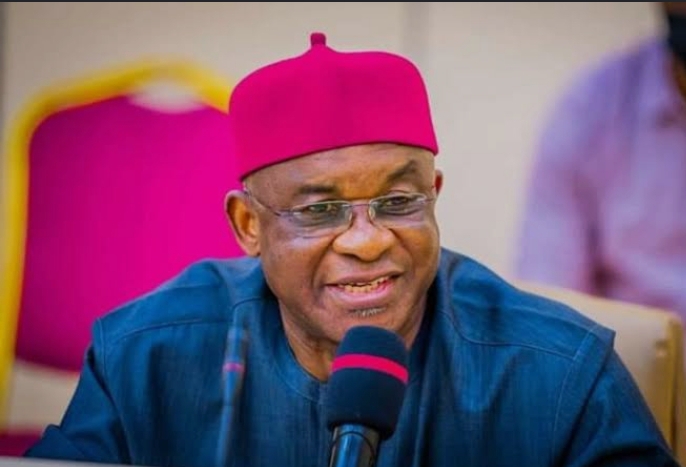
Nigeria’s Supreme court struck out an appeal by Nafiu Bala, affirming David Mark and his team as the legitimate leadership of the African Democratic Congress and directing further proceedings at the Federal High Court.
Why it Matters:
This is a significant victory for the Mark-led faction, but it is not final. The Supreme Court affirmed his leadership but sent the matter back to the Federal High Court for further proceedings. This means the legal battle continues, and INEC’s position, that it will not recognize either faction pending court resolution, remains relevant. The ADC’s ability to function as a party ahead of 2027 still depends on how quickly the Federal High Court concludes the matter.
READ ALSO: Power, Bloodshed And Billions: Nigeria’s Week Of Reckoning
4. Insecurity: ‘I Won’t Be Forced Out,’ Tinubu Vows To Seek Re-Election
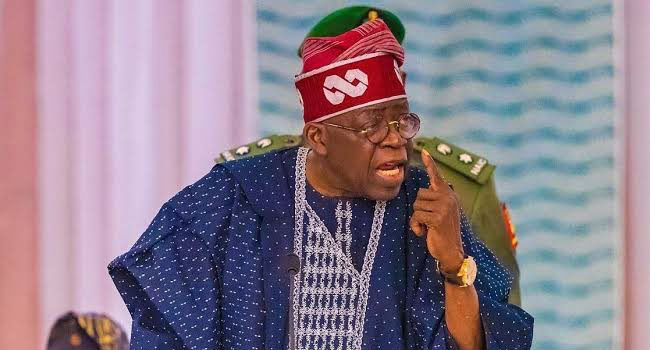
President Tinubu declared that worsening insecurity will not force him out of office, vowing to seek re-election in 2027. He described critics using insecurity as a tool against him as “agents” and called himself “a very stubborn politician.”
Why it Matters:
The President’s stance shows defiance and confidence, but it also reframes insecurity as a political tool rather than a governance failure. This narrative risks alienating citizens directly affected by violence. But the families of the 11 killed in Katsina, the 416 held by Boko Haram, and thousands of others killed under his watch are not agents. They are victims. If his response to insecurity is “I will campaign for my second term,” then he has already conceded that security is secondary to power.
5. Supreme Court Nullifies PDP Ibadan Convention, Dismisses Turaki Faction Appeal
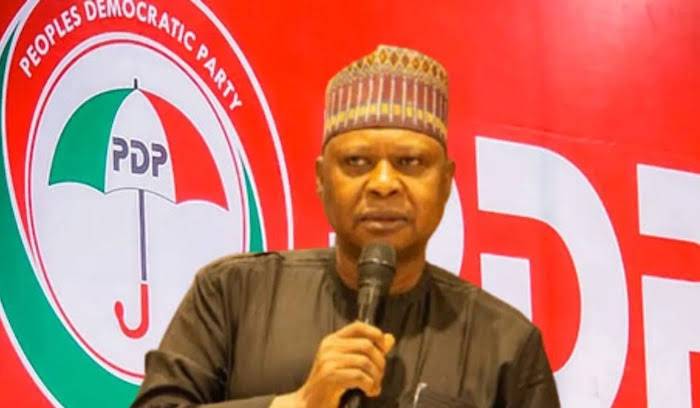
The Supreme Court dismissed the Tanimu Turaki-led faction’s appeal and ruled that the PDP’s Ibadan convention was conducted in violation of a subsisting court order. The judgment invalidates the outcomes of the convention, deepening the party’s internal crisis.
Why it Matters:
With this ruling invalidating the Ibadan convention and the Turaki-led National Working Committee produced by it. The PDP now has no recognised leadership structure. The party that governed Nigeria for 16 years and was the main opposition in 2023 is legally and structurally paralyzed eight months before the 2027 election, the PDP must now move swiftly to conduct a credible and legally sound convention or risk being unable to field candidates in one of the most consequential elections in Nigeria’s democratic history.
Conclusion
This week’s stories collectively reveal a country where violence persists unchecked, infrastructure ambitions clash with fiscal realities, courts are settling political disputes, the president is doubling down despite failures, and the main opposition is legally invalidated.
The contradictions are stark: Nigeria borrows $516 million for a highway while 11 people are killed in Katsina.
The Supreme Court affirms the ADC’s leadership while nullifying the PDP’s convention. The president vows re-election while insecurity worsens.
These are not isolated events but symptoms of a system where priorities are misaligned, accountability is absent, and institutions are weaponized.
What kind of country Nigeria becomes by 2027 will depend on whether its leaders can begin to close the gap between what they promise and what ordinary Nigerians actually experience every single day.