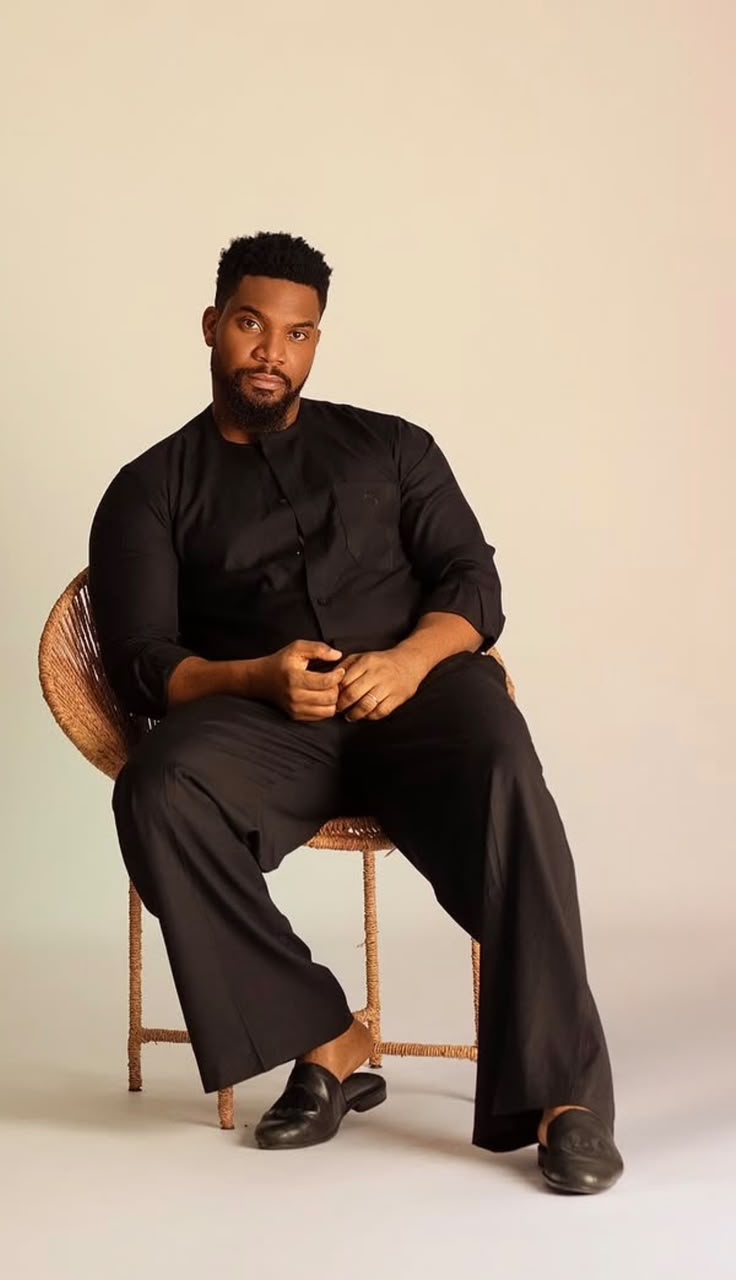
For years, Kunle Remi’s voice belonged to the characters he portrayed. Whether as the romantic lead, the troubled hero or the ambitious dreamer, the award-winning actor built his reputation by bringing other people’s stories to life.
Today, it is his own voice that is commanding attention.
As Nigeria grapples with worsening economic hardship, rising insecurity and growing public frustration over governance, Remi has emerged as one of the few mainstream Nollywood actors willing to publicly challenge the country’s direction.
In the process, he has evolved from a celebrated screen star into one of the industry’s most outspoken advocates for accountability and responsible leadership.
His transformation has been gradual rather than dramatic. There was no sudden political awakening or calculated reinvention.
Instead, it has unfolded through a series of increasingly candid interventions that mirror the frustrations of millions of ordinary Nigerians.
His strongest statement yet came on Thursday, June 25, 2026. Taking to his Instagram Story, Remi wrote:
“Other parts of the world have Natural Disasters…. Nigeria has government disaster!”
The post instantly struck a chord. In one sentence, he distilled the anger of many Nigerians who believe the country’s greatest crisis is not a natural phenomenon but a failure of leadership.
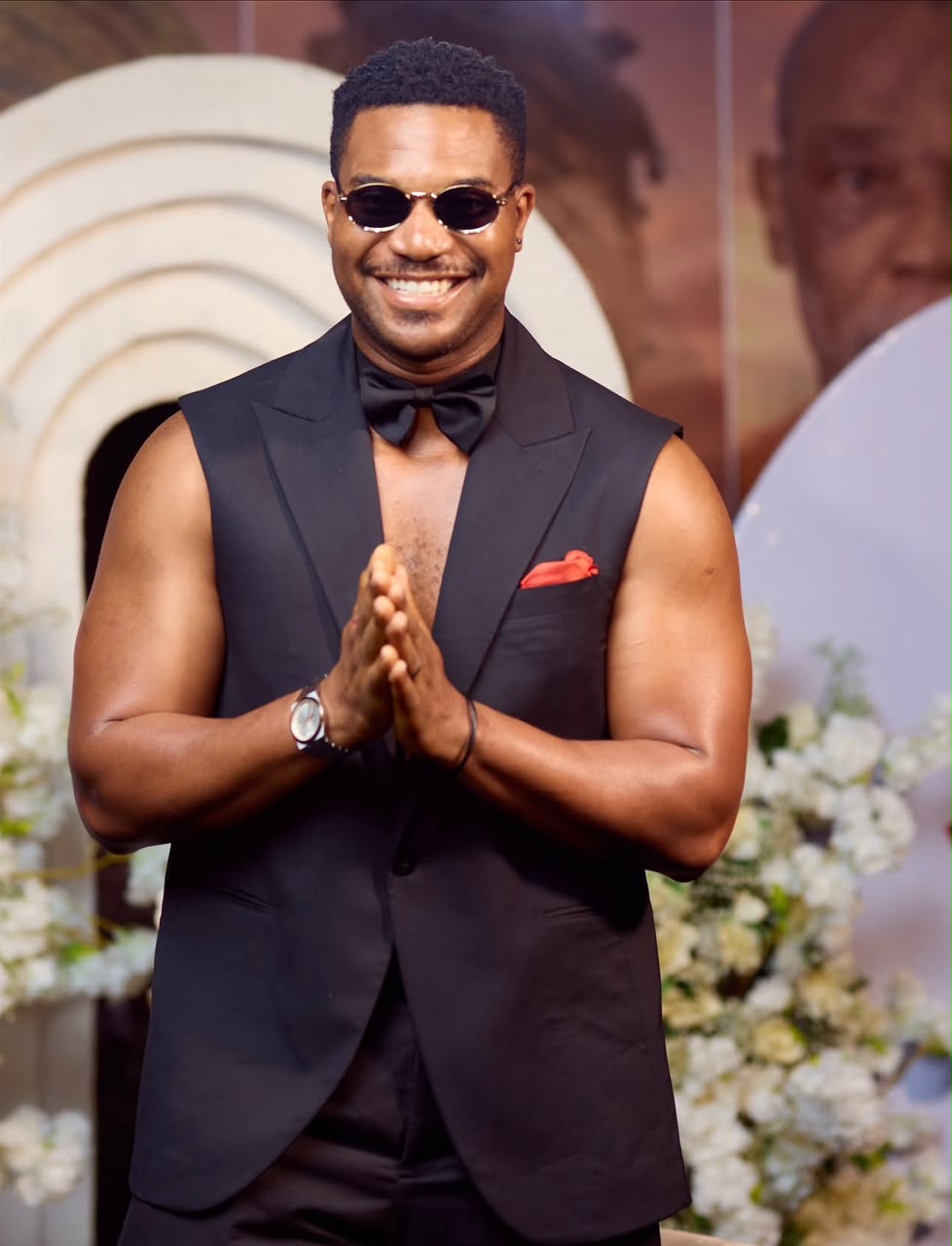
It was a blunt assessment that resonated with citizens struggling under the weight of inflation, rising fuel prices, insecurity, unemployment and an ever-shrinking standard of living.
Yet the post was not an isolated outburst. It was the latest chapter in a growing pattern of activism.
Weeks earlier, Remi admitted that social media had become emotionally draining because almost every visit confronted him with reports of killings, kidnappings, child abductions and other avoidable tragedies.
What should have been a platform for connection and celebration, he lamented, had become a daily reminder of a nation consumed by grief.
Following renewed attacks in parts of the country, he again broke his silence. Describing himself as mentally exhausted and deeply angry, the actor questioned how Nigerians had become so accustomed to violence that horrific incidents now disappeared from public consciousness almost as quickly as they occurred.
For him, the greatest tragedy was not only the bloodshed itself but society’s growing acceptance of it.
As the economic crisis deepened, so did his criticism.
In another widely shared video, Remi declared that neutrality was no longer an option.
“There is nothing like sitting on the fence anymore.”
He spoke candidly about soaring petrol prices, rising electricity costs, inflation and the crushing financial burden confronting ordinary families.
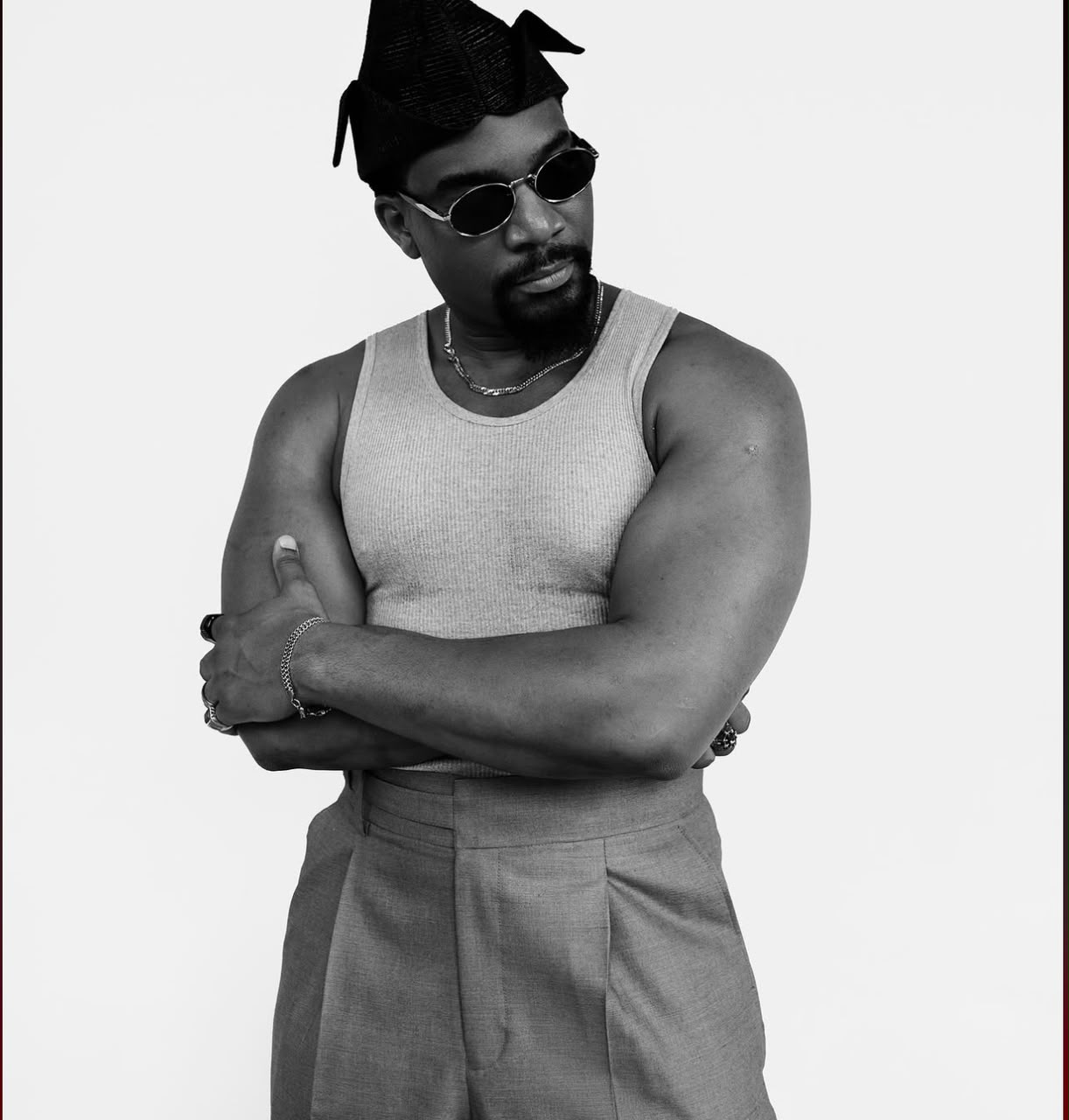
His message resonated because it was neither partisan nor ideological. It reflected the lived experiences of millions of Nigerians trying to navigate increasingly difficult conditions.
He did not stop at criticising government.
Remi also challenged his colleagues in the entertainment industry, questioning why many celebrities, despite commanding enormous audiences and influence, remained silent on issues affecting the people whose support had made them famous.
To him, celebrity should represent more than popularity. It should come with responsibility.
Actors, musicians and influencers, he argued, cannot limit themselves to promoting films, endorsements and glamorous lifestyles while ignoring the hardships confronting ordinary Nigerians.
His remarks sparked fierce debate.
Supporters applauded his courage, arguing that celebrities have both the reach and moral responsibility to speak when citizens are hurting.
Critics insisted entertainers should remain politically neutral, warning that activism risks dividing audiences and undermining carefully built careers.
Remi, however, has shown little sign of retreating.
His public interventions have consistently returned to the same themes: poor governance, economic hardship, insecurity and accountability. Running through each statement is a belief that silence has become increasingly difficult to justify.
His willingness to speak out did not begin with politics.
Long before governance became central to his voice, Remi had also lent his voice to conversations around sexual and gender-based violence, speaking publicly on the need for men to take responsibility in addressing abuse and supporting efforts that challenge violence against women.
Viewed through that lens, his recent activism is less a reinvention than an evolution. The issues have changed, but the principle has remained constant: influence should serve a purpose greater than personal success.
That influence was earned through years of discipline and professional excellence.
Remi first captured national attention after winning the seventh edition of Gulder Ultimate Search in 2010.
A graduate of the University of Ibadan who later trained at the New York Film Academy, he patiently built one of Nollywood’s most respected acting careers.
His performances in Falling, Gold Statue, The Prophetess, A Naija Christmas and the acclaimed epic Aníkúlápó established him as one of the industry’s most versatile actors. His portrayal of Saro in Aníkúlápó earned him the Africa Magic Viewers’ Choice Award for Best Actor, cementing his place among Nollywood’s leading men.
READ ALSO: Nollywood Legend Mr Ibu’s widow, Children Seek Support Over Rent, School Fees
Ironically, the career that earned him fame has also given him something even more powerful: a platform that people are prepared to listen to.
Nigeria has produced no shortage of outspoken entertainers. Richard Mofe-Damijo, Kate Henshaw, Falz and Mr Macaroni have all used their influence to challenge injustice and demand accountability.
What distinguishes Remi is not simply that he has joined that tradition, but the point at which he found his voice.
He established himself as a commercially successful actor before venturing into conversations many celebrities still avoid. With a flourishing career and lucrative opportunities at stake, he arguably had more to lose than gain.
That is precisely why his activism continues to resonate.
Away from public debate, Remi remains grounded in faith, family and discipline. Since marrying Tiwi in 2024, he has balanced a thriving acting career with an increasingly visible commitment to civic engagement.
Whether more entertainers will follow his example remains uncertain.
What is already beyond dispute is that Kunle Remi has expanded the boundaries of celebrity in contemporary Nigeria.
He is no longer recognised solely for memorable performances on screen but also for his willingness to challenge complacency, question leadership and speak when many of his contemporaries choose silence.
His acting earned him applause, awards and acclaim. His activism may well become the legacy for which he is remembered most.