
This week, Nigeria’s three great anxieties, debt, death and the ballot, all produced fresh entries in their ledgers.
President Tinubu asked the Senate to approve $20.51bn and €1.45bn in external loans, defending the borrowing as investment in jobs and infrastructure.
In Taraba, the deadliest attack in months unfolded almost unnoticed: suspected bandits stormed killing over 80 people.
INEC endured its most unsettling week yet, as AI-generated photographs and duplicate names surfaced in the preliminary voters’ register, with its own ICT director admitting registration officers introduced the irregularities from inside.
Meanwhile, INEC Chairman Joash Amupitan answered with a neutrality pledge, insisting the commission has no candidate and no party.
On the campaign trail, ADC spokesman Phrank Shaibu branded Tinubu disconnected from Nigerians’ hunger, while Peter Obi promised to jail election riggers and certificate forgers alike.
A week, in sum, when the republic was asked to trust its borrowers, its protectors and its vote-counters, and given fresh reasons to audit all three.
1. Tinubu Seeks Senate Approval For $20.51bn, €1.45bn External Loans
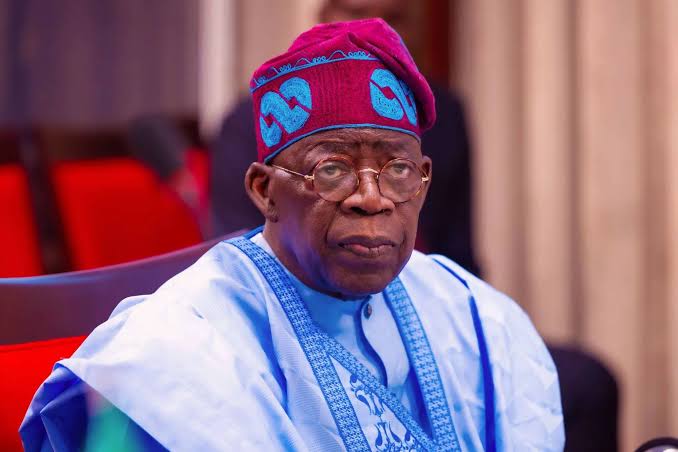
Tinubu requested Senate approval for $20.51bn and €1.45bn external borrowing under the 2026-2027 supplementary plan, defending loans as investments in jobs, infrastructure and food security amid opposition criticism.
Why it Matters:
The scale of the proposed borrowing of nearly $22 billion in combined currency terms, would represent one of the largest single borrowing requests in Nigeria’s democratic history. Coming on the back of a record ₦166.79tn debt stock, the scale of the proposed loans renews questions about debt sustainability, transparency and the returns Nigerians can expect. With debt-service pressures already constraining public finances, approval should depend on credible costing, safeguards, public reporting and measurable benefits publicly.
2. Over 80 Dead As Suspected Bandits Attack Taraba Community, Burn Houses
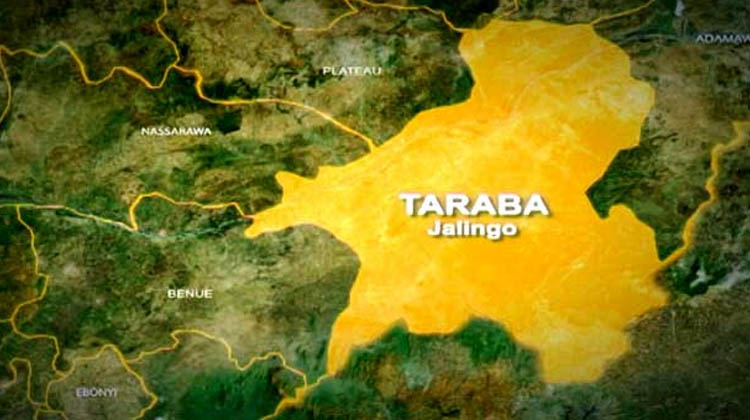
Suspected bandits attacked Binnari community in Taraba after Jumu’ah prayers, killing over 80 people, looting shops and burning homes, with bodies recovered from surrounding bushes and rivers days later.
Why it Matters:
Such killings should alarm Nigerians: these are wartime casualties in a country not formally at war. With elections approaching, what assurances can victims’ families expect from Taraba’s governor and President Tinubu before voting? The movement from Plateau exposes the threat’s cross-border reach. Arrests are insufficient; residents need warnings, patrols and accountability to restore confidence in the state’s ability to protect them.
READ ALSO: Bloodshed, Borrowing, Battlelines: Nigeria’s Week Of Pressure, Power
3. 2027: Suspected AI Photos, Duplicate Names Spark Outrage Over INEC Voters’ Register
INEC launched investigations after AI-generated photographs and duplicate names appeared in the preliminary voters’ register, with its ICT director admitting registration officers introduced irregularities using authorised login credentials nationwide.
Why it Matters:
The disclosure raises serious questions about internal controls, staff accountability and the reliability of the voter database. Although the register remains preliminary and corrections are expected before certification, misconduct could undermine public confidence if left unexplained. INEC must identify affected records, investigate officers fairly, publish corrective steps and protect eligible voters from wrongful exclusion or duplication before certification without delay.
4. 2027 Elections: INEC Has No Preferred Candidate, Party — Amupitan Insists
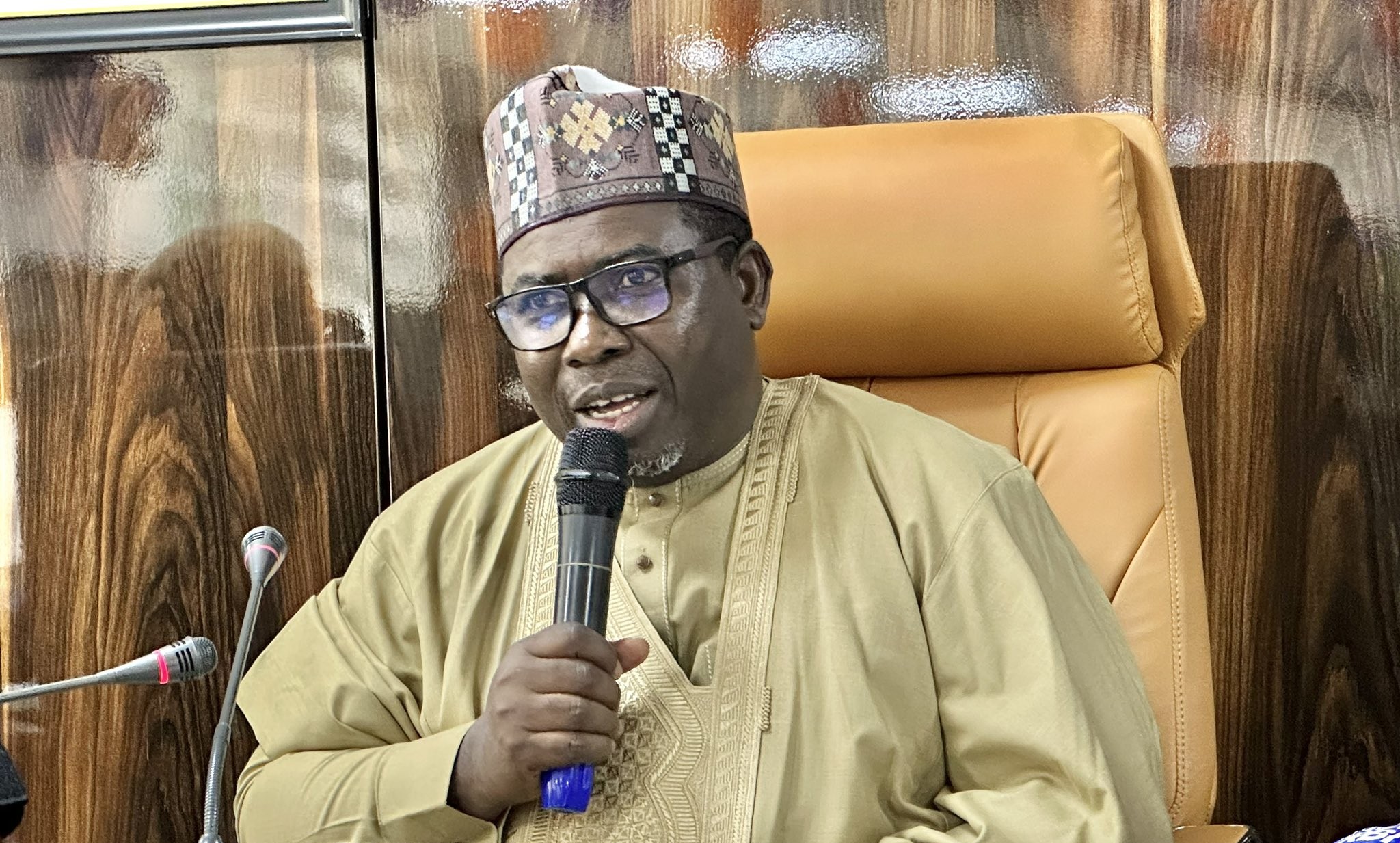
Amupitan assured a visiting ECOWAS mission that INEC holds allegiance only to law and the electorate, citing 103 million registered voters, BVAS deployment and new electronic result-verification platforms.
Why it Matters:
Amupitan’s assurance of INEC’s neutrality comes amid revelations of AI-generated photographs and duplicate entries in its preliminary voters’ register, with the commission tracing some irregularities to its own officials. INEC is already facing lingering concerns over the controversy surrounding Amupitan’s alleged partisan X account, an issue that attracted public scrutiny but has since faded without a clear resolution. Ultimately, INEC’s conduct on election day, not declarations, will determine its credibility.
5. 2027: I’ll Jail Election Riggers, Certificate Forgers If Elected President — Obi
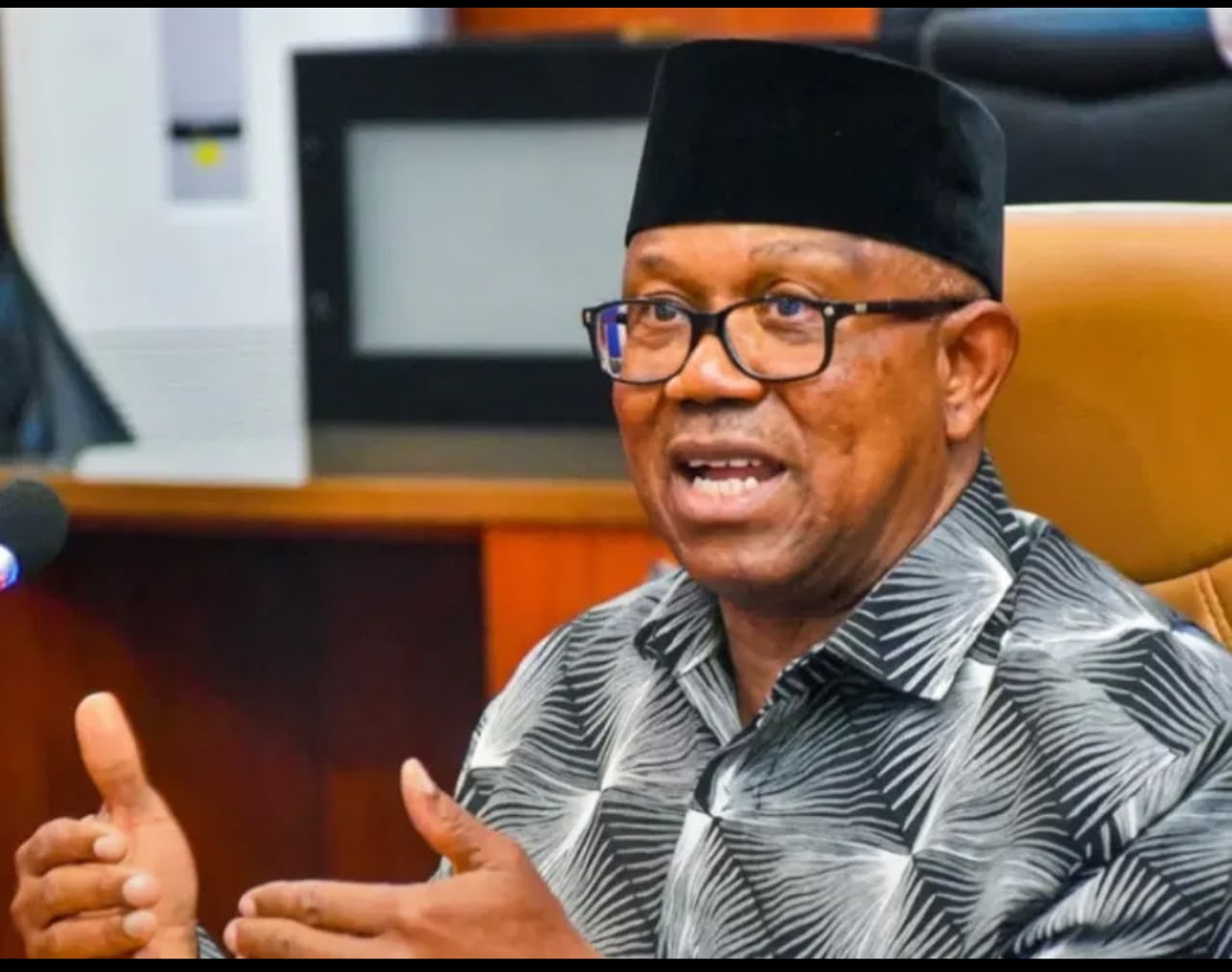
Obi pledged imprisonment for election riggers, forgery-committing candidates and complicit INEC officials if elected, proposing verifiable primary and secondary schooling as minimum requirements for all elective offices.
Why it Matters:
Obi’s promise is politically significant on two levels. The pledge to jail certificate forgers lands with unmistakable reference to current national controversies, including the Nnaji listing and lingering questions over President Tinubu’s credentials. His cryptic “we will rig those who rig it” needs urgent clarification; defenders of electoral law cannot speak its violators’ language. Whether voters find the pledge credible, or treat it as another campaign-season promise, will be measured in January.
Conclusion
This week’s stories point to one question: whether Nigerian institutions can earn the trust that 2027 demands.
Borrowing must be justified by results, security must reach vulnerable communities, and the electoral process must prove clean enough to withstand scrutiny.
Politicians can trade accusations and make pledges, but citizens will measure leadership by whether they feel safer, fed and fairly represented. The coming months will show whether words are matched by action.