After decades of commanding attention on Nollywood screens, Sola Sobowale is taking on a different kind of role, one that could leave a lasting impact far beyond entertainment. Drawing from her years of experience as an elderly caregiver in the United Kingdom, the celebrated actress has established Joseph and Esther Homes, a residential care facility in Ibadan, turning a personal chapter of her life into a new mission to improve the lives of older people.
Commissioned by Oyo State Governor Seyi Makinde on November 3, the facility represents more than a celebrity business venture. It opens a conversation about ageing, family responsibility, and the growing need for professional elderly care in Nigeria, where traditional family support systems are facing new pressures. For Sobowale, whose career has been defined by memorable screen performances, this may be one of her most meaningful roles yet.
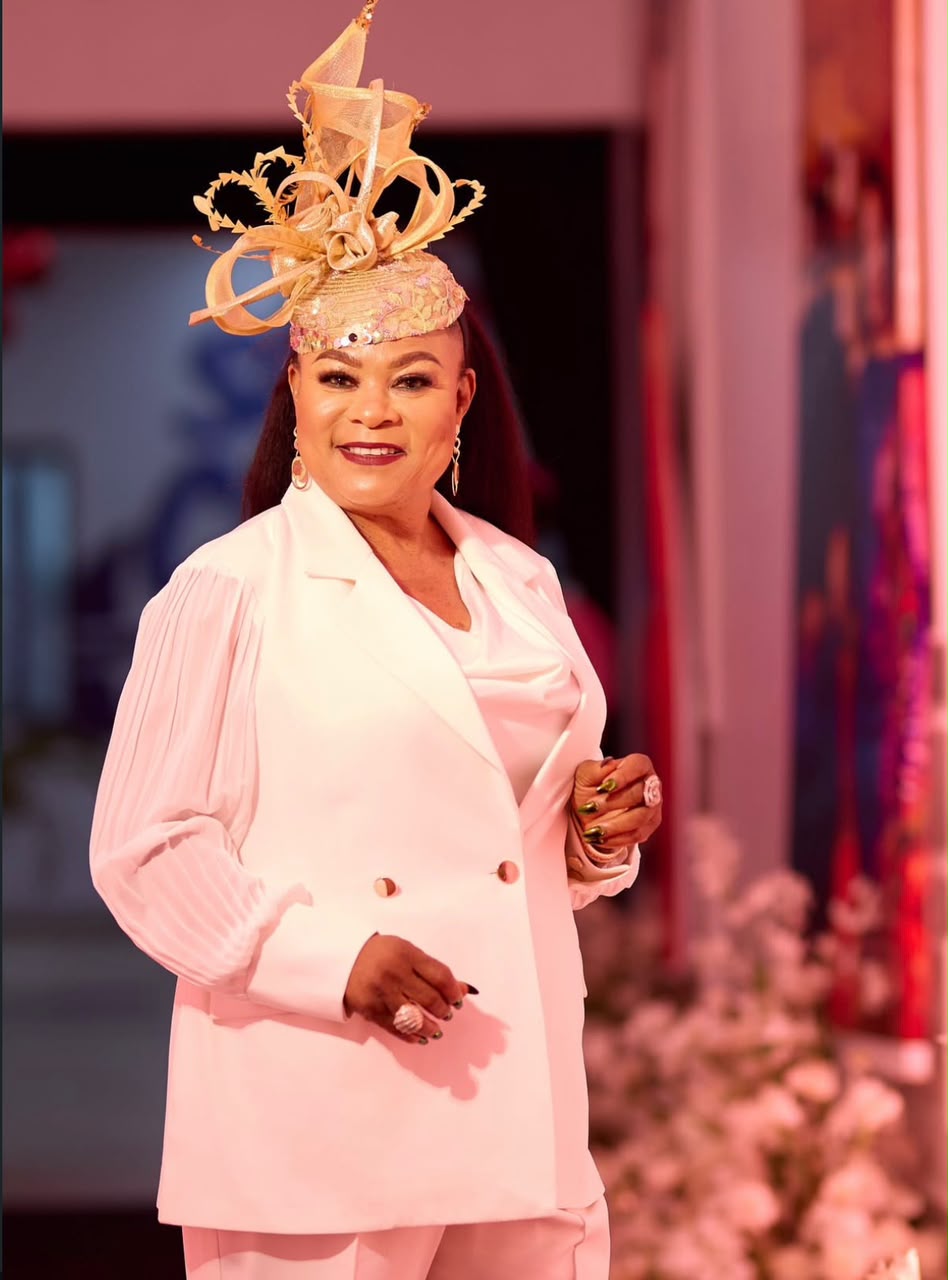
Sola Sobowale has spent decades portraying formidable women on screen. Her latest undertaking, however, places her in a different role: an entrepreneur investing in the care and dignity of older people.
On November 3, 2026, Oyo State Governor Seyi Makinde commissioned Joseph and Esther Homes, an elderly residential care facility established by the actress in Akobo, Ibadan. The occasion also featured the unveiling of her book, Built From the Break.
Beyond its celebrity appeal, the venture draws attention to a lesser-known chapter of Sobowale’s life: her years working as an elderly caregiver in the United Kingdom, an experience that now informs her investment in a sector of growing relevance in Nigerian society.
From Caregiving To Entrepreneurship
Sobowale relocated to the UK around 2004 to provide better educational opportunities for her children, spending approximately 12 years away from active work in Nollywood.
During that period, she took up different jobs, including elderly caregiving. Her responsibilities involved cleaning, cooking, washing and assisting older people with everyday activities.

She also acquired professional training, obtaining National Vocational Qualification certificates at Levels 2, 3 and 4 before progressing to the position of team leader.
That experience gives her latest venture a distinctive foundation. Her entry into elderly care follows years of practical exposure to the demands of looking after older people, rather than being simply another celebrity investment.
Named after her parents, Joseph and Esther Olagookun, the facility carries a family connection. Both were educators, with her father serving as a retired principal and her mother as a headmistress.
Operating under the tagline, Live Well, Age Well, Thrive Together, the home describes itself as a place older people can call home. Its stated philosophy, “We do not replace family. We help families care better”, positions professional assistance as a complement to family involvement.
The approach addresses a changing reality for Nigerian households. Migration, urbanisation and demanding employment schedules increasingly separate adult children from ageing parents, making consistent care difficult for some families.
Joseph and Esther Homes is intended to provide residential accommodation, personalised assistance, security and opportunities for community living. Full operations are expected to commence later in 2026, making its eventual service quality and impact important measures of its success.
Why Elderly Care Matters
Nigeria’s changing family structures have made elderly welfare an increasingly important social concern. Traditionally, responsibility for ageing relatives has rested largely with children and extended families. However, distance, financial pressures and competing responsibilities can complicate those arrangements.
The National Policy on Ageing, approved in 2020, recognises the challenges facing older Nigerians, including inadequate support systems and the need for safe, accessible and affordable housing.
Research published in the International Journal of Environmental Research and Public Health in December 2025 also examined changing caregiving patterns, identifying migration, urbanisation, economic pressures and evolving household arrangements as factors influencing family-based care.
Ageing can bring reduced mobility and difficulties with everyday activities, sometimes requiring assistance beyond what relatives can consistently provide. Properly managed residential facilities can help address these needs while allowing families to remain involved.
READ ALSO: Eniola Badmus: Reinvention, Resilience, Rise Beyond Nollywood
Their effectiveness, however, depends on qualified staff, safety standards, affordability, accountability and respect for residents’ independence. A care home must offer more than accommodation; it must protect the wellbeing and dignity of those who live there.
At the commissioning, Makinde commended Sobowale’s investment and encouraged Nigerians with resources to use their influence for social good. He also announced that the rehabilitation of the access road would be extended to the facility’s frontage, alongside plans for solar-powered streetlights.
An Accomplished Career, A New Direction
The venture comes during a notable year for Sobowale, whose relevance in Nollywood remains undiminished.
In May, she received the Industry Merit Award at the 12th Africa Magic Viewers’ Choice Awards alongside veteran actor Kanayo O. Kanayo, recognising their contributions to African film and television.
Her portrayal of Eniola Salami in Kemi Adetiba’s King of Boys remains one of her defining performances, earning her the Africa Movie Academy Award for Best Actress in a Leading Role in 2019. Her film credits also include The Wedding Party, King of Boys: The Return of the King, Aníkúlápó and Battle on Buka Street.
Beyond acting, she has worked as a screenwriter, director and producer, including on Ohun Oko Somida, released in 2010.
Silverbird also announced her as a recipient of its 2026 Lifetime Achievement Award alongside Patrick Doyle and Daddy Showkey. The presentation is scheduled for November 16 at Eko Hotels and Suites, Lagos.
Her screen commitments continue. She reprises her role as Stella in the second season of The Covenant, scheduled to premiere on November 6, while she plays Mama Ngozi in Toyin Abraham’s forthcoming film Bestie, set for nationwide cinema release on December 16.
Her expansion into elderly care is therefore taking place alongside an active entertainment career, rather than signalling a departure from Nollywood.
Beyond The Spotlight
The significance of Joseph and Esther Homes lies in the wider question it brings into focus: how can Nigerian families, businesses and governments ensure that older people receive appropriate care as traditional support arrangements evolve?
Sobowale’s experience gives her venture a personal connection to that question, but its credibility will ultimately depend on the quality of services it delivers.
Her journey from caregiver in the United Kingdom to founder of a residential care home in Ibadan is an unusual professional transition. It also places a pressing social responsibility alongside the achievements of a celebrated entertainment career.
The success of Joseph and Esther Homes will not be measured by its founder’s celebrity or the ceremony that marked its commissioning, but by something considerably more important: whether the older people who eventually call it home can live safely, comfortably and with dignity.