
As the aviation industry continues to recover from the COVID-19 pandemic, international air travel has surged to new heights, with major airports around the world once again bustling with record-breaking passenger numbers.
From North America to Asia and the Middle East, global aviation hubs have reclaimed their crucial role in connecting millions of travelers across continents. According to the latest passenger traffic data, here are the top 10 busiest airports in the world for 2024, each offering unique features that distinguish them in the rapidly evolving travel landscape.
Here’s a breakdown of the leading airports, ranked by total passenger traffic and notable highlights that contribute to their global significance.
1. Hartsfield–Jackson Atlanta International Airport (ATL) – 108.1 million passengers
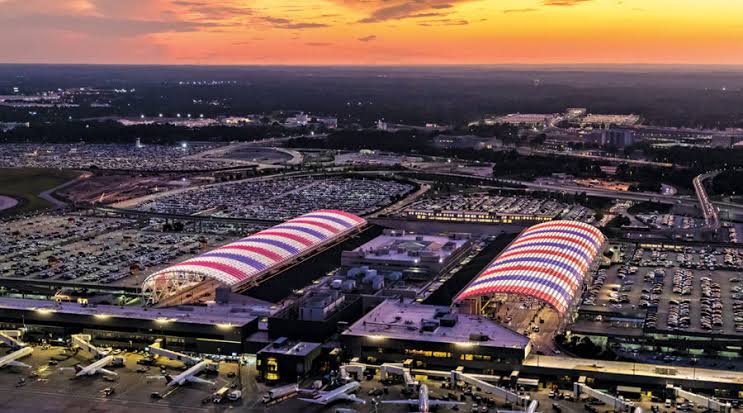
Atlanta’s Hartsfield–Jackson remains the world’s busiest airport, a title it has held for 26 of the last 27 years. Handling over 108 million passengers in the past year, ATL continues to serve as a critical hub for domestic and international travel, particularly for Delta Air Lines.
2. Dubai International Airport (DXB) – 92.3 million passengers
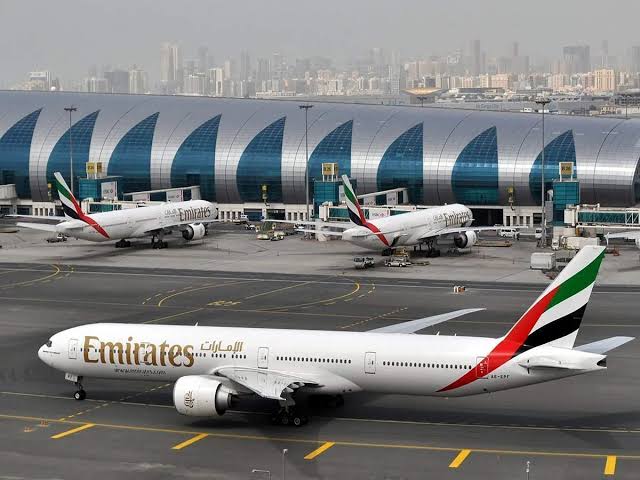
Dubai International tops the charts in the Middle East, serving as a central gateway for tourism and global business. The airport’s Terminal 3 is the largest in the world by floor area, helping DXB maintain its reputation for world-class service and efficiency.
3. Dallas/Fort Worth International Airport (DFW) – 87.8 million passengers
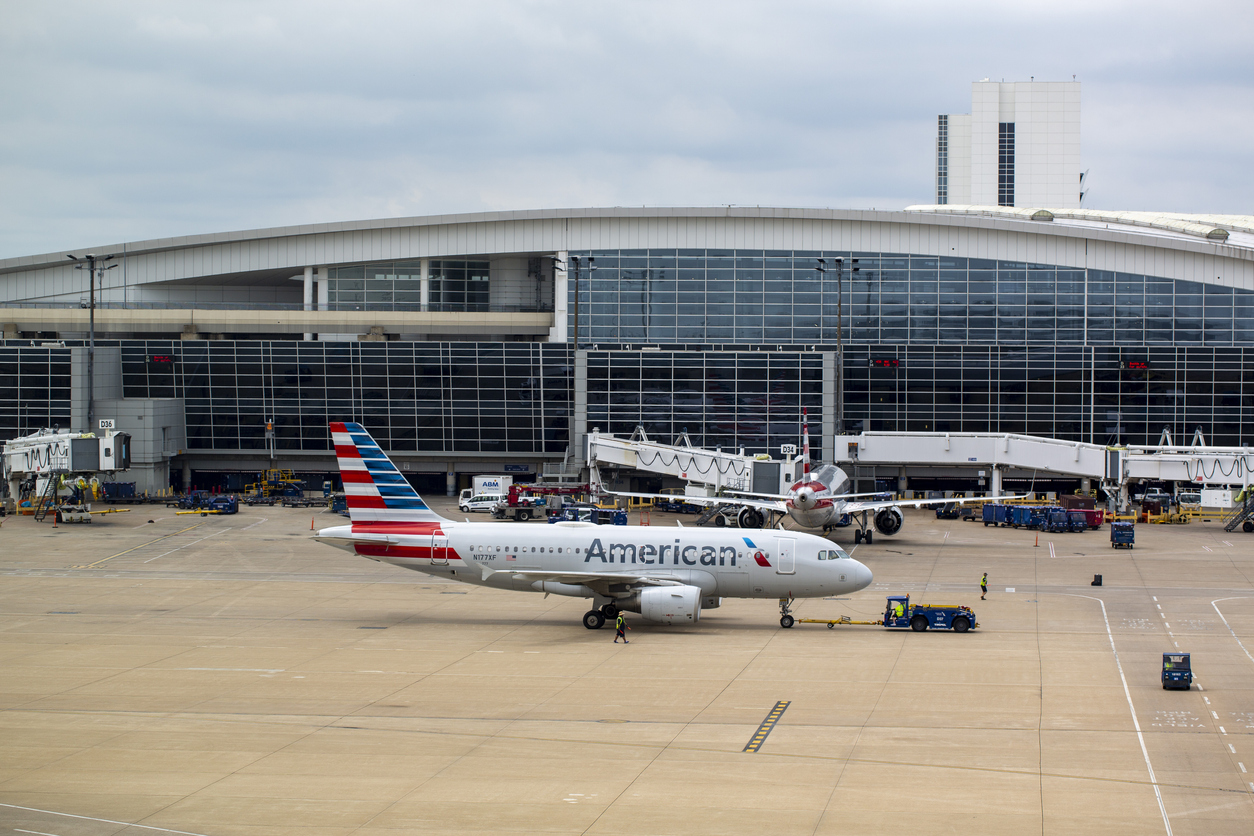
DFW is one of the fastest-growing airports in the United States, offering more than 250 routes globally. Its sprawling 17,000-acre layout makes it one of the largest in the country and a key hub for American Airlines.
4. Tokyo Haneda International Airport (HND) – 85.9 million passengers
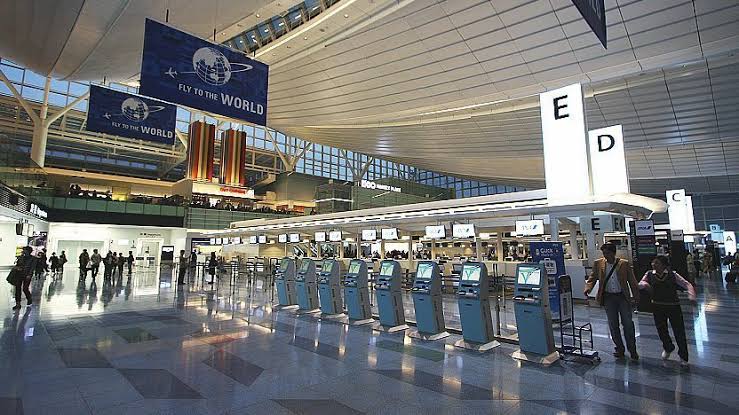
Tokyo Haneda is Japan’s busiest airport and a global leader in technological innovation and customer service. With nearly 86 million travelers annually, HND continues to see increased international traffic following its global spotlight during the 2020 Tokyo Olympics.
5. London Heathrow Airport (LHR) – 83.9 million passengers
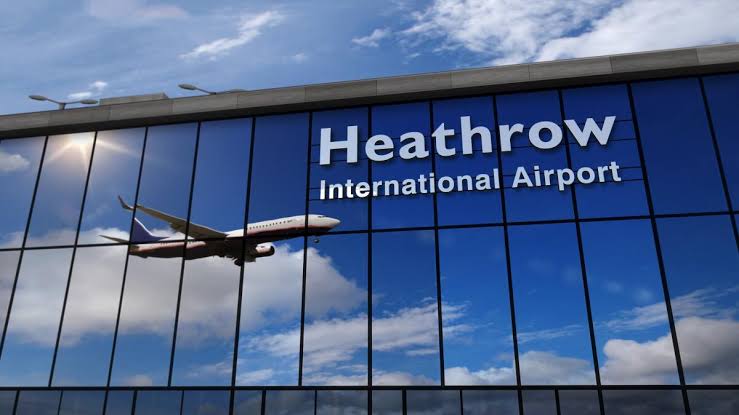
Heathrow remains the busiest airport in the United Kingdom and a major gateway to Europe, serving over 180 destinations in 90+ countries. Despite Brexit and global travel shifts, LHR continues to see robust traffic volumes.
READ ALSO: 104 Nigerians Repatriated from Algeria Receive Humanitarian Support at Lagos Airport
6. Denver International Airport (DEN) – 82.4 million passengers
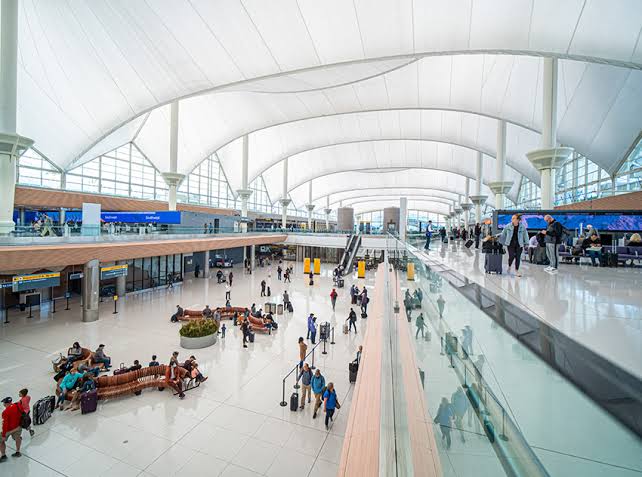
As the largest airport in the U.S. by land area, Denver International covers more than 33,000 acres. Known for its striking architecture and proximity to the Rocky Mountains, DEN attracts high volumes of both domestic and international travelers.
7. Istanbul Airport (IST) – 80.1 million passengers
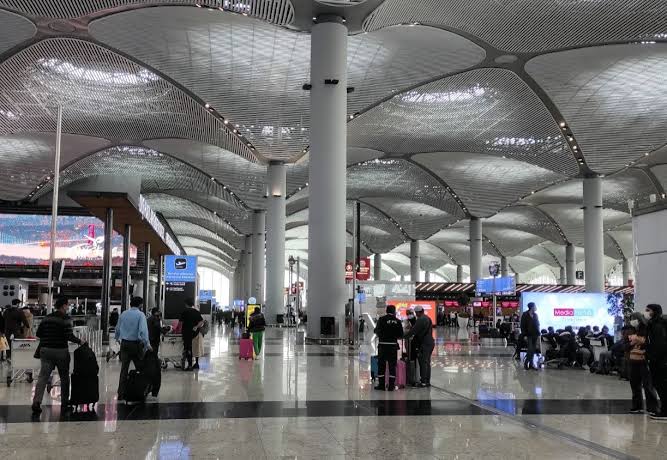
Istanbul Airport has emerged as one of the fastest-growing aviation hubs globally. With capacity expansion plans underway, IST aims to handle up to 200 million passengers annually—positioning itself as a future contender for the world’s top spot.
8. Chicago O’Hare International Airport (ORD) – 80.0 million passengers
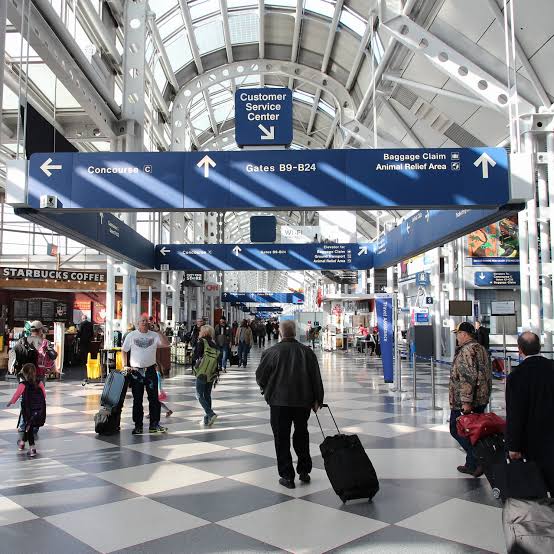
Chicago O’Hare, once the world’s busiest airport, remains a vital North American hub. With a global reputation for connectivity and efficiency, ORD continues to serve tens of millions of travelers each year.
9. Indira Gandhi International Airport, New Delhi (DEL) – 77.8 million passengers
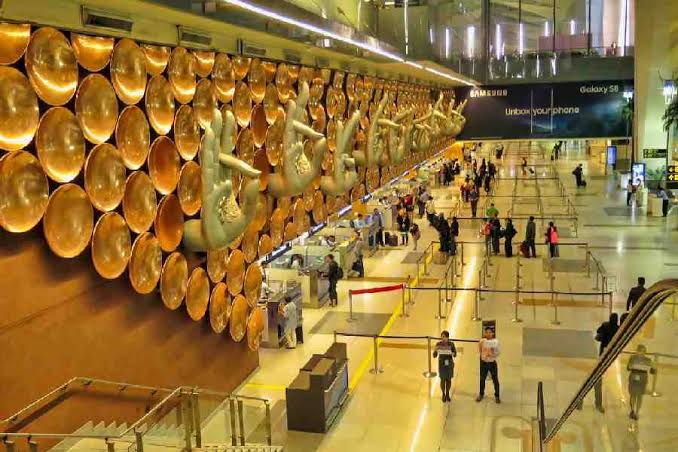
India’s busiest airport has seen strong and consistent growth, driven by a rising middle class and increasing domestic travel demand. DEL is expected to surpass the 100-million mark within the next few years.
10. Shanghai Pudong International Airport (PVG) – 76.8 million passengers
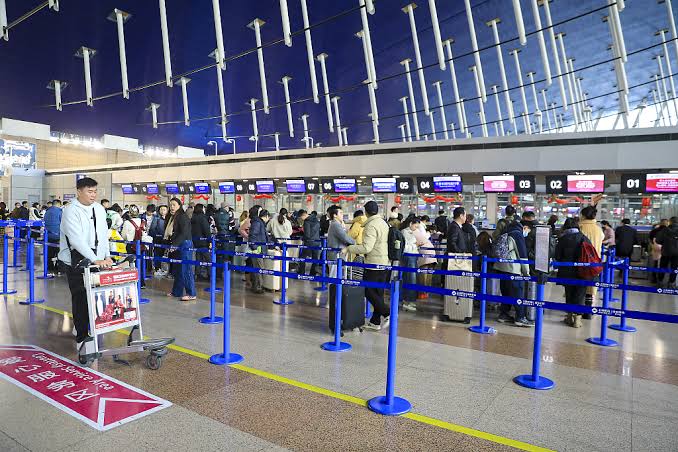
Shanghai Pudong rounds out the list, having jumped from 21st to 10th in just one year. As China’s top international gateway and a major cargo hub, PVG reflects the country’s rapid post-pandemic aviation recovery.