Cynthia Ezegwu

In Nigeria, what’s faster than going to a bank? Asking, “Where’s the next POS?”
POS (Point-of-Sale) agents, those kiosks on the street corners, are the lifeblood of everyday banking, especially in areas far from cities. They make banking accessible from as early as 6:40 a.m., providing essential services such as cash withdrawals, transfers, airtime top-ups, and bill payments.
In 2024, Nigerians spent ₦18 trillion via POS terminals—69% more than in 2023. It’s a booming industry, and the mobile POS market could hit US$42.68 billion by 2025. But is it as simple as just getting a machine and charging ₦100 per withdrawal? Far from it.
Here’s a breakdown of how the POS business really works and the steps to make it profitable.
How the POS Business Works
Act as an Official Agent: You’re not just operating a device. You’re an official agent of a bank or fintech like FirstMonie, OPay, or Moniepoint. Your POS terminal connects to their systems, allowing you to process transactions on their behalf.
The POS Terminal: You get your terminal from your provider. It can be leased or purchased, with some agreements requiring minimum monthly transactions. The terminal connects to the provider’s system via SIM cards from networks like MTN or Airtel.
Float Capital: Your “float” is your working capital, used to fund withdrawals, transfers, and wallet top-ups. Without it, you can’t operate. If it runs out, you need to refill it immediately to continue serving customers.
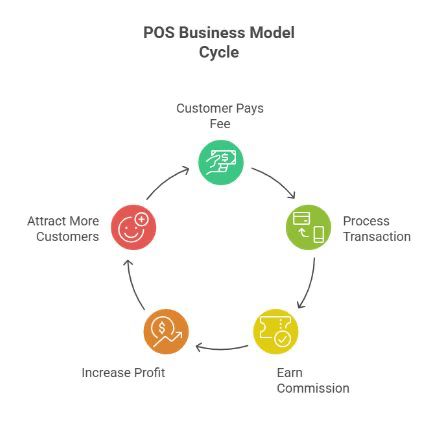
Making Money: You earn commissions for each transaction. For example, you may charge a ₦100 fee per withdrawal, and the provider takes a cut. The more customers you serve, the more you earn—this is why location and foot traffic are crucial.
Offer More Services: Beyond withdrawals, POS agents can also handle DSTV/GOtv subscriptions, NEPA bills, and even Bet9ja wallet top-ups. This adds more revenue streams to your business.
Tracking and Settlements: Providers give you a dashboard to track transactions, float, and earnings. Some offer instant settlements, while others take a few hours to credit your wallet.
Managing the Business: Operating a POS business is more than just pressing buttons. It involves managing float, customer expectations, fraud risks, and network downtime—skills that separate successful agents from those who struggle.
Steps to Start a Profitable POS Business
Know What You’re Getting Into: POS business isn’t a get-rich-quick venture. It requires cash management, customer service, and a solid location. Treat it as a real business from day one.
Choose Your Provider: Research providers like Moniepoint, OPay, and FirstMonie. Check their customer support, fees, and reliability before signing up.
Get the Right POS Terminal: Whether mobile or traditional, make sure the device suits your needs. Consider factors like SIM card support, transaction limits, and fees before committing.
Secure Float Capital: Start with at least ₦100,000 to cover daily transactions. Monitor your float carefully and adjust it based on peak transaction periods.
READ ALSO: Sustainable Energy Choices in Africa: Assessing Renewable, Fossil Fuel Options for Business, Home
Pick a High-Traffic Location: Your location is key. Find places with lots of foot traffic, like near bus stops or markets, to ensure consistent business.
Training: You (or your staff) need to know how to handle transactions, prevent fraud, and resolve issues quickly. Make sure to train well and stay updated on best practices.
Expand Your Offerings: Beyond withdrawals, offering services like airtime top-ups, bill payments, and betting wallet services can increase your profits.
Challenges You Might Face
Network Issues: Transactions can fail due to poor network connectivity. Invest in a device with multi-SIM support to avoid downtime.
Disputed Transactions: Always confirm transactions before handing over cash, and work with providers who can resolve disputes quickly.
Float Management: Without proper float management, you risk running out of cash. Track busy periods and forecast your float needs.
Competition: In busy areas like Lagos, competition is fierce. Focus on offering excellent customer service to stand out.
The Bottom Line
The POS business can be incredibly profitable if done right. Location, customer service, float management, and the right partner are key to success. Treat it as a full-fledged business, and the rewards can be significant.