
Nigeria’s political landscape this week reflected a nation grappling with multiple crises, from escalating banditry and electoral uncertainty to party leadership battles and questions about democratic accountability.
In Zamfara, soldiers paid with their lives during an ambush by bandits, in a reminder that insecurity remains deeply entrenched.
Elsewhere in Abuja, SERAP dragged governors and the FCT minister to court over secretive security votes.
The Labour Party slid deeper into factional conflict as Julius Abure vows to appeal ruling recognising Nenadi Usman as party chairman.
Meanwhile, while Ohaneze Youth Council warned that the APC’s ₦30m nomination form fee is strangling grassroots democracy.
Looming over everything were Atiku’s concerns about stalled passage of the electoral acts amendment Bill before the 2027 elections, even as Seyi Makinde positioned himself as a rare PDP holdout amid sweeping defections.
Together, these developments paint a picture of a democracy under strain, where institutional weaknesses, violence, and political manoeuvring threaten the foundations of credible governance.
1. Bandits Ambush Troops, Kill Five Soldiers, Police Officer In Zamfara
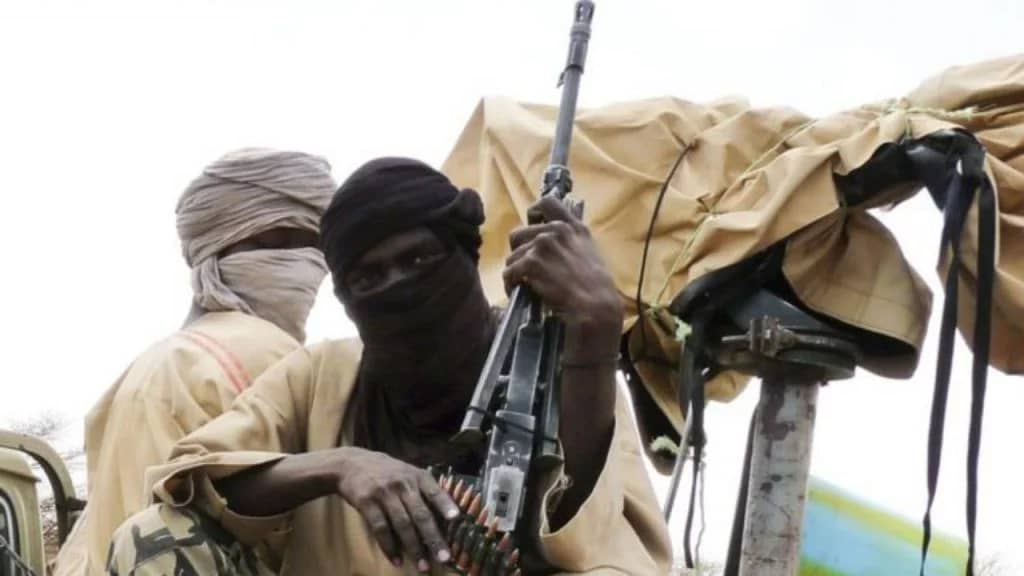
Five soldiers and one police officer were killed when bandits ambushed a joint security patrol in Zamfara State on Monday, January 19, 2026, along the Bingi–Kekun Waje–Gusau Road.
Why It Matters:
This attack shows the persistent insecurity plaguing Nigeria’s North-West despite sustained military operations. Zamfara remains a banditry hotspot where armed groups operate with alarming impunity, targeting both civilians and security forces. The loss of trained personnel weakens operational capacity and demoralises forces tasked with protecting vulnerable communities. More fundamentally, it raises questions about intelligence gathering, tactical preparedness, and whether current counter-insurgency strategies can effectively dismantle entrenched criminal networks or merely contain them temporarily.
2. SERAP Drags Governors, Wike to Court Over Unaccounted Security Votes Funds
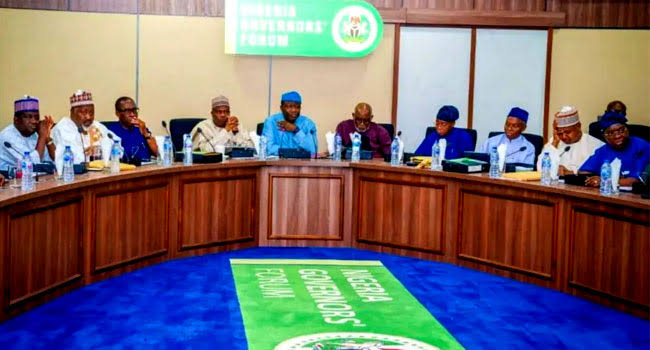
SERAP has sued state governors and FCT Minister Nyesom Wike, demanding public disclosure of how over ₦400bn in annual security votes has been spent since May 2023.
Why It Matters:
This lawsuit challenges one of Nigeria’s most opaque fiscal practices, security votes, which governors routinely spend without accountability or oversight. With insecurity worsening nationwide despite massive allocations, citizens have a legitimate right to know whether these funds are genuinely being used for security or diverted for personal enrichment. The case tests whether courts will enforce transparency in public spending and whether the constitutional right to information can penetrate the secrecy surrounding security budgets. A favourable ruling could set a precedent for fiscal accountability across all tiers of government.
3. Abure Vows Appeal After Court Recognises Nenadi Usman as LP Chair
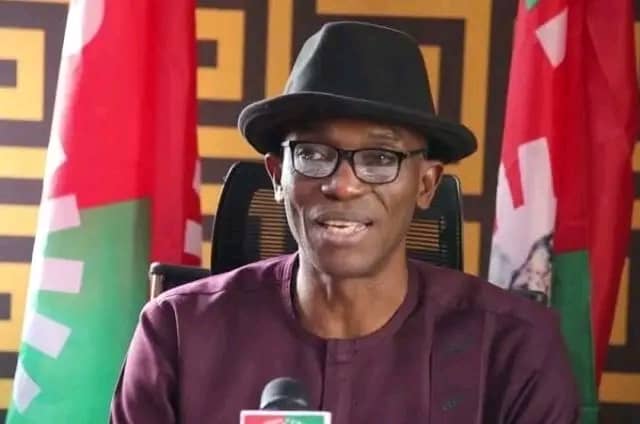
Labour Party’s crisis deepened as National Chairman Julius Abure rejected a Federal High Court ruling recognising Senator Nenadi Usman’s caretaker committee, vowing to appeal the decision.
Why It Matters:
The Labour Party’s leadership battle illustrates how internal democracy failures can cripple opposition parties at critical moments. With the 2027 elections approaching, this protracted legal conflict diverts energy from mobilisation and policy development, potentially rendering the party irrelevant. The dispute also raises questions about judicial consistency, whilst the Supreme Court ruled courts lack jurisdiction over party leadership, a Federal High Court has now appointed interim leaders. This contradiction creates legal uncertainty and suggests that Nigeria’s third-force political movements remain structurally fragile and vulnerable to elite capture.
READ ALSO: Nigeria’s Democracy Under Strain: Repression Claims, Rivers Crisis, 2027 Jitters
4. Ohaneze Youth Council Warns APC’s ₦30m Form Fees Threaten Youth Participation

The Ohanaeze Youth Council condemned APC’s ₦30m nomination fees for Ebonyi local government elections, warning it will exclude youths and encourage future embezzlement by winners.
Why It Matters:
Prohibitive nomination fees effectively create a political oligarchy where only the wealthy or those willing to corrupt themselves can contest elections. This directly contradicts the “Not Too Young To Run” legislation and entrenches a system where public office becomes an investment requiring financial returns. If aspirants must pay ₦30m for local government positions, they will inevitably seek to recoup these costs through corruption once in office. This vicious cycle perpetuates poor governance, marginalises qualified but economically disadvantaged candidates, and transforms democracy into a marketplace accessible only to the elite.
5. 2027: Atiku Accuses Senate of Stalling Electoral Amendment, Warns Election at Risk
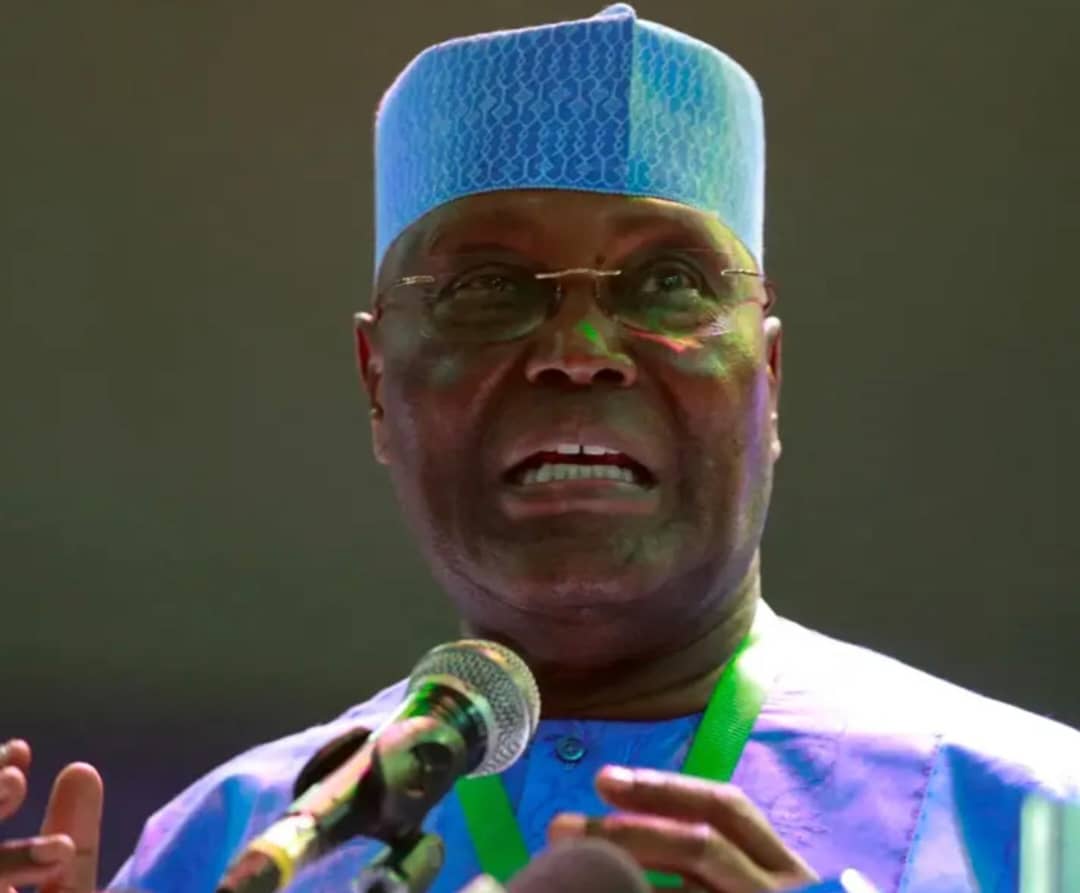
Former Vice President Atiku Abubakar accused the Senate of deliberately frustrating Electoral Act amendments, warning that failure to reform the law threatens the credibility of 2027 elections.
Why It Matters:
Electoral reform is fundamental to improving Nigeria’s democratic processes, yet legislative inertia threatens to perpetuate the flaws that marred the 2023 polls. Atiku’s accusation suggests that those who benefited from electoral loopholes are now blocking reforms that would close those gaps. If the Senate fails to pass amendments before 2027, it suggests a deliberate effort to maintain a defective system that favours incumbents and undermines electoral justice. This would further erode public confidence in elections and strengthen perceptions that Nigeria’s democracy is rigged before voting even begins.
6. I’m Comfortable In PDP, Makinde Declares After Tinubu Meeting
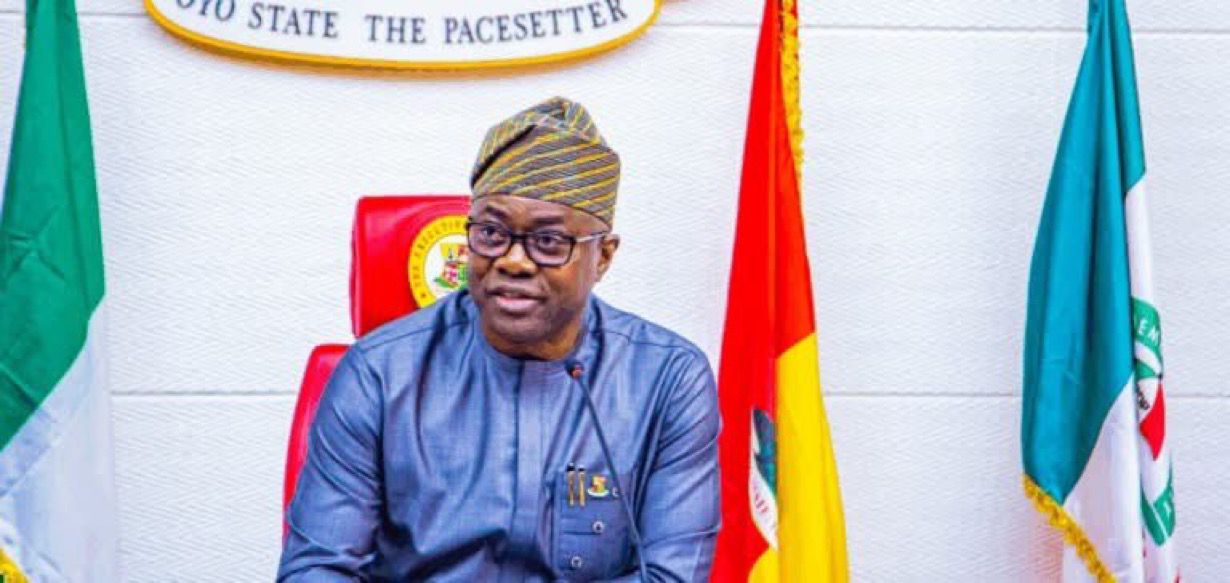
Oyo State Governor Seyi Makinde firmly ruled out defecting to the APC after meeting President Tinubu, declaring his comfort and loyalty to the PDP.
Why It Matters:
Makinde’s declaration provides a rare anchor of stability for the opposition PDP amidst a haemorrhage of governors to the ruling APC. His decision to remain indicates that not all opposition figures can be lured by federal patronage or intimidated by political pressure. However, his meeting with Tinubu also illustrates the complexity of Nigeria’s federal system, where opposition governors must maintain working relationships with the federal government to access resources and support for their states. Makinde’s position could galvanise remaining PDP members or expose him to increased pressure as 2027 approaches.
Conclusion
This week’s political developments reveal a nation at a crossroads. Insecurity continues to claim lives whilst billions allocated for security remain unaccounted for.
Political parties are consumed by internal battles that distract from real governance challenges.
Electoral reforms face deliberate obstruction, youth participation is priced out of reach, and opposition parties bleed membership to the ruling coalition.
Yet amidst these challenges, there are signs of resilience: civil society organisations are demanding accountability through the courts, some leaders are resisting the pull of political expediency, and debates about electoral credibility remain alive.
Whether Nigeria can channel this energy into meaningful reform before 2027, or whether these contradictions will further deepen democratic deficits, remains the defining question of this political moment.
What is clear is that business as usual is no longer sustainable, and the choices made in the coming months will shape Nigeria’s democratic trajectory for years to come.