
Nigeria’s political landscape this week revealed deepening fissures in its democratic foundations, as allegations of government repression, electoral anxieties and institutional crises dominated national discourse.
From former Vice President Atiku Abubakar’s explosive accusations that the Tinubu administration is weaponising state power against critics, to warnings from opposition figures that defeating incumbency will require more than legal battles, the week underscored growing concerns about civil liberties and democratic backsliding.
Meanwhile, the African Democratic Congress emerged as both critic and subject of political commentary, condemning the government’s spending priorities whilst facing internal pressure to consolidate around Peter Obi’s candidacy.
In Rivers State, a constitutional standoff between the governor and state legislature moved from the assembly floor to the courtroom, illustrating how Nigeria’s democratic institutions increasingly function as battlegrounds rather than deliberative spaces.
Together, these stories paint a portrait of a nation grappling with fundamental questions about freedom, governance and the health of its democracy as the 2027 elections approach.
1. Atiku Demands Release of Detained Critic, Condemns Crackdown on Dissent
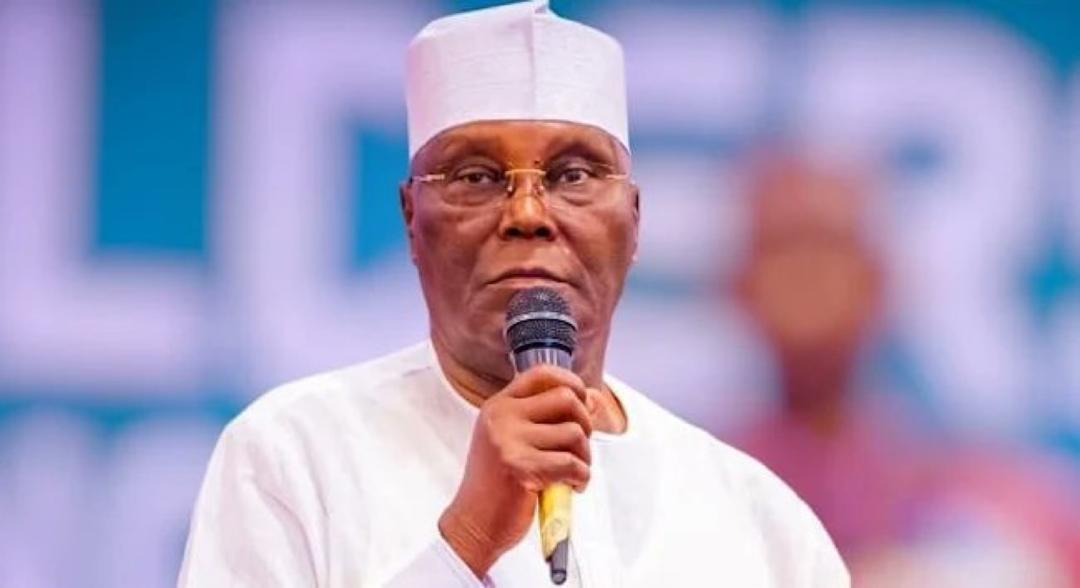
Former Vice President Atiku Abubakar has demanded the immediate release of Abubakar Salim Musa, arrested for criticising insecurity in Northern Nigeria. Following an Amnesty International report, Atiku accused President Tinubu’s administration of systematic repression against journalists, students and citizens exercising constitutional rights, calling the charges “bogus” and urging international accountability.
Why it Matters:
The arrest of citizens for criticising government failures represents a dangerous precedent that threatens free speech. When security concerns are met with detention rather than action, it suggests an administration prioritising control over accountability. These aren’t isolated incidents but a troubling pattern requiring urgent attention before the 2027 elections, when open debate becomes essential.
2. Fayose: ADC Faces Political Irrelevance Without Peter Obi

Former Ekiti Governor Ayo Fayose warned that the African Democratic Congress risks political extinction in 2027 unless it fields Peter Obi as presidential candidate. He dismissed other ADC figures as “spent forces,” arguing Obi alone gives the party traction and relevance among voters.
Why it Matters:
Fayose’s assessment reveals how Nigeria’s opposition remains personality-driven rather than institutionally grounded. This dependency creates vulnerability, parties become temporary vehicles rather than sustainable movements. Whilst Obi commands genuine support, particularly among younger Nigerians, building democracy requires parties with identities beyond individual celebrities, ensuring continuity regardless of who leads.
READ ALSO: A Republic Under Strain: Terror, Trials, and Turmoil Define Nigeria’s Unruly Week
3. ADC Condemns $9 Million US Lobbying Contract as Misplaced Priority

The African Democratic Congress criticised the federal government’s $9 million contract with American lobbying firm DCI Group to promote its efforts protecting Christians in Nigeria. The ADC called it unconscionable whilst millions cannot afford food, fuel or healthcare, describing it as diplomatic failure given vacant ambassadorial positions.
Why it Matters:
Spending $9 million on American public relations whilst Nigerians face hunger and insecurity reveals the government’s staggering disconnection from citizens’ realities. The currently vacant ambassadorial posts compound the narrative of diplomatic incompetence, suggesting a government more invested in short-term propaganda than building lasting international credibility through substantive policy.. This sum could fund healthcare centres, security equipment or food relief, making the choice to hire foreign lobbyists instead genuinely difficult to justify to struggling families.
4. Datti Baba-Ahmed: Defeating Tinubu Requires “Red Eye,” Not Just Courts
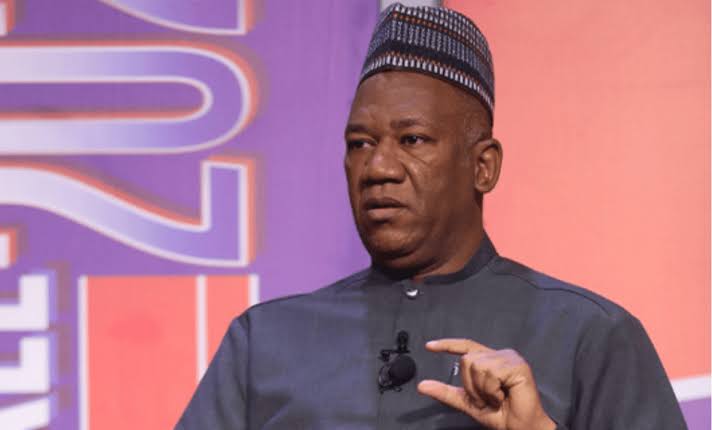
Labour Party’s Datti Baba-Ahmed urged opposition forces to embrace confrontational tactics beyond legal challenges, arguing courts cannot deliver victory. Drawing comparisons to the June 12 struggle, he called for “red eye” determination, claiming those declaring “fake results” are criminals whilst those stopping them are good citizens.
Why it Matters:
Baba-Ahmed articulates widespread frustration with judicial processes perceived as unable to deliver justice. Whilst this frustration is understandable given past experiences, calls for confrontation risk violence and democratic breakdown. The real solution requires electoral reform and independent institutions, not street battles. Citizens deserve credible elections without choosing between futile courts and dangerous confrontations.
5. ADC Condemns President Tinubu’s Absence on Armed Forces Remembrance Day
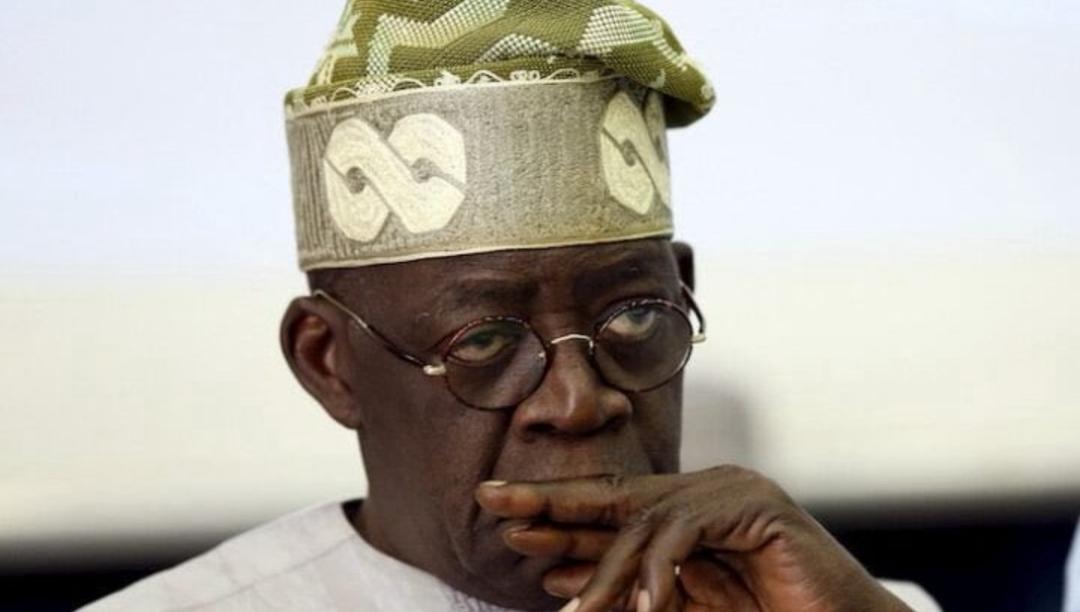
The African Democratic Congress criticised President Tinubu’s absence during Armed Forces Remembrance Day on 15 January, arguing the Commander-in-Chief’s presence is essential when soldiers battle insurgency and banditry across multiple fronts. The party insisted genuine remembrance requires leadership demonstrating respect and responsibility.
Why it Matters:
Military personnel and their families deserve acknowledgement from the president who commands their deployments. Tinubu’s absence for the second consecutive year becomes particularly troubling given Nigeria’s dire security situation. Ceremonial duties matter because they signal whether leadership takes responsibility for decisions costing lives. Unexplained absences fuel questions about commitment and capacity during national crisis.
6. Court Halts Impeachment Process Against Rivers Governor Fubara
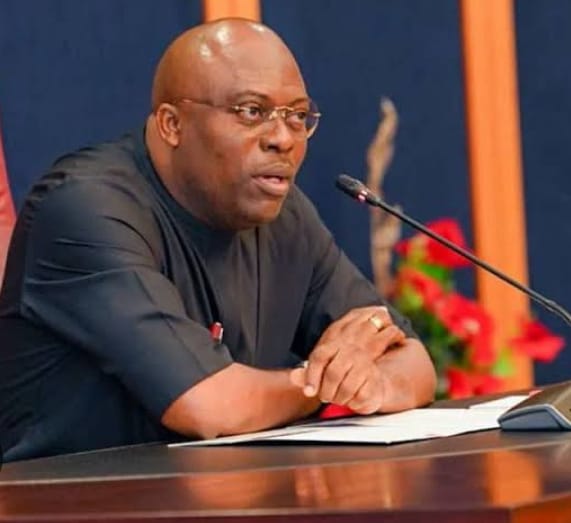
A Rivers State High Court temporarily suspended impeachment proceedings against Governor Fubara and his deputy following their emergency applications. Justice Fiberesima barred the Speaker, assembly and Chief Judge from advancing the process for seven days. This followed the assembly’s resolution to investigate gross misconduct allegations.
Why it Matters:
The Rivers crisis shows impeachment being wielded as a political weapon rather than genuine accountability. Citizens need governors focused on governance, not survival. The involvement of federal actors and rapid court intervention suggest this transcends local democratic processes. Rivers residents deserve leaders competing over ideas and performance, not engaging in destructive power struggles.
Conclusion
This week’s developments reveal a Nigeria where democratic guardrails are being tested from multiple directions simultaneously.
The Tinubu administration faces mounting accusations of authoritarianism and misplaced priorities, while an opposition increasingly divided between institutional engagement and radical confrontation struggles to present a coherent alternative.
The Rivers crisis exemplifies how easily state institutions can become instruments of political vendetta rather than governance.
As 2027 approaches, the central question is not merely who will win, but whether the democratic framework itself will survive the contest.
Without a recommitment to dialogue, institutional integrity, and genuine responsiveness to citizen welfare, Nigeria risks sleepwalking into a legitimacy crisis from which recovery may prove far more difficult than any election.