
Nigeria’s political landscape entered a particularly turbulent stretch this week, with stories that, taken together, paint a portrait of a democracy still wrestling with its own contradictions.
The Indigenous People of Biafra surprised many by permanently ending its Monday sit-at-home directive that had crippled the South-East for over four years, offering the region a rare opportunity for economic recovery.
Meanwhile, former Kaduna governor Nasir El-Rufai’s confrontation with security operatives at the Abuja airport over an alleged warrantless arrest attempt thrust questions of executive overreach and rule of law back into the national conversation.
On the electoral front, INEC presented a nearly one-trillion-naira funding request for 2027, while the Senate’s handling of electronic result transmission continued to generate confusion and suspicion about the legislature’s commitment to transparent elections.
And in the Labour Party, the leadership crisis deepened further as ousted chairman Julius Abure refused to surrender the party’s secretariat despite a court ruling and INEC recognition favouring his rival.
Together, these developments painted a picture of a nation where institutional integrity, democratic norms, and political accountability remain fiercely contested territory.
1. IPOB Orders Permanent End To South-East Monday Sit-At-Home
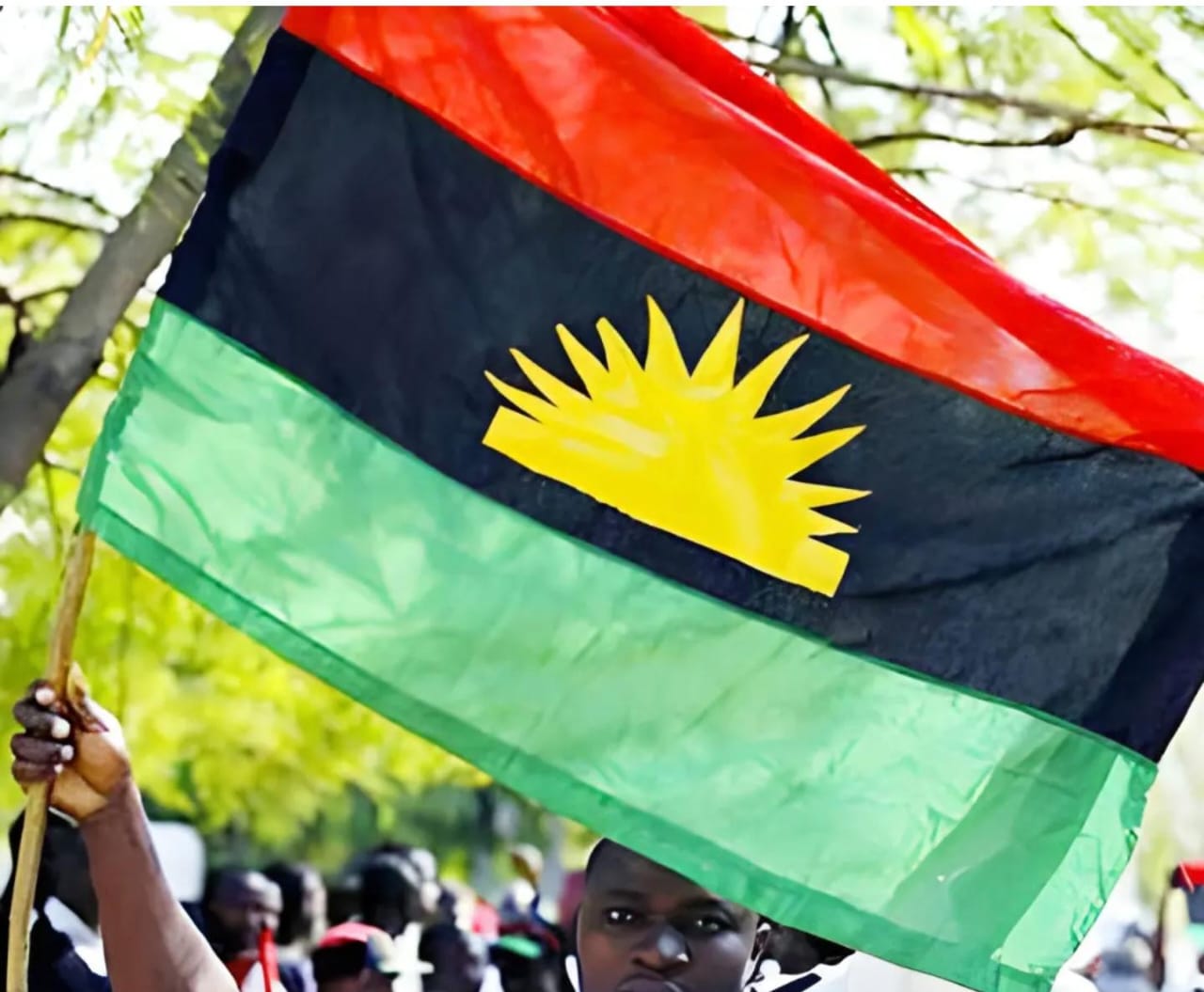
After nearly five years of weekly shutdowns that cost the South-East billions in lost economic activity, IPOB’s Nnamdi Kanu ordered a permanent end to the Monday sit-at-home directive, effective February 9, with residents urged to resume normal life immediately.
Why It Matters:
The sit-at-home order crippled the South-East economy for over four years, shutting down schools, markets, and transport services every Monday. Its cancellation offers the region a genuine chance at economic recovery. However, the real test lies in enforcement, whether criminal elements who exploited the directive to extort and intimidate will comply, and whether residents will feel safe enough to fully resume normal life.
2. El-Rufai Condemns Airport Arrest Attempt, Says Nigeria Must Outgrow Executive Overreach
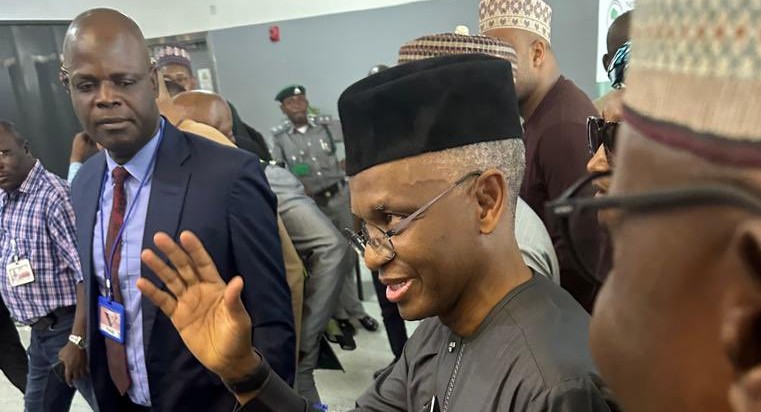
Former Kaduna Governor Nasir El-Rufai condemned an alleged attempt by security operatives to arrest him without a warrant at Abuja airport upon his return from Egypt. His passport was reportedly seized.
Why It Matters:
The incident raises troubling questions about due process and the conduct of security agencies toward opposition figures or even ordinary citizens. Attempting an arrest without warrant, undermines public confidence in law enforcement impartiality and fuels perceptions that state security apparatus is being weaponised against political opponents under the current administration.
3. INEC Proposes ₦873.78bn To Conduct 2027 Elections, ₦171bn For 2026

INEC Chairman, Prof. Joash Amupitan, told lawmakers it needs ₦873.78 billion for the 2027 general elections, nearly triple the amount released for 2023. An additional ₦171 billion is requested for 2026 operations.
Why It Matters:
The sheer scale of the figure demands scrutiny. Elections in Nigeria have historically been expensive, but a near-tripling of costs in four years requires transparent justification. The risk is twofold: underfunding INEC could compromise the quality of the 2027 polls, but releasing funds without accountability, given how the 2023 elections were conducted, could deepen the culture of electoral spending that benefits insiders more than voters.
READ ALSO: Diplomatic Storms, Domestic Discord: Nigeria’s Week of Reckoning
4. Electoral Act: Senate Approves Electronic Transmission Of Results, Allows Manual Backup
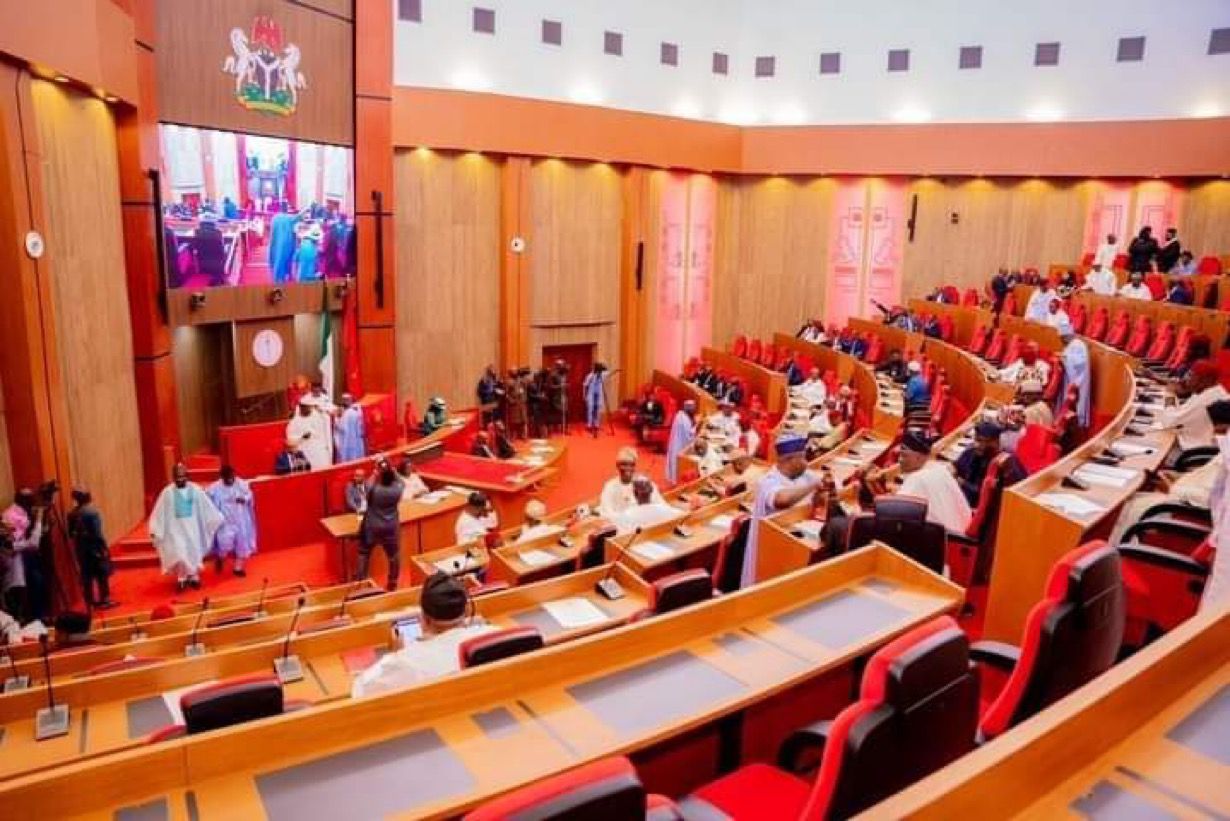
The Senate approved electronic transmission of results to IReV but stopped short of making it compulsory, allowing manual collation as a fallback where technology fails. Real-time upload was rejected.
Why It Matters:
The amendment is a half-step forward that may end up being a full step back. By allowing manual results to override electronic transmission has alarmed transparency advocates. Critics argue that the manual fallback creates a loophole that could be exploited in areas with deliberately poor network infrastructure. With 2027 approaching, the Senate’s position will shape whether Nigerians trust the electoral process or view it as structurally designed to accommodate manipulation.
5. LP Crisis Deepens As Abure Vows Not To Relinquish Secretariat
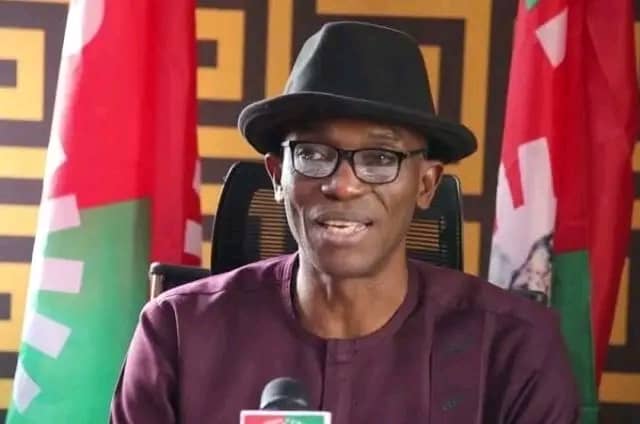
Ousted Labour Party chairman Julius Abure has refused to surrender the party’s national secretariat to Senator Nenadi Usman’s interim leadership, despite her recognition by INEC and a court ruling.
Why It Matters:
The Labour Party’s implosion continues to undermine the credibility of Nigeria’s opposition landscape barely a year before general elections. LP was the vehicle that nearly upended Nigeria’s two-party dominance in 2023, largely on the back of youth enthusiasm. Every day this crisis drags on, that momentum bleeds away. If the party cannot resolve a dispute over who controls a building, it is difficult to see how it positions itself as a credible alternative ahead of 2027.
Conclusion
This week’s events exposed the fragile state of Nigeria’s democratic institutions from multiple angles. The IPOB sit-at-home cancellation offered a glimpse of what is possible when political actors choose de-escalation, but the El-Rufai airport incident demonstrated how quickly the rule of law can be undermined when security agencies operate without transparency.
The Senate’s electoral transmission compromise satisfied neither those demanding full electronic accountability nor those seeking to preserve the status quo, leaving the 2027 electoral framework in an uncomfortable grey zone.
INEC’s trillion-naira funding request put a price tag on democracy, but without corresponding institutional reforms, money alone cannot guarantee credible elections.
And the Labour Party’s leadership war served as a cautionary tale of what happens when internal governance collapses, a party that once carried the hopes of millions of voters now struggles to determine who controls its own office building.
As Nigeria moves deeper into the 2027 electoral cycle, the central question remains unchanged: whether the country’s institutions are strong enough to withstand the pressures being placed upon them, or whether political interests will continue to bend them to breaking point.