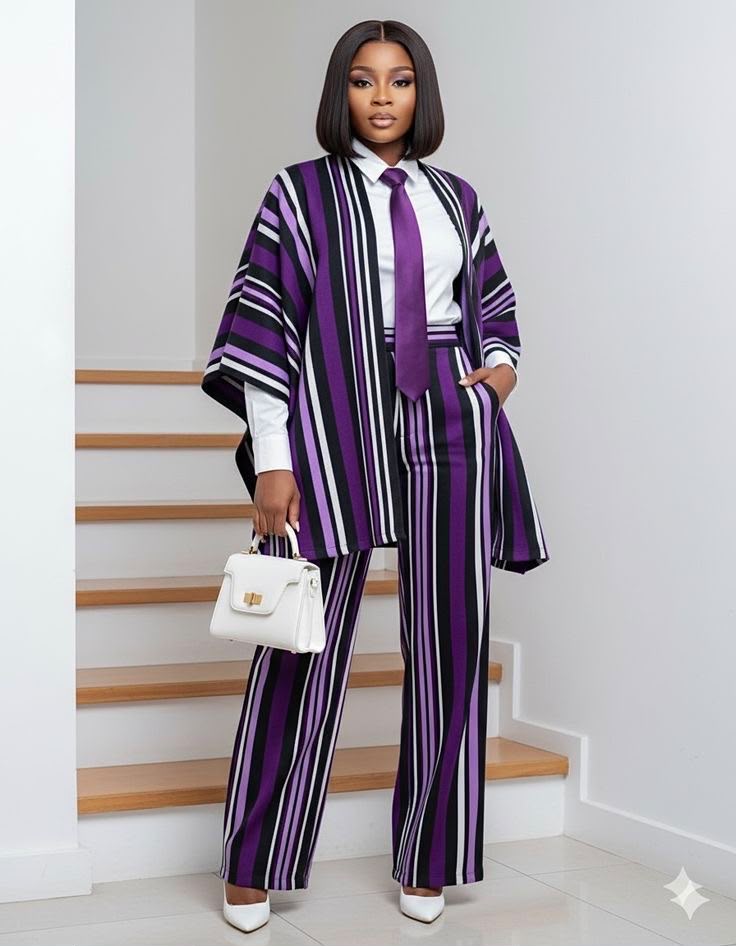
In an industry where trends often disappear as quickly as they emerge, Aso-Oke has achieved a rare feat remaining relevant across generations while continuously reinventing itself. Once regarded primarily as ceremonial attire, the iconic handwoven fabric has evolved into one of the defining symbols of contemporary Nigerian fashion, proving that heritage and innovation can thrive side by side.
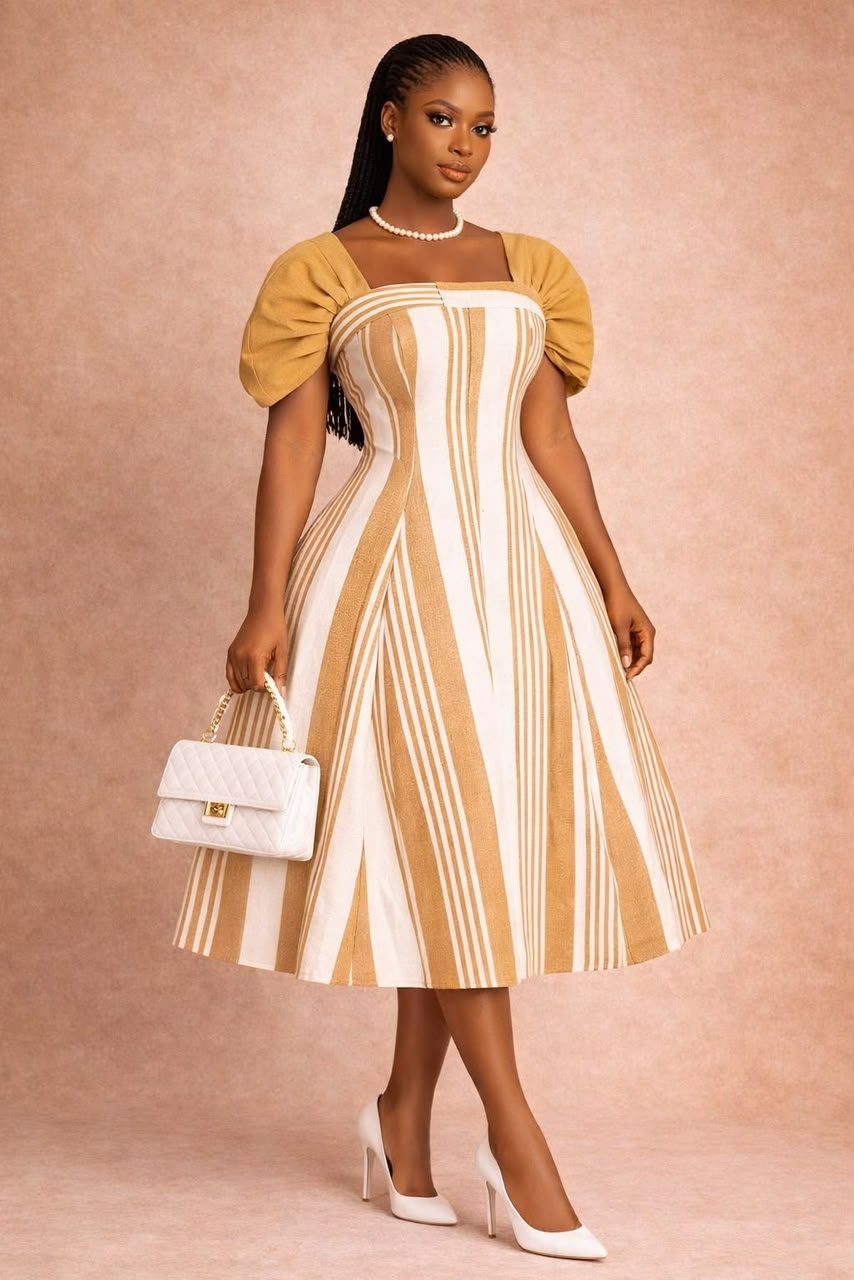
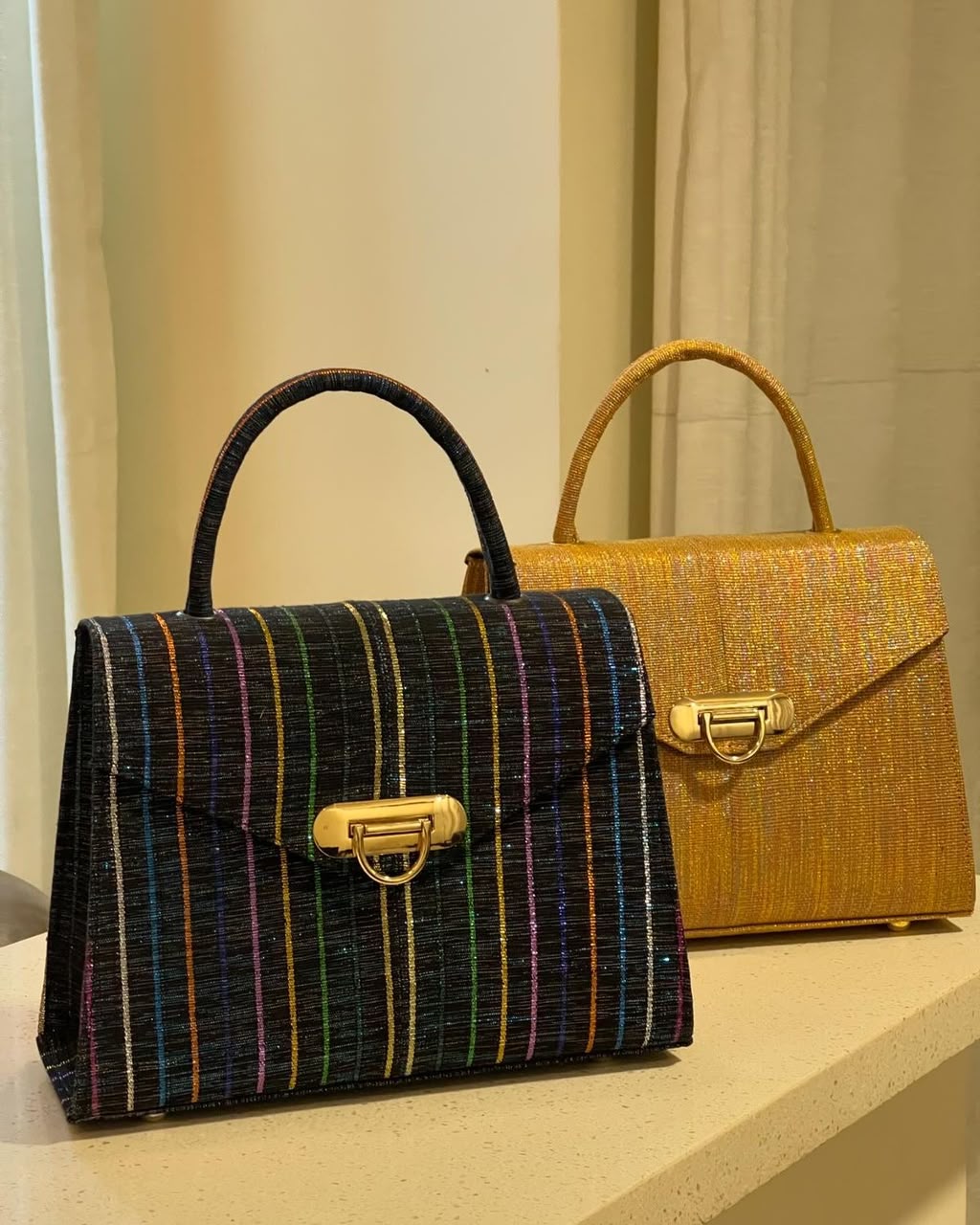
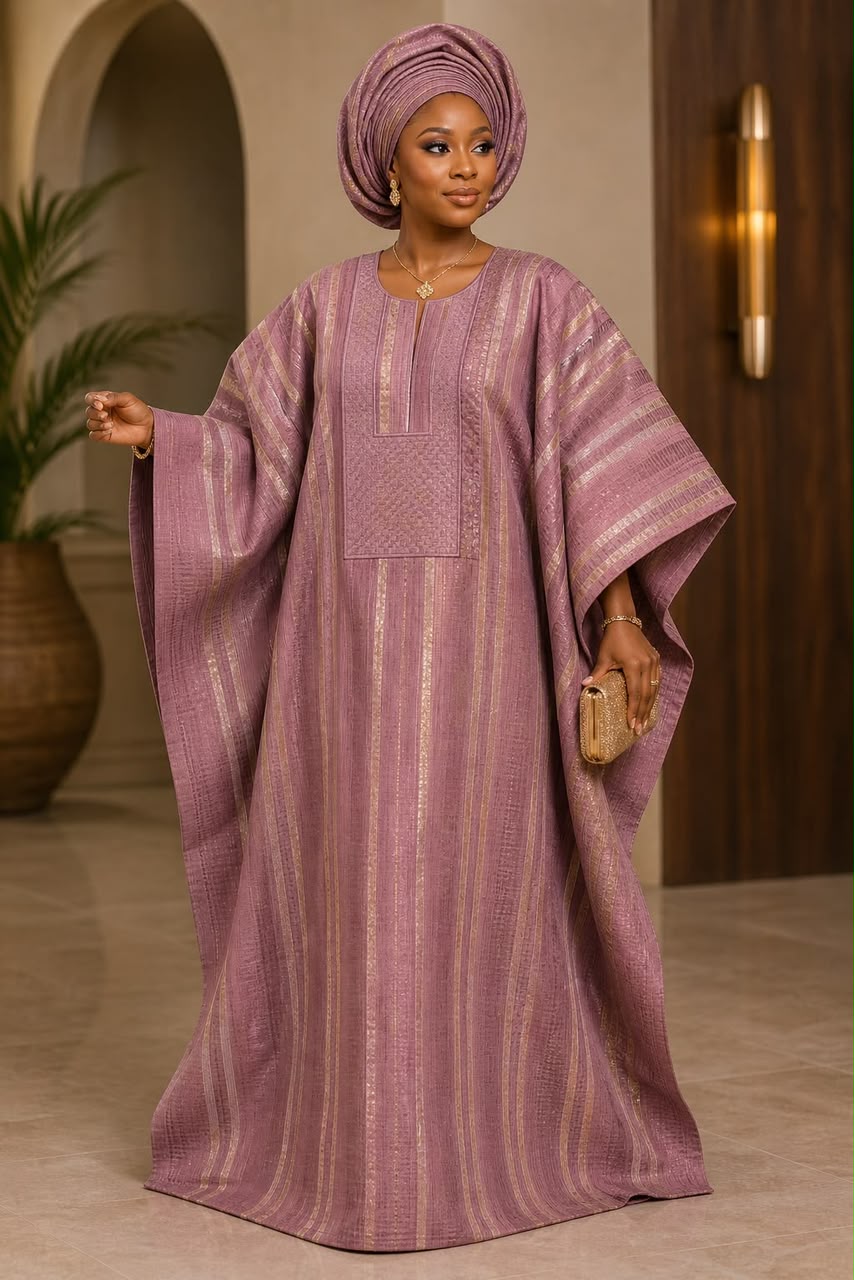
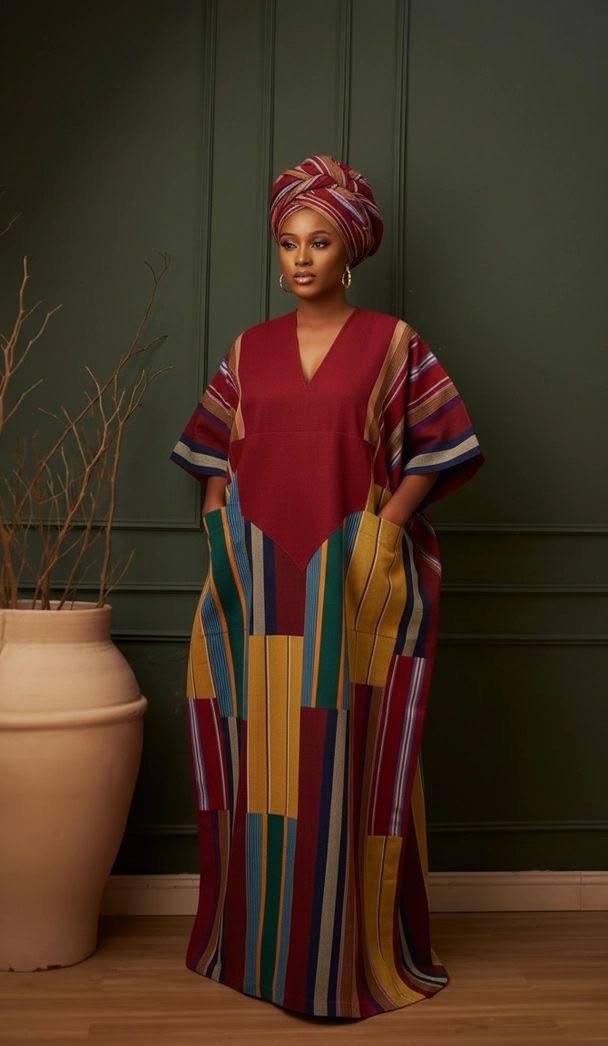
Traditionally associated with weddings, coronations, and other cultural celebrations, Aso-Oke has undergone a remarkable transformation. Today, it extends far beyond agbadas, iro and buba, and gele. Designers are incorporating the fabric into structured blazers, corsets, dresses, handbags, footwear, jackets, bucket hats, and accessories that appeal to a younger, style-conscious audience seeking originality without abandoning their roots.
The fabric’s resurgence reflects a broader cultural movement. Across Nigeria, there is a growing appreciation for locally produced textiles and craftsmanship as consumers increasingly embrace fashion that tells an authentic African story. Rather than viewing traditional fabrics as outdated, many young people now see them as expressions of identity, creativity, and pride.
Social media has amplified this evolution. Every weekend, platforms such as Instagram and TikTok are filled with wedding guests showcasing intricately styled Aso-Ebi ensembles featuring vibrant Aso-Oke. Celebrity stylists, fashion influencers, and designers have transformed the fabric into a digital fashion phenomenon, inspiring countless interpretations that blend tradition with contemporary aesthetics.
The rise of bespoke fashion has further cemented Aso-Oke’s place in modern wardrobes. Designers are no longer limiting the fabric to occasion wear; instead, they are creating pieces suitable for business events, brunches, evening gatherings, and even everyday fashion. This versatility has allowed Aso-Oke to remain relevant in an increasingly fast-moving industry where adaptability often determines longevity.
READ ALSO: Met Gala Unveils 2026 Theme As Fashion Takes Center Stage
Beyond the domestic market, Aso-Oke is steadily gaining international recognition. Nigerian designers continue to feature the fabric at global fashion weeks, exhibitions, and cultural showcases, introducing international audiences to the richness of African textile craftsmanship. Its intricate patterns, bold colours, and handcrafted quality have positioned it as more than a cultural fabric it is increasingly viewed as a luxury textile with global appeal.
In a fashion landscape driven by constant change, Aso-Oke remains a rare constant. It is no longer simply a fabric reserved for special occasions but a powerful statement of identity that continues to inspire designers, captivate consumers, and redefine the future of Nigerian fashion.
Here are some stylish ways Aso-Oke is being reimagined by designers, showcasing the fabric’s versatility beyond traditional wear.