
Nigeria’s week was shaped by sobering security revelations, significant legal victories, allegations of political persecution, and a budget controversy that exposed troubling gaps in governance oversight.
The judiciary took centre stage as a Federal High Court in Abuja affirmed David Mark’s chairmanship of the African Democratic Congress (ADC), handing the opposition party a crucial legal victory.
Yet, even as the ADC consolidated internally, former Vice President Atiku Abubakar raised the alarm over an alleged plot to keep the party off the 2027 ballot.
Beyond the political trenches, a chilling six-year report by the Observatory for Religious Freedom in Africa put Nigeria’s security failures in stark relief: 79,323 killed, 34,773 abducted.
And in the corridors of power, a ₦1.3 billion budgetary allocation to a council the Presidency insists does not exist, alongside Atiku’s demand that Chief of Staff Femi Gbajabiamila be suspended over a ₦400 million bribery allegation, has raised troubling questions about transparency in the 2026 budget.
Together, these stories sketch a country where the battles for power, accountability and survival are being fought simultaneously.
1. Court Dismisses Abejide Suit, Affirms Mark As ADC National Chairman
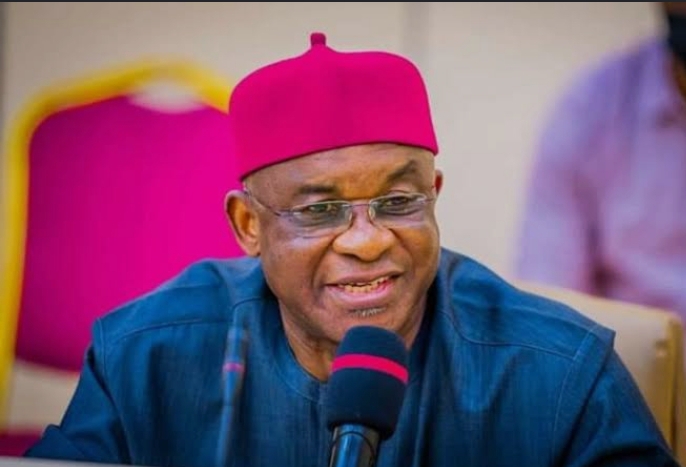
A Federal High Court in Abuja dismissed Rep. Leke Abejide’s suit challenging ADC’s leadership, affirming David Mark as National Chairman and Rauf Aregbesola as Secretary, awarding significant costs against the plaintiff.
Why it Matters:
The ruling settles a festering leadership question and hands the ADC judicial legitimacy at a critical moment in its 2027 preparations. By declaring party leadership disputes non-justiciable, the court reinforced the doctrine of internal party autonomy, a precedent that may shield parties from litigation but also limit aggrieved members’ recourse.
2. Atiku Alleges Plot To Exclude ADC From 2027 Election
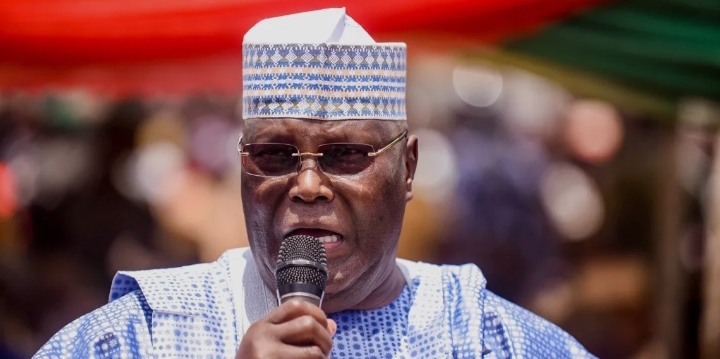
Atiku Abubakar alleged that legal, administrative and political strategies were being deployed to prevent the ADC from participating in the 2027 elections, warning that such actions would undermine Nigeria’s democratic process.
Why it Matters:
Atiku’s allegations, made without specific evidence of government direction, reflect a broader pattern: every major opposition platform is under legal pressure. LP battled internal crises, the PDP remains factionally divided, the ADC faced prolonged leadership disputes, and the NDC’s registration was recently nullified. Whether coincidental or not, the cumulative effect is that. Nigeria’s democratic credibility depends not only on free elections but also on the perception that every qualified political party can compete fairly. The coming months will test the independence of INEC, the judiciary and other democratic institutions.
3. Report: 79,323 Killed, 34,773 Civilians Abducted In Six Years
An ORFA study revealed 79,323 terror-related deaths and 34,773 abductions between 2020 and 2025, attributing 44 per cent of civilian killings to “Fulani Terror Groups,” challenging Boko Haram-centred narratives.
READ ALSO: Billions, Bullets, And Broken Parties: Nigeria’s Week Of Political Strain
Why it Matters:
The report reframes Nigeria’s security crisis, suggesting international and domestic attention has been misdirected while deadlier actors operate largely unnamed. This report reframes Nigeria’s entire security conversation. Six years, 79,323 deaths, and an average of 36 people killed daily represent a sustained catastrophe that international frameworks and domestic policy have failed to adequately address. The figures demand a fundamental rethink of how Nigeria defines, measures, and responds to its security crisis.
4. Atiku Urges Tinubu To Suspend Gbajabiamila Over Alleged ₦400m Bribery Scandal
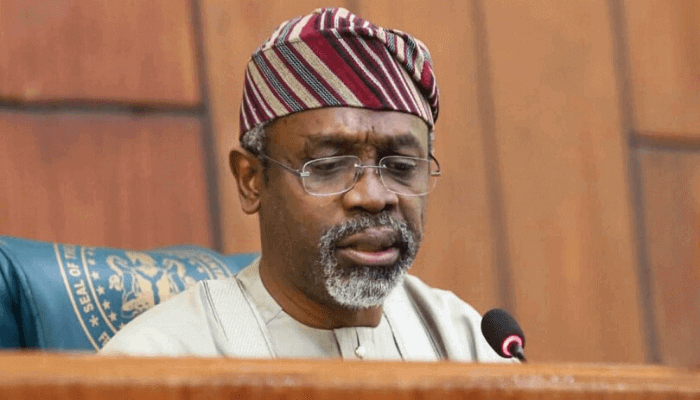
Atiku Abubakar demanded the suspension of Chief of Staff Femi Gbajabiamila pending an independent probe into ₦400 million bribery allegations tied to the contested ₦27.4 billion PFIPC budgetary allocation.
Why it Matters:
The call tests President Tinubu’s anti-corruption credentials at close quarters. Suspending a powerful ally would be politically costly; refusing may cement perceptions of selective accountability. For Atiku, the scandal is electoral ammunition, allowing the ADC to campaign on integrity. The deeper issue of how billions were appropriated to a disputed agency, implicates the entire budget process, not just one official.
5. ₦1.3bn Budget For ‘Non-Existent’ Council Sparks Fresh Questions
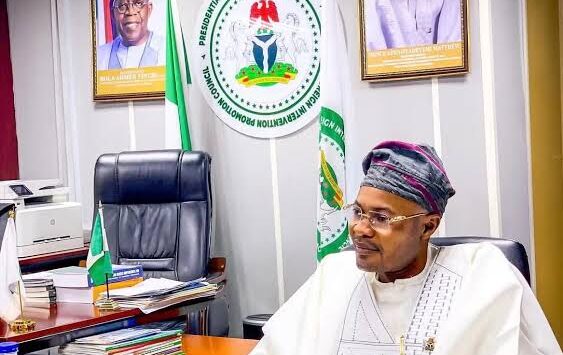
The 2026 Appropriation Act allocated ₦1.3 billion to a presidential council the Presidency has publicly disowned, even as its self-proclaimed Director-General faces forgery charges before a Federal High Court.
Why it Matters:
This is the story’s most damning paradox: a body branded fraudulent by the Presidency nonetheless secured detailed line-item funding, salaries, allowances, summit logistics, in a signed budget. Either the appropriation process is dangerously porous, or official denials are incomplete. Until the Presidency explains the allocation, public confidence in the 2026 budget’s integrity, and in fiscal oversight generally, remains justifiably shaken.
Conclusion
The week’s events converge on a single theme: institutions under strain. The courts demonstrated capacity to resolve political disputes decisively, yet allegations of judicial manipulation and administrative sabotage hang over the road to 2027.
The ORFA report reminds us that while politicians trade accusations in Abuja, ordinary Nigerians in farming settlements bury their dead at a rate the world has scarcely acknowledged.
And the spectacle of a “non-existent” council with a ₦1.3 billion budget line captures, in miniature, the opacity that corrodes public trust.
As the electoral season gathers pace, the burden falls on the judiciary, INEC, the security establishment and the Presidency itself to prove that Nigeria’s democracy is more than a contest of survival among elites, that it can also deliver justice, security and honest government to its people.
The weeks ahead will tell whether that burden is being carried or quietly dropped.