
Nigeria’s week was defined by questions of financial accountability, failures of security, and battles over institutional authority.
In Rivers State, court documents revealed that over ₦302 billion was spent in six months during emergency rule under Ibok-Ete Ibas.
In Jos, terrorists killed scores of people in a Sunday evening attack on Angwan Rukuba, exposing the persistent failure to protect civilians.
Former NNPP leader Rabiu Kwankwaso formally joined the ADC, receiving his membership card in Kano in the presence of David Mark, Peter Obi, Rotimi Amaechi, and other opposition heavyweights.
INEC announced it would no longer recognise either faction of the ADC pending resolution of a leadership dispute in court, effectively freezing the party’s ability to conduct recognized congresses or field candidates for 2027.
Peter Obi criticised President Tinubu for meeting Jos attack victims at the airport rather than visiting affected communities, calling for more compassionate leadership.
And the ADC fired back at INEC Chairman Joash Amupitan, accusing him of legal misrepresentation and vowing to proceed with its convention despite INEC’s warnings.
Together, these developments sketch a political landscape defined by institutional strain, fragile opposition alliances, and a citizenry increasingly alert to the conduct of power.
1. Ibas Spent ₦302bn In Six Months During Emergency Rule — Rivers Govt

Rivers State disclosed spending over ₦302 billion during emergency rule under Ibok-Ete Ibas, with records presented in court following SERAP’s Freedom of Information suit.
Why it Matters:
Spending of this magnitude under unelected administration of about ₦302 billion in six months is staggering, and raising serious questions about fiscal accountability when democratic oversight is suspended. To ensure total accountability, authorities and relevant anti-graft agencies must ensure that every Kobo spent is accounted for and anyone culpable for infractions is prosecuted.
2. Terrorists Kill Scores, Injure Others in Jos Attack

Terrorists attacked Angwan Rukuba in Jos on Sunday evening, killing scores and injuring many. Gunmen on motorcycles opened fire near a private school while residents gathered at a junction.
Why it Matters:
This attack clearly shows yet another failure to protect Plateau communities despite years of presidential assurances, military deployments, and surveillance promises. If gunmen can still attack a populated area on a Sunday evening and kill scores of people in Jos, a city that has been a flashpoint for violence for over two decades, then no Nigerian city is safe.
3. NNPP Heavyweight Kwankwaso Formally Joins ADC
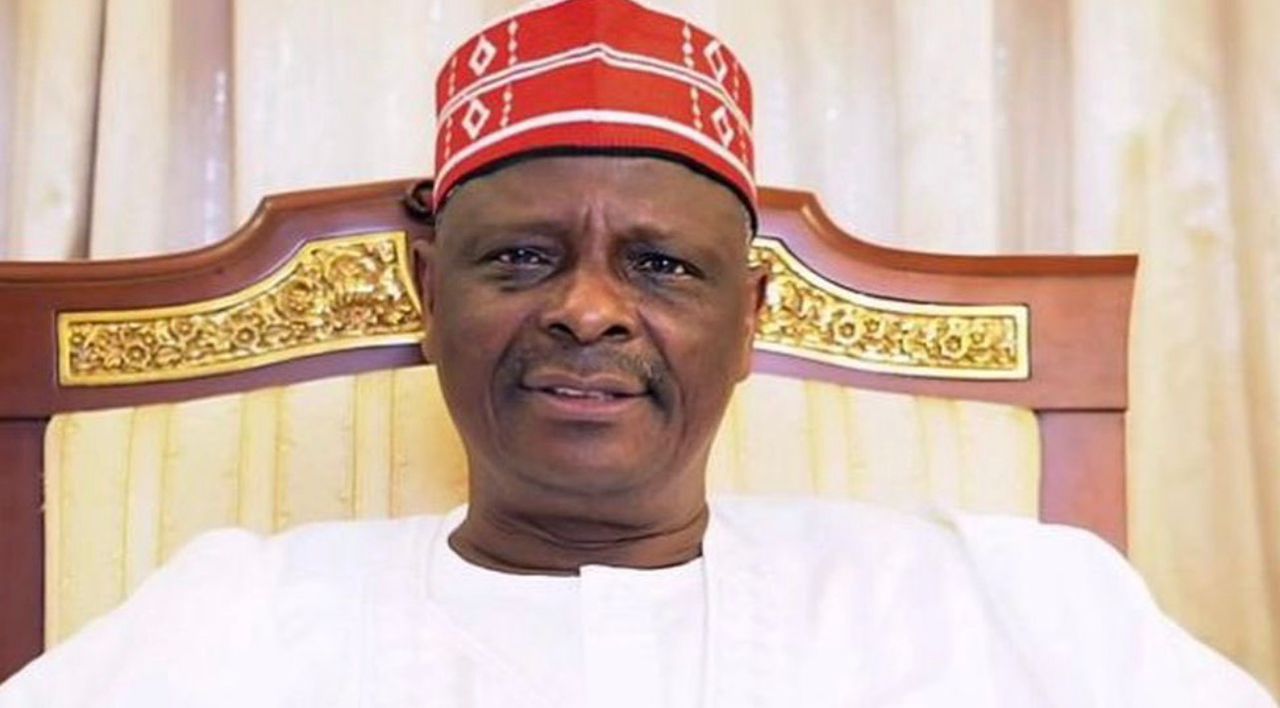
Rabiu Kwankwaso formally joined the ADC on Monday, receiving his membership card in Kano. The ceremony was attended by David Mark, Peter Obi, Rotimi Amaechi, Aminu Tambuwal, and other opposition figures, signaling a consolidation of forces ahead of 2027.
Why it Matters:
Kwankwaso’s defection represents a major shift in northern politics and significantly strengthens the ADC ahead of 2027. His ability to mobilise voters in Kano and across the North-west makes him a valuable addition to an opposition coalition seeking to challenge APC dominance,combined with the coalition of Mark, Obi, Amaechi, and Atiku. However, Kwankwaso’s arrival coincides with INEC’s derecognition of ADC leadership, potentially complicating the party’s ability to capitalise on his defection through recognised congresses and candidate nominations.
READ ALSO: Security Gaps, Political Rifts and Party Crises : A Nation Under Strain
4. 2027: INEC Withdraws Recognition Of ADC Factions, Throws Opposition Plans Into Chaos

INEC announced it will no longer recognise or engage with either faction of the ADC pending resolution of a leadership dispute in court. The commission will remove David Mark’s name from its portal and stop monitoring congresses or conventions until the matter is resolved.
Why it Matters:
INEC’s decision effectively paralyses the ADC at a critical moment when it was consolidating opposition forces ahead of 2027. The timing, immediately after Kwankwaso’s high-profile defection, fuels suspicions that regulatory caution is being weaponised to suppress opposition organizing. Whether INEC is acting neutrally or strategically, the outcome is the same: the main opposition platform is paralysed at the most critical moment. The precedent is troubling: internal party disputes could become tools for sidelining challengers and hand 2027 to the APC without a fight.
5. Plateau Killings: Obi Blasts Tinubu Over Airport Meeting With Victims

Peter Obi criticised President Tinubu for meeting Jos attack victims at the airport rather than visiting affected communities. Obi called for empathy, physical presence, and direct engagement, saying “Plateau deserves more than distant words; it requires urgent action and a clear commitment to ending insecurity.”
Why it Matters:
Obi’s criticism mirrors widespread frustration that political elites treat mass casualties as photo opportunities rather than human tragedies requiring genuine engagement. Tinubu’s airport visit echoes his June 2025 trip to Benue, where he also did not visit affected communities, which suggests either poor political judgment, a calculated decision to maintain distance or plain insensitivity. For victims who lost loved ones, being addressed from an airport terminal rather than having the president witness their destroyed homes and communities feels like a second abandonment. Citizens increasingly expect not only policy responses but visible empathy. When leaders appear distant, it can deepen feelings of neglect among affected populations.
6. ADC Accuses INEC Chairman Of Legal Misrepresentation, Vows To Hold Convention

The ADC accused INEC Chairman Joash Amupitan of misrepresenting legal principles and vowed to proceed with its convention despite INEC’s warning. The party said INEC’s interpretation of the Court of Appeal’s preservation order is “selective and legally flawed” and that its right to organise is constitutionally guaranteed.
Why it Matters:
This is a direct institutional confrontation. The ADC is calling INEC’s bluff and daring the commission to enforce its directive. If the ADC holds its convention and INEC refuses to recognise it, the party will likely go back to court. If the ADC backs down, it loses credibility and momentum. Either way, the legal battle will continue, and the 2027 election will be shaped by who wins this fight.
Conclusion
This week’s developments reveal a polity navigating uncertainty on multiple fronts. From the management of public funds under emergency conditions to the fragility of opposition coalitions and the persistence of insecurity, Nigeria’s democratic project remains a work in progress.
The tensions between institutions, courts, electoral bodies, political parties, and the expectations of citizens are becoming more pronounced.
As 2027 approaches, the central question is no longer simply who will win power, but whether the structures that produce that outcome can command trust, legitimacy, and stability in an increasingly contested political space.