
Nigeria’s political and economic landscape became increasingly intertwined this week as questions over borrowing, presidential authority, electoral strategy and insecurity competed for national attention.
The Federal Government confirmed it was negotiating three fresh World Bank loans worth a combined $1.5 billion, pushing Nigeria’s public debt to a record ₦166.79 trillion.
FCT Minister Nyesom Wike staked his cabinet position on a promise to resign if he fails to deliver both the FCT and Rivers State to President Tinubu in 2027.
The President himself returned from a four-week European working vacation that triggered national debate over whether constitutional procedure for transferring presidential powers had been followed.
In Borno, suspected Boko Haram terrorists killed 15 farmers and firewood gatherers who had done nothing more dangerous than go to work.
And Senate President Godswill Akpabio, opening a new legislative session, warned politicians that no election victory is worth a Nigerian life.
1. FG Seeks Fresh $1.5bn World Bank Loans As Debt Hits ₦166.79tn

The Federal Government is negotiating three fresh World Bank loans totalling $1.5bn for climate resilience, social protection and childhood development, as Nigeria’s public debt now climbs to a record ₦166.79tn.
Why it Matters:
Nigeria’s debt trajectory raises urgent questions about sustainability, particularly when new borrowing arrives alongside unresolved questions about how previous loans translated into tangible outcomes. Atiku’s demand for transparency captures a legitimate public concern: if debt keeps rising and government revenue keeps increasing, as officials repeatedly claim, citizens deserve to see where the money is actually producing results, rather than simply financing an ever-expanding obligation future generations must repay.
2. Wike: I’ll Resign If Tinubu Loses FCT, Rivers
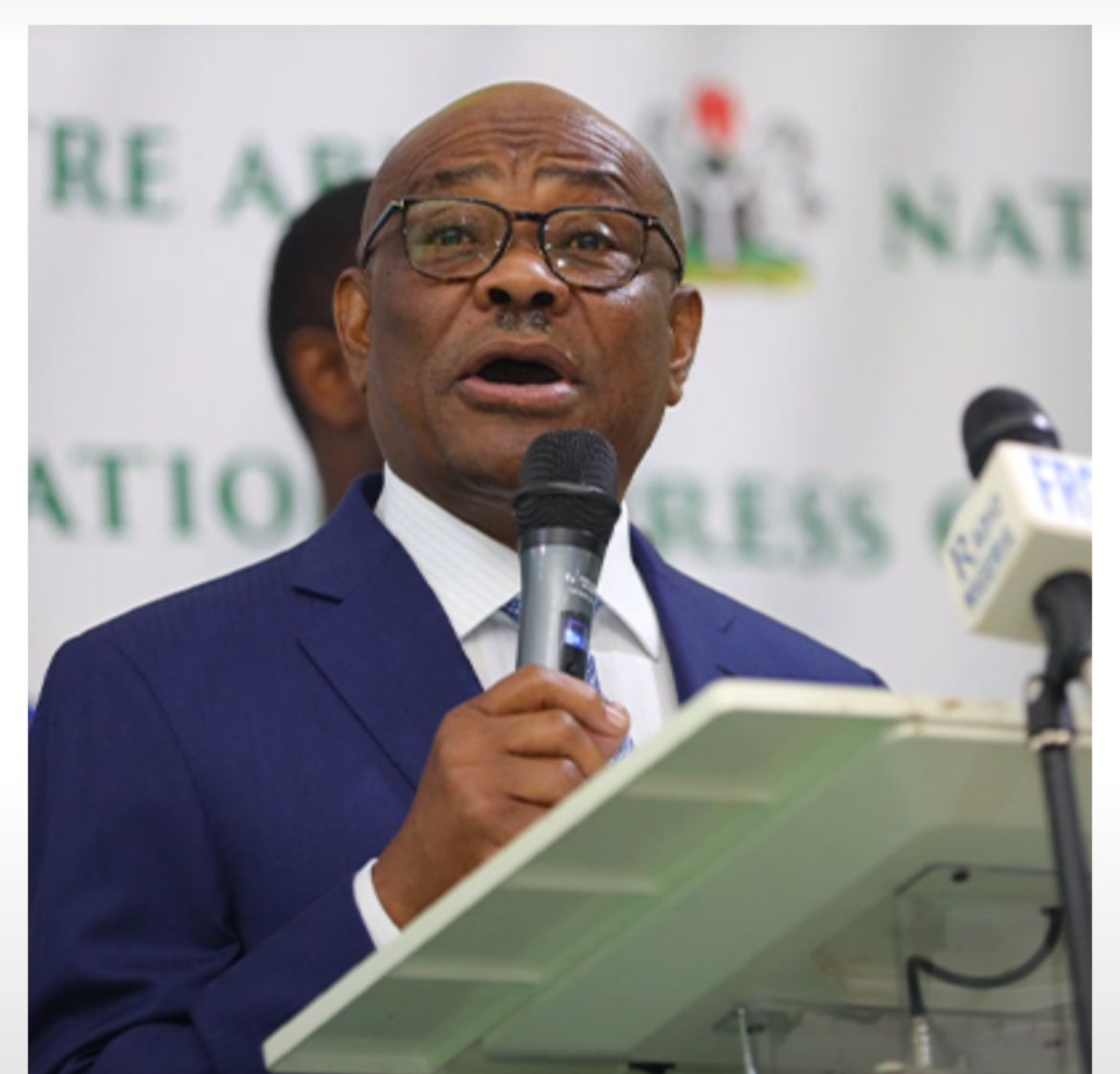
Wike vowed to resign if Tinubu loses the FCT or Rivers in 2027, days after announcing he would personally lead presidential campaign structures in both territories despite remaining in PDP.
Why it Matters:
This is an extraordinarily high-stakes political wager. Wike is staking his ministerial career on outcomes in territories with genuinely uncertain electoral histories, Tinubu lost the FCT decisively in 2023 and won Rivers by a narrower margin than his national total suggested. His resignation wager raises the stakes of both contests and advertises his indispensability to the Villa amid APC governors’ ultimatums. Should either territory fall, Nigerians will remember this promise, and watch its keeping closely.
3. Tinubu’s Extended Absence Sparks Questions Over Presidential Transfer Of Power
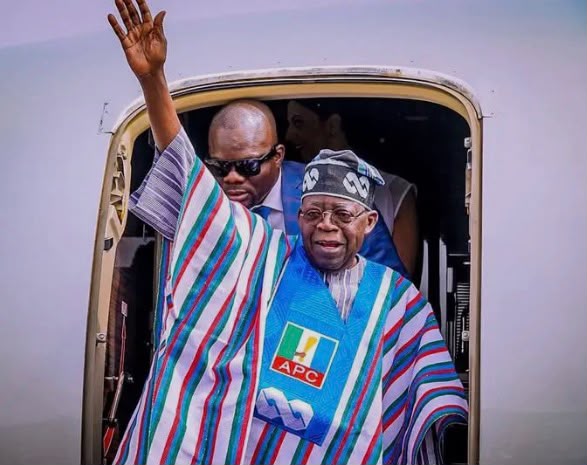
Tinubu’s month-long European working vacation revived questions about Section 145 compliance and presidential power transfer, with critics querying whether Shettima should have formally acted as President during the extended absence.
READ ALSO: Crumbling Alliances, Bloodshed, Race for 2027: Nigeria’s Tumultuous Week
Why it Matters:
This controversy exposes a genuine gap between political practice and constitutional clarity. The real question is not whether Tinubu can work remotely, but whether the required declaration under Section 145 was actually transmitted to the National Assembly. If it was not, Nigeria operated for weeks in a constitutional grey zone where presidential authority’s formal status remained ambiguous, a precedent that deserves clearer resolution before future extended absences, rather than case-by-case justification.
4. Suspected Boko Haram Terrorists Kill 15 Farmers In Borno
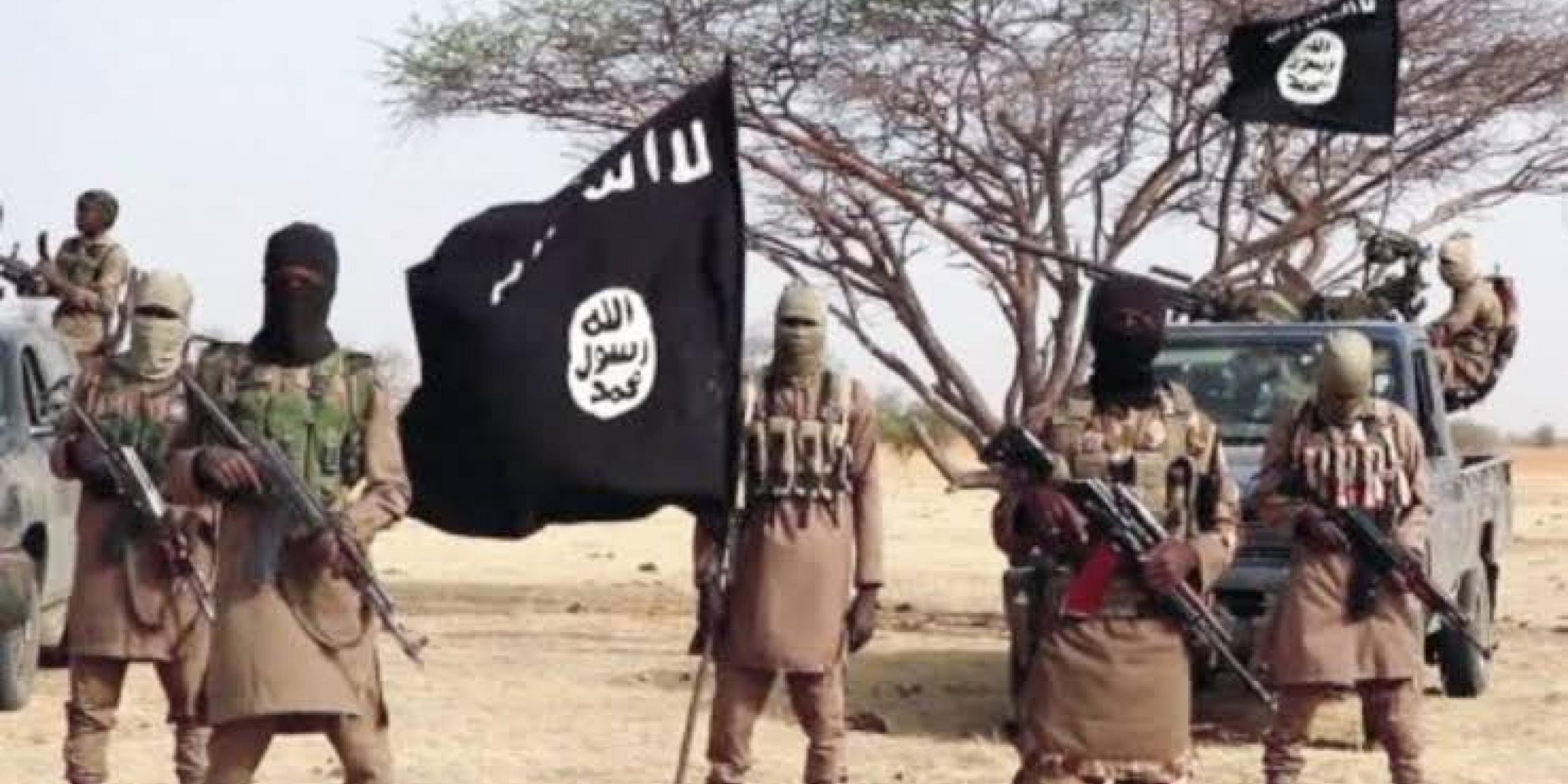
Suspected Boko Haram insurgents ambushed and executed 15 farmers and firewood gatherers in Marte, Borno State, tying victims up and shooting them at close range; three persons still remain missing.
Why it Matters:
The execution-style killings, victims bound, shot face-down, some mutilated, carry a message beyond murder: farmlands remain insurgent territory, and feeding one’s family is a capital offence. The farmers of Marte were not combatants, security personnel or political actors, they were citizens working their land to feed their families. Their deaths continue a pattern that successive Nigerian governments have been unable to break, where the most defenceless citizens bear the heaviest cost of a security crisis they neither created nor benefit from. Each such attack chips away at the state’s claim to protect the lives of those it governs.
5. Akpabio Warns Politicians: No Election Victory Is Worth Nigerian Lives
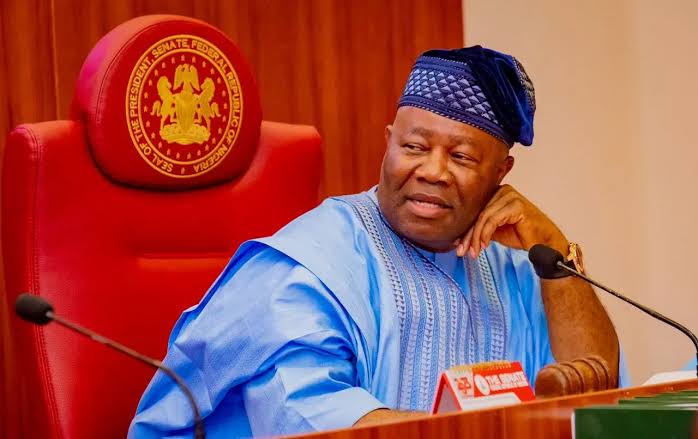
Senate President Akpabio warned returning senators and politicians that no electoral victory justifies Nigerian deaths, urging peaceful campaigns while highlighting citizens still held captive by kidnappers as legislative session resumed.
Why it Matters:
Akpabio’s warning carries weight because the position he holds places him at the apex of Nigeria’s legislative institution. His words will be measured against legislative action in the coming months. If the Senate matches rhetoric with meaningful oversight of security spending, electoral violence investigations and captive rescue operations, the statement will acquire moral authority. If not, it will join Nigeria’s long archive of political warnings that preceded tragedies they failed to prevent.
Conclusion
The week’s developments reveal a Nigeria approaching 2027 under pressure from several directions at once. The country is confronting rising debt, persistent insecurity, constitutional questions and an increasingly competitive political environment.
As 2027 approaches, the central question will not simply be who forms alliances, who controls political structures or who wins particular territories.
It will also be whether Nigeria’s political and institutional systems can manage competition without sacrificing accountability, constitutional order, economic prudence or human lives.
The coming election will ultimately be decided by voters. But the quality of the political environment in which they make that choice will depend substantially on the decisions and conduct of the country’s political leaders in the months ahead.