
Nigeria’s political week was defined by the familiar collision of power, insecurity, economic hardship and electoral anxiety.
Nyesom Wike’s ₦10 million promise to councillors who deliver wards for President Bola Tinubu reopened debate about patronage and vote-buying.
In Zamfara, the killing of 12 family members by bandits exposed the continuing collapse of rural security.
In Lagos, suspected thugs disrupted an opposition town hall, raising fresh fears about political violence ahead of 2027.
Governor Seyi Makinde’s claim that Tinubu failed to call during Oyo’s abduction crisis questioned presidential empathy.
Meanwhile, the European Union reminded Nigerians that electoral accountability must be enforced at home, not outsourced abroad.
1. Wike Promises ₦10m to Councillors Who Deliver Wards for Tinubu
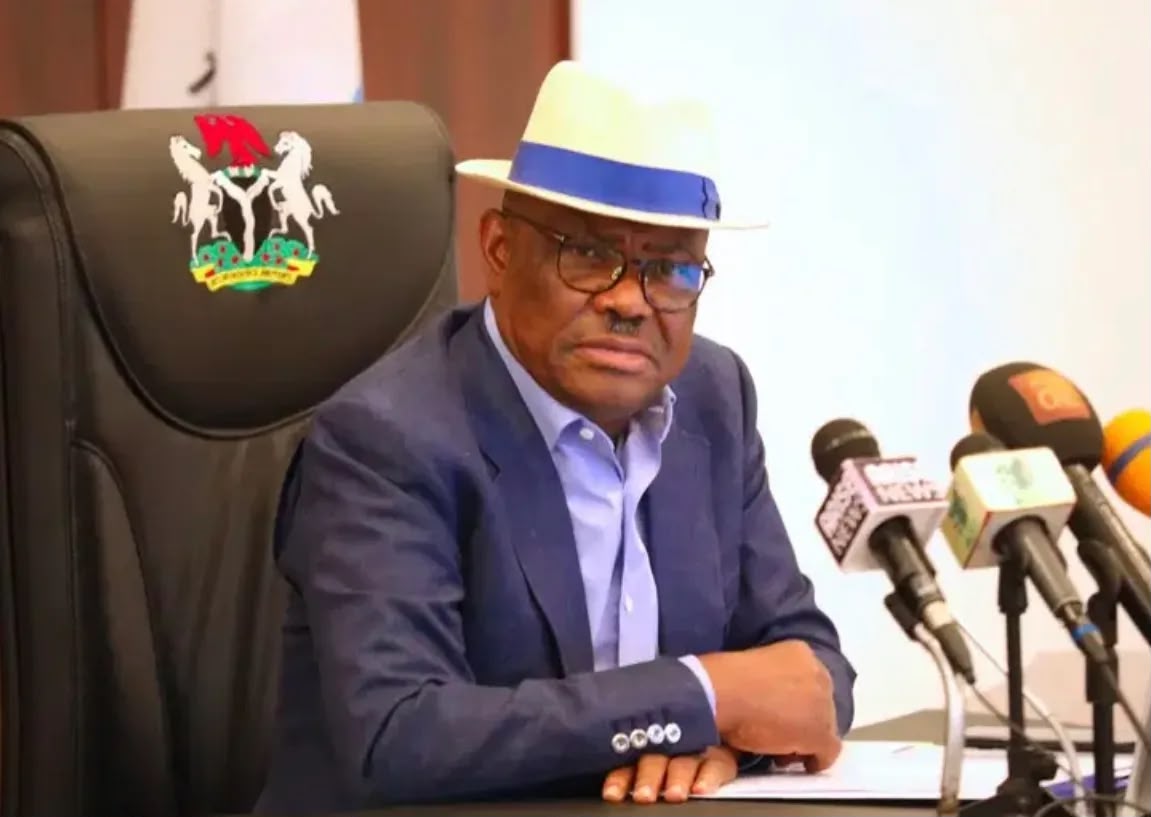
Wike promised ten million naira to councillors who deliver wards for Tinubu in 2027, later insisting the offer rewards mobilisation, not vote-buying, despite public criticism and ethical questions nationwide controversy.
Why it Matters:
Wike’s pledge revives Nigeria’s old anxiety over patronage, incumbency power and blurred campaign finance boundaries. In a democracy where vote-buying allegations regularly shadow elections, the defence of “mobilisation” may not calm voters. How INEC and the security agencies respond will signal whether Nigeria’s electoral laws apply equally to the powerful.
2. Zamfara: 12 Family Members Die After Bandits Set Room Ablaze
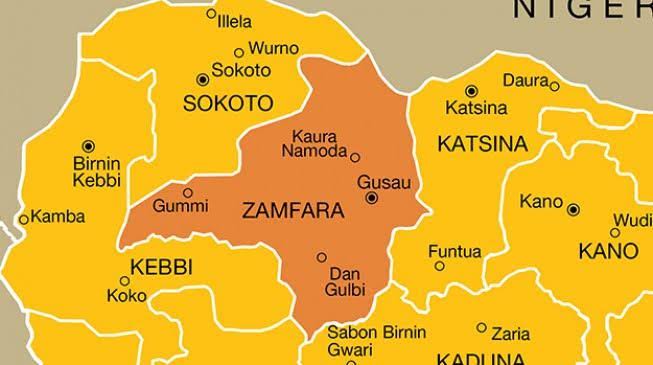
Twelve member of one family died in Zamfara after bandits set their locked room ablaze during a village raid, while others were abducted amid continuing rural terror and official alarm.
Why it Matters:
The deaths expose the human cost of insecurity beyond statistics and official briefings. A family reportedly sought refuge in one room, only to face a fatal attack, while abductions further traumatised the community. The incident renews urgent questions about rural policing, intelligence and response capacity. Government assurances will mean little unless residents receive sustained protection and perpetrators face justice promptly.
3. Suspected Thugs Attack NDC Town Hall Meeting in Lagos
Suspected thugs disrupted an NDC town hall in Lagos before Peter Obi and Rabiu Kwankwaso arrived, attacking supporters, vandalising property and triggering police intervention near Oregun as tensions rose sharply.
READ ALSO: Cracks, Corruption And Consolation: Nigeria’s Week of Unusual Honesty
Why it Matters:
The disruption is yet another episode of political violence that has plagued the 2027 election campaign season, majorly targeting opposition parties. Political competition cannot be meaningful when meetings are vulnerable to intimidation and violence. Authorities must investigate impartially, identify those responsible and protect all parties equally. Lagos is politically strategic, and any perception that rivals cannot campaign freely could undermine electoral legitimacy, fuel retaliation and test police neutrality before 2027 in a highly charged atmosphere nationwide.
4. Makinde: Tinubu Never Called During 56-Day Oyo Abduction Crisis
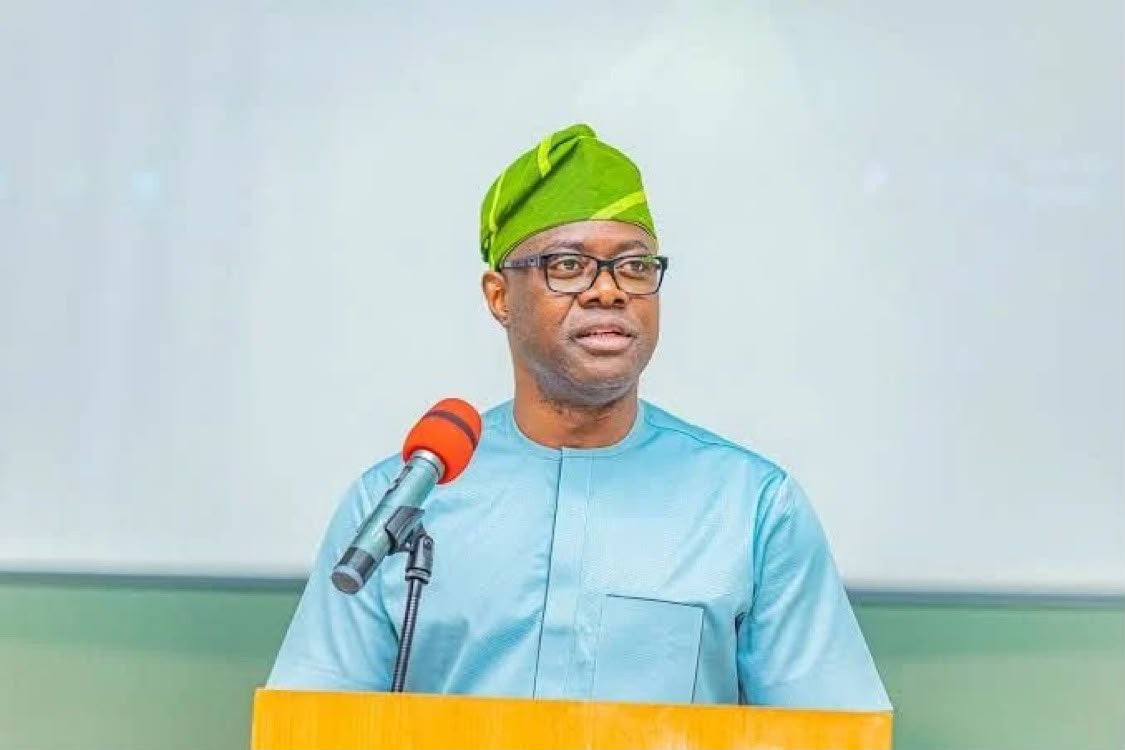
Makinde said Tinubu never contacted him during Oyo’s fifty-six-day school abduction crisis, despite his attempts to reach the President and expectation of national concern throughout the ordeal in Oyo State.
Why it Matters:
If Makinde’s allegations are true, then it unfortunately shows Tinubu as a president who is unable to separate personal politics from empathetic governance. Beyond personal politics, it also raise questions about federal-state coordination during security emergencies and the visible leadership citizens expect. A president need not personally manage every rescue operation, but communication and visible concern can strengthen public confidence and cooperation.
5. Electoral Violence: It’s Not Our Role to Sanction Nigerian Political Actors, Says EU

EU Ambassador Gautier Mignot rejected calls for sanctions against Nigerian political actors over electoral violence, saying foreign partners should support democracy, not punish domestic stakeholders ahead of 2027 polls nationwide.
Why it Matters:
The EU’s position re-centres responsibility where it belongs, which is, Nigeria’s institutions, voters, courts, parties and security agencies. International observers can amplify standards, but they cannot substitute sovereign accountability, although the warning is uncomfortable because Nigeria’s political class often externalises reform pressure, however, without credible domestic consequences for violence, foreign restraint may embolden impunity rather than maturity unless Nigerian actors enforce their own rules.
Conclusion
This week’s political developments show a country approaching another election season with unresolved contradictions.
Opposition actors complain of intimidation, and communities in the North-West continue to bury victims of unchecked violence.
At the same time, Nigeria’s democratic institutions face a credibility test: whether they can police money politics, protect civic space, punish electoral violence and respond humanely to national tragedies.
The road to 2027 is therefore not merely about party strategy or presidential ambition.
It is about whether Nigeria can build institutions stronger than personalities, security systems stronger than fear, and a political culture where public power is measured not by rewards to loyalists, but by protection, accountability and trust.