
This week, Nigeria’s political machinery offered unusually candid testimony about its own workings, most of it damning.
Former INEC National Commissioner Festus Okoye declared that Nigeria’s political elite do not believe in free, fair and transparent elections.
Minister of Works David Umahi publicly stated that Peter Obi is “not the best” the South-East can offer and should not have run for president in 2023 without consulting people like him.
Senator Rabiu Kwankwaso ruled out stepping down for Atiku Abubakar and accused the ADC of attacking the NDC instead of defending its own candidate against serious allegations from Vice President Kashim Shettima.
APC Presidential Campaign Council spokesperson Alwan Hassan openly alleged that ministers pay billions of naira to secure appointments, a practice he traced back decades before the APC.
And the National Economic Council approved a 90-day plan to reduce living costs and expand compressed natural gas use.
It was a week in which the political class, perhaps exhausted by three years of maintaining official narratives, allowed uncomfortable truths to escape into the public conversation.
1. Nigerian Political Elite Don’t Believe In Free, Fair Elections — Ex-INEC Commissioner
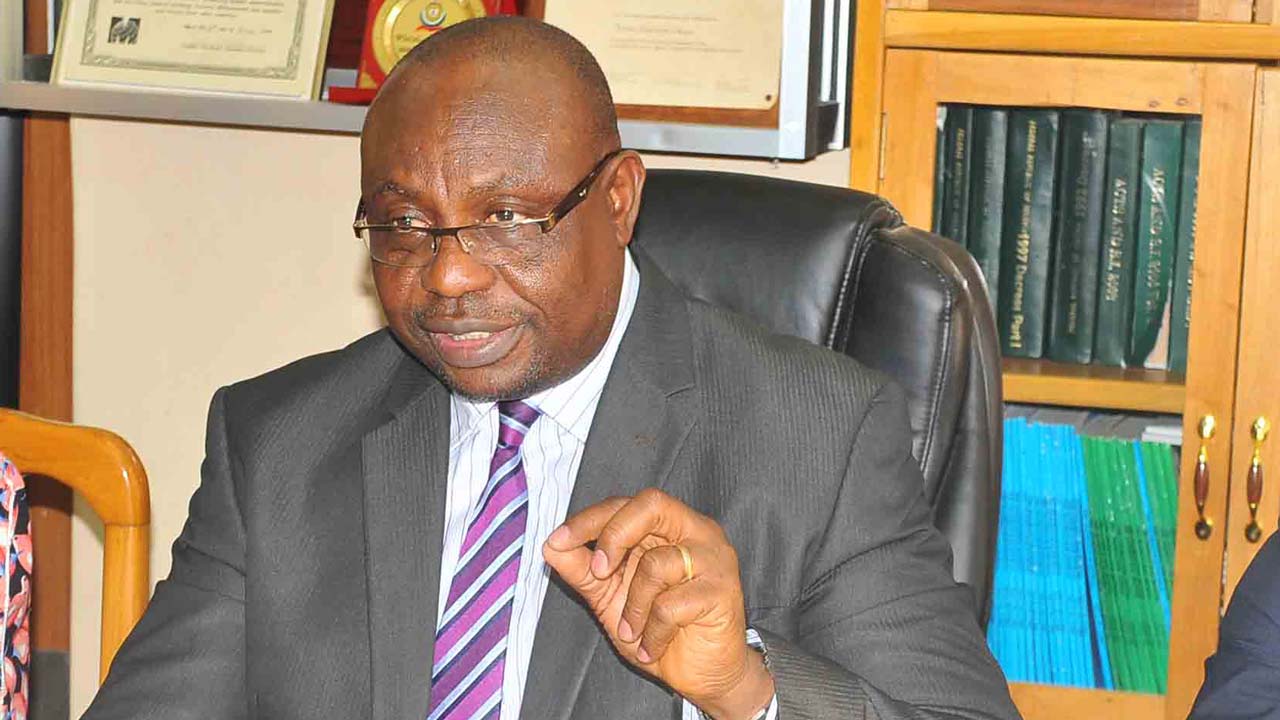
Former INEC National Commissioner Festus Okoye accused Nigeria’s political elite of lacking faith in free and transparent elections, alleging that vote-buying and result manipulation have replaced genuine democratic competition, and that political parties no longer compete on ideologies or issues.
Why it Matters:
Okoye’s indictment carries the weight of institutional memory from inside INEC itself. His verdict that political parties have abandoned ideology for vote-buying is not opposition rhetoric but the testimony of a man who watched Nigerian elections from the inside. If credible electoral participation requires parties willing to compete on ideas rather than inducements, Nigeria’s democratic infrastructure is fundamentally weaker than its procedural architecture suggests.
2. Peter Obi Is Not Our Best — Umahi Questions South-East Presidential Choice
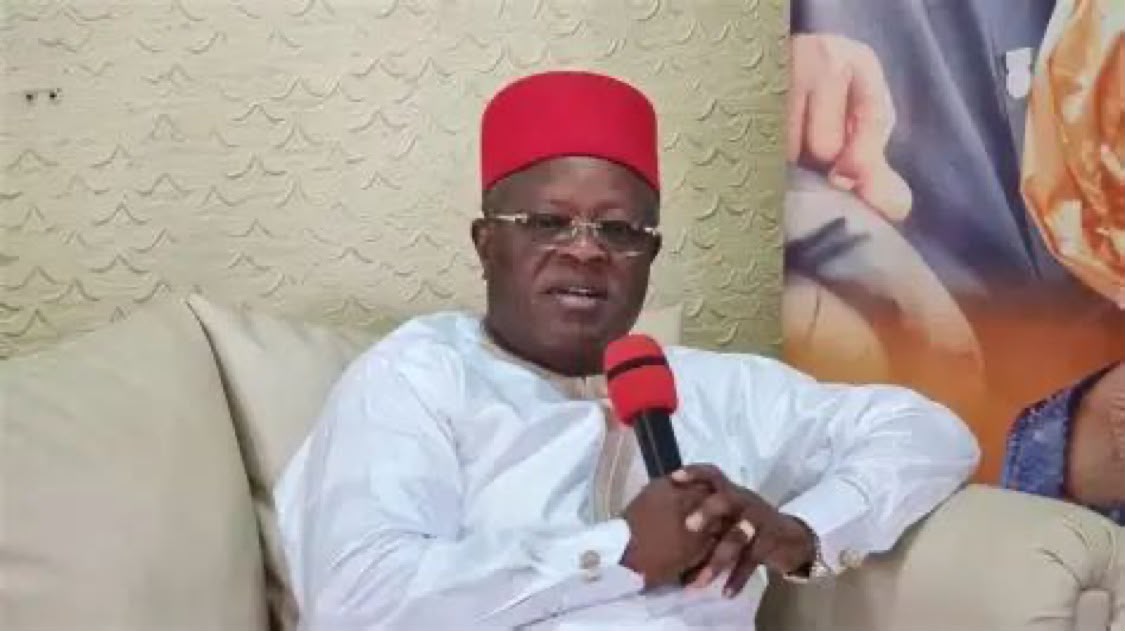
Works Minister David Umahi declared that Peter Obi is not the best presidential candidate the South-East can produce, criticising Obi for failing to consult influential political leaders before his 2023 run, and insisting the region has other qualified politicians beyond Anambra State.
Why it Matters:
Umahi’s intervention exposes the generational and factional tensions within South-East politics that Obi’s 2023 campaign temporarily obscured. His demand that aspirants must consult “people like us” reflects the gatekeeping instinct of Nigerian political establishment figures who view presidential ambition as a privilege dispensed by elders rather than earned through popular support. The argument may be strategic, but it reveals a political culture resistant to candidate emergence from outside traditional circles.
3. 2027: We’ll Not Step Down For Atiku, Kwankwaso Tells ADC
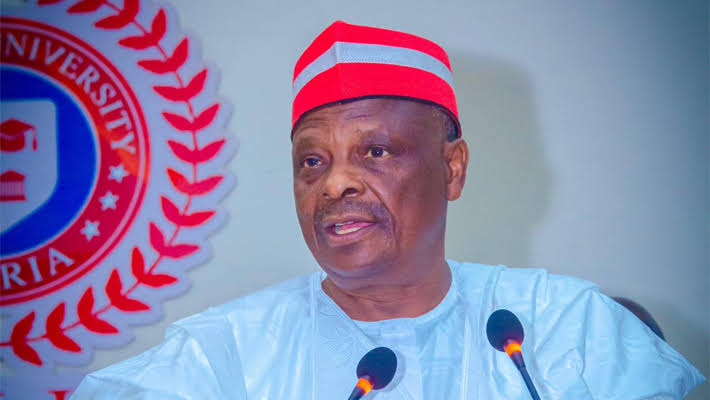
NDC Vice-Presidential candidate Senator Rabiu Kwankwaso publicly ruled out stepping down for ADC presidential candidate Atiku Abubakar, dismissed claims the NDC was working for the APC, and challenged the ADC to address Vice President Shettima’s serious allegations against Atiku instead of attacking him and Obi.
Why it Matters:
Kwankwaso’s statement effectively ends serious prospects for a unified opposition presidential ticket under the G-100 coalition framework. The public spat exposes the fragility of opposition unity talks that have dominated the pre-election conversation for months. Kwankwaso’s redirection toward Shettima’s allegations weaponises the Vice-President’s attack inside opposition ranks, doing the APC’s work gratis. With thirteen million divided votes haunting 2023’s memory, the fragmentation Lukman called “arithmetical suicide” is repeating on schedule.
READ ALSO: Corruption, Cover-Ups and Accountability on Trial: Nigeria’s Week of Crisis
4. APC Spokesman Alleges Ministers Pay Billions For Appointments
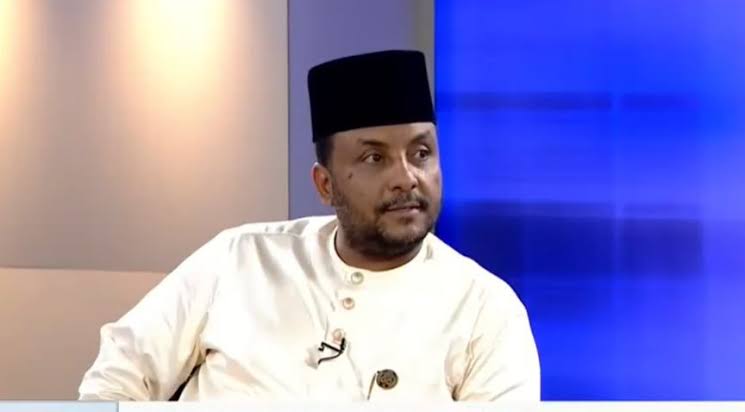
APC Presidential Campaign Council spokesperson Alwan Hassan publicly alleged that some ministers in Nigeria pay billions of naira to secure appointments into government, describing the practice as predating the APC administration and driving corruption as appointees seek to recoup their investments.
Why it Matters:
Hassan’s confession retroactively illuminates the PFIPC scandal, Adeyemi claimed he borrowed ₦400 million to secure his “appointment,” a claim that was treated as outlandish at the time. Hassan’s confession that ministerial appointments are routinely paid for in billions suddenly makes Adeyemi’s testimony sound less like fraud and more like the ordinary cost of entry into Nigerian public office. Adeyemi’s error was perhaps buying a counterfeit; the genuine market apparently trades undisturbed.
5. NEC Approves 90-Day Plan To Tackle High Living Costs, Boost Investments
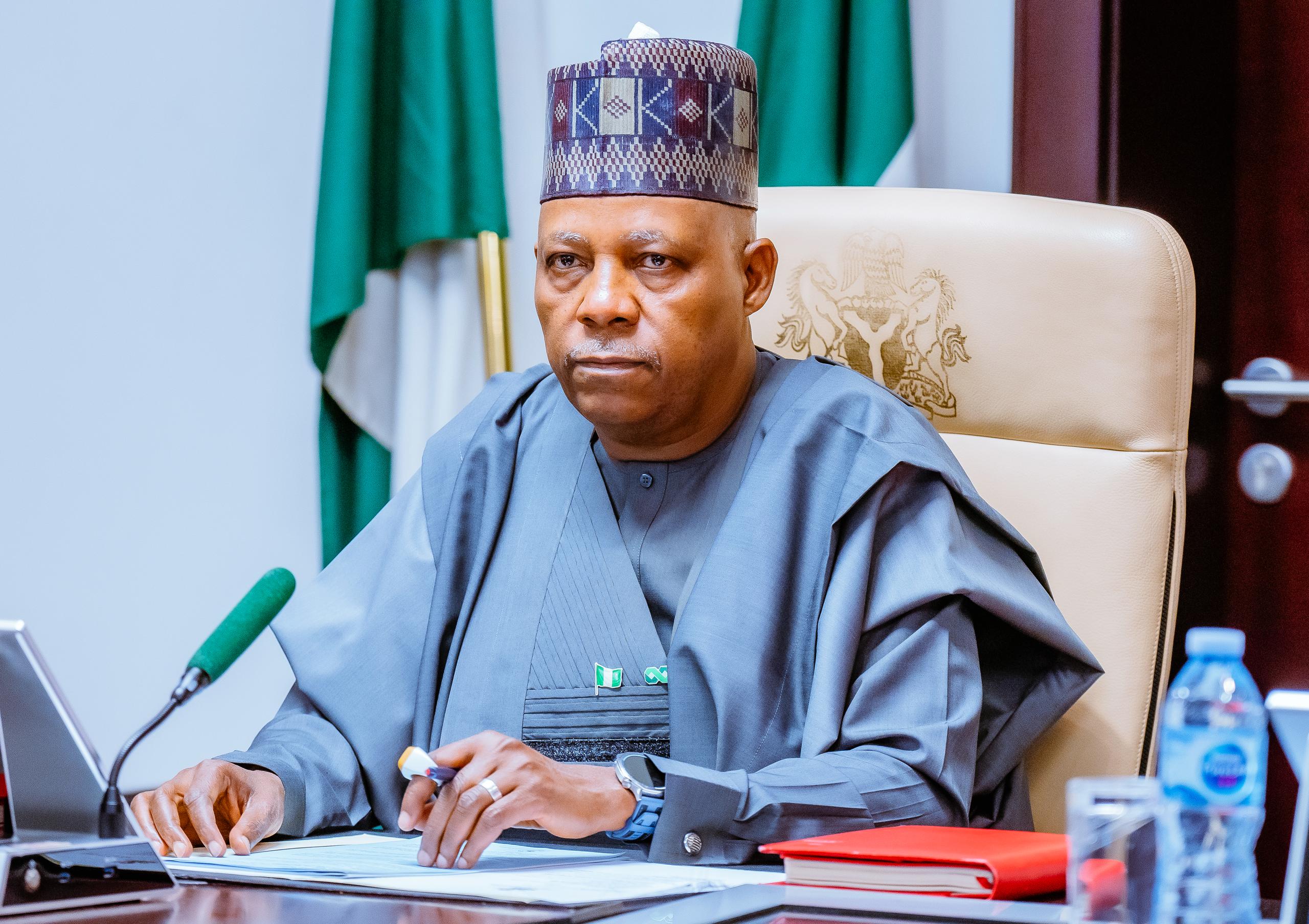
The National Economic Council approved a three-month economic plan prioritising food affordability, tax harmonisation, project completion and household support, including a national dashboard to track subsidy revenue spending, as Vice President Shettima pushed state cooperation on compressed natural gas expansion.
Why it Matters:
A 90-day economic plan announced three months before a presidential election carries unavoidable political weight. The timing invites scrutiny over whether the plan represents genuine policy response or electoral positioning. The plan’s value will depend on implementation, measurable targets and whether relief reaches households facing high costs.
Conclusion
Six stories, one country, and a week in which Nigerian politics spoke to Nigeria with unusual honesty about itself.
These disclosures, each striking individually, cumulatively describe a political system increasingly comfortable with saying publicly what it has long known privately.
The question is whether such candour shows maturity or exhaustion. Mature political cultures acknowledge their failings in order to address them.
Exhausted ones acknowledge their failings because the pretence has become too expensive to maintain.
The 2027 election is now less than three months away. Nigerians living in multidimensional poverty, whose families are still being killed, want change above all else, these are the people whose verdict will matter most in January.
The political class has told them what it believes. The next three months will reveal what they believe in return.