
Nigeria’s political landscape this week was defined less by policy than by a deepening battle over accountability, institutional credibility and the conduct of those seeking power ahead of 2027.
The African Democratic Congress (ADC) accused the Tinubu administration of shielding senior officials from scrutiny, while its presidential candidate, Atiku Abubakar, demanded an independent probe into fresh corruption allegations against the President’s Chief of Staff, Femi Gbajabiamila.
Within the opposition, questions over Peter Obi’s exit from the ADC reignited debates about the South-East’s place in coalition politics, even as the courts continued to reshape the fortunes of the embattled PDP.
Meanwhile, insecurity again exposed the limits of state authority after a notorious Zamfara bandit publicly resurfaced to mock claims of his death.
The week also saw renewed criticism of Nigeria’s anti-corruption architecture, with legal scholar Sam Amadi arguing that the system pursues former officials while overlooking serving members of government.
Collectively, the week’s events painted a picture of a democracy where the struggle for power is increasingly intertwined with debates over justice, transparency and institutional trust.
1. ADC: Tinubu Shields Officers From Scrutiny, Running Cabinet Of Cover-Ups
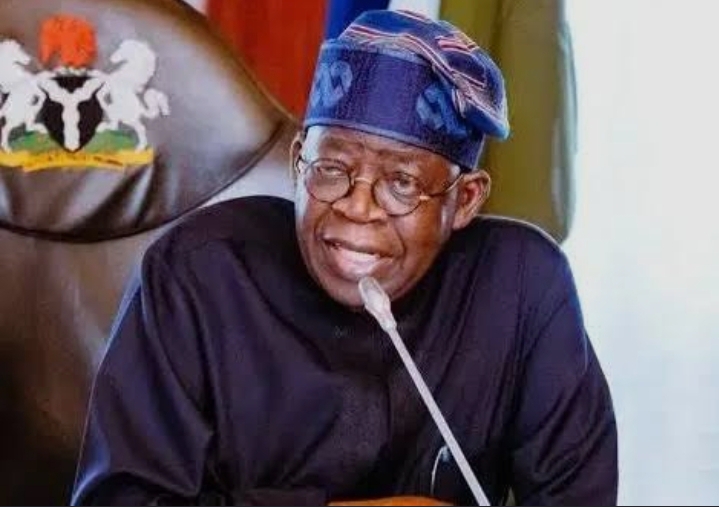
The ADC accused President Tinubu’s administration of protecting senior officials from scrutiny, demanding an independent investigation into Mary Habila’s death and calling for Works Minister David Umahi to step aside.
Why it Matters:
The ADC’s allegation is broader than the Habila case, but describes a systemic pattern in which official statements precede and prejudge investigations, effectively shielding appointees from scrutiny before facts are established. In a government already facing allegations involving the Chief of Staff, a budget scandal over a non-existent agency, and questions about selective anti-corruption prosecutions, the allegation reflects a credibility problem that accumulates with every unresolved controversy.
2. Okonkwo: Peter Obi’s ADC Exit Left South-East Disadvantaged

Kenneth Okonkwo argued Peter Obi’s departure from the ADC disrupted regional calculations, leaving the South-East without a viable pathway to the party’s vice-presidential nomination ahead of 2027.
Why it Matters:
Okonkwo’s candid admission reveals how individual political decisions can reshape regional influence in Nigeria’s delicate power-sharing arrangement. It also raises important contradictions. Obi’s exit did not automatically erase the South-East’s influence within the ADC, as other prominent figures from the region remained. More fundamentally, if Nigeria’s informal zoning convention favours a southern presidency in 2027, it is unclear why the region’s foremost presidential aspirant should have settled for the vice-presidential slot instead of pursuing the presidency elsewhere.
3. ‘You Said You Killed Me’: Zamfara Bandit Leader Reappears, Taunts Gov Lawal

Kachalla Sani Yellow, reported killed during a military operation in Zamfara, resurfaced in a video addressing Governor Dauda Lawal directly, mocking the governor’s earlier claims and accusing him of pursuing innocent people rather than genuine criminals.
Why it Matters:
This video is a significant intelligence and credibility failure. A bandit kingpin reportedly killed in a military operation is alive, on a motorcycle, and publicly taunting a sitting governor. The incident raises questions about the accuracy of security agency reports, the reliability of official claims about neutralised threats, and the broader culture of announcing victories that reality then contradicts. Winning the information war has become almost as important as winning the battlefield.
READ ALSO: Verdicts, Vendettas, Vanishing Billions: A Nation On Trial
4. Court Dismisses Suit Seeking INEC Recognition Of Turaki-Led PDP
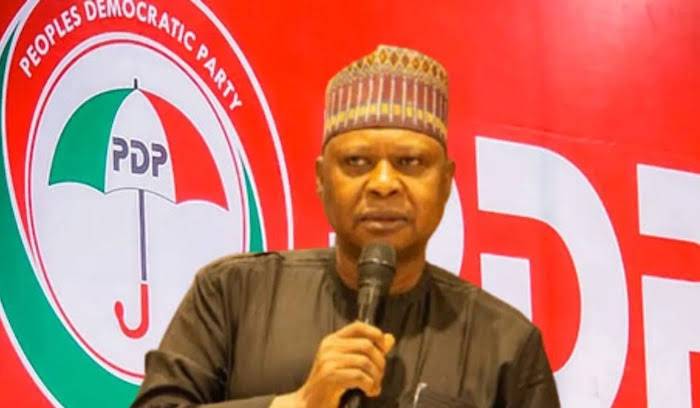
A Federal High Court in Abuja dismissed a suit by the Wabara-led group seeking INEC recognition of the Kabiru Turaki faction of the PDP, ruling that the plaintiffs lacked legal standing and that the court had no jurisdiction. The dismissal closes this legal challenge at the Federal High Court level.
Why it Matters:
Once Nigeria’s hegemonic party, the PDP now litigates over its own identity. The ruling, consistent with courts’ reluctance to referee internal party affairs, as seen in the ADC’s Abejide case, leaves the Turaki faction stranded and strengthens the Wike-backed party that INEC currently recognises. Every dismissed suit, every factional dispute, every failed legal gambit is time and political capital the party cannot afford to waste as the governing APC quietly prepares for the next election cycle.
5. Atiku Demands Probe Into Fresh Corruption Allegations Against Gbajabiamila
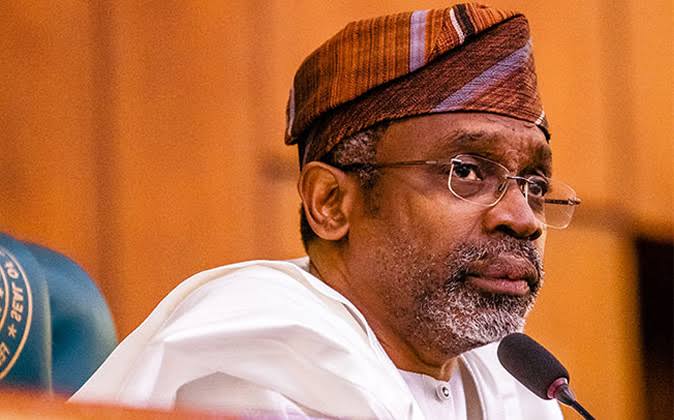
Atiku Abubakar called for an independent investigation into allegations that Chief of Staff Femi Gbajabiamila diverted oil and gas royalties from the Nigerian Upstream Petroleum Regulatory Commission through an unlawful presidential approval. Atiku cited the Babachir Lawal precedent and accused the government of applying different standards to its own officials.
Why it Matters:
The Gbajabiamila allegations, if verified, would implicate Nigeria’s most powerful unelected official in financial misconduct directly connected to oil revenue. Atiku’s invocation of the Babachir Lawal precedent is legally and politically sound: a government that prosecuted its own SGF under Buhari cannot credibly argue that a sitting Chief of Staff is beyond investigative reach. The absence of any government response to the Peoples Gazette report, despite its specificity, is itself a form of accountability failure.
6. Amadi: Anti-Corruption Campaign Targets Former Officials, Not Serving Figures
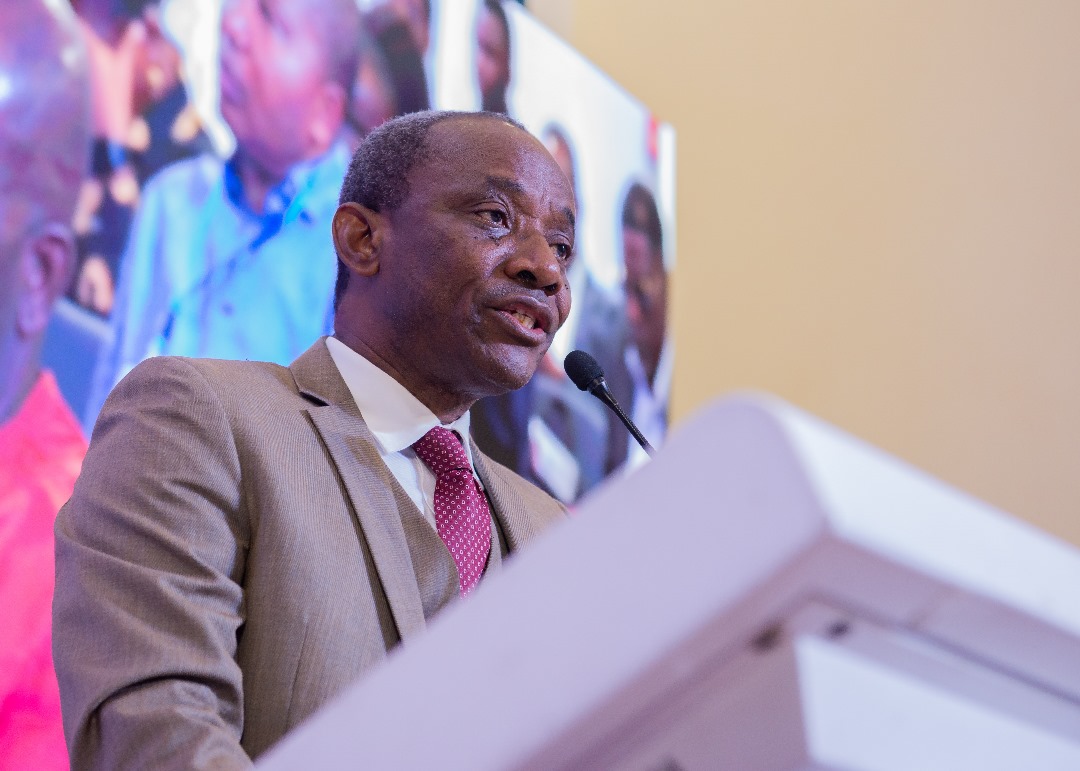
Political analyst Sam Amadi argued that Nigeria’s anti-corruption effort is structurally designed to pursue former officials while protecting those still in power, citing the EFCC cases against the Senate President and others as examples of investigations that have made no visible progress under the current administration.
Why it Matters:
Amadi’s critique reflects a longstanding concern about selective enforcement within Nigeria’s anti-corruption framework. Institutions derive legitimacy from consistency, not occasional success. Whether or not his assessment is universally accepted, public confidence will increasingly depend on demonstrating that accountability mechanisms operate independently of political affiliation or incumbency.
Conclusion
This week’s developments paint a picture of a polity still grappling with accountability deficits, elite insulation, and structural insecurity, even as political actors recalibrate for 2027. For democracy to deliver, opposition cohesion, credible internal party democracy, and impartial institutions are essential. Without them, public cynicism will deepen, further complicating Nigeria’s quest for responsive governance amid multidimensional challenges.