
Nigeria’s political and economic landscape was marked this week by developments that expose the growing pressures on governance and the democratic process as the country moves towards the 2027 general elections.
In Delta State, former Deputy Senate President Ovie Omo-Agege reportedly escaped an attack on his campaign gathering, with his camp alleging multiple deaths and accusing political figures of involvement.
A day later, a court invalidated his NDC senatorial nomination and directed INEC to remove his name from the candidates’ list.
Meanwhile, the Minister of Power, Joseph Tegbe, warned that Nigerians could wait another three to five years for significant improvements in electricity supply, acknowledging the depth of infrastructure and institutional failures.
INEC Chairman Joash Amupitan cautioned political parties against violence and intimidation, warning that such conduct could discourage voters and undermine electoral credibility.
On the fiscal front, the House of Representatives approved President Bola Tinubu’s latest external borrowing request, while introducing reporting and oversight requirements.
Taken together, the developments reveal a country confronting interconnected questions about political competition, institutional independence, public safety, economic performance and the accountability of elected leaders.
They also offer an early indication of the issues likely to shape political debate ahead of 2027.
1. Omo-Agege Escapes Alleged Assassination Attempt, Four Feared Dead
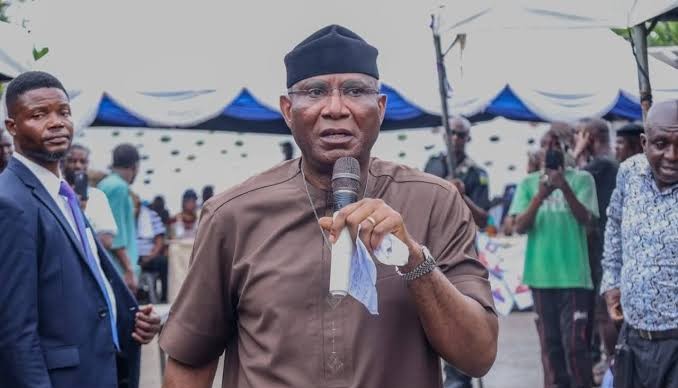
Former Deputy Senate President Ovie Omo-Agege reportedly escaped a campaign attack in Delta, where his organisation alleged four deaths, blamed political actors, and demanded an investigation at Uduere on Monday.
Why it Matters:
The attack exposes the vulnerability of political campaigns and the danger of unresolved rivalries in Delta in the run-up to voting. It also comes on the heels of violence on opposition parties and even the ruling party, creating an atmosphere of violence in the lead up to January’s election. If opponents cannot campaign safely, elections become rituals of fear, not consent. Swift, impartial investigation is essential to prevent reprisals and restore confidence in democratic competition in the state and nationwide.
2. Nigerians May Wait Three To Five Years For Better Power Supply — Minister
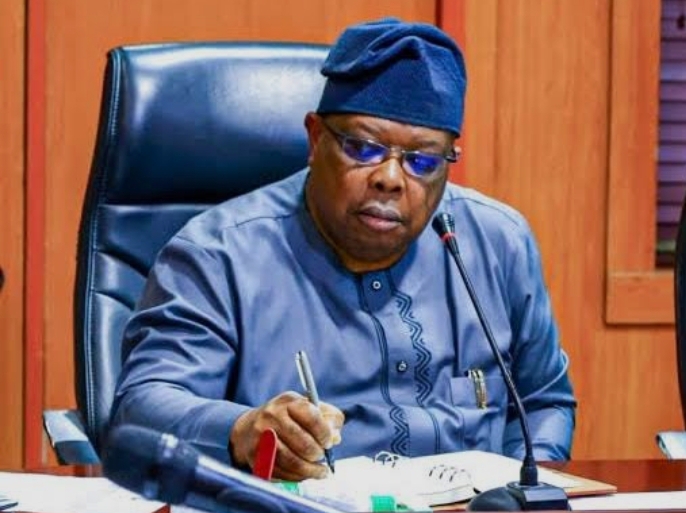
Power Minister Joseph Tegbe says Nigerians may wait three to five years for meaningful electricity improvements across the country, citing deeper infrastructure, institutional, funding and governance failures across the sector.
Why it Matters:
The warning sets a sobering expectation for households and businesses already burdened by unreliable electricity and high operating costs. It also tests the government’s credibility, as President Tinubu during campaign for Feb 2023 election, promised to fix electricity in four years, telling voters not to vote for him if he fails to deliver. Timetable is useful only if matched by transparent milestones, investment and accountability, however Nigerians cannot rely on failed promises.
READ ALSO: A Nation Adrift: Blood, Betrayal, and Broken Promises
3. Court Strips Omo-Agege Of NDC Ticket, Orders INEC To Delist Him
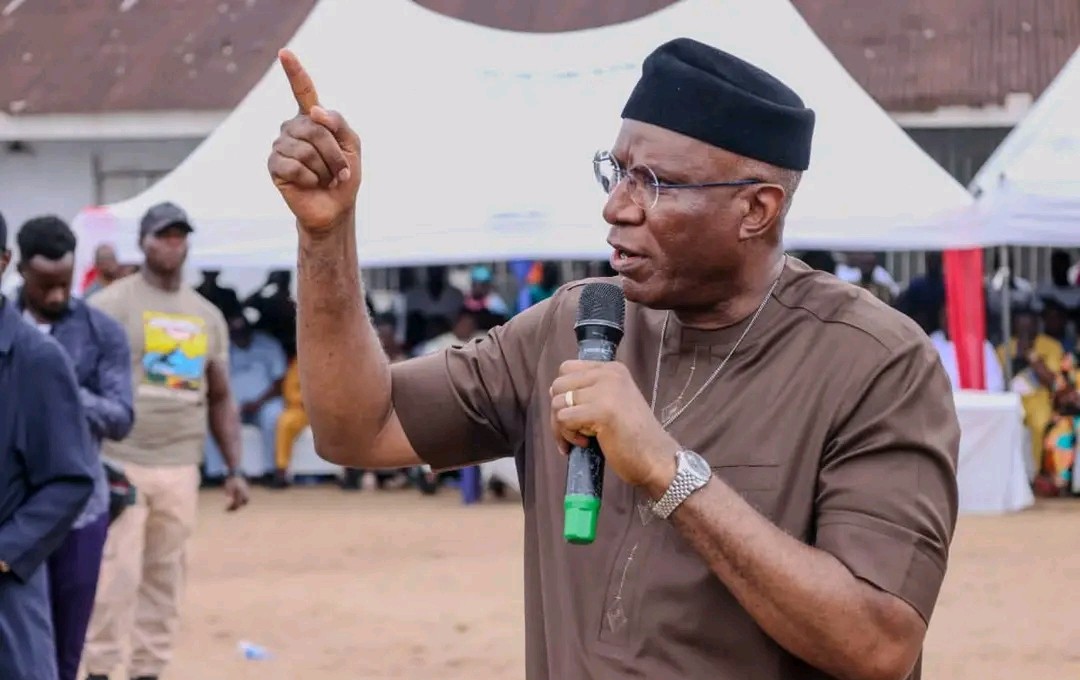
A Federal High Court invalidated Ovie Omo-Agege’s NDC senatorial nomination, citing breaches of statutory requirements on party membership registers and ordering INEC to delist him ahead of the 2027 polls.
Why it Matters:
The ruling demonstrates how internal party shortcuts can destroy electoral ambition before voters speak. Since 1999, Nigerian parties have treated primaries as managed coronations, producing endless litigation. For the NDC, losing a prominent Delta candidate may weaken opposition momentum. For INEC and courts, the case reinforces that procedure, membership and timing are battlegrounds of electoral legitimacy before the 2027 vote.
4. 2027: Political Violence, Intimidation Could Discourage Voters, Amupitan Warns Parties
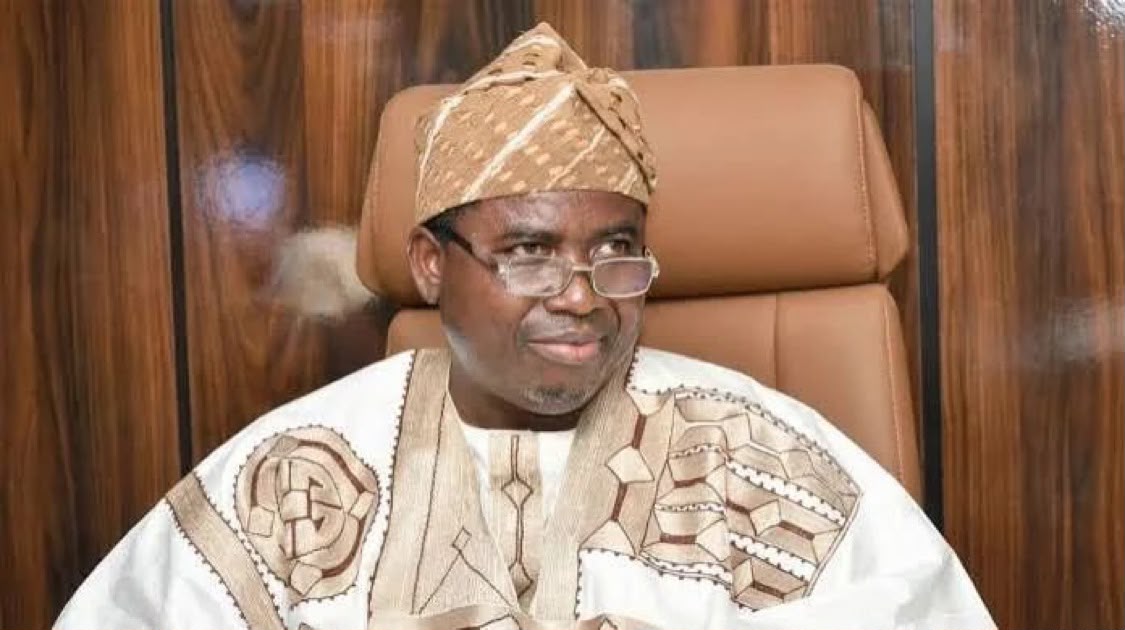
INEC Chairman Joash Amupitan warned parties that violence and intimidation could suppress turnout, while outlining voter-register clean-up and preparations for a nationwide BVAS and results-transmission mock exercise ahead of polls.
Why it Matters
Amupitan’s warning recognises that election credibility depends not only on technology but also on citizens’ ability to participate without fear. The removal of invalid records and planned mock exercise are important safeguards, but transparency about their execution will matter. Security agencies must demonstrate impartiality, while parties must discipline supporters and reject political violence consistently nationwide in practice for public accountability.
5. Reps Approve Tinubu’s $20.52bn, €1.04bn External Loan Request
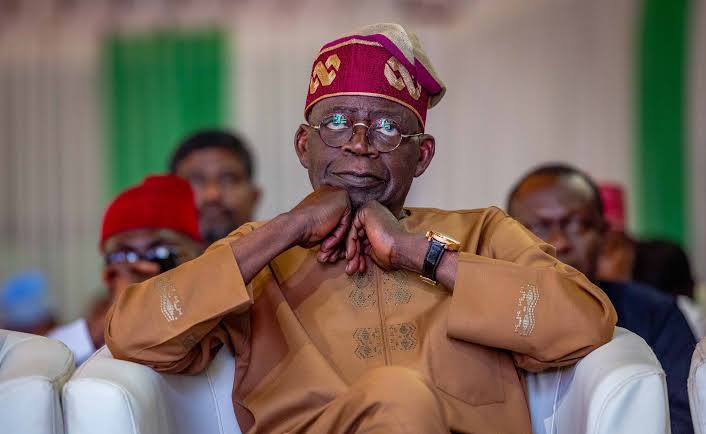
The House approved Tinubu’s supplementary external borrowing of $20.52 billion and €1.04 billion plus related financing promising oversight while government says loans will fund priority sectors and reserves for stability.
Why it Matters
Borrowing has become Nigeria’s default bridge between ambition and revenue weakness. The danger is not debt alone, but debt without productivity, transparency or growth. If funds genuinely improve security, power, transport, agriculture, education and health, they may justify costs. The government must show that borrowed funds finance productive projects, rather than recurrent costs, and deliver measurable public benefits and explain every major disbursement.
Conclusion
This week’s developments point to a difficult balancing act for Nigeria: protecting democratic competition while addressing the economic pressures that continue to shape citizens’ daily lives.
As the 2027 election approaches, INEC and security agencies must ensure that political competition remains peaceful, credible and inclusive.
Ultimately, Nigerians will judge the political class not only by its promises and alliances, but by its ability to protect lives, strengthen institutions, improve essential services and manage public resources responsibly.