
This past week in Nigeria painted a grim picture of rising insecurity, institutional dysfunction, and political manoeuvring. In the North, terrorists and bandits left scores dead in a single day, laying bare the state’s weakened grip on security.
Meanwhile, the Presidency defended Nigeria’s multiparty democracy amid mounting defections, fuelling fears of creeping authoritarianism. At the centre of the storm was APC Chairman Abdullahi Ganduje, whose boastful predictions of more defections were seen by critics as a veiled threat to Nigeria’s democratic plurality.
And while political elites realign, the country’s long-promised refinery revamp crumbled once again, $897 million later, as the Warri refinery quietly shut down. Former Vice Presidential candidate Ifeanyi Okowa also made headlines with his startling regret over his 2023 alliance with Atiku Abubakar.
Together, these events underscore a country at a crossroads: where political calculations increasingly overshadow governance, and reform pledges ring hollow against the roar of violence and dysfunction.
1. Boko Haram, Armed Bandits Kill 33 in One Day
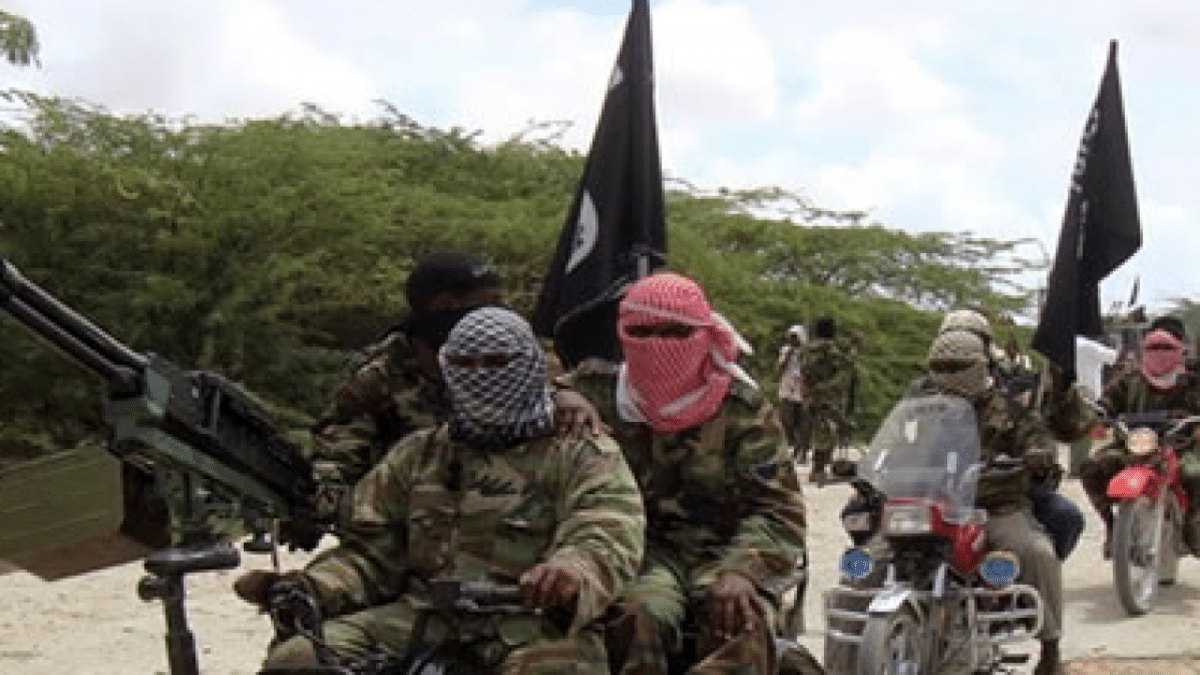
A coordinated surge of violence in northern Nigeria on April 26 left 33 people dead, including farmers, vigilantes, and civilians. Attacks in Borno, Adamawa, and Zamfara involved Boko Haram, ISWAP, and armed bandits, underscoring a deepening crisis of insecurity. Communities now face daily threats with little visible protection from the state.
Why it Matters:
These attacks signal a total collapse of territorial control in large parts of the North. Vigilante deaths also reveal the limits of local defence initiatives. The government’s repeated assurances contrast sharply with the frequency and ferocity of these attacks. Each death chips away at what little trust citizens still hold in the state’s ability or will to protect them.
2. Presidency Dismisses One-Party State Concerns

The Presidency, through Bayo Onanuga, rejected fears of creeping authoritarianism following recent high-profile defections to the APC. It insisted democracy remains intact, blaming opposition parties for their internal weaknesses and framing the defections as voluntary expressions of political freedom.
Why it Matters:
Framing political defection as democratic vibrancy ignores the pattern of strategic coercion, elite survivalism, and patronage politics. While constitutional, mass defections may hollow out meaningful opposition, threatening democratic checks and balance, especially under a ruling party already accused of silencing dissent. If the ruling party becomes the only viable political home, democratic competition dies quietly, not by military fiat, but by political seduction and systemic failure.
3. Ganduje Boasts of More PDP Defections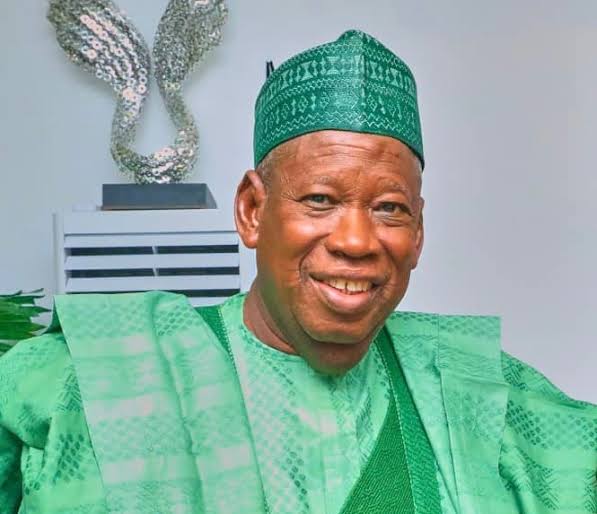
APC Chairman Abdullahi Ganduje predicted more governors would abandon the opposition after welcoming Delta’s Sheriff Oborevwori and Ifeanyi Okowa. Okowa claimed the move was “patriotic,” meant to “connect to Abuja” and unlock federal opportunities allegedly withheld from the state under PDP rule.
Why it Matters:
Ganduje’s statement, paired with Okowa’s rationale, suggests federal power is being used as bait for political loyalty. Defections are becoming less about ideology and more about access to federal contracts, immunity, and influence. This centralised patronage system perpetuates a broken democracy, where loyalty to the centre trumps service to constituents.
READ ALSO: Nigeria in Turmoil: Unrest, Betrayal, and Battle for New Order
4. Warri Refinery Shutdown Sparks Outrage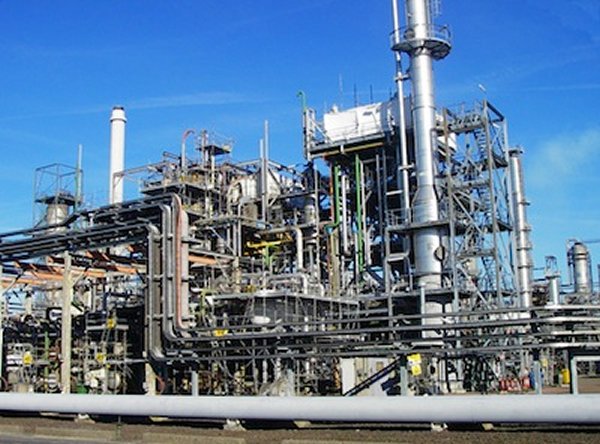
Barely a month after its publicised restart, the Warri refinery has quietly shut down due to equipment faults, despite costing $897 million. Meanwhile, Port Harcourt refinery is running at below-par levels, raising questions about the integrity of Nigeria’s refinery rehabilitation programme.
Why it Matters:
The refinery failures symbolise Nigeria’s chronic resource mismanagement. Nearly $900 million spent yielded nothing of lasting value. It reinforces the pattern of opaque contracts, inflated costs, and elite impunity. With fuel prices still soaring, citizens are left bearing the brunt of a failed energy strategy while monopolistic supply chains consolidate power.
5. Okowa Admits Regret over Atiku VP Bid
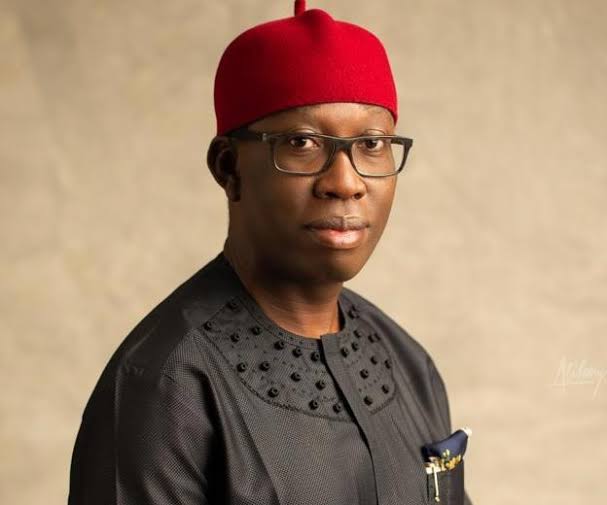
Former Delta Governor Ifeanyi Okowa admitted he erred by accepting to run with Atiku Abubakar in 2023, saying his people were not aligned with the choice of another northern candidate. He suggested the decision cost the PDP in the presidential election.
Why it Matters:
Okowa’s confession lays bare the internal conflicts that fractured the PDP during the last election cycle. His admission vindicates critics who argued the PDP ignored zoning sensitivities, fuelling Tinubu’s victory. Yet, his subsequent defection confirms the opportunism that defines Nigeria’s elite politics, principles often play second fiddle to survival. If power realignments are dictated by regret and political expediency, voter trust continues to erode.
6. Dele Momodu Accuses Tinubu of Using Defections to Weaken Democracy
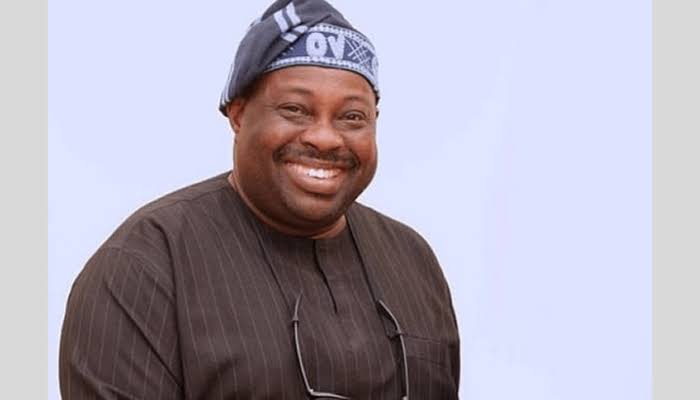
Media mogul and PDP chieftain, Dele Momodu, accused President Tinubu of orchestrating defections to dismantle opposition forces. In a scathing statement, he claimed the APC’s strategy was to turn Nigeria into a one-party state by intimidating and luring key figures with political patronage and legal protection.
Why it Matters:
Momodu’s accusation adds fuel to a growing narrative: that Nigeria’s political realignment is not organic, but engineered from the top. If true, it signals the death of credible opposition and the rise of competitive authoritarianism under the guise of democratic freedom.
Conclusion:
Nigeria’s leadership faces a moment of reckoning. Insecurity is outpacing state response, public resources are wasted without consequence, and politics is becoming a theatre of expediency, not ideology. As politicians defect and deflect, the citizen remains cornered, overtaxed, underprotected, and dangerously forgotten.
If this trajectory persists, democratic survival may not be threatened by coups, but by slow institutional decay masked as political strategy. The question isn’t whether Nigeria is at a crossroads, but whether those in power still care where the road leads.