
This week in Nigeria, the tension between political survival and systemic reforms reached fever pitch. From the rejection of a bill that would have constitutionally rotated the presidency among the country’s six zones to JAMB’s rare act of institutional accountability after a disastrous UTME cycle, Nigeria seemed caught between the impulse to modernise and the gravitational pull of dysfunction.
The PDP teeters on the edge of collapse as internal fractures deepen. The Labour Party’s internal war escalated into open threats. Yet amidst the chaos, the House passed a bill proposing compulsory voting, and the UK High Commissioner cheered Tinubu’s economic reforms as a signal of renewed investor confidence. But with all these unfolding, the picture that emerges is of a democracy in disrepair, searching for both legitimacy and direction.
1. Reps Reject Bill to Rotate Presidency Among Zones

The House of Representatives rejected a constitutional bill mandating rotational presidency, arguing it would entrench ethnic rivalry and threaten merit-based leadership across Nigeria’s six geopolitical zones.
Why it Matters:
The rejection reveals deep-seated discomfort among Nigeria’s elite with institutionalising equity. By refusing to codify rotation, lawmakers have reaffirmed the status quo where political power remains accessible only to those with entrenched influence. It also signals that marginalised zones may continue to rely on informal party arrangements rather than constitutional guarantees for representation.
2. PDP in ICU, May Collapse Before 2027 — Suswam
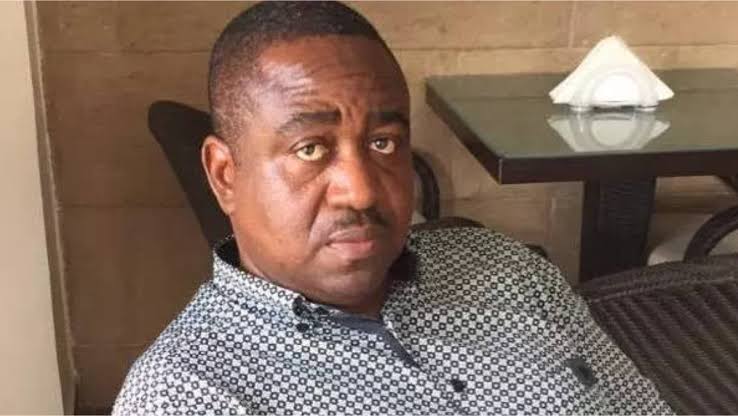
Senator Gabriel Suswam warned the PDP may not survive until 2027, citing leadership failure, internal conflict, and growing defections weakening its role as a credible opposition force.
Why it Matters:
The PDP’s potential collapse would upend Nigeria’s political landscape and weaken democratic checks and balances. Without a strong opposition, the ruling APC faces less scrutiny, and the electorate is deprived of meaningful alternatives. The crisis also reflects broader institutional decay across political parties, where ideology takes a backseat to personal ambition and factional loyalty.
3. JAMB Accepts Blame, Orders Retake for 380,000 UTME Candidates

In an unprecedented moment of contrition, JAMB Registrar Professor Ishaq Oloyede admitted to severe failures in the 2025 UTME. Nearly 380,000 students will retake the exam after glitches and scoring errors were uncovered. Oloyede wept publicly, apologising for dashing the hopes of young Nigerians.
Why it Matters:
JAMB’s accountability, though commendable, exposes deeper structural issues in Nigeria’s education system, chiefly the fragility of digital infrastructure and lack of contingency planning. The integrity of national examinations is foundational to trust in public institutions. This rare act of responsibility could be a turning point if backed by lasting reform.
READ ALSO: A Nation Adrift: Blood, Betrayal, and Broken Promises
4. Tinubu’s Reforms Are Working, Says UK Envoy

UK High Commissioner Richard Montgomery praised Tinubu’s economic reforms, highlighting improved reserves and investor confidence, while acknowledging current hardship for Nigerians.
Why it Matters:
Montgomery’s remarks may boost international investor sentiment but are unlikely to soothe domestic discontent. With inflation still high and hardship unrelenting, Nigerians remain sceptical of reforms that seem to benefit elites more than ordinary citizens. The comments reflect a growing divergence between macroeconomic indicators and lived realities.
5. Reps Advances Bill for Mandatory Voting
The House of Representatives passed a second reading of a bill proposing mandatory voting in all elections. Speaker Tajudeen Abbas argued the bill would revive civic engagement and enhance electoral legitimacy. While praised by some lawmakers, others questioned its feasibility and ethics, citing logistical and security challenges.
Why it Matters:
If enacted, the law could mark a dramatic shift in Nigeria’s democratic participation. However, without massive investment in electoral infrastructure and civic education, such legislation risks being symbolic rather than transformative. Mandating voting without ensuring voters’ safety and access may deepen disillusionment rather than resolve it.
6. Labour Party Crisis Deepens as Usman Challenges Abure

Caretaker chairperson Nenadi Usman called Julius Abure’s bluff after he threatened to expose key figures like Peter Obi and Alex Otti. She demanded he reveal his evidence, accusing him of hypocrisy and noting he is under police investigation. Usman framed the internal crisis as a threat to Nigeria’s democratic opposition.
Why it Matters:
The Labour Party’s internal implosion mirrors the PDP’s troubles, suggesting a wider collapse of credible opposition in Nigeria. The party’s rapid descent from 2023 frontrunner to factional battlefield undermines public faith in political alternatives. As opposition parties implode, the APC faces an increasingly hollowed-out political arena.
Conclusion:
Nigeria’s democracy is not dying, but it is gasping for air. The week’s events laid bare the frailty of its institutions. Efforts to legislate fairness, build opposition, and restore faith in governance are stumbling under the weight of ego, legacy wounds, and administrative failure.
Reforms may promise renewal, but without trust, inclusion, and accountability, they risk becoming just another layer of elite self-preservation.
While JAMB’s rare accountability and the Reps’ civic engagement efforts signal hope, political parties are degenerating into arenas of self-preservation and betrayal.
Nigerians are watching, disillusioned but not disengaged. What remains to be seen is whether our leaders will heed the warning signs or continue sleepwalking through crisis.