
Nigeria endured one of its most turbulent weeks in recent memory, as cascading security, governance, and democratic challenges converged to test the nation’s resilience.
A devastating massacre in Kwara State that claimed at least 162 lives laid bare the persistent inadequacy of Nigeria’s counterterrorism infrastructure, even as the United States deepened its military footprint on Nigerian soil for the first time since the controversial Christmas Day airstrikes.
Meanwhile, the machinery of accountability creaked into motion with a landmark SERAP lawsuit demanding the NNPC answer for ₦22.3bn in allegedly missing oil revenues.
On the political front, a presidential spokesman’s incendiary call for extrajudicial killings of infrastructure vandals drew sharp criticism, while the Senate’s passage of the amended Electoral Act became mired in confusion over whether lawmakers genuinely strengthened or quietly diluted electronic transmission of election results.
Taken together, this week’s developments painted a portrait of a nation grappling simultaneously with existential threats from without and institutional decay from within.
1. Red Cross Confirms 162 Dead in Kwara Killings
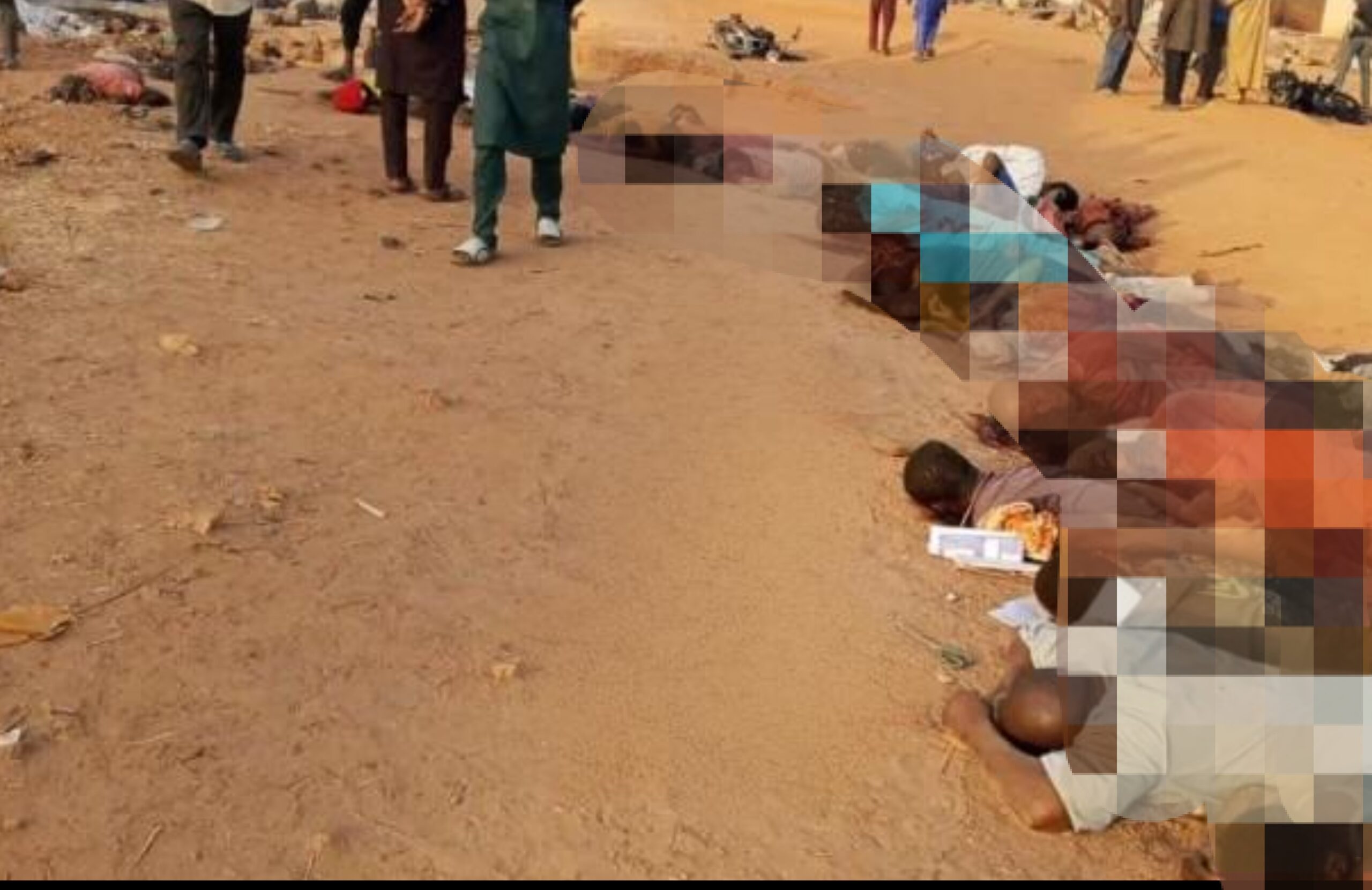
At least 162 people were killed in a devastating attack on Woro village, Kwara State, by suspected extremists. The Red Cross continues searching for bodies as the military deploys a battalion under Operation Savannah Shield.
Why It Matters:
This massacre exposes dangerous security vacuums persisting despite intensified military operations. It also shows that there is no end in sight for Nigeria’s security crisis, as terrorists are gradually taking over states that were once peaceful . Tinubu’s usual reactive troop deployment underscores a troubling pattern of military responses following catastrophe rather than preventing it.
2. SERAP Sues NNPC Over Alleged Missing ₦22.3bn, Foreign Oil Revenues

SERAP has filed suit against NNPC Limited at the Federal High Court, seeking to compel the oil company to account for allegedly missing revenues totalling ₦22.3 billion and millions in foreign currencies.
Why It Matters:
Whilst Nigerians queue for fuel and endure economic hardship and refineries lay dormant, billions in oil revenues vanish without accountability. SERAP’s lawsuit exposes how endemic corruption undermines development, oil wealth that should fund schools, hospitals, and infrastructure disappears into a black hole of impunity. It also confronts Nigeria’s defining paradox: staggering oil wealth coexisting with crushing poverty.
3. US Deploys Troops to Nigeria as Counterterrorism Cooperation Deepens
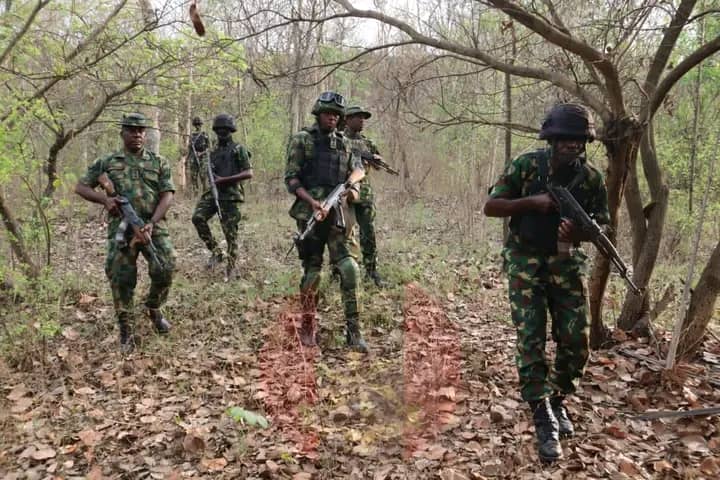
The United States has stationed a small military contingent in Nigeria focused on intelligence and operational support, its first ground presence since the December 2025 airstrikes against suspected Islamic State-linked targets.
Why It Matters:
American boots on Nigerian soil represents a significant sovereignty concession and an admission that Nigeria cannot secure itself. Nigeria can collaborate with US military without having boots on ground. Yet by accepting US troops, Nigeria tacitly acknowledges its military’s limitations. What does that say about state capacity? And what leverage does this give Washington over Abuja’s domestic and foreign policy decisions going forward?
READ ALSO: Bloodshed, Reform Warnings, and the Politics of Survival
4. Shoot Infrastructure Vandals on Sight — Presidential Spokesman Onanuga

Presidential spokesman Bayo Onanuga called for infrastructure vandals to be shot on sight, reacting to a video showing sabotaged federal road construction along the Ibadan-Ilesa-Ife highway.
Why It Matters:
Vandalism is a crime deserving prosecution, not summary execution. Onanuga’s statement, made without presidential repudiation, suggests the administration’s frustration has metastasised into contempt for due process. This rhetoric normalises state violence, emboldens security forces to abuse power, and reveals a government that views citizens as problems to be eliminated rather than people to be protected. It’s a short step from “shoot vandals” to “shoot protesters.”
5. Senate Rejects Mandatory E-Transmission of Election Results, as Abaribe Clarifies “Transmission” vs. “Transfer”
The Senate passed the amended Electoral Act but rejected mandatory electronic transmission of results. Senator Abaribe insists the chamber approved “transmission” over the vaguer “transfer,” though proceedings suggest otherwise.
Why It Matters:
This legislative farce exposes either stunning incompetence or deliberate obfuscation. Electronic transmission is the single most important electoral reform for preventing rigging, it creates a digital trail that makes manual result alteration harder. The confusion between “transmission” and “transfer” suggests either lawmakers don’t understand what they voted on, or they’re creating semantic loopholes to undermine electronic systems whilst claiming to support them. Either scenario is disastrous for electoral credibility.
Conclusion
This week stripped away any remaining illusion that Nigeria’s intersecting crises, security, corruption, governance, and democratic integrity, exist in isolation.
They are, in fact, symptoms of the same systemic malaise. The 162 lives lost in Kwara are inseparable from the billions allegedly siphoned from NNPC, because a nation that cannot account for its wealth cannot adequately fund its security.
The arrival of American troops is inseparable from the Senate’s electoral manoeuvrings, because a country that invites foreign soldiers to fight domestic battles while simultaneously weakening the democratic mechanisms meant to produce accountable leadership is one caught in a vicious circle of institutional failure.
Presidential spokesman Onanuga’s call for extrajudicial killings, rather than being an aberration, fits neatly into this ecosystem of dysfunction, a government reaching for the rhetoric of violence because the architecture of governance has failed.
Whether this week’s events become inflection points or merely footnotes will depend on whether Nigeria’s leaders possess the political will to match the scale of the crises confronting them. The evidence, thus far, is not encouraging.