
This week in Nigeria felt like a collision of wounds left untended. Thirty lives were cut short in savage attacks across Kebbi and Benue. A teenage student was gunned down on the way to his WAEC exam by a stray police bullet. Oil revenues worth ₦500 billion reportedly vanished, yet those meant to protect the national wealth remained silent.
In the North-East, Governor Zulum pointed fingers at soldiers and politicians as Boko Haram collaborators, while in Abuja, President Tinubu insisted his reforms were working, even as hunger tightens its grip.
These stories, each tragic in its own right, when pieced together, reflect a nation buckling under impunity, official silence, and a dangerous erosion of public trust.
1. Massacre in Kebbi, Benue: 30 Killed in Bandit, Gunmen Attacks

In Kebbi and Benue states, armed attackers killed at least 30 farmers and traders in coordinated weekend assaults. Victims included villagers wrapping up their day’s work and traders returning from a local market.
Why it Matters:
This isn’t just about numbers, it’s about farmers who fed communities and traders who powered local economies now lying dead, their blood soaking the earth. The recurring violence in agrarian areas worsens food insecurity, deepens poverty, and drives communities into fear. The lack of federal urgency sends a loud, haunting message: rural lives in Nigeria remain expendable. How long before mourning becomes policy?
2. SERAP to NNPCL: Account for Missing ₦500 Billion Oil Revenue

SERAP has accused NNPCL of failing to remit ₦500 billion in oil revenue generated between October and December 2024. The group is calling for EFCC and ICPC investigations and warns it will sue if the money isn’t traced within seven days. NNPCL has yet to respond.
Why it Matters:
₦500 billion is not abstract, it could build roads, equip hospitals, or feed families in IDP camps. Its disappearance confirms what Nigerians have long suspected: oil wealth flows up, never down. At a time when millions skip meals and states beg for allocations, the silence from NNPCL reflects a disturbing norm, looting in broad daylight without consequences. This is how nations bleed to death.
3. Police Bullet Kills WAEC Candidate, Triggers Ibadan Protest

A WAEC candidate was killed by a stray bullet during a police chase in Ibadan. The teen was heading to sit for his exam when an officer opened fire at a fleeing suspect. Grief turned to anger as protesters stormed the Oyo State Secretariat, demanding justice and accountability.
Why it Matters:
This unfortunate killing, was a system firing blindly at its future. That a student could be gunned down on the cusp of his academic milestone speaks volumes about police recklessness. Nigerians are tired of apologies after every wrongful death. Reform must move beyond paper to protocol, because the street shouldn’t be a death sentence for the innocent.
READ ALSO: Nigeria’s Week of Reckoning: Violence, Politics, and Democratic Drift
4. Zulum: Politicians, Soldiers Are Boko Haram Informants
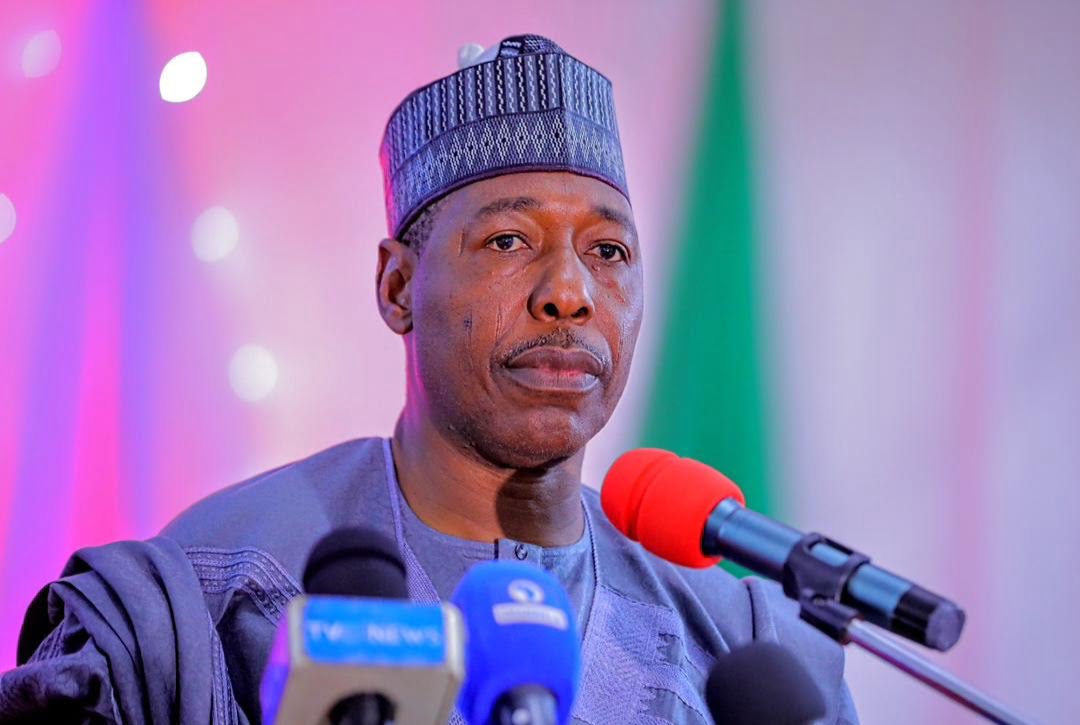
Borno State Governor Babagana Zulum alleged that some politicians and military personnel are aiding Boko Haram. He called for stronger intelligence efforts, criticised inadequate military equipment, and warned against politicising insecurity. He also defended the state’s reintegration efforts of repentant insurgents.
Why it Matters:
When a sitting governor points fingers at soldiers and politicians as enablers of terror, the nation should shudder. It means the war isn’t just against insurgents, but betrayal from within. Zulum’s remarks expose a hard truth: without cleansing the security and political ranks of saboteurs, no amount of military might can win this war. It’s a crisis of loyalty, not just logistics.
5. Tinubu: “My Reforms Are Working” Despite Widespread Pain
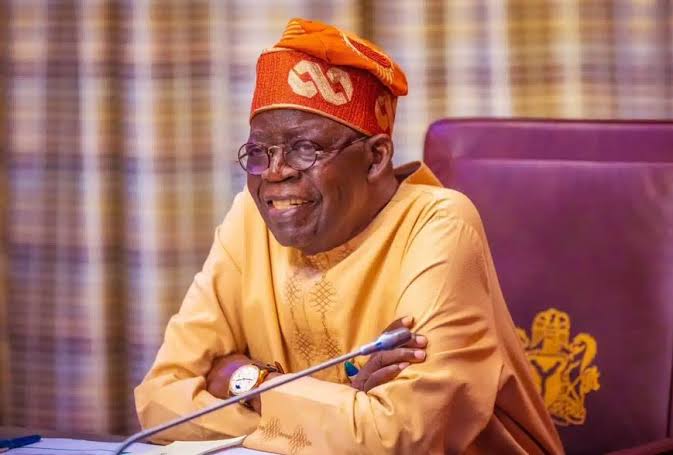
President Tinubu defended his economic reforms, saying hardship is temporary and necessary. He was endorsed as APC’s sole 2027 candidate, signalling party consolidation despite public discontent.
Why it Matters:
The president’s “no pain, no gain” mantra rings hollow for those whose pain has brought no relief. Reforms without safety nets only deepen inequality. The irony of a second-term endorsement amid worsening poverty is not lost on citizens. If reforms are truly working, Nigerians need to feel it in their kitchens, not just hear it at party banquets.
Conclusion: Nigeria’s Unrelenting Tension
This week’s stories are not isolated incidents; they are symptoms of a failing structure. From the North’s bloodied fields to the South-West’s grieving families, from missing billions in oil corridors to betrayals in the military, what ties it all together is the widening gap between the governed and those who govern.
Leadership, at its core, is service. But in today’s Nigeria, power often seems more about preservation than protection. Until that changes, these tragedies may remain headlines in a nation growing numb to its own unraveling.