
Nigeria’s official campaign season for the 2027 elections opened this week, but the starting gun was drowned out by gunfire in Plateau and the sound of another scandal cracking open in Abuja.
In Plateau, two attacks within three days left more than 50 people dead: over 30 slaughtered in Jwak Maitumbi as worshippers prepared for Sunday service, and at least 20 more, including women and children, cut down in Amper on Tuesday.
In the capital, FCT Minister Nyesom Wike offered a boast masquerading as loyalty, claiming the APC would have won Osun “at all costs” had President Tinubu wished it, a remark that says more about Nigerian elections than any observer report.
INEC, basking in rare praise for the Osun poll, promised 2027 would be better still.
And the ghost-agency saga metastasised: the ICPC unearthed yet another fake government office operating inside the Secretary to the Government of the Federation’s own complex, prompting Tinubu to order an arrest and suspend three Permanent Secretaries.
As candidates signed a Peace Accord and mounted their podiums, the week posed the campaign’s real questions: who will stop the killing, and who is actually running the Nigerian state?
1. Over 50 Killed In Twin Plateau Attacks
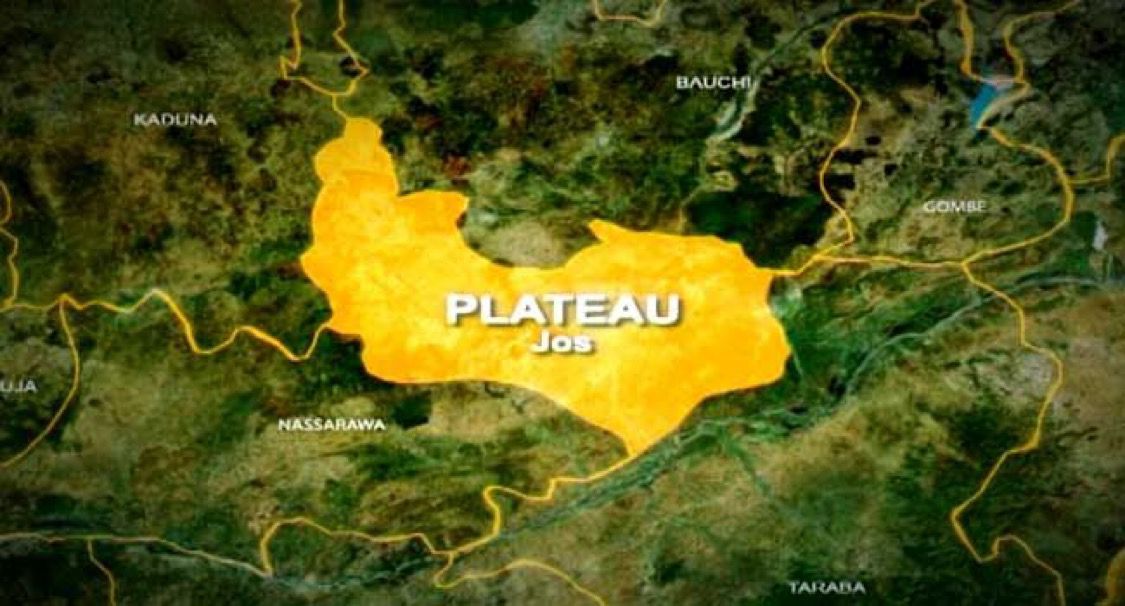
Suspected terrorists killed over 30 worshippers in Jwak Maitumbi on Sunday and at least 20 more in Amper on Tuesday, burning homes, churches and food barns as security help never came.
Why it Matters:
Mangu has now suffered three violent incidents in a single week, and in both major attacks, security forces failed to intervene in time despite distress calls from residents. This is a security failure of the highest order, and it shows how normalised insecurity is, that over 50 people killed within 72 hours in the same local government area. The absence of timely intervention suggests that either intelligence is absent, forces are overstretched, or political will to protect these communities is insufficient. As campaigns begin, Nigerians must ask candidates serious questions on their plans to combat insecurity.
2. Wike: I’d Have Helped APC Win Osun If Tinubu Wanted Victory At All Costs
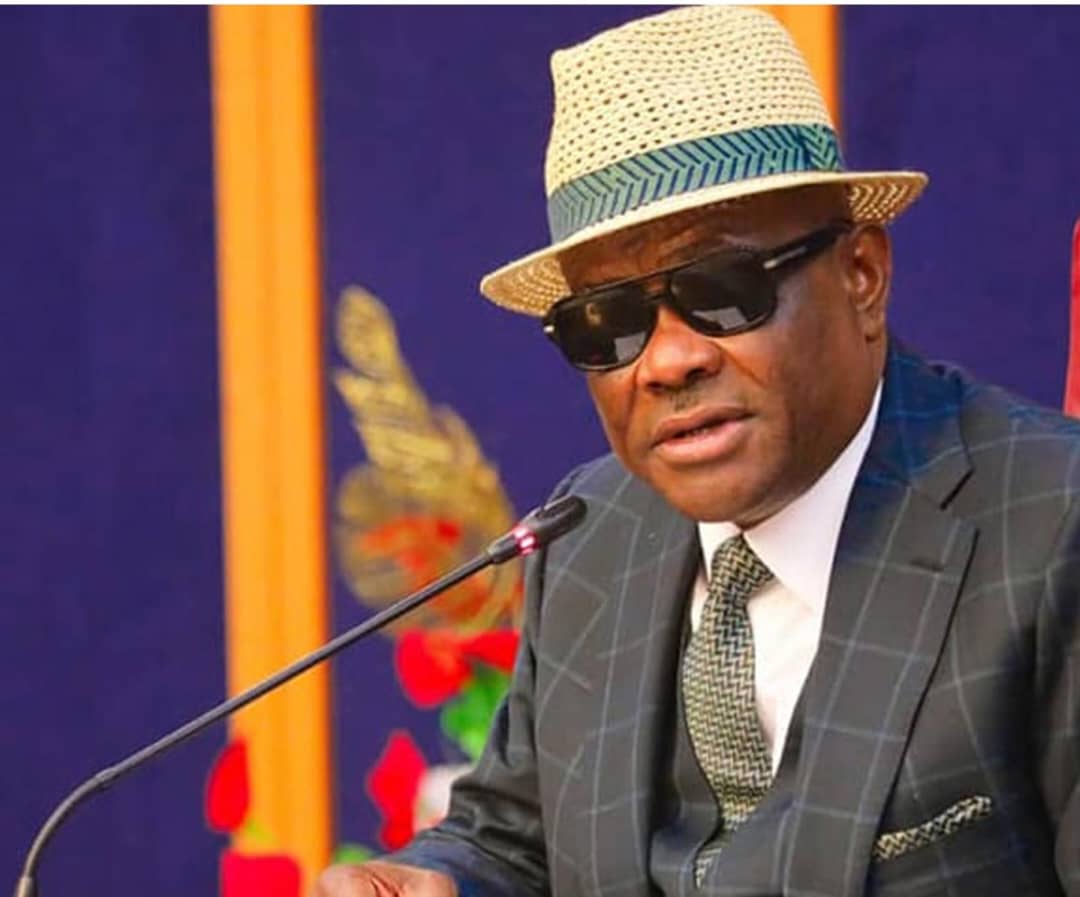
FCT Minister Nyesom Wike claimed the APC would have won Osun’s governorship election had President Tinubu desired victory “at all costs,” insisting his intervention would have rendered Adeleke helpless.
Why it Matters:
Wike’s statement is less a boast than an admission. He is telling Nigerians that election outcomes in this country are not determined solely by voters but by the level of political force deployed by those in power. That a serving minister says this casually, on camera, reveals how normalised the machinery of electoral capture has become. It validates every opposition fear about federal might and inadvertently diminishes Adeleke’s victory and INEC’s credit.
3. 2027 Polls: Campaign Season Begins Nationwide
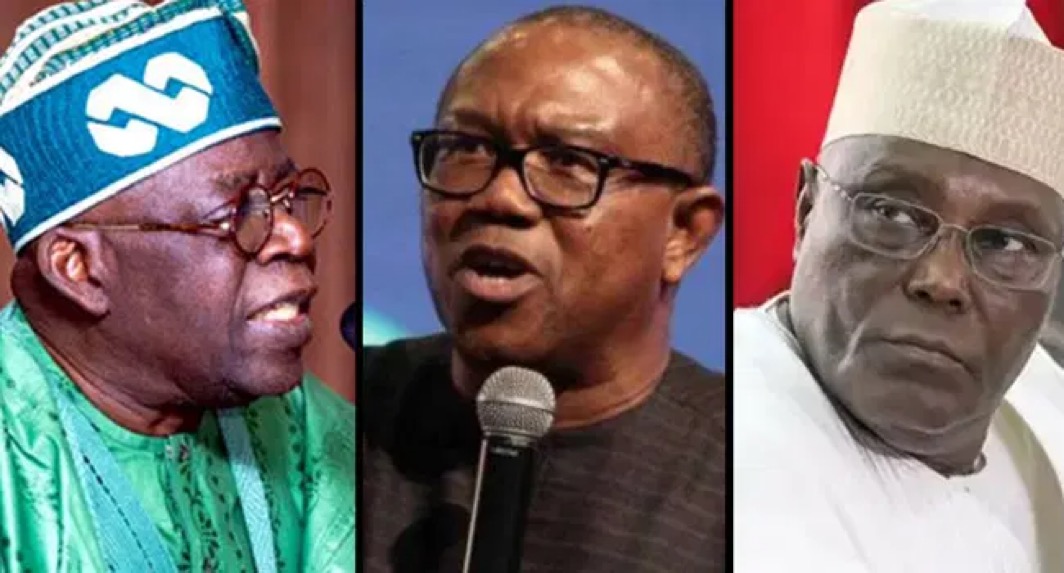
Campaign season formally opened August 19 for the January 16, 2027 presidential and National Assembly elections, a day after parties signed a National Peace Accord pledging violence-free electioneering.
Why it Matters:
The race is now official: Tinubu defending an 8.7 million-vote mandate against Atiku, Obi and a fragmented opposition field. However, the truest number in the story, is 27 per cent, the 2023 turnout that Cardinal Onaiyekan warned could shrink further if voters believe outcomes are preordained. The Peace Accord, signed hours before Wike’s “at all costs” boast, already reads like satire.
READ ALSO: Power, Bloodshed And Billions: Nigeria’s Week Of Reckoning
4. INEC Promises Improved 2027 Elections After Osun Poll
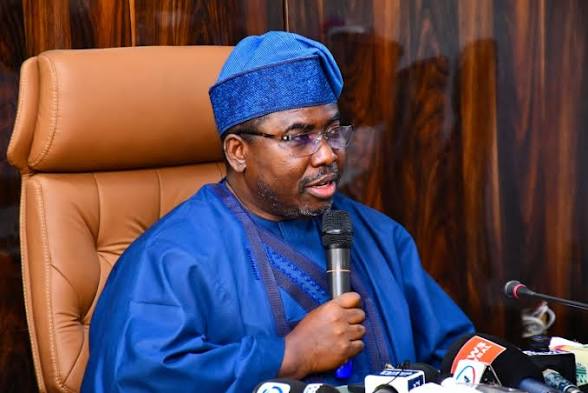
INEC pledged to build on the praised conduct of the Osun governorship election, with National Commissioner Mohammed Haruna assuring stakeholders that each election would improve upon the last.
Why it Matters:
Osun gave INEC something scarce: a poll whose loser’s party has not cried robbery, won by an opposition candidate against federal headwinds, frozen accounts, a removed police commissioner and all. That is genuine capital, but one state election with massive security deployment is a controlled experiment; January’s simultaneous nationwide polls are the real test. Cardinal Onaiyekan’s warning from the previous week, that Nigerians may boycott 2027 if they believe the outcome is predetermined, is another test INEC faces.
5. Tinubu Orders Arrest, Suspends Three Perm Secs Over Another Fake Agency Discovery
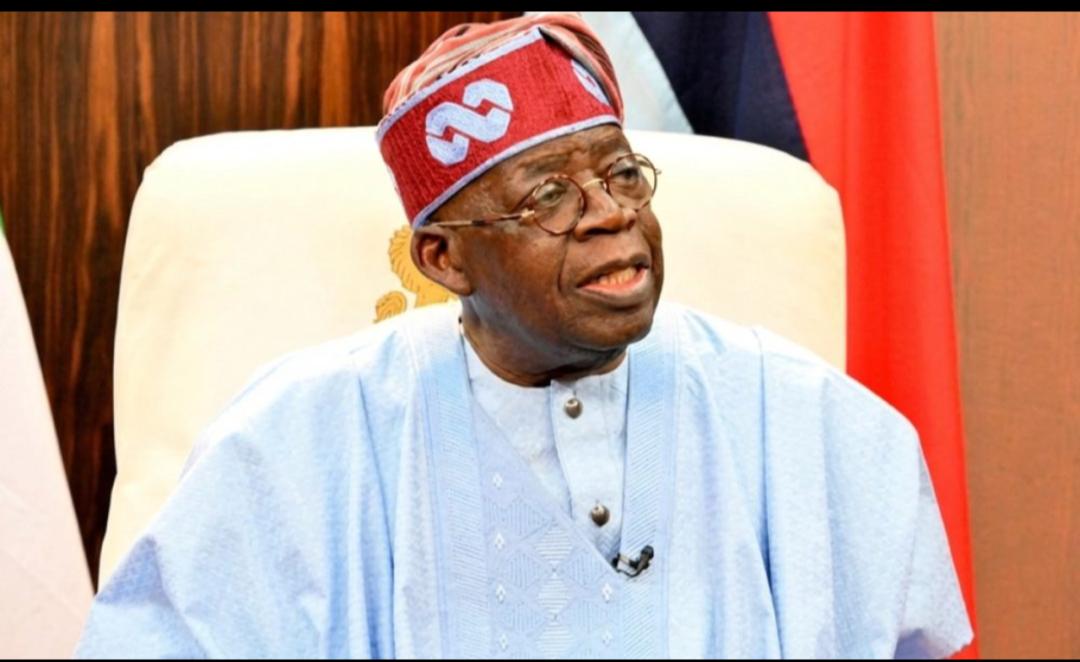
Following ICPC findings, Tinubu ordered Prince George Nwabueze’s arrest and suspended three Permanent Secretaries after another fake agency was found operating inside the OSGF complex.
Why it Matters:
The discovery of a second fictitious agency operating inside another government complex confirms that the PFIPC scandal was not an isolated incident. It reveals a pattern: fake offices, forged documents, and unauthorised access to government facilities and budgetary allocations. The suspension of three permanent secretaries raises the most troubling question of all, how does a fictitious body secure office space within the most sensitive administrative complex in the country without complicity from people who work there? That question has not been answered.
Conclusion
The campaign for Nigeria’s future formally began this week in a country struggling to perform the basic functions of a state, and it will be fought in rallies and slogans, but they should be judged against Mangu’s blood-soaked lands and the phantom government agencies. The candidate worth electing in January is the one with a serious answer to this week’s twin exposures: a state absent where it is needed most, and infiltrated where it should be most secure. Nigerians, now officially voters again, should demand nothing less on every podium between here and January 16.