
The political landscape this week offered a glimpse of the competing forces likely to shape Nigeria’s journey towards the 2027 general elections.
In Calabar, Vice-President Kashim Shettima sought to strengthen the APC’s electoral appeal, presenting the ruling party as a trusted partner of Nigerians.
But the opposition faced fresh uncertainty after a Federal High Court nullified the David Mark-led leadership of the African Democratic Congress (ADC), affecting its candidates, including Atiku Abubakar.
Beyond party politics, INEC Chairman Joash Amupitan warned that artificial intelligence could become a tool for electoral deception, even as the commission considers its administrative benefits.
President Bola Tinubu’s request for another $7.7 billion in foreign borrowing also revived questions about debt sustainability and public accountability.
Meanwhile, Sheikh Ahmad Gumi’s unsubstantiated allegations about foreign involvement in banditry and Peter Obi’s account of an attack on his campaign convoy highlighted the country’s continuing security challenges and the risks surrounding political engagement.
1. Shettima Woos Voters, Calls APC Nigerians’ Most Trustworthy Friend
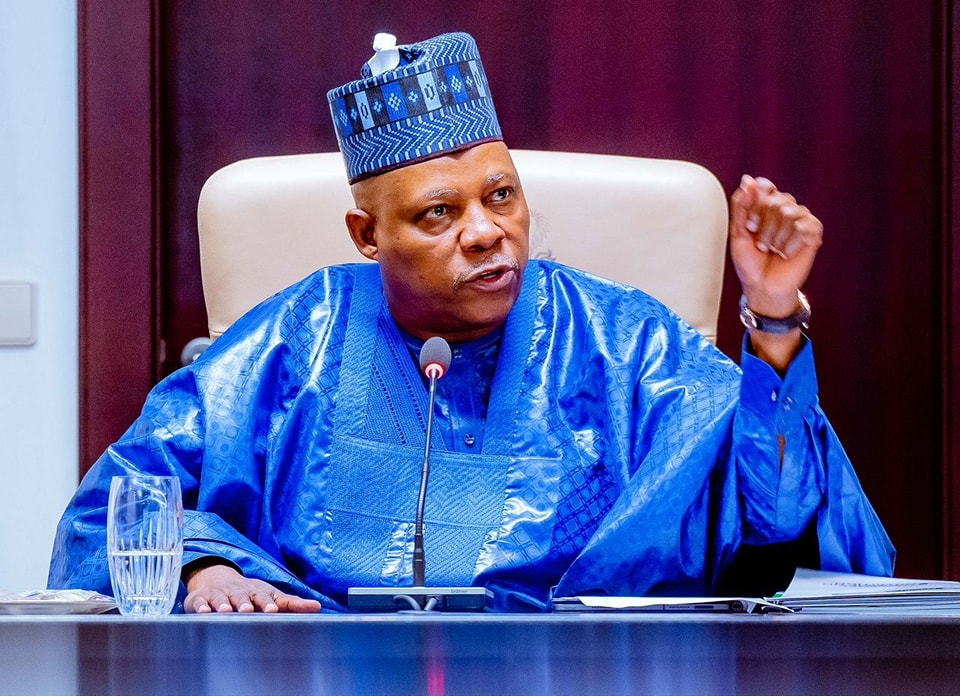
Vice-President Kashim Shettima campaigned in Calabar for renewed APC mandates in 2027, describing the ruling party as Nigerians’ most trustworthy friend and praising Cross River voters’ loyalty ahead of elections.
Why it Matters:
Shettima’s “most trustworthy friend” framing reflects the political challenge confronting the APC heading into 2027, persuading voters whose purchasing power, security and public services have measurably declined under the administration to renew its mandate. Trust, by definition, is not claimed but demonstrated. With 54 per cent of voters telling Yiaga Africa they disapprove of Tinubu’s performance, rhetorical appeals to friendship must now compete with lived economic realities that no amount of campaign language can dissolve.
2. Court Sacks David Mark-Led ADC, Nullifies Atiku’s Candidacy

Justice Peter Lifu nullified the David Mark-led ADC leadership and party nominations, following Nafiu Bala Gombe’s challenge, placing Atiku Abubakar’s 2027 candidacy and participation in uncertainty pending further legal proceedings.
Why it Matters:
The judgment throws Nigeria’s opposition landscape into immediate crisis less than ten weeks before the presidential election. If upheld on appeal, the ruling effectively removes one of the three leading opposition candidates from the contest, which vindicates Atiku’s old warning of plots to force the ADC off the ballot. Even if reversed, the legal uncertainty will consume campaign resources, divide opposition attention and create precisely the conditions in which the ruling party benefits from fragmentation.
3. Cloned Voices, Deepfakes: Amupitan Warns Of AI Threats To 2027 Polls
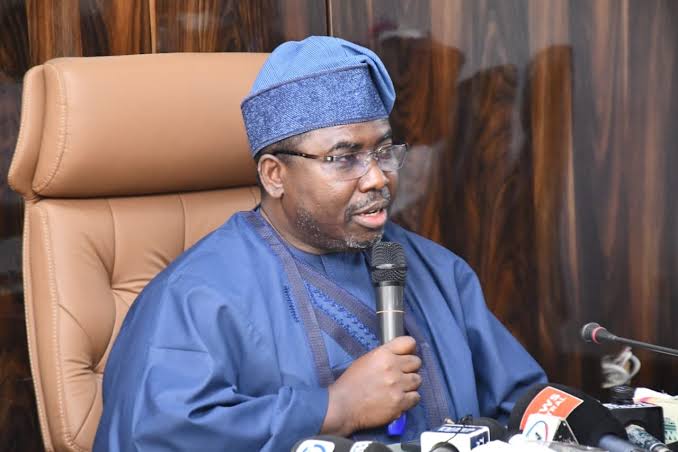
INEC Chairman Joash Amupitan warned that cheap generative AI tools could enable cloned voices and fabricated election announcements, while arguing properly governed technology could strengthen electoral administration and voter confidence.
READ ALSO: Abductions, Gun Debates, Party Battles Define Nigeria’s Troubled Week
Why it Matters:
Amupitan’s warning carries particular weight because INEC is simultaneously defending its own voters’ register against allegations that AI-generated photographs were introduced by its own registration officers. The commission’s dual position, warning against external AI manipulation while investigating internal AI misuse, captures the scale of the digital integrity challenge ahead. Nigeria’s 2027 election will be the first in which synthetic media manipulation could meaningfully influence voter perceptions on election day itself.
4. Tinubu Seeks Senate Nod For Fresh $7.7bn Foreign Loan
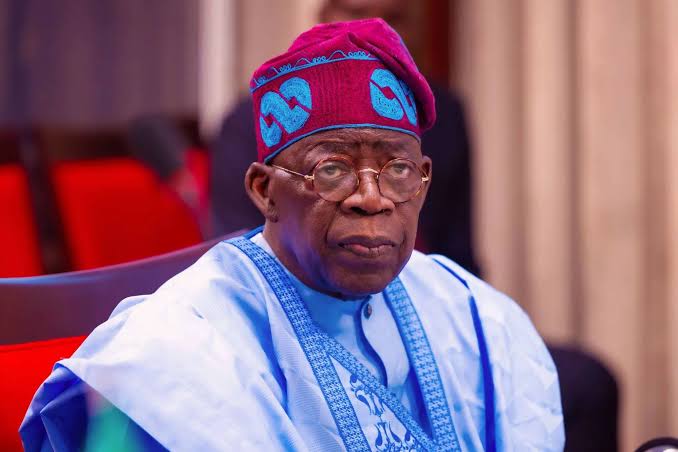
President Bola Tinubu asked the Senate to approve a fresh 7.7-billion-dollar external borrowing package for the 2026 budget, superseding an earlier financing proposal submitted days earlier for national development priorities.
Why it Matters:
The request renews scrutiny of the government’s reliance on external borrowing to finance public spending. Examining the revision from $20.52bn to $7.7bn within a week suggests either responsive restraint or improvisational fiscal planning, neither reading flatters the budgeting process. Stacked atop March’s $6bn package and record ₦166tn debt, each request deepens Nigeria’s servicing burden. With a substantial budget deficit already approved, Nigerians will reasonably expect transparent disclosure and evidence that additional debt produces measurable public value.
5. Gumi Alleges Foreign Intelligence Agencies Have Hand In Banditry

Sheikh Ahmad Gumi alleged, without presenting evidence, that foreign intelligence agencies were involved in arming Nigerian bandits, while advocating dialogue and describing violence as a cycle of revenge and retaliation.
Why it Matters:
Gumi’s unsupported allegation of foreign intelligence involvement is politically explosive but requires evidentiary scrutiny before it can inform policy response. More consequential is his continued portrayal of bandits as victims of circumstance seeking dialogue, a framing that has shaped the negotiation-first approach to North-West security policy. The question of whether banditry is driven by domestic failures, foreign manipulation or both affects every assumption underlying Nigeria’s counterinsurgency strategy going forward.
6. Peter Obi Condemns Political Intimidation After Convoy Attack In Calabar
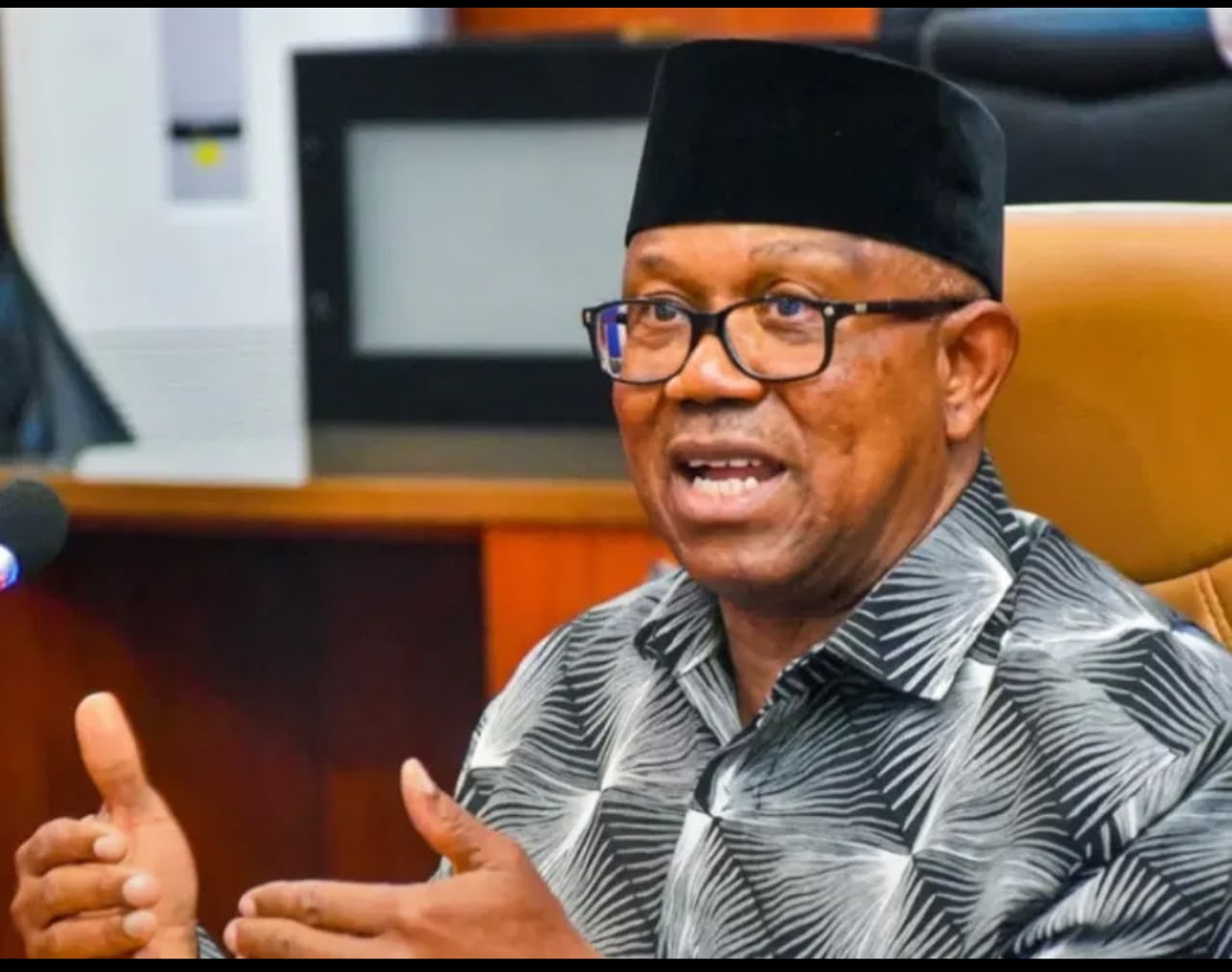
NDC presidential candidate Peter Obi condemned an alleged assault on his campaign convoy in Calabar, saying political intimidation would not be tolerated as parties prepare for the 2027 general elections.
Why it Matters:
The reported incident raises concerns about campaign safety, freedom of movement and the ability of candidates to reach voters without intimidation. This is the second physical obstruction of Obi’s movement in two months, after Benue’s blockade. Calabar hosted Shettima’s APC rally unmolested days earlier, as such, it sharpens the contrast opposition supporters will draw. Authorities should investigate the damage, alleged weapons and reported injury, identify those responsible and provide security assurances. Political leaders must restrain supporters and reject violence unequivocally; an election cannot be credible if campaigning becomes a test of physical risk.
Conclusion
The developments of the week underline the difficult choices confronting Nigeria as political competition gathers momentum.
For Nigerians, the central question is not simply which political party can win the next election. It is whether the institutions responsible for governing, protecting and representing them can deliver the stability, accountability and credible choices that democracy demands.