
Nigeria moved through another politically charged week caught between insecurity, electoral positioning, economic anxiety and growing concerns about democratic accountability.
In Kwara State, gunmen attacked worshippers during a night vigil, killing three and abducting 15, deepening fears that insecurity is spreading into previously calmer communities.
At the same time, Defence Minister Christopher Musa rated the Tinubu administration between 65 and 70 per cent on security performance, even as fresh school abductions and deadly attacks fuel public scepticism.
Politically, President Bola Ahmed Tinubu secured the APC presidential ticket for 2027 through nationwide direct primaries, consolidating his hold on the ruling party.
Yet opposition politics also shifted rapidly, with former Vice President Atiku Abubakar emerging as ADC presidential candidate after a disputed process rejected by key rivals.
Meanwhile, the Federal Capital Territory Administration under Nyesom Wike warned hotels and event centres against hosting “illegal political groups,” prompting concerns over political freedoms in a season already marked by rising tensions.
1. Gunmen Kill Worshippers, Abduct 15 In Kwara Prayer Ground Attack
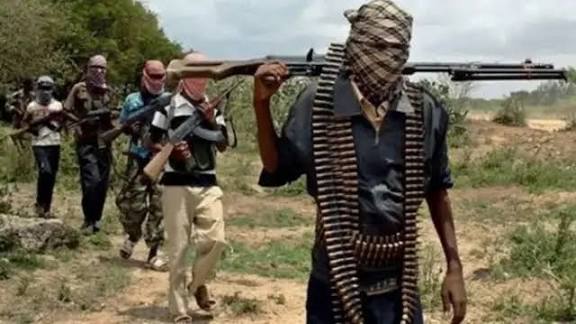
Armed men stormed a prayer ground in Kwara’s Ekiti Local Government Area, killing three worshippers and abducting 15 others during a night vigil, reviving fears over recurring attacks on rural religious communities.
Why it Matters:
The attack reinforces fears that insecurity is spreading deeper into Nigeria’s Middle Belt and Southwest corridors, following similar attacks in Oyo state as well. Despite repeated government assurances, rural communities are losing faith in the state’s protective capacity. This attack, coming days after schoolchildren were abducted in Oyo and Borno, reinforces the narrative that insecurity has become Nigeria’s most persistent governance failure since the rise of Boko Haram. It damages the Tinubu administration’s credibility on security and risks turning religious communities into political pressure points ahead of 2027.
2. Defence Minister Scores Tinubu Government 65 To 70 Per Cent On Security
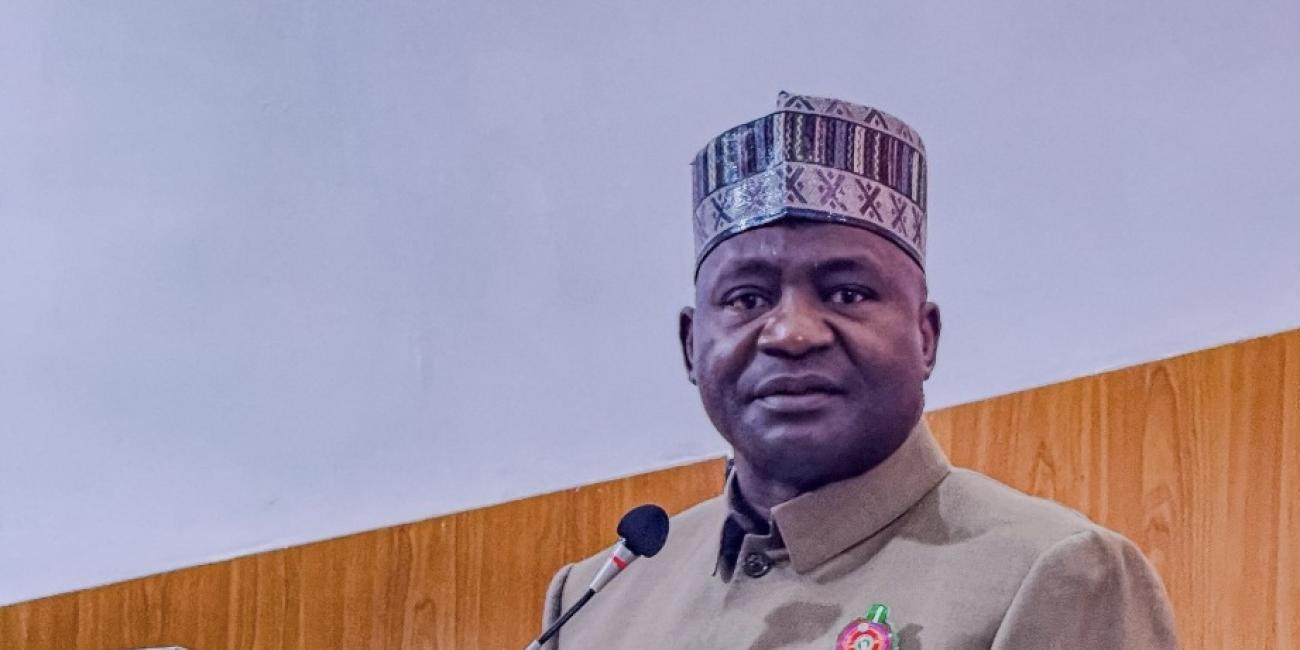
Defence Minister Christopher Musa rated the administration’s security performance at between 65 and 70 per cent, arguing terrorism had reduced despite persistent kidnappings, school attacks and rising public anxiety nationwide.
Why it Matters:
Few statements better capture the growing disconnect between official rhetoric and public reality. Although military gains against insurgents are measurable, recurring kidnappings and school attacks continue to define public experience. By shifting blame to “family values” and “greed,” the government appears to be excusing systemic security failures that have persisted across PDP and APC administrations. This defensive posture risks deepening public cynicism and handing opposition parties a potent campaign issue.
3. Tinubu Secures APC Presidential Ticket For 2027

President Bola Tinubu clinched the APC presidential ticket after winning nationwide direct primaries across 8,809 wards, defeating challenger Stanley Osifo and receiving the party’s certificate of return in Abuja.
Why it Matters:
The result was never in doubt, but the scale of the victory and the absence of serious internal challengers confirm Tinubu’s total dominance of the APC. It also highlights the shrinking space for genuine competition within the ruling party. While this gives Tinubu a strong platform, it deprives the electorate of a robust primary contest that could have tested his ideas and popularity. With his 2027 ticket now secured, attention shifts to an opposition that remains fractured and contested. The presidency has effectively begun its re-election campaign, even as governance challenges mount.
READ ALSO: Confrontation, Reforms, and Institutional Decay: Nigeria’s Week Of Reckoning
4. Wike Threatens To Revoke Titles Of FCT Hotels, Event Centres Hosting ‘Illegal Political Groups’
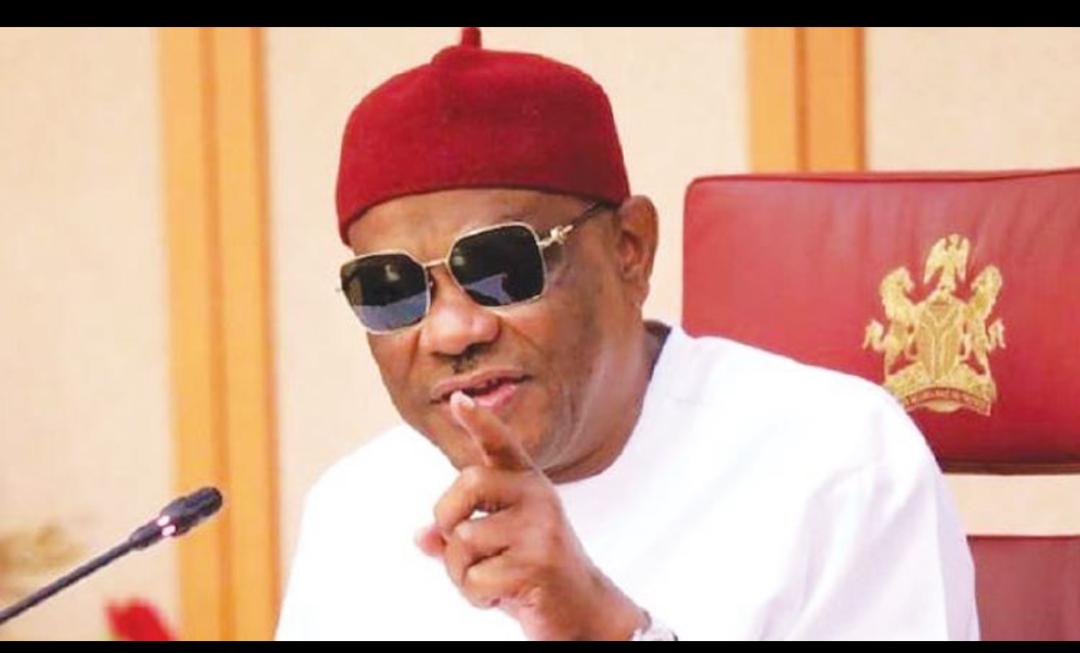
The FCTA warned hotels and event centres against hosting gatherings linked to unrecognised political groups, threatening title revocations for operators who fail to verify organisations or comply with regulations.
Why it Matters:
The directive raises difficult constitutional questions about association, political activity, and state power. In an already tense pre-election atmosphere, vague definitions of “illegal political groups” risk selective enforcement. By threatening property rights to suppress rival political activity, the minister is setting a dangerous precedent that echoes military-era tactics. It further fractures the PDP and fuels accusations that the Tinubu administration is comfortable with using federal institutions to tilt the political playing field.
5. Atiku Wins ADC Ticket As Amaechi, Hayatu-Deen Reject Process
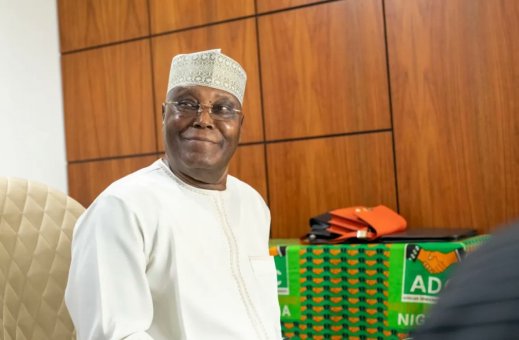
Former Vice President Atiku Abubakar emerged ADC presidential candidate after a nationwide primary, though rivals Rotimi Amaechi and Mohammed Hayatu-Deen rejected the process, alleging disenfranchisement and procedural irregularities.
Why it Matters:
Opposition parties cannot promise democratic rescue while reproducing the same procedural distrust they condemn in government. Atiku’s victory should have clarified the ADC’s role in 2027; instead, the immediate revolt raises questions about legitimacy, internal cohesion and elite bargaining. A party that cannot persuade its own aspirants that the process was fair, persuading the country will be harder for everyone. If unresolved, disputes within ADC may weaken its ability to build momentum against an incumbent government already consolidating political structures nationwide.
Conclusion
Nigeria this week held up a mirror to itself, and the reflection was uncomfortable, as a country campaigning and grieving simultaneously.
Political actors are already positioning aggressively for 2027, yet insecurity continues to invade schools, churches and rural communities with disturbing frequency.
Tinubu has secured his party’s mandate, Atiku has entered the race through a troubled opposition process, and institutions are beginning to tighten around political activity.
However, beneath the power plays lies a harder national question: can governance still reassure citizens struggling to feel protected, economically secure or politically heard?
As Nigeria edges toward another defining election, the contest may become less about personalities and more about whether citizens believe the state still possesses the capacity, legitimacy and urgency to govern effectively.