
Nigeria’s political temperature rose sharply this week as the country moved into the final stretch of the Osun governorship election and continued its uneasy march towards the 2027 general elections.
At the Goodluck Jonathan Foundation Democracy Dialogue in Bauchi, Peter Obi warned that Nigeria’s democratic institutions were losing their independence, accusing political actors, professionals and even sections of the judiciary of enabling practices that weaken elections.
Former President Goodluck Jonathan, at the same forum, raised a different but related concern: the growing tendency to settle political contests in court rather than through credible electoral processes.
Meanwhile, Oyo State Governor Seyi Makinde called for opposition parties to cooperate ahead of 2027, arguing that Nigerians need an alternative built around measurable improvements rather than slogans.
The political contest also acquired a major legal dimension as former Vice-President and ADC presidential candidate Atiku Abubakar approached the Federal High Court seeking President Bola Tinubu’s disqualification from the 2027 presidential race over allegations concerning an NYSC certificate.
In Osun, where voters are due to elect a governor on August 15, political rhetoric became more disturbing after Senator Francis Fadahunsi was accused of urging supporters to “kill” members of the Accord Party.
The senator subsequently said his words were metaphorical and meant defeating Accord at the ballot box. He later appeared before the police for questioning.
These stories reveal a democracy approaching another decisive electoral test while struggling with questions of institutional credibility, opposition cohesion, judicial authority and political restraint.
1. Obi: Professors Now Aid Illiterates To Rig Elections
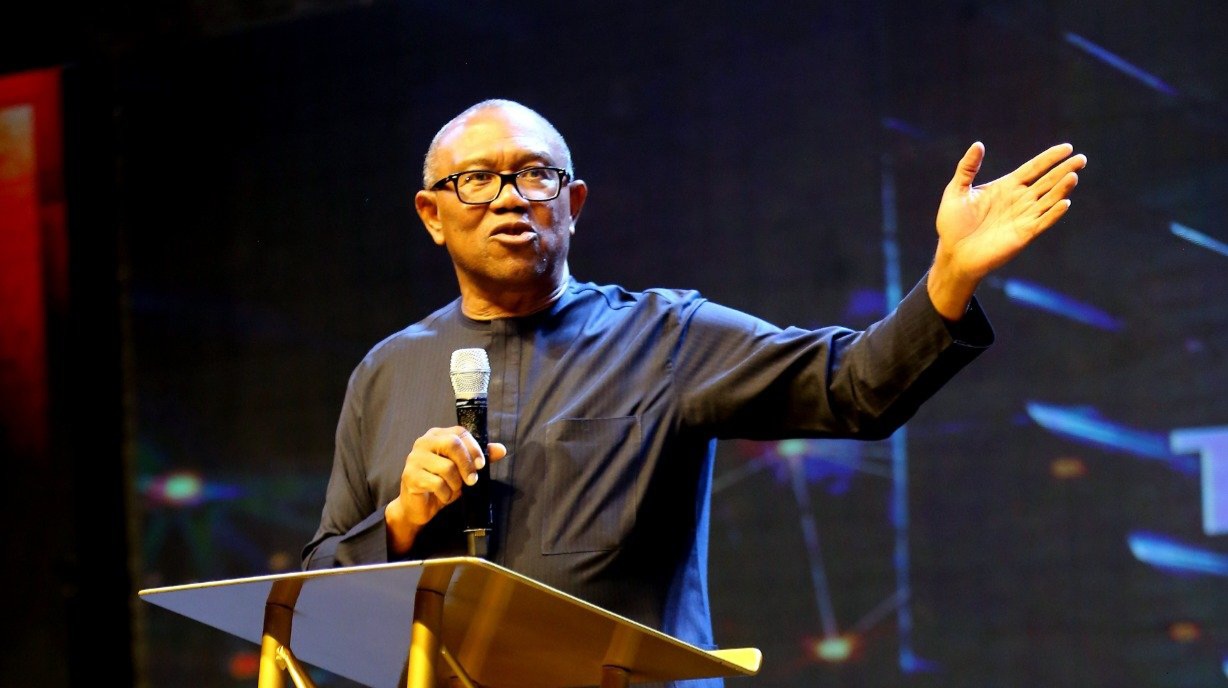
Peter Obi warned that Nigeria’s democratic institutions are weakening, accusing political actors and professionals of enabling electoral malpractice while lamenting declining judicial independence and urging Nigerians to resist normalising institutional abuse.
Why it Matters:
Obi’s warning resonates with growing public concerns about the credibility of Nigeria’s democratic institutions. While his allegations about academics, lawyers, religious leaders and judges facilitating electoral malpractice are not established facts, they reflect anxieties over perceived impunity, weakened safeguards and declining institutional trust. The danger is that normalising institutional failure could make electoral abuse seem inevitable, discouraging participation and weakening democratic accountability.
2. 2027: Makinde Urges APM Alliance With Other Opposition Parties
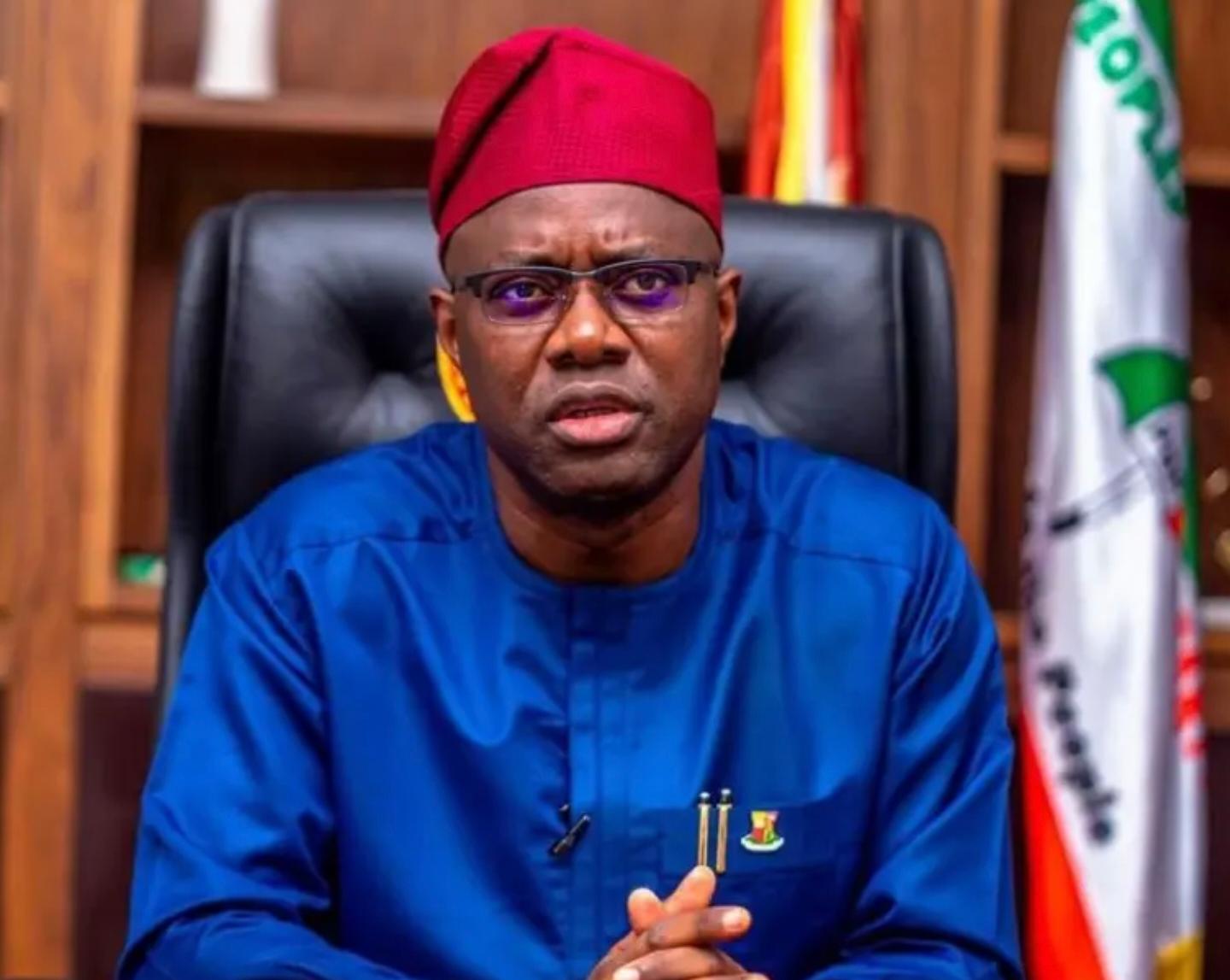
Seyi Makinde urged opposition parties to cooperate ahead of 2027, arguing that Nigerians need a credible alternative built on measurable improvements in livelihoods, security, jobs, accountability and effective governance.
Why it Matters:
Makinde identifies one of the opposition’s enduring weaknesses: numerical strength without strategic coherence. Nigeria’s opposition parties have repeatedly struggled to translate public dissatisfaction with governments into a united electoral proposition, therefore, an alliance built solely around defeating the APC may prove fragile. Perhaps, the central challenge around the proposed opposition coalition is who will be the flagbearer to challenge Tinubu at the polls.
3. Jonathan: Excessive Election Litigation Weakening Nigeria’s Democratic Process
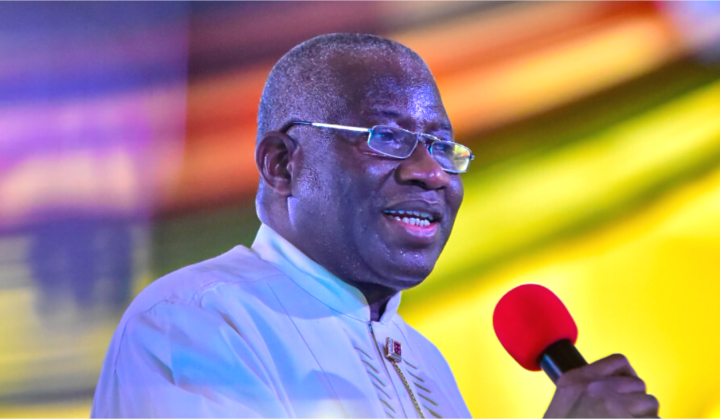
Goodluck Jonathan criticised Nigeria’s excessive electoral litigation, warning that courts increasingly determine political outcomes and party candidacies, thereby weakening electoral institutions and shifting democratic authority away from voters.
Why it Matters:
Nigeria’s electoral system has increasingly developed a second arena of contest after election day: the courtroom. While judicial review is indispensable to democracy, the scale of electoral litigation raises questions about the quality of elections themselves and the confidence political actors have in electoral institutions. The deeper issue is not whether politicians should have access to courts, they should. It is whether elections can become sufficiently transparent, credible and trusted that courts are used principally to correct genuine violations rather than functioning as an almost expected extension of political competition.
READ ALSO: Verdicts, Vendettas, Vanishing Billions: A Nation On Trial
4. 2027: Atiku Sues Tinubu, Seeks Disqualification Over Alleged NYSC Certificate Forgery
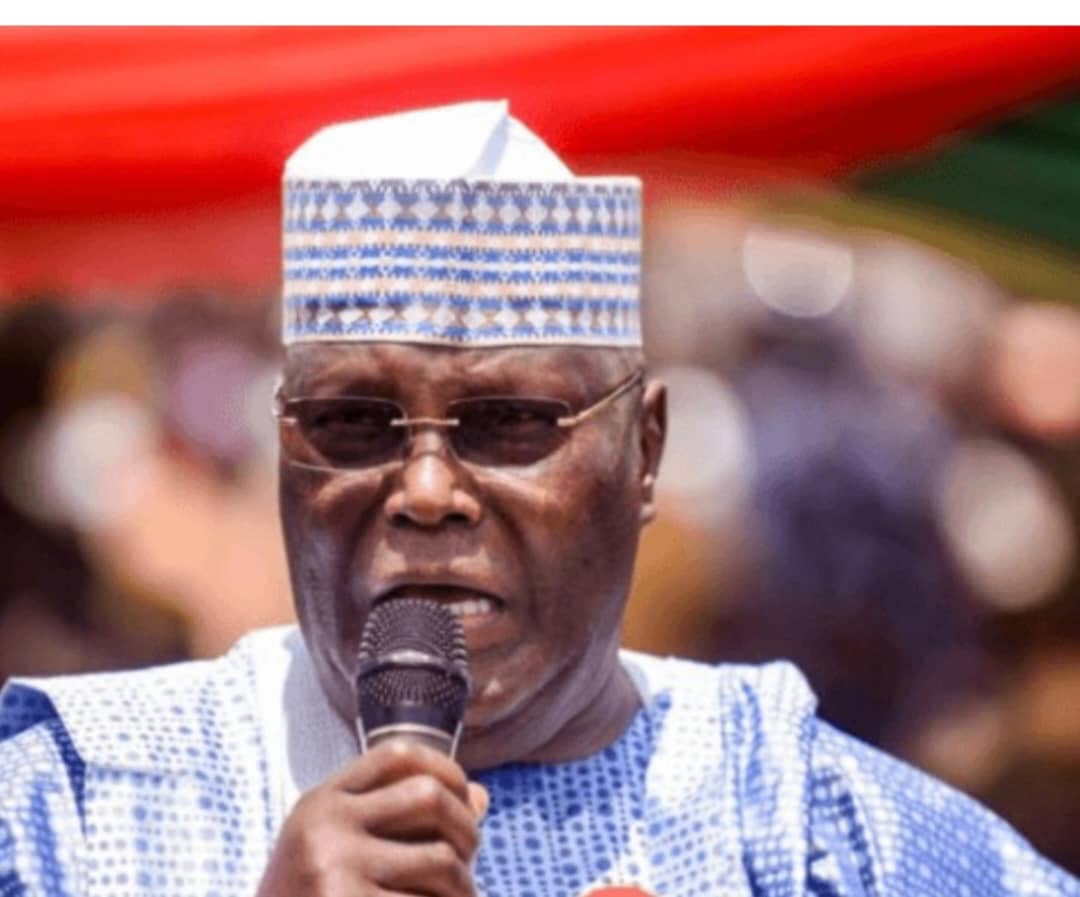
Atiku Abubakar and the ADC asked the Federal High Court to disqualify President Tinubu from the 2027 election over an alleged forged NYSC certificate, placing the dispute over presidential eligibility before the judiciary.
Why it Matters:
The suit revives the certificate wars that have shadowed Tinubu since Chicago State University, but with sharper constitutional stakes: can the Electoral Act 2026 shield candidates from pre-election qualification challenges the Constitution expressly permits? Atiku’s personal appearance at the registry signals total commitment. Yet the gambit cuts both ways, it forces judicial scrutiny of Tinubu’s records while embodying precisely the litigation culture Jonathan decried in Bauchi.
5. Osun APC Senator Urges Supporters To “Kill Accord Members”
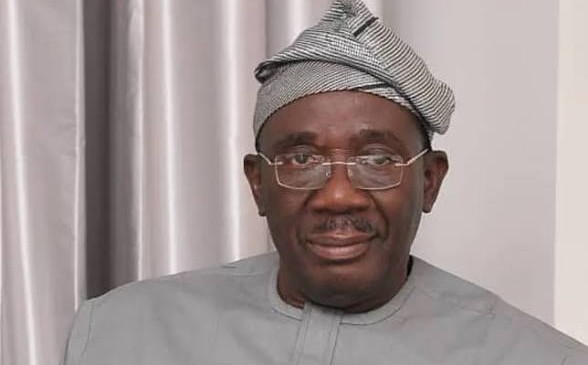
A video allegedly showed Senator Francis Fadahunsi calling for Accord members to be killed ahead of Osun’s election. He later said “kill Accord” meant defeating the party through votes, not violence.
Why it Matters:
“Kill them” spoken in a charged political atmosphere three days before a governorship election is not a metaphor, but like a match thrown near petrol. Senator Fadahunsi, a member of the highest house of Nigeria’s legislature, should have known better than to heat up the polity in an already tensed atmosphere. In a state where the SSG was recently arrested (and later released)for vote-buying and PVC centres have been raided, the language of violence, however “metaphorical,” does irreversible damage to the atmosphere in which ordinary Nigerians must find the courage to vote.
Conclusion
This week’s politics reveals a democracy facing pressure from several directions at once, but the deeper concern is institutional trust, because a democracy cannot survive on elections alone, it requires credible political parties, an independent judiciary, impartial electoral administration, professional security agencies and politicians willing to accept rules even when those rules work against them.
As Osun voters head to the polls, the immediate test is whether political competition can remain peaceful and whether institutions can demonstrate enough independence to command public confidence.
Beyond Osun lies the much larger 2027 question: whether Nigeria can conduct an election in which citizens believe their votes, not courts, violence, incumbency or political manipulation, ultimately determine who governs them.