
Nigeria’s political landscape this week resembles a high-stakes chessboard, with every move, from courtrooms to crisis zones, shaping the path to 2027. Senate President Akpabio’s legal tussle to keep Senator Natasha suspended signals deep institutional turf wars. Meanwhile, the massacre in Plateau exposes the state’s lingering fragility and the impotence of security architecture.
Atiku Abubakar’s departure from the PDP, a party he helped found, has detonated the opposition space, triggering PDP’s overtures to Peter Obi, who now emerges as the most courted figure in opposition politics.
In Edo, Governor Okpebholo’s inflammatory rhetoric against Peter Obi adds to growing concerns about politicised security. On the international front, Nigeria’s military pushes back against Turkey’s warnings over alleged terror elements, asserting sovereignty in a world quick to interfere.
Together, these stories paint a picture of a nation grappling with internal fragmentation, elite mistrust, and a political class desperately trying to recalibrate amid public disillusionment.
1. Akpabio Appeals Court Order to Reinstate Suspended Senator Natasha Akpoti-Uduaghan
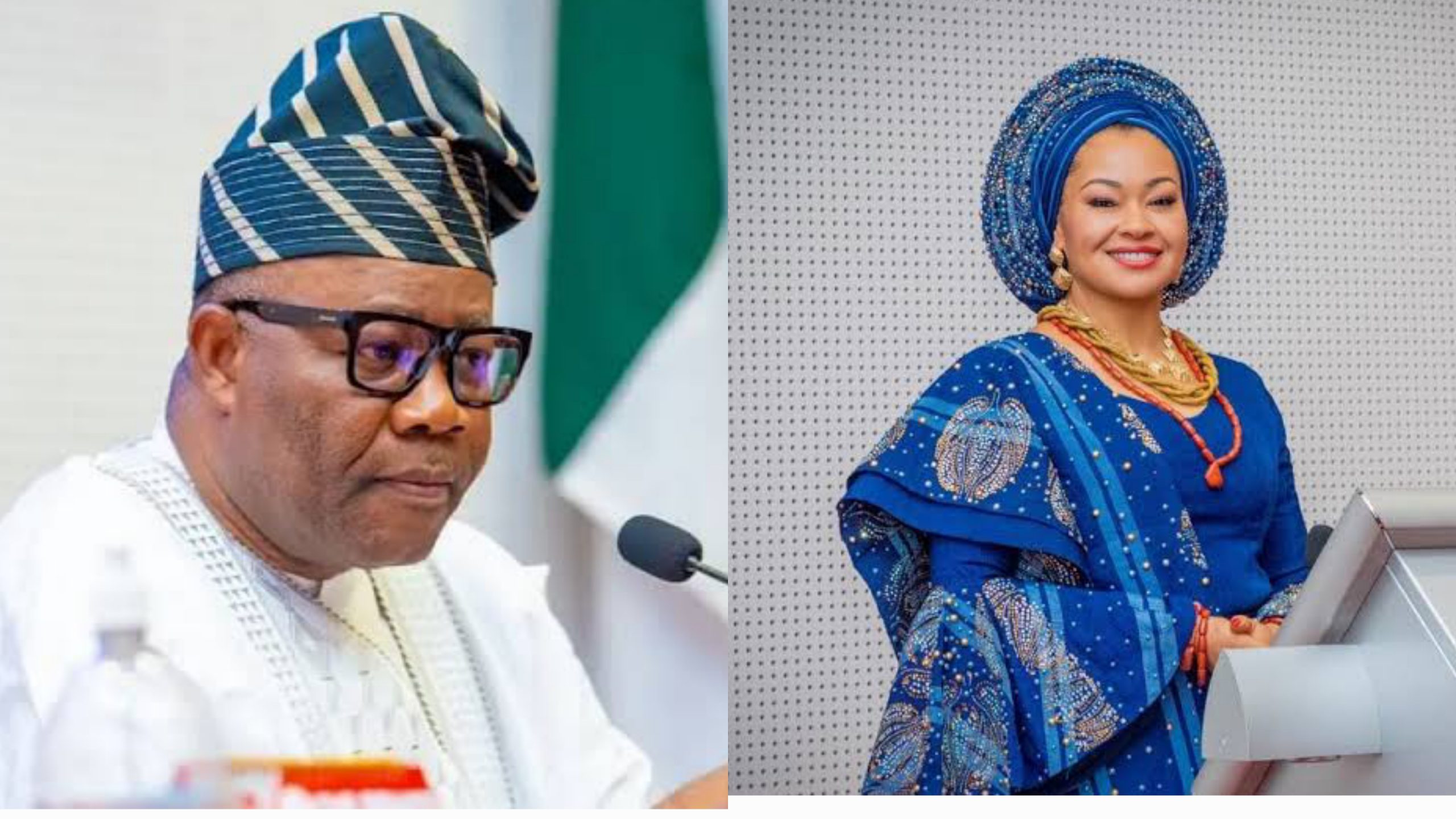
Senate President Godswill Akpabio has appealed a Federal High Court judgment that ordered the recall of Senator Natasha Akpoti-Uduaghan, calling the decision an unconstitutional interference in legislative matters. The court had ruled her six-month suspension excessive and lacking legal basis. Akpabio’s appeal argues judicial overreach and procedural violations.
Why it Matters:
The outcome of this legal wrangling could affect how lawmakers are disciplined and whether courts can intervene when legislators are sidelined. Nigerians are watching to see if politics will continue to influence justice or if this signals a step toward more balanced power among government institutions. Either way, it raises questions about how power is wielded and checked within Nigeria’s democracy.
2. 20 Killed in Plateau Massacre Amid Escalating Insecurity

At least 20 villagers were slaughtered in a house-to-house attack in Bindi, Plateau State. Despite military presence, the assailants carried out the massacre unchallenged. Senator Pam Dachungyang described the crisis as war-like and called for a full military overhaul.
Why it Matters:
These unfortunate killings have become one too many and Nigerians have now scarily numb. It underscores Nigeria’s deep failure to protect citizens, especially rural, farming communities vital to food security. The state’s inability to prevent repeated attacks erodes public trust and may push communities into self-defence or secessionist thinking.
3. Atiku Abubakar Quits PDP, Citing Irreconcilable Differences

Former Vice President Atiku Abubakar has officially resigned from the PDP, citing the party’s departure from its founding ideals. His move follows growing alignment with the ADC-led coalition, signaling a realignment of Nigeria’s political opposition ahead of 2027.
Why it Matters:
Atiku’s exit destabilises the PDP and shifts power to emerging coalitions. It signals serious cracks in major political parties and raises questions about leadership loyalty. Nigerians hoping for change in 2027 will need to assess whether these shifts mean anything beyond familiar faces changing parties.
READ ALSO: Nigeria in Flux: PDP’s 2027 Ambitions, Banditry Chaos, and Budget Alarms Shake the Nation
4. Military Rejects Turkey’s Claim of Terror Group Presence in Nigeria

Nigeria’s Defence Headquarters dismissed Turkish Ambassador Mehmet Poroy’s claim that the outlawed Fethullah Terrorist Organisation (FETO) is operating through schools and clinics in Nigeria. The military stressed national sovereignty and insisted all foreign intelligence would be independently verified.
Why it Matters:
Nigeria walks a fine line between asserting sovereignty and leveraging international intelligence. For a country in constant battle with the rise of new extremist groups like Lakurawa and Mahmuda, dismissing the claim could spell doom for Nigeria if not curtailed as soon as possible. The response signals a firm stance on non-interference, but raises questions on readiness to engage allies.
5. Edo Governor Warns Peter Obi Against Visiting Without Clearance

Governor Monday Okpebholo of Edo State warned Peter Obi not to visit the state again without prior security clearance, blaming his recent visit for a spike in violence. The governor also mocked Obi’s donation of ₦15 million and accused opposition leaders of corruption and sabotage.
Why it Matters:
This isn’t just a local political spat, it’s a dangerous precedent. Conditioning a private citizen’s right to movement on political allegiance erodes democratic freedoms. The weaponisation of security clearances suggests growing authoritarianism at the sub-national level. It also signals how the ruling party may deploy state power against perceived electoral threats.
6. PDP Courts Peter Obi After Atiku’s Departure

The PDP has confirmed efforts to bring back Peter Obi into its fold, describing him as a “great capital” who could strengthen opposition unity ahead of the 2027 elections. The party lauded his 2023 performance and framed his potential return as a strategic necessity.
Why it Matters:
This courtship underscores Peter Obi’s rising political currency. With Atiku gone, the PDP sees Obi as both saviour and unifier. But whether Obi accepts the invitation, or carves out a third force like in 2023, will determine the shape of the 2027 political landscape. His decision could either reinvigorate a collapsing opposition or deepen its fragmentation.
Conclusion:
This week in Nigerian politics reveals a nation caught between recalibration and regression. Institutions, be they courts, military, or parties, are struggling to assert relevance in the face of public despair, elite disunity, and rising authoritarian reflexes.
From Plateau’s bloodied villages to Edo’s political chest-thumping, from Akpabio’s legal gambit to Atiku’s departure, the undercurrent is the same: Nigeria is hurtling toward a pivotal election season, but without the guardrails of trust, order, or vision.
As the 2027 race takes shape, what emerges is less a clash of ideologies and more a contest for who controls the narrative, and the machinery. But the electorate, battered by insecurity and economic hardship, may prove more discerning than the political elite expects. The question remains: who will listen, and who will lead?