
As Nigeria moves closer to the 2027 general elections, the political atmosphere is increasingly shaped by competing narratives over national unity, electoral credibility, security and the performance of the Tinubu administration.
Former President Goodluck Jonathan has warned that ethnic rivalry, political intolerance and thuggery could undermine national cohesion if politicians allow electoral ambitions to take precedence over the country’s stability.
In contrast, Anambra State Governor Chukwuma Soludo has expressed confidence in President Bola Tinubu’s re-election prospects, arguing that the president does not need electoral manipulation to secure another term.
The Senate has also turned its attention to the growing threat of political violence, urging INEC to pursue the disqualification of candidates implicated in electoral offences where the law permits.
Meanwhile, INEC chairman, Professor Joash Amupitan, confessed on live radio that the voter register is riddled with ghosts, duplicates and AI-generated faces inherited from a database untouched since 2011.
Adding another dimension to the debate, APC National Chairman Nentawe Yilwatda has supported the proposed establishment of state police while warning against its possible use as an instrument of political intimidation.
Here is a breakdown of the defining political events of the week.
1. Jonathan Raises Alarm Over Ethnic Tensions, Political Thuggery
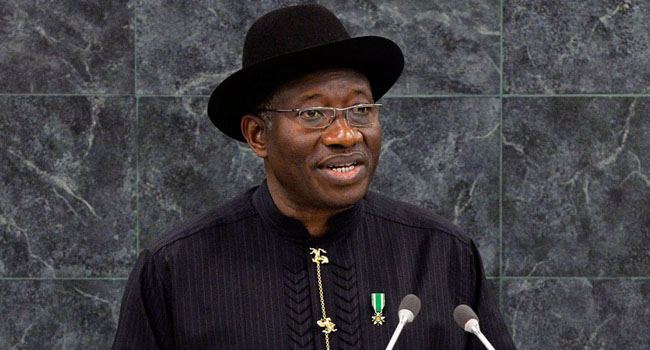
Former President Goodluck Jonathan warns that ethnic rivalry, political intolerance and thuggery could threaten national cohesion, urging leaders to prioritise unity and credible leadership ahead of the 2027 elections nationwide.
Why it Matters:
Jonathan’s timely intervention reflects growing historical anxieties about the weaponisation of identity politics in Nigeria. As the electoral cycle begins, unchecked ethnic rhetoric risks destabilizing the fragile national consensus. His warning matters because democratic competition becomes dangerous when citizens are organised as tribes before they are addressed as voters with common grievances and hopes in the republic today. However, appeals for unity must translate into restraint by political actors, credible law enforcement and consequences for incitement.
2. Soludo: Tinubu Will Win 2027 Election, He Doesn’t Need To Rig
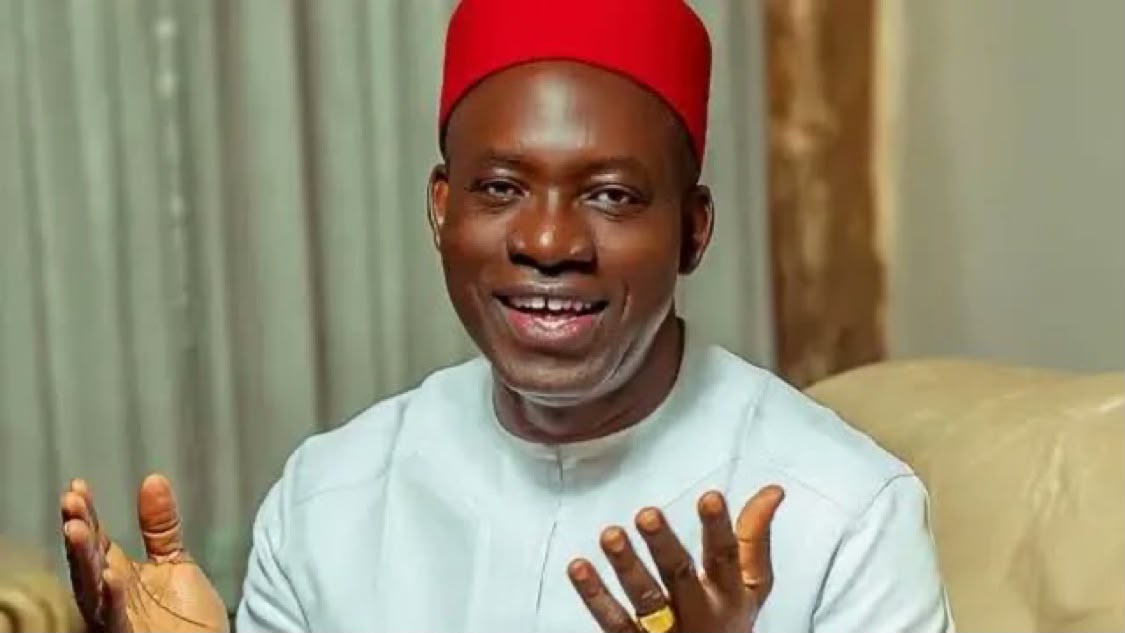
Anambra Governor Chukwuma Soludo predicts Tinubu will win re-election without rigging, citing the administration’s economic and security record while urging South-East voters to look beyond regional loyalties before the polls.
Why it Matters:
Soludo’s endorsement gives Tinubu’s re-election campaign a voice from the South-East, a region where the APC has faced electoral resistance. Yet his prediction remains a political judgement, not an established outcome. His arithmetic of inevitability may reassure APC strategists, but it risks sounding dismissive of voter hardship and opposition energy. In Nigeria, claims that elections are already won can either demobilise rivals or inflame suspicions about predetermined outcomes before ballots are cast.
3. Senate Seeks Disqualification Of Candidates Linked To Electoral Violence
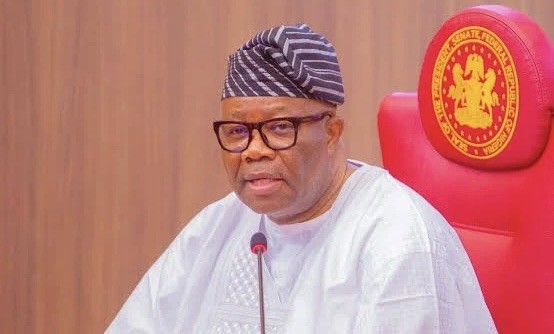
The Senate asks INEC to seek disqualification of candidates linked to electoral violence where legally justified, while demanding investigations, prosecutions and stronger security for political activities nationwide ahead in 2027.
READ ALSO: 2027 Tensions, Opposition Moves: Nigeria’s Turbulent Week
Why it Matters:
The motion speaks to a chronic weakness in Nigeria’s elections: violence is condemned, rarely punished and often politically rewarded. Disqualifying violent actors would be a deterrent only if backed by credible investigations and impartial courts. Otherwise, it may become another weapon in partisan warfare. The challenge is enforcement that protects competition without enabling selective persecution by powerful incumbents and godfathers.
4. INEC Chairman Blames Old Voter Register For AI Photos, Duplicate Entries
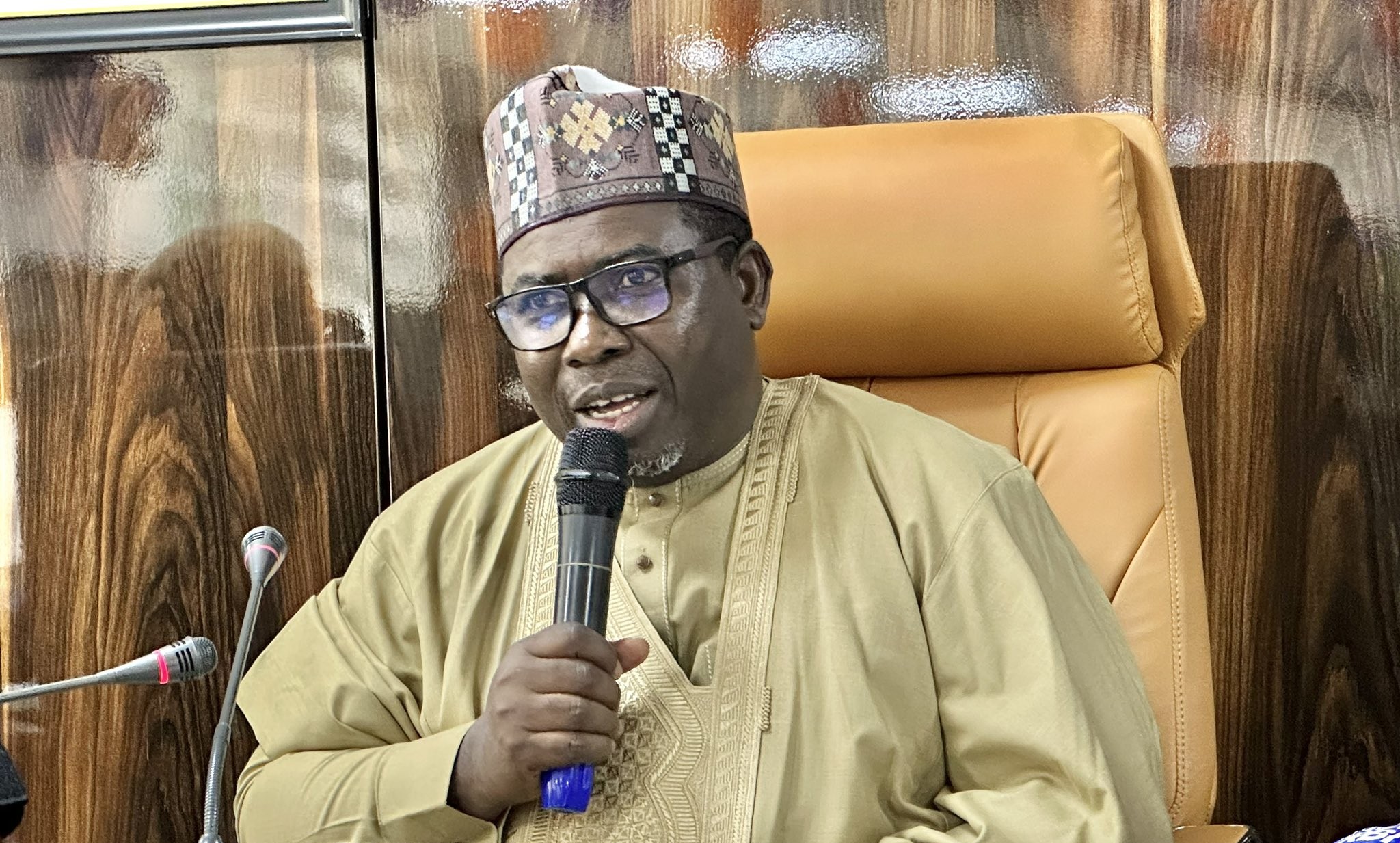
INEC Chairman Joash Amupitan says complaints about AI photographs and duplicate voter entries largely concern the database established in 2011, whose revalidation was abandoned after public opposition ahead of 2027.
Why it Matters:
The voters’ register is central to credible elections, and any doubts about its accuracy can fuel allegations of rigging and disputes over election results. Amupitan’s admission that a complete cleanup is no longer possible before 2027 gives opposition parties further grounds to question INEC’s preparedness and could trigger legal challenges after the polls. His reference to public opposition also highlights the commission’s continuing struggle to earn voters’ trust, particularly following concerns over result transmission during the 2023 elections. Ultimately, INEC’s greatest challenge is not technology but convincing Nigerians that the electoral process is fair and credible.
5. State Police Must Not Become Tools For Political Intimidation — APC Chairman
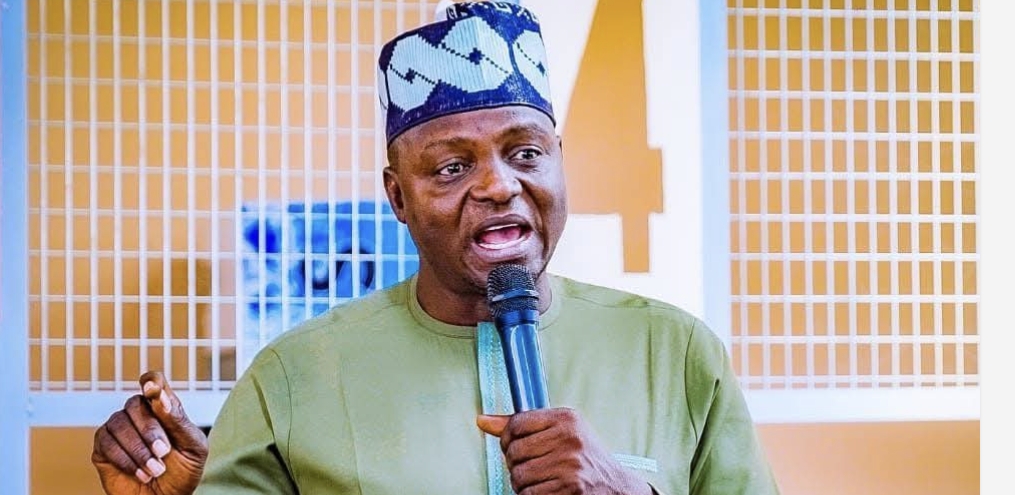
APC Chairman Nentawe Yilwatda supports state police but warns against partisan abuse, insisting new forces require professionalism, accountability, human-rights safeguards and constitutional oversight to protect communities effectively with adequate safeguards.
Why it Matters:
State police could improve local intelligence and response, particularly where centralised command struggles to address geographically distinct threats. But Yilwatda’s warning reflects a constitutional risk: governors or political actors could turn local forces against opponents. Safeguards must therefore include independent oversight, transparent appointments, enforceable rights protections and credible complaint mechanisms. Security decentralisation without accountability could reproduce abuse closer to home.
Conclusion
The developments examined this week demonstrate that Nigeria’s preparations for the 2027 elections involve far more than political alliances, campaign rallies and calculations about winning or losing power.
They raise fundamental questions about the quality of the country’s democratic institutions and the ability of political actors to conduct competition within constitutional boundaries.
As the 2027 contest approaches, Nigeria’s democratic strength will be measured not simply by the ability of political parties to mobilise voters, but by the willingness of leaders and institutions to protect the rules, freedoms and national interests that make credible elections possible.