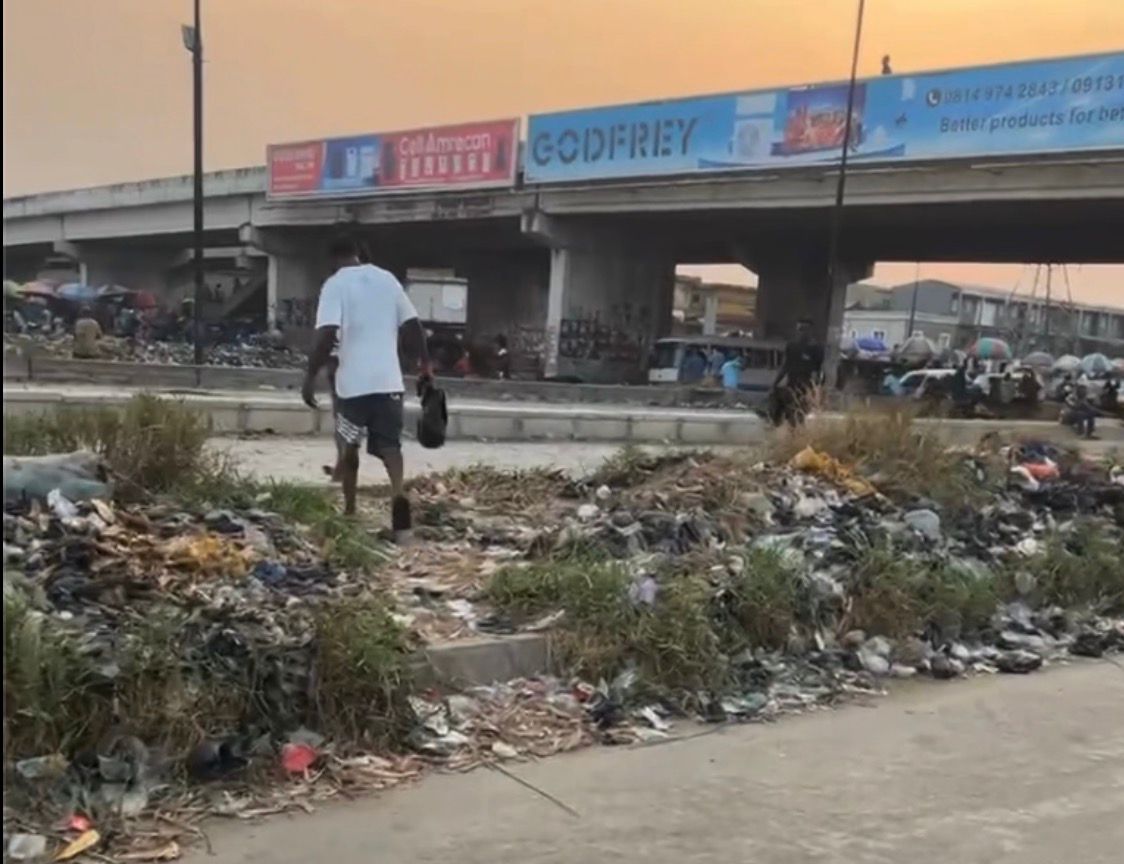
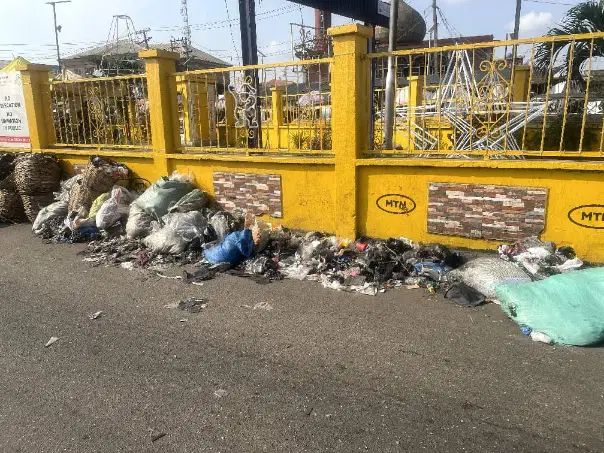
Beneath the dynamism of Lagos, Nigeria’s commercial epicentre and one of Africa’s fastest-growing меgacities, a quieter, more troubling reality continues to expand: unmanaged refuse in public spaces.
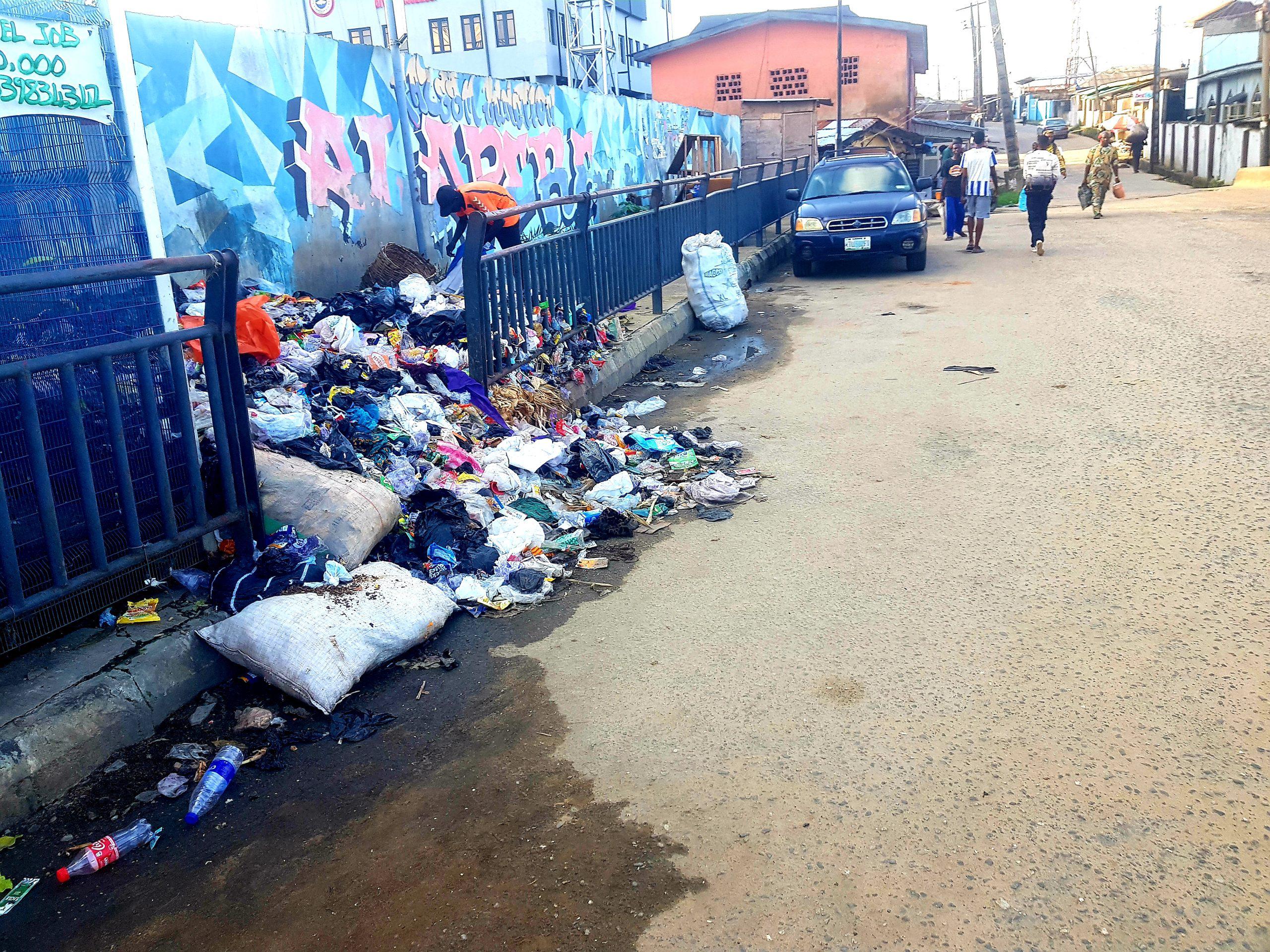
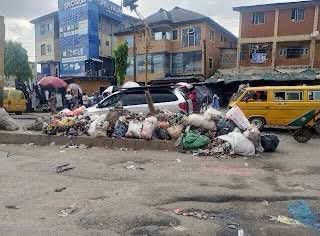
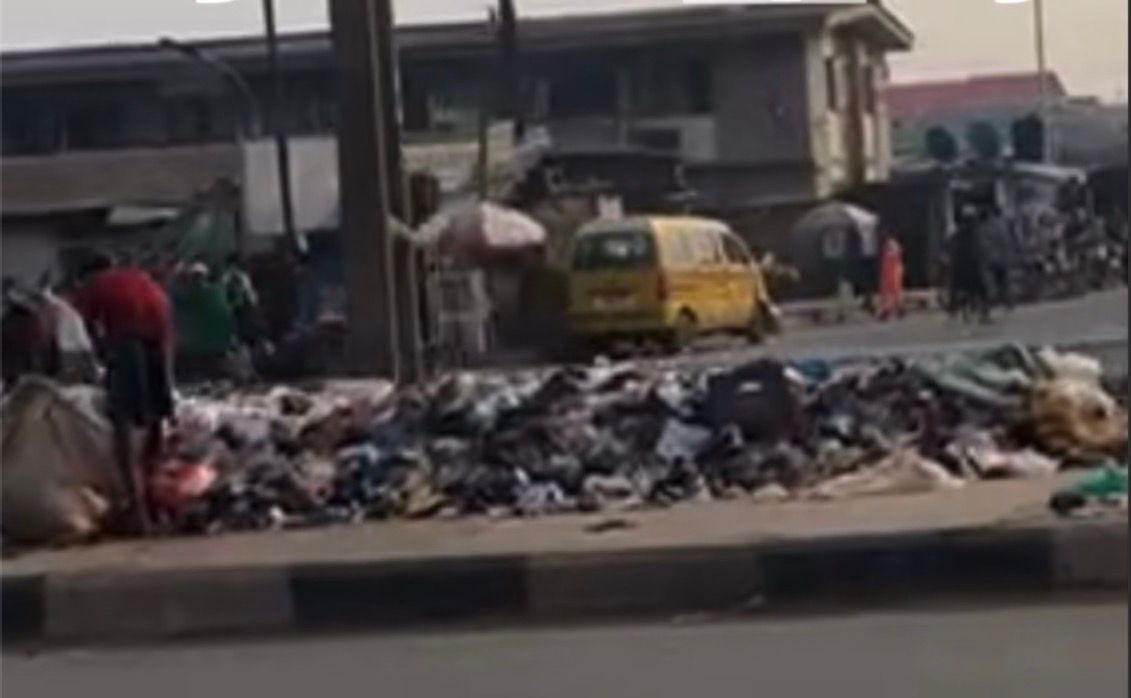
Across multiple corridors of the metropolis like; Under-bridge Trade Fair, Ojo Barracks Bus Stop, Ladipo along Ikeja, Alakuko, Ago Palace Way, Dopemu among others, visible accumulations of waste now form part of the everyday urban landscape.
These locations, vital to commerce, mobility, and residential life, increasingly reflect the strain placed on the city’s sanitation and waste-management systems.
At the Trade Fair under-bridge, refuse mounds encroach toward busy traffic channels, emitting persistent odours and contributing to environmental degradation.
Around Ojo Barracks Bus Stop, commuters and traders navigate within close proximity to open waste, raising concerns about hygiene and public exposure.
In Dopemu and Alakuko, drainage lines obstructed by debris signal heightened vulnerability to flooding during rainfall, a recurring urban challenge with direct social and economic consequences.
Ago Palace Way, a densely populated residential and commercial artery continues to witness roadside dumping despite sanitation enforcement measures.
Similarly, Ladipo in Ikeja, a major industrial and commercial hub, faces growing environmental pressure as refuse accumulates near business clusters, exposing workers and visitors to unhealthy conditions.
Environmental health specialists consistently emphasise that unmanaged waste constitutes a direct public health risk.
Open refuse sites facilitate the transmission of communicable diseases, including cholera, typhoid, and malaria, while blocked drainage infrastructure exacerbates urban flooding, disrupts transportation networks, and undermines livelihoods.
For many residents, particularly within lower-income communities, prolonged exposure to such environmental hazards remains unavoidable.
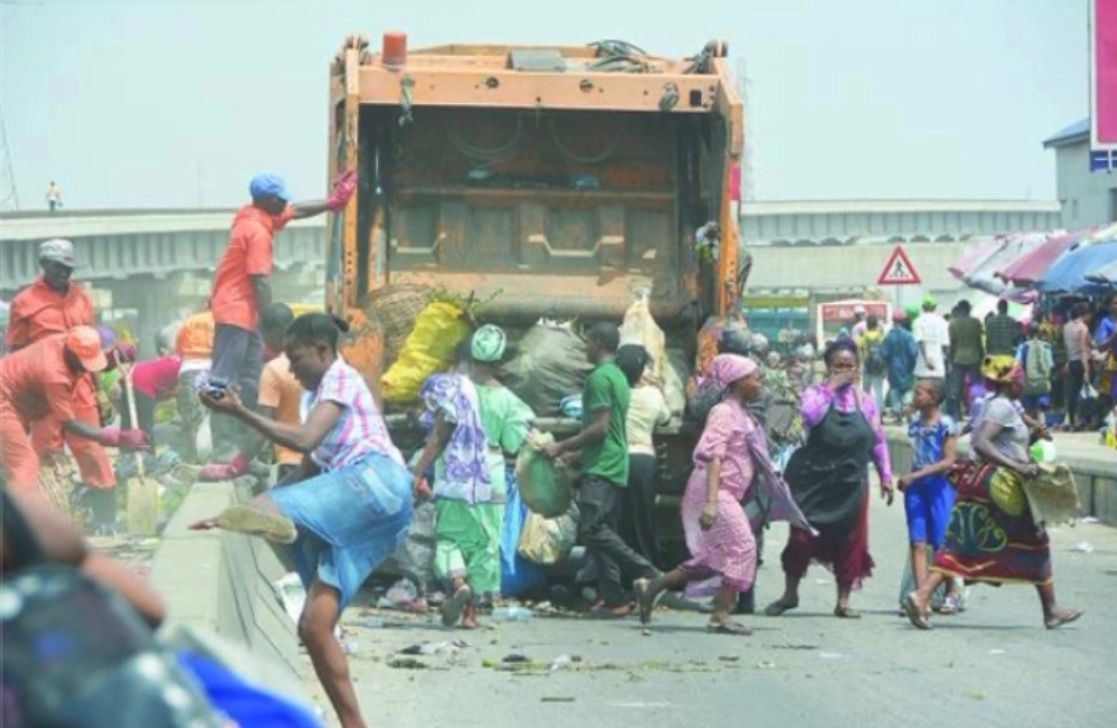
Across the меgacity, street sweepers continue to perform daily sanitation duties, often under constrained resources, reflecting visible institutional effort.
However, the scale and persistence of roadside waste across key corridors suggest structural limitations within broader waste-collection systems, disposal capacity, and regulatory enforcement.
Urban development analysts note that environmental sanitation is intrinsically linked to public health outcomes, economic productivity, and a city’s global standing.
READ ALSO: Lagos Shuts Down Ikosi-Ketu Property for Illegal Waste Dumping
For Lagos, a leading economic gateway, the proliferation of unmanaged refuse not only raises environmental and health concerns but also challenges the city’s urban image and sustainability trajectory.
Interviews with commuters, traders, and residents reveal a consistent theme: the burden of environmental neglect is disproportionately borne by ordinary citizens, families living near polluted drainage channels, traders operating in contaminated surroundings, and workers navigating refuse-lined routes during seasonal flooding.
While existing sanitation initiatives demonstrate policy intent, environmental observers argue that more comprehensive interventions are required, strengthened waste-collection logistics, expanded disposal infrastructure, stricter enforcement against illegal dumping, and sustained public sanitation engagement.
For a city defined by resilience and ambition, the imperative is clear: environmental cleanliness is not merely aesthetic, it is foundational to public health, urban dignity, and sustainable development.
As Lagos continues its rapid expansion, the urgency to address its waste challenge grows correspondingly, demanding coordinated, decisive, and sustained action.