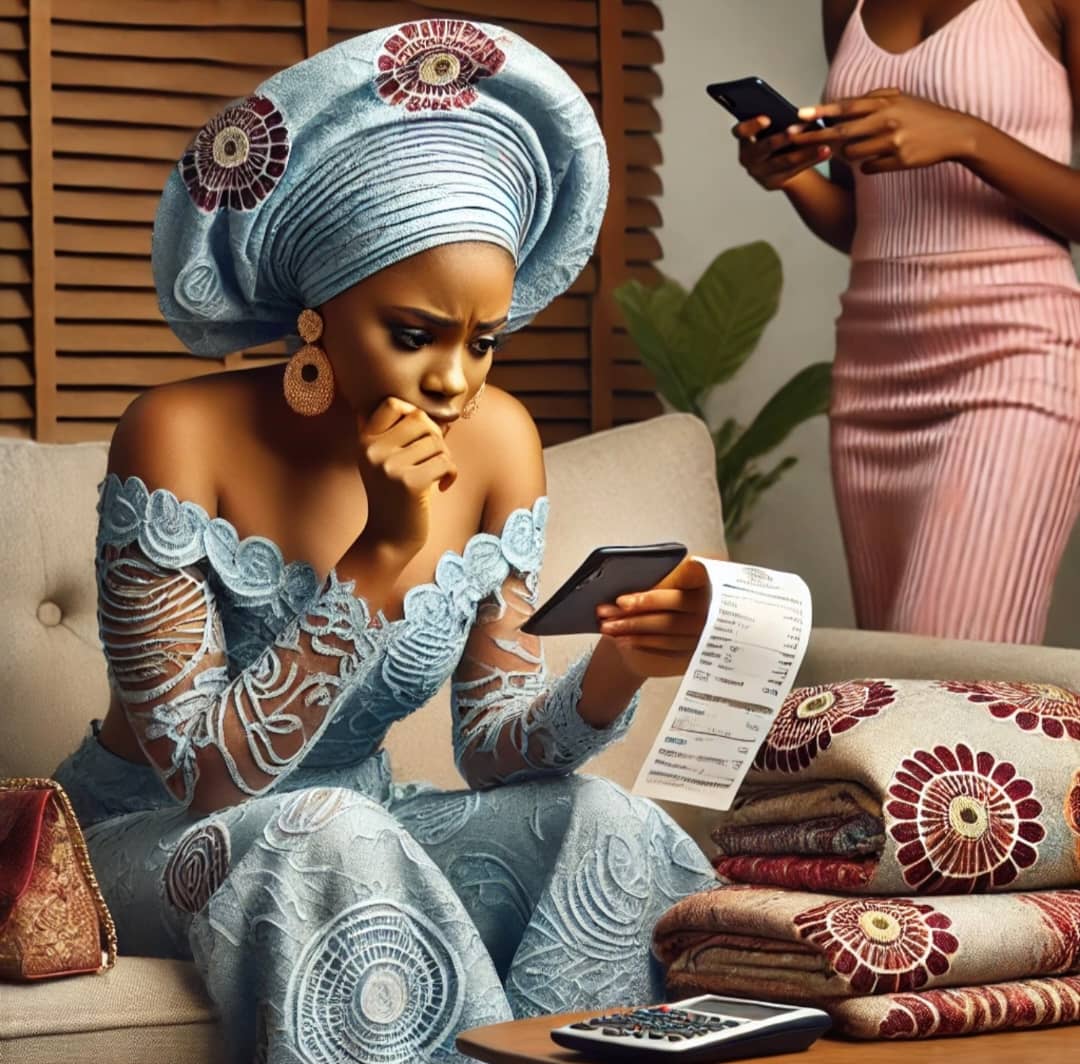
Nigerian weddings are more than just celebrations; they are extravagant showcases of culture, wealth, and social status.
From the grand decor to the multi-million naira event venues, everything about these ceremonies screams luxury.
But beyond the glitz, there’s an unspoken struggle that many women endure just to “represent” their friends the burden of aso ebi.
Recently, actress Lilian Afegbai sparked a heated debate after she called out a friend for selling wedding aso ebi for $1,200 (₦1.8 million). She didn’t just refuse to buy it; she took to Instagram to air her frustration, asking the question many have been afraid to voice out loud: “Why should I spend that much just to attend a wedding? Are we funding your marriage or celebrating it?”
Her words struck a chord with many women who have experienced similar pressures but felt unable to speak up. So, let’s dissect this issue: How did something meant to symbolize unity and support turn into a financial burden, and why are women expected to bear this cost without question?
The Evolution of Aso Ebi: From Symbolism to Social Tax
Aso ebi which translates to “family cloth” in Yoruba began as a cultural practice where family members wore matching outfits to signify unity at ceremonies. Over time, however, it extended beyond family to include friends, colleagues, and acquaintances.
At first, this was harmless. But in recent years, the practice has taken a dramatic turn. What was once a simple show of support has now become a profit-making venture for some brides and an unspoken financial tax on friendships.
Today, aso ebi is no longer just about uniformity it’s a status symbol.
Brides and their families often select premium fabrics lace, silk, or embellished George imported from Italy, Dubai, or Switzerland. And these fabrics don’t come cheap.
Instead of simply picking what they can afford, brides now want their aso ebi to reflect opulence, often forgetting that their guests are individuals with their own financial responsibilities.
The True Cost of Aso Ebi: More Than Just Fabric
If you think buying the aso ebi is where it ends, think again.
The real cost of being an aso ebi girl goes far beyond just purchasing fabric. Here’s a breakdown of the expenses:
1. The Fabric – Prices vary, but the more high-profile the wedding, the more expensive the fabric. On average, brides now charge between ₦50,000 and ₦500,000 for aso ebi. And in extreme cases like Lilian Afegbai’s experience it is even priced in dollars!
2. Sewing Costs – Buying the fabric is just the first step. You then need to pay a tailor preferably a good one to transform it into an eye-catching outfit. Sewing a well-structured dress could cost anywhere from ₦30,000 to ₦200,000, depending on the complexity of the style.
3. Accessories & Styling – What is an aso ebi outfit without, jewelry, bag and shoes? These are additional expenses that can easily add another ₦50,000 to ₦150,000 to the total bill. And let’s not forget professional makeup services, which now range between ₦15,000 to ₦50,000 per session.
4. The Bridal Shower & Gifts – Beyond dressing up, friends are also expected to contribute money for the bridal shower sometimes as much as ₦100,000 per person. Then, there’s the wedding gift a separate expense that could cost another ₦50,000 or more.
5. Destination Weddings & Travel Costs – Some brides go the extra mile by hosting destination weddings, expecting their friends to book flights, hotels, and transport all in the name of “supporting the bride.”
READ ALSO: How Nigerian Designers Are Leading ‘Loud Money’ Fashion Movement
When you add everything up, attending a friend’s wedding in aso ebi could easily cost between ₦200,000 and ₦1.5 million for a single day!
The Silent Pressure: Guilt-Tripping Friends Into Spending
One of the biggest issues with aso ebi is how it is sold to friends. Many brides don’t ask politely; they expect it.
• If you refuse, you are labelled a bad friend or an enemy of progress.
• Some friends take offense and assume you don’t want to celebrate their happiness.
• There’s also the FOMO (Fear of Missing Out)—the silent pressure of seeing everyone else looking glamorous while you are the odd one out.
It doesn’t matter if you have financial struggles or other priorities you are expected to buy it, no excuses.
The Double Standard: Why Are Women Expected to Bear the Cost?
Interestingly, the aso ebi pressure is a burden only women face.
Men? They get a simple senator outfit or wear plain white agbada and call it a day. No excessive spending. No guilt-tripping. No competition.
Meanwhile, women are expected to go all out spending hundreds of thousands on a single outfit and still giving cash gifts.
Why ?
Why is a woman’s presence at a wedding not enough unless she spends excessively? Why is friendship measured by financial contributions rather than genuine support?
Is It Time for Women to Start Saying No?
Lilian Afegbai’s rant is a wake-up call for many women. Maybe it’s time to start setting boundaries and saying NO to outrageous wedding demands.
• You can support a friend without breaking the bank.
• If your presence alone isn’t valued, then maybe the friendship isn’t real.
• A bride’s wedding budget should not depend on her friends’ wallets.
Dear brides, if your wedding is so expensive that you need to overcharge your friends for aso ebi to fund it, maybe just maybe it’s bigger than your budget.
Final Thoughts: Aso Ebi – A Celebration or a Financial Burden?
Aso ebi was meant to be a beautiful tradition, but it has become a financial burden, a status symbol, and a silent test of friendships.
Maybe it’s time to go back to the original essence unity and affordability. After all, isn’t the real focus supposed to be the marriage, not just the wedding day aesthetics?
What do you think? Should women continue spending heavily on aso ebi, or is it time to break the cycle?