
Nigeria’s political landscape this week revealed a democracy grappling with shrinking space for dissent, institutional fragility, and deepening fault lines.
Oyo State Governor Seyi Makinde publicly declared that speaking truth to power has become impossible under the current administration, whilst the military confirmed a coup plot against the president, a chilling reminder that democratic governance remains contested.
Civil society group, SERAP continued their fight against systemic corruption, taking the Minister of Power to court over missing ₦128b even as Nigerians endure darkness.
The opposition PDP’s leadership crisis deepened with a court invalidating its national convention, leaving the party rudderless ahead of 2027.
Meanwhile, an APC Chieftain warned that replacing the Muslim Give this President with a Christian in 2027 will cause problems in the North, just as separatist group, IPOB escalated tensions by ordering another economic shutdown.
Together, these developments paint a portrait of a nation where democratic norms are eroding, accountability remains elusive, and identity politics threatens to overwhelm governance.
1. Makinde: You Cannot Speak Truth To Power Under Tinubu’s Govt

Oyo Governor Seyi Makinde criticised President Tinubu’s administration, saying the current climate makes frank discussion with leadership impossible, citing ignored appeals for consultation on tax reform bills.
Why It Matters:
When an opposition governor publicly declares that “speaking truth to power” is no longer possible, it indicates a dangerous erosion of democratic norms. Makinde’s complaint about being governors being sidelined on tax reform creates an environment where policy is imposed rather than negotiated, undermining the checks and balances essential to democratic governance.
2. DHQ Confirms Coup Plot Against Tinubu, Says Officers To Face Trial

Defence Headquarters confirmed military officers plotted to overthrow President Tinubu, contradicting earlier denials. Investigations concluded, implicated personnel will face military trial for violating professional standards.
Why It Matters:
The confirmation of a coup plot, after months of official denials, reveals how fragile Nigeria’s democratic institutions remain, especially in a region that has been plagued by coups. That serving military officers considered overthrowing an elected government exposes deep institutional rot and must prompt the Tinubu administration to reflect on how its governance is perceived within the armed forces. At the same time, those responsible must face full accountability to deter others from entertaining similar plots.
READ ALSO: Nigeria‘s Turbulent Week: Political Rifts, Bombs, and Broken Systems
3. SERAP Sues Adelabu, NBET Over ‘Missing’ ₦128bn In Power Ministry

SERAP sued Power Minister Adelabu and NBET over alleged failure to account for ₦128bn in diverted funds, linking corruption to persistent electricity failures and grid collapses.
Why It Matters:
This lawsuit exposes the direct connection between corruption and Nigeria’s infrastructure collapse. With ₦128bn allegedly missing from the power sector whilst Nigerians endure darkness and exorbitant bills, the case illustrates how elite theft translates into mass suffering. SERAP’s demand for accountability tests whether courts can enforce transparency in a sector notorious for impunity. Success would establish that public officials must answer for missing funds; failure would confirm that corruption in the power sector operates beyond legal reach, perpetuating the cycle of theft and darkness.
4. PDP Crisis Deepens as Court Declares Ibadan Convention Invalid, Bars Turaki-Led NWC

Federal High Court invalidated PDP’s November 2025 national convention, declaring the Tanimu Turaki-led leadership illegitimate and recognising only the caretaker committee as valid authority.
Why It Matters:
With its national convention nullified and leadership in legal limbo, the PDP approaches 2027 in disarray. This ruling exposes the consequences of factionalism and procedural shortcuts, the party’s rush to install new leadership without resolving internal disputes has backfired spectacularly. A weakened, divided opposition unable to organise itself internally cannot credibly challenge the ruling party, effectively gifting the APC a significant advantage.
5. 2027: Replacing Muslim VP With Christian Will Cause Problems In North — APC Chieftain

APC chieftain Farouk Aliyu warned that replacing a Muslim running mate with a Christian in northern Nigeria would create serious problems, defending demographic-based ticket selection.
Why It Matters:
Aliyu’s logic, that northern Muslims deserve the VP slot because they outnumber Christians, reduces democracy to a census rather than a system balancing diverse interests. This approach entrenches identity-based politics, dictates to minorities that their inclusion is negotiable, and validates the dangerous precedent that raw numbers trump principles of federal character and inclusivity, potentially setting Nigeria on a path toward permanent ethnic and religious political divisions.
6. IPOB Orders February 2 Sit-at-Home In South-East, Slams Gov Soludo
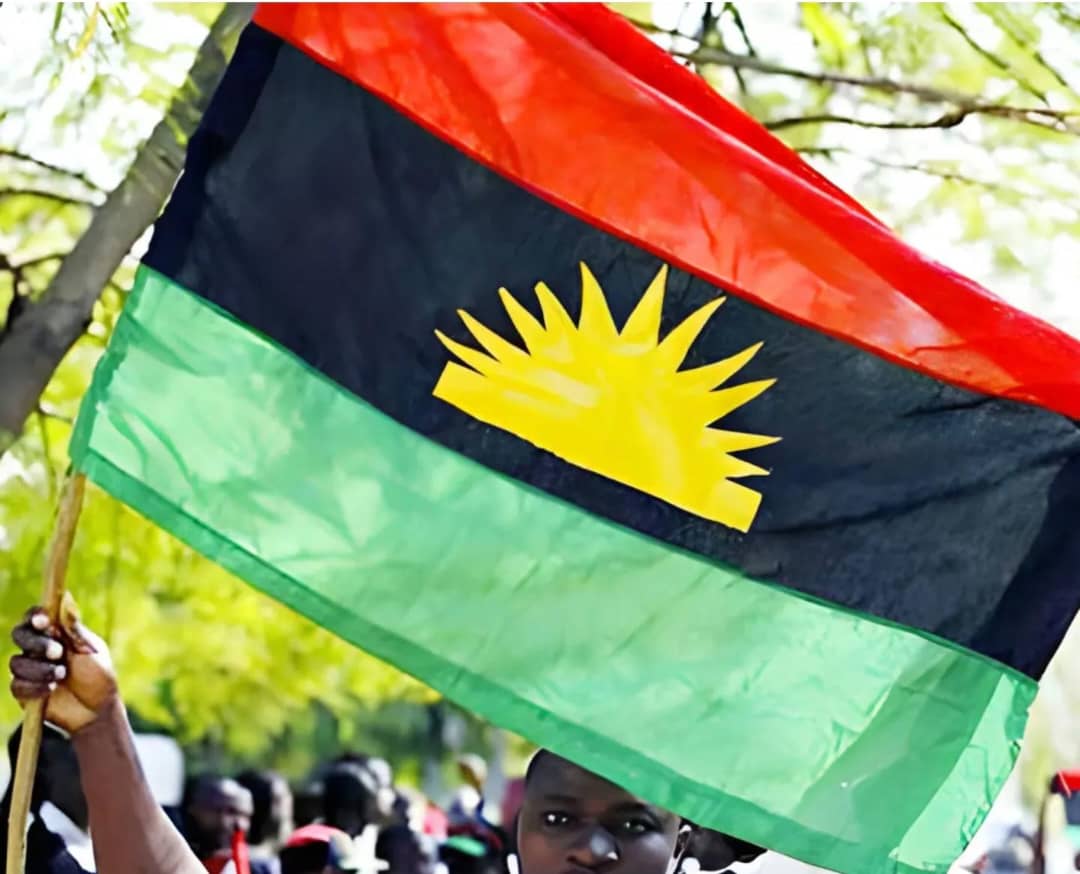
IPOB declared a February 2 economic shutdown across South-East states, protesting Governor Soludo’s closure of Onitsha Main Market and demanding detained leader Nnamdi Kanu’s release.
Why It Matters:
The escalating confrontation between IPOB and state authorities shows the failure to resolve the underlying grievances fuelling separatist sentiment in the South-East. Soludo’s market closure punishes traders for observing sit-at-homes, whilst IPOB responds with broader shutdowns, creating a cycle where ordinary citizens bear economic costs whilst political tensions intensify. This pattern demonstrates how unresolved issues (Kanu’s detention, perceived marginalisation) metastasise into recurring crises that disrupt livelihoods and deepen regional alienation, with neither force nor economic pressure offering sustainable solutions.
Conclusion
This week’s political developments reveal a democracy under multiple stresses. When governors declare that speaking truth to power is impossible, when military officers plot coups, when billions vanish from critical infrastructure whilst citizens suffer, when the main opposition party cannot organise a legitimate convention, when party chieftains openly advocate sectarian ticket calculations, and when regional tensions explode into economic shutdowns , these are symptoms of systemic failure.
Nigeria faces a crisis of governance where accountability mechanisms are weak, democratic norms are eroding, identity politics is intensifying, and institutions are too fragile to contain mounting pressures.
Whether Nigeria can navigate these challenges without further democratic regression depends on leaders prioritising national cohesion over sectarian advantage, institutions enforcing accountability over protecting impunity, and citizens demanding governance over grievance.
The trajectory is concerning, but not yet irreversible, if those with power choose reform over the status quo.