
This week in Nigeria, a storm of political and social crises revealed the deepening fragility of the nation. In Benue State, Governor Hyacinth Alia sounded the alarm over escalating violence, accusing foreign terrorists of orchestrating brutal attacks to seize land.
Delta State witnessed a political earthquake as Governor Sheriff Oborevwori, ex-Governor Ifeanyi Okowa, and the PDP elite switched allegiance to the APC, shaking the South-South’s political foundations. Meanwhile, the World Bank issued a grim forecast: poverty levels are set to rise by 2027.
In Abuja, Hakeem Baba-Ahmed urged President Tinubu to step aside in 2027, citing failed governance, while Rotimi Amaechi accused Tinubu of gross constitutional violations in Rivers State. The nation teeters between insecurity, political betrayal, and economic despair.
1. Benue Bleeds as Alia Cries Out: ‘We’re Under Siege’

Benue State Governor, Rev. Fr. Hyacinth Alia, decried the worsening security situation in the state, declaring that communities are being overrun by armed Fulani herdsmen. Speaking after mass at Government House, Makurdi, Alia urged citizens to be vigilant, condemned politicians allegedly exploiting the crisis, and pledged to expose those complicit.
Why it Matters:
Governor Alia’s warning spotlights the federal government’s failure to stem rural violence and protect farmers. It highlights the vacuum of effective security strategies, deepening fears of ethnic cleansing and food insecurity, and exposing cracks in Nigeria’s national unity.
2. Alia Raises Alarm: Foreign Terrorists Behind Benue Killings, Not Nigerians
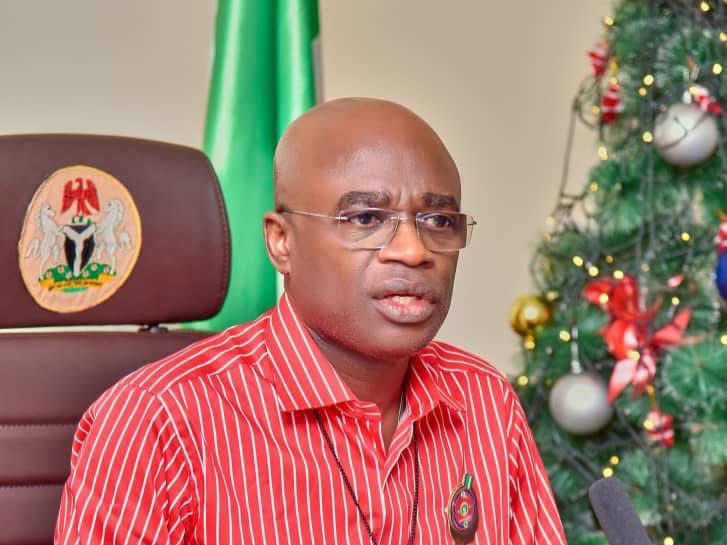
Speaking on Channels TV, Alia claimed the killers ravaging Benue are foreign mercenaries, not Nigerian herders. He cited intelligence reports suggesting infiltration from Mali and other neighbouring countries, describing the attacks as strategic land seizures by heavily armed militias.
Why it Matters:
The governor’s claims, if accurate, reveal a dire national security breach, exposing Nigeria’s porous borders and the federal government’s inability to safeguard territorial integrity. It signals a dangerous evolution from local disputes to organised, foreign-backed terrorism.
3. Delta Gov, Deputy, Okowa Dump PDP for APC
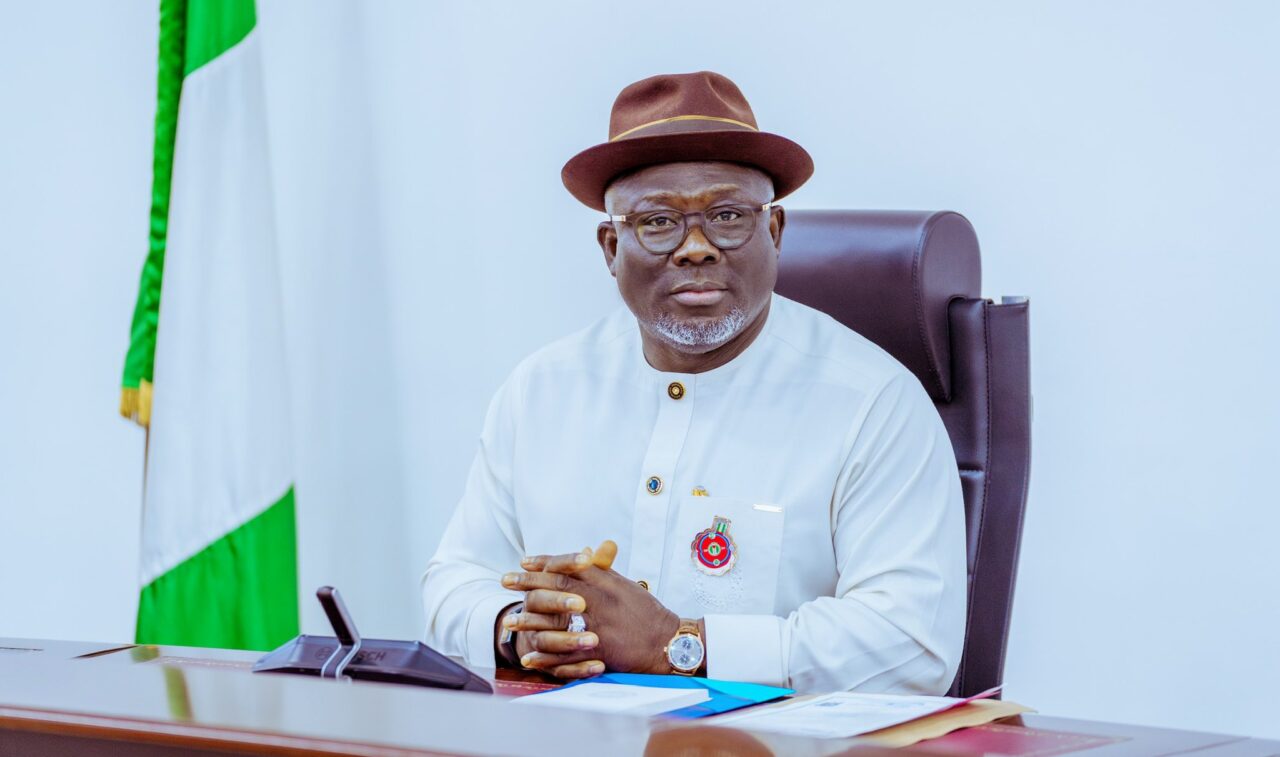
In a dramatic realignment, Delta State Governor Sheriff Oborevwori, his deputy, former Governor Ifeanyi Okowa, and the entire PDP structure defected to the APC after a six-hour meeting. Officials described the PDP as a “sinking boat” and cited the need for political survival and continued development.
Why it Matters:
This mass defection weakens opposition forces nationally, bolstering APC’s stranglehold on power ahead of 2027. It signals the growing irrelevance of ideological loyalty in Nigerian politics, where survival instincts trump principles, further alienating an already disillusioned electorate.
4. Poverty in Nigeria to Worsen by 2027 — World Bank
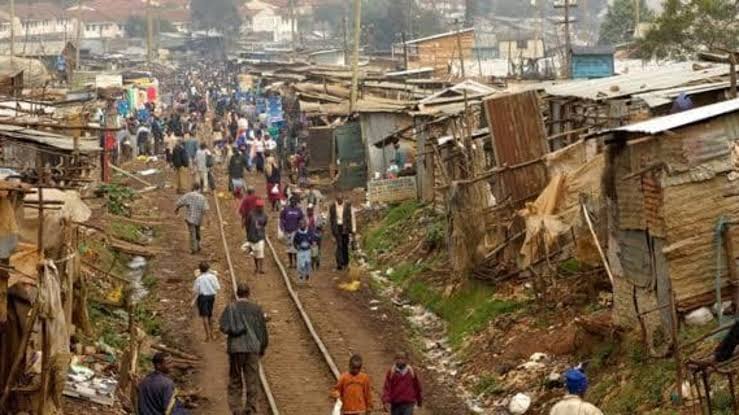
The World Bank’s Africa’s Pulse report warned that poverty in Nigeria will rise by 3.6 percentage points by 2027. Despite slight economic improvements, the country’s reliance on natural resources, fragile fiscal systems, and structural weaknesses will drive millions deeper into hardship.
Why it Matters:
The forecast confirms that despite reforms, Nigeria’s economic fundamentals remain broken. As poverty rises, social unrest, crime, and political instability are likely to worsen, threatening the country’s already fragile democratic and security landscape.
READ ALSO: Nigeria on Edge: Legal Misconduct, Political Upheaval, and the Promise of Reform
5. 2027: Step Aside, Your Govt Has Failed — Hakeem Baba-Ahmed to Tinubu
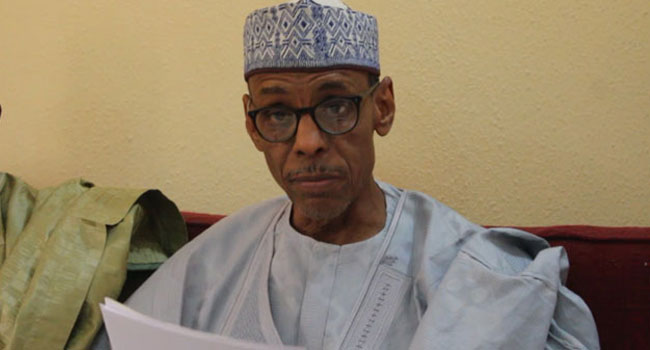
In an open letter, former NEF spokesperson Hakeem Baba-Ahmed urged President Tinubu to abandon any reelection plans and allow a younger generation to lead. He criticised Tinubu’s governance failures, poor economic management, ethnic bias, and disconnection from the people.
Why it Matters:
Baba-Ahmed’s bold intervention reflects growing elite discontent with Tinubu’s leadership. His appeal could ignite broader calls for political renewal, signalling a looming generational revolt within the political class ahead of 2027.
6. Amaechi: Tinubu’s Rivers Action Grave Breach of Constitution

Former Minister Rotimi Amaechi accused President Tinubu of violating the constitution by suspending Governor Fubara and imposing emergency rule in Rivers State. Amaechi warned that personal rule, unchecked by weak institutions, threatens Nigeria’s democracy.
Why it Matters:
Amaechi’s critique underscores the deepening authoritarian drift in Tinubu’s governance style. Bypassing constitutional norms to resolve political crises risks setting dangerous precedents, eroding democratic checks and fuelling regional tensions.
Conclusion:
Nigeria’s political and security landscape this week revealed an increasingly fragile state struggling to uphold even the most basic pillars of governance. Escalating insecurity, political opportunism, deepening poverty, and creeping authoritarianism converge to paint a grim picture. Yet the louder the alarm bells ring, from governors, ex-officials, and global institutions, the more disconnected and unresponsive leadership appears. If left unchecked, today’s fractures could become tomorrow’s irreversible fault lines, and history will remember those who chose ambition over nation-building.