
…the drug you just bought might be fake
Across Nigeria, many people now think twice before taking the medicine they buy. Whether it’s a simple tablet for a headache or treatment for something more serious, one terrifying question lingers:
Is this drug real?
Counterfeit and substandard drugs are no longer a fringe issue. They’ve infiltrated street kiosks, pharmacies, and even hospital dispensaries. Worse still, they’re getting harder to detect disguised with perfect packaging, false batch numbers, and fake holograms.
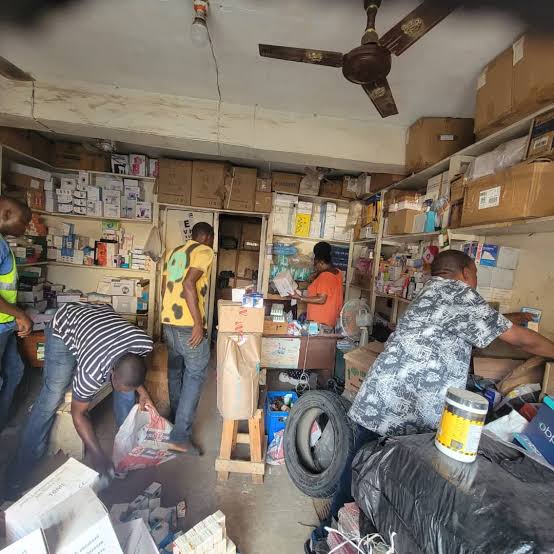
And the consequences? Often deadly.
“I Took the Same Drug Abroad It Worked in Minutes”
Nollywood actress Mary Remmy Njoku recently sparked outrage when she posted on Instagram:
“The same drug bought outside Nigeria worked in five minutes.”
Her comment, referencing a painkiller she’d bought locally, triggered a flood of responses from Nigerians who shared similar experiences medications that didn’t work, symptoms that worsened, or bizarre side effects that no doctor could explain.
You Might Never Know You Took a Fake Drug
What makes counterfeit medicines so dangerous is their silent effect. Most people never realise they’ve taken a fake until symptoms persist, worsen, or lead to complications. A painkiller that doesn’t work might be chalked up to stress. But what about fake insulin, antibiotics, or hypertension drugs?
A Lagos-based general practitioner told First Daily:
“When patients don’t respond to treatment, I now have to ask, ‘Is it the diagnosis or the drug itself?’”
This undermines trust in healthcare and delays proper treatment, especially for chronic illnesses.
Fake Drugs, Real Damage
Here’s what counterfeit medications are doing across Nigeria:
Increasing drug resistance: When fake antibiotics are used, bacteria survive and evolve, making future treatment harder and more expensive.
Causing overdoses: People often increase their dose when painkillers or sedatives seem ineffective.
Triggering deaths: Substandard medicines can contain the wrong active ingredient or none at all.
NAFDAC’s Grim Discovery
Between January and June 2025, the National Agency for Food and Drug Administration and Control (NAFDAC) has:
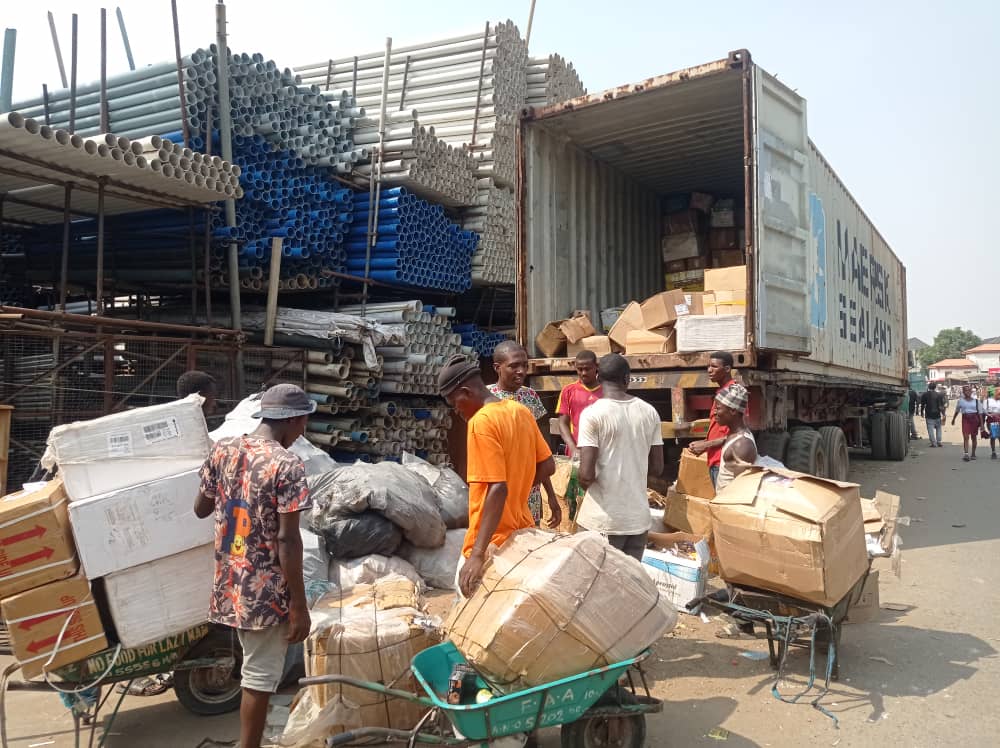
Seized over 87 truckloads of fake or substandard drugs in Lagos, Onitsha, Aba and others.
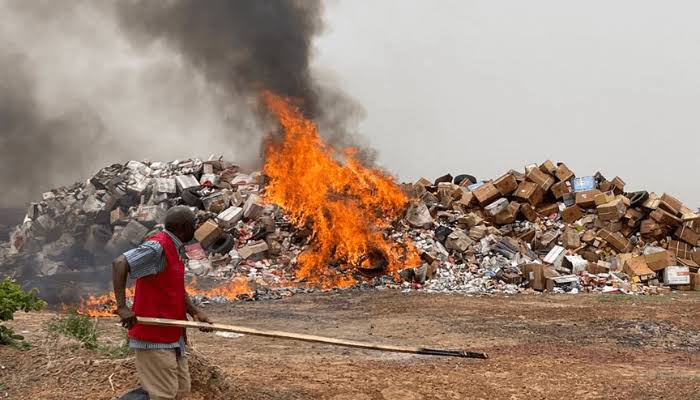
Destroyed 100 containers’ worth of expired and fake medicines in Anambra State.
Traced over 50% of import permits for pharmaceuticals to forged documentation; meaning many fake drugs were cleared through ports using falsified papers.
NAFDAC Director-General Prof. Mojisola Adeyeye warns that:
“If this trend continues, we face a national health disaster. The system is compromised from border to pharmacy.”
She has even called for the death penalty for large-scale counterfeiters.
Who’s to Blame?
The routes through which fake drugs enter the Nigerian market are complex and largely unchecked:
Smuggling across porous borders
Corrupt customs clearance
Local production with zero quality control
Retail sales by unregulated pharmacies and market stalls
Some NAFDAC officers have received death threats, while others say their raids are compromised by security officials who loot seized goods.
Civil society groups are now calling for stronger legal action not just against counterfeiters but against public officials who enable the trade.
How to Protect Yourself
Most Nigerians still rely on guesswork familiar packaging, trusted vendors, or word-of-mouth. But that’s no longer safe.
🔍 Here’s what you can do:
1. Use NAFDAC’s Mobile Authentication Service (MAS):
Scratch the silver panel on drug packs.
Text the visible PIN to 38353 (free on all networks).
You’ll get a confirmation message within seconds.
READ ALSO: Mary Njoku Raises Alarm Over Surge in Fake Drugs in Nigeria
Note: If you get no response, report the product immediately via NAFDAC’s website or local office.
2. Buy only from registered pharmacies with licensed pharmacists present.
3. Check for NAFDAC registration numbers but be aware they can be faked. Always verify with MAS.
4. Avoid buying drugs from bus parks, open markets, or roadside vendors no matter how cheap.
The Human Cost
Fake medicines don’t just harm bodies they crush families financially and emotionally. People spend money they can’t afford, only to remain sick or get worse. When confidence in medication erodes, hospitals are abandoned for herbal mixtures, “miracle” therapies, or self-treatment.
This growing distrust is dangerous and it’s spreading fast.
Rebuilding Trust, Reforming the System
To truly fix this, Nigeria must go beyond seizures and headlines:
Reform import verification processes at ports
Digitize pharmaceutical supply chains
Prosecute corrupt officials alongside counterfeiters
Expand public education on MAS and drug safety
Invest in domestic production of certified medicines
Until the system is fixed, each tablet swallowed is a gamble and in a country where healthcare is already out of reach for many, that gamble can be fatal.
CONCLUSION
This is no longer just a regulatory issue. It’s a national crisis of confidence in our healthcare system.
When Nigerians cannot trust their own medicine, the cost is measured not just in naira but in lives lost, time wasted, and hope eroded.
Janet Adeyemi is a General Beat Correspondent at First Daily.