
Nigeria’s political landscape this week was marked by fierce debates over morality, justice, and power consolidation.
Former Vice President Atiku Abubakar’s sharp rebuke of President Bola Tinubu’s presidential pardon reignited questions about ethics and leadership.
The opposition Peoples Democratic Party (PDP) continued its free fall as two more governors defected to the ruling All Progressives Congress (APC), bolstering the party’s hold ahead of 2027.
Meanwhile, newly confirmed INEC Chairman Professor Joash Amupitan promised a new era of electoral transparency, even as the Attorney General clarified that no pardoned inmate had yet been freed.
Elsewhere, Minister Mohammed Idris projected that the APC would control 30 states by 2026, signalling the ruling party’s growing dominance, while Islamic cleric Sheikh Ahmad Gumi once again urged the government to hold peace talks with bandits.
Together, these developments underscored a Nigeria negotiating between moral dilemmas, political realignments, and the struggle for stability.
The clarification appears to be damage control after public backlash. It underscores the government’s struggle to balance legality with morality in exercising executive mercy. Transparency in this process will determine whether the pardon represents justice or a disguised political favour.
1. Atiku Slams Tinubu Over Presidential Pardon, Says It Emboldens Criminality
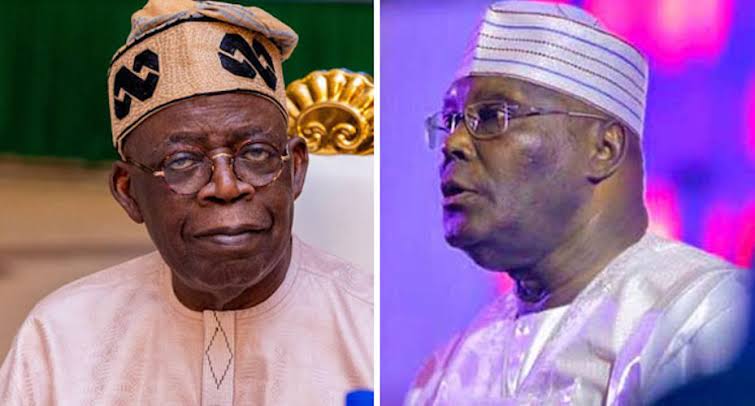
Former Vice President Atiku Abubakar condemned President Tinubu’s recent presidential pardon, calling it a misuse of power that “emboldens criminality” and undermines justice. Atiku argued that granting clemency to individuals convicted of drug trafficking, kidnapping, and corruption sent a dangerous message, particularly amid worsening insecurity and moral decay.
Why it Matters:
Atiku’s criticism reflects growing unease over Tinubu’s exercise of presidential powers, particularly as the country faces deepening insecurity. While pardons are constitutionally valid, their political timing and perceived beneficiaries have stirred moral outrage. The controversy exposes a broader crisis of trust in governance, where mercy and accountability seem caught in uneasy tension.
2. PDP Shrinks to Eight Governors as Defection Frenzy Strengthens APC Grip

The Peoples Democratic Party suffered another heavy blow after Enugu’s Peter Mbah and Bayelsa’s Douye Diri defected to the APC within 24 hours, cutting PDP’s control to just eight states nationwide. Both governors cited the need for “alignment with the federal government” amid internal party turmoil.
Why it Matters:
The defections leave Nigeria’s political space alarmingly lopsided: the APC now governs 24 states and is courting defectors with its control of federal resources. Without a strong opposition, the delicate balance anchoring Nigeria’s democracy erodes. The PDP’s disarray also strengthens Tinubu’s re-election machinery for 2027, making the next poll more a referendum on continuity than competition.
3. “Even Losers Will Congratulate Winners,” INEC Chair Vows Transparent Elections

Newly confirmed INEC Chairman, Professor Joash Amupitan, vowed to restore faith in Nigeria’s electoral system, promising elections so transparent that “even those who lose will congratulate the winners.” He pledged neutrality, reforms, and enhanced technology to secure voting integrity.
Why it Matters:
Amupitan’s appointment comes at a critical moment for Nigeria’s democracy. With public confidence in INEC still fragile after the contentious 2023 elections, his vow of transparency carries weight. However, real reform will depend on his ability to resist political interference and institutional inertia, both of which have long haunted Nigeria’s electoral system.
READ ALSO: Power Games, Paranoia, and Public Deception: Nigeria’s Week of Reckoning
4. Presidential Pardon Still Under Review, No Inmate Released Yet — AGF
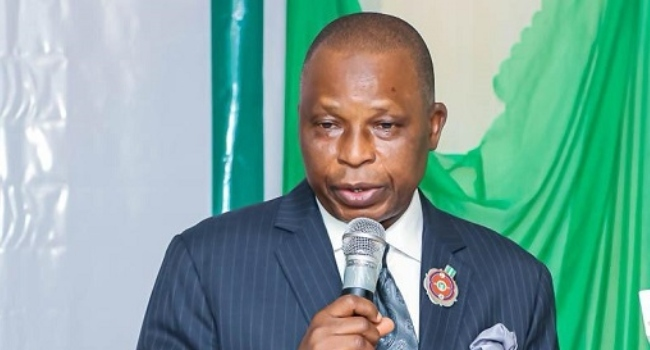
The Attorney General of the Federation, Lateef Fagbemi (SAN), clarified that no inmate approved for clemency under President Tinubu’s recent pardon had been released. He explained that the process was still undergoing legal and administrative reviews to ensure compliance with due process.
Why it Matters:
The clarification appears to be damage control after public backlash. It underscores the government’s struggle to balance legality with morality in exercising executive mercy. Transparency in this process will determine whether the pardon represents justice or a disguised political favour.
5. APC to Dominate 30 States by 2026, Says Minister Idris
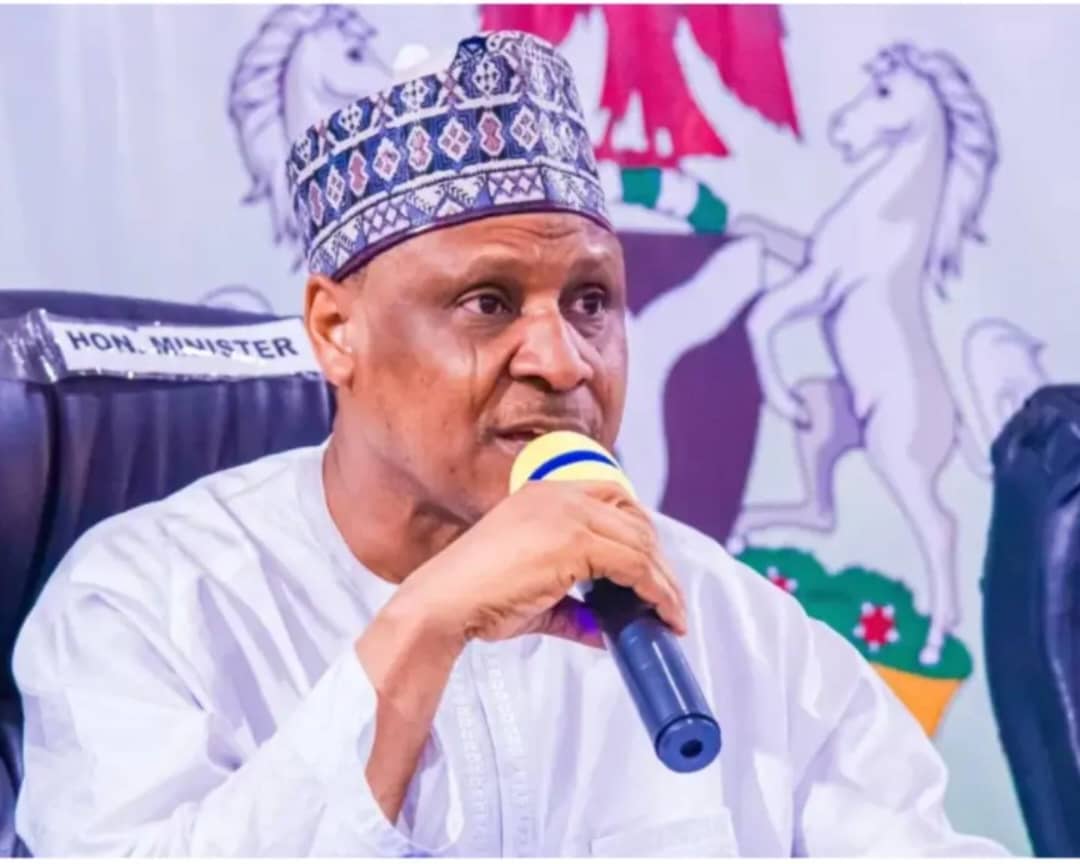
Information Minister Mohammed Idris declared that the APC would control 30 states by 2026, citing ongoing defections and the perceived success of Tinubu’s Renewed Hope Agenda as evidence of national acceptance.
Why it Matters:
The statement reinforces fears of Nigeria drifting toward a one-party state. A democracy thrives on opposition; without it, voter choice constricts, and governance becomes self-congratulatory. Idris’s projection, though politically confident, deepens anxiety about pluralism’s survival.
6. Gumi Urges Tinubu to Hold Peace Talks With Bandits

Sheikh Ahmad Gumi renewed calls for the federal government to open peace talks with bandits in northern Nigeria. Drawing parallels with international negotiations between Israel and Hamas, Gumi argued that dialogue, not force, is the path to sustainable peace.
Why it Matters:
Gumi’s proposal reflects the frustration of many northern communities caught between state neglect and insecurity. While his advocacy for dialogue remains controversial, it highlights the persistent failure of military solutions. The debate exposes the moral and strategic dilemma confronting Nigeria: how to end violence without legitimising lawlessness.
Conclusion
This week’s events capture Nigeria’s political contradictions: reform amid erosion, strength amid decay. Tinubu’s presidency projects control, yet struggles with legitimacy crises over pardons and defections. The PDP’s disintegration reflects an opposition in retreat, while the ruling APC’s expansion raises new questions about democratic equilibrium.
Amupitan’s promise of credible elections and Fagbemi’s procedural caution suggest flashes of institutional responsibility, yet public trust remains thin. Meanwhile, Gumi’s call for dialogue reminds the country that governance must deliver not only stability but justice and inclusion.
In essence, Nigeria stands once again at a familiar junction, where power thrives, morality is contested, and the people watch, waiting to see whether leadership will serve the law or bend it.