
Nigeria’s week was defined by major opposition realignments, judicial interventions protecting press freedom and delivering accountability, relentless violence, and a former president considering a comeback.
Peter Obi and Rabiu Kwankwaso formally joined the Nigeria Democratic Congress after leaving the ADC, citing internal crises and orchestrated litigation designed to exclude them from effective participation.
A Federal High Court in Lagos restrained the NBC from sanctioning broadcasters for expressing personal opinions, striking a blow for press freedom ahead of 2027.
Bandits killed 24 people in fresh attacks across Katsina State, even as troops neutralized 45 suspected bandits in a major operation.
Former President Goodluck Jonathan said he would consult widely before deciding whether to contest the 2027 presidential election, following appeals from youth groups.
And the Federal High Court in Abuja convicted former Power Minister Saleh Mamman over ₦33.8 billion fraud, delivering one of the most significant corruption convictions in recent years.
Together, these stories paint a portrait of a country caught between accountability and ambition, between hope and habit, between the Nigeria that is and the one that refuses to arrive.
1. Obi, Kwankwaso Dump ADC, Formally Join NDC
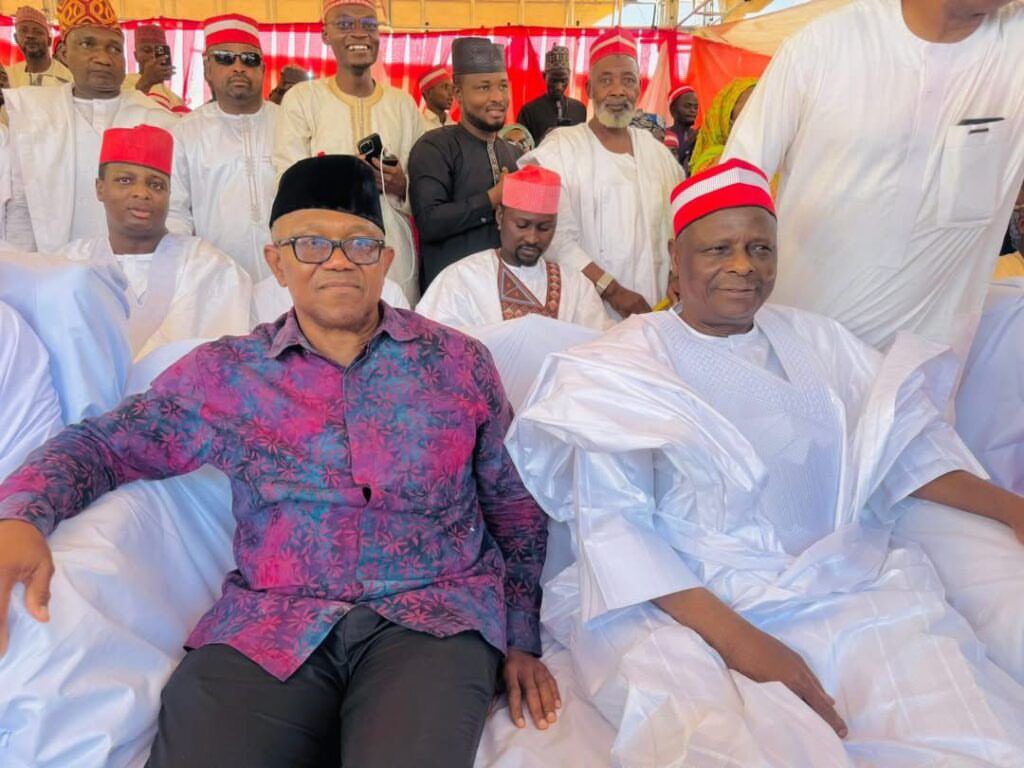
Peter Obi and Rabiu Kwankwaso joined the Nigeria Democratic Congress on May 3, leaving the ADC. Obi cited internal crises and orchestrated litigation designed to exclude him from effective electoral participation, mirroring his Labour Party experience.
Why it Matters:
This move signals a significant restructuring of opposition politics. Obi and Kwankwaso bring regional strength and electoral weight, potentially transforming the NDC into a viable national platform. However, repeated party switches highlight weak ideological foundations in Nigerian politics. Voters who want a change hoped that the opposition coalition in the ADC would be stronger challenger to the APC, as the PDP goes through turmoil, but Obi and Kwankwaso’s breakaway will likely repeat the opposition fragmentation that handed 2023 to the ruling party.
2. Court Halts NBC Sanctions On Broadcasters Over Expression Of Opinion

The Federal High Court in Lagos has restrained the National Broadcasting Commission from sanctioning broadcasters and presenters for expressing personal opinions, following a suit by SERAP and the Nigerian Guild of Editors.
Why it Matters:
This ruling is a rare judicial pushback against regulatory overreach in a media environment increasingly shaped by fear and self-censorship. It protects the lifeblood of journalism: the ability to analyze, contextualise, and offer informed commentary. The court has also drawn a line against vague enforcement that could be weaponised, especially as 2027 approaches. The NBC’s attempt to penalise presenters for expressing opinions would have turned broadcasters into mere news readers, stripped of the analytical function that helps citizens understand complex issues.
3. Katsina: Bandits Kill 24 In Fresh Attacks, Troops Neutralise 45
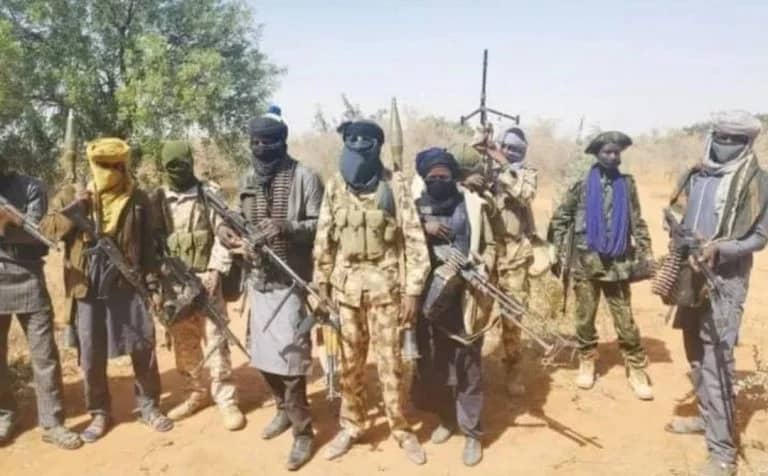
Bandits killed 24 people in attacks on Jikamshi market and Gwalgoro village in Katsina State between May 2 and May 4. Troops neutralised 45 suspected bandits in a March operation, but attacks continue. Residents protested, demanding stronger security presence.
READ ALSO: Bandit Threats, Borrowing Debates, and Shifting Political Allegiances
Why it Matters:
The pattern of attack and counterattack underscores a security architecture struggling to achieve deterrence. The dual reality of military success and persistent civilian casualties exposes the limits of current security strategies. Tactical victories are not translating into sustained safety for communities. Public frustration is growing, reflected in protests. Without addressing root causes, ungoverned spaces, weak intelligence, and tacit support for bandits, these attacks will continue.
4. Jonathan Speaks On 2027 Presidential Ambition, Promises Wider Consultations
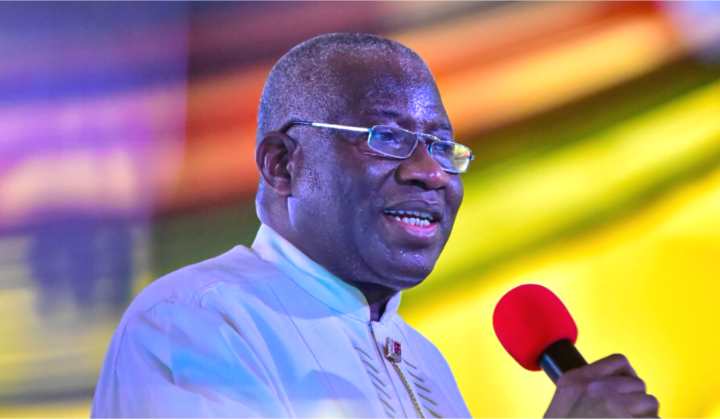
Former President Goodluck Jonathan has said he will consult widely before deciding whether to contest the 2027 presidential election, following appeals from youth groups urging him to return to the race.
Why it Matters:
Jonathan’s potential return represents concerns some voters have about Nigerian politics: recycled candidates, aging leaders refusing to step aside, and the absence of generational renewal. At 69 in 2027, he would join Tinubu (75), Atiku (80), and others in a gerontocracy where the same faces dominate. The call for increased voter participation is significant, given persistent apathy. However, his potential return raises broader questions about generational transition and whether the political system can produce new leadership.
5. Court Convicts Ex-Power Minister Mamman Over ₦33.8bn Fraud
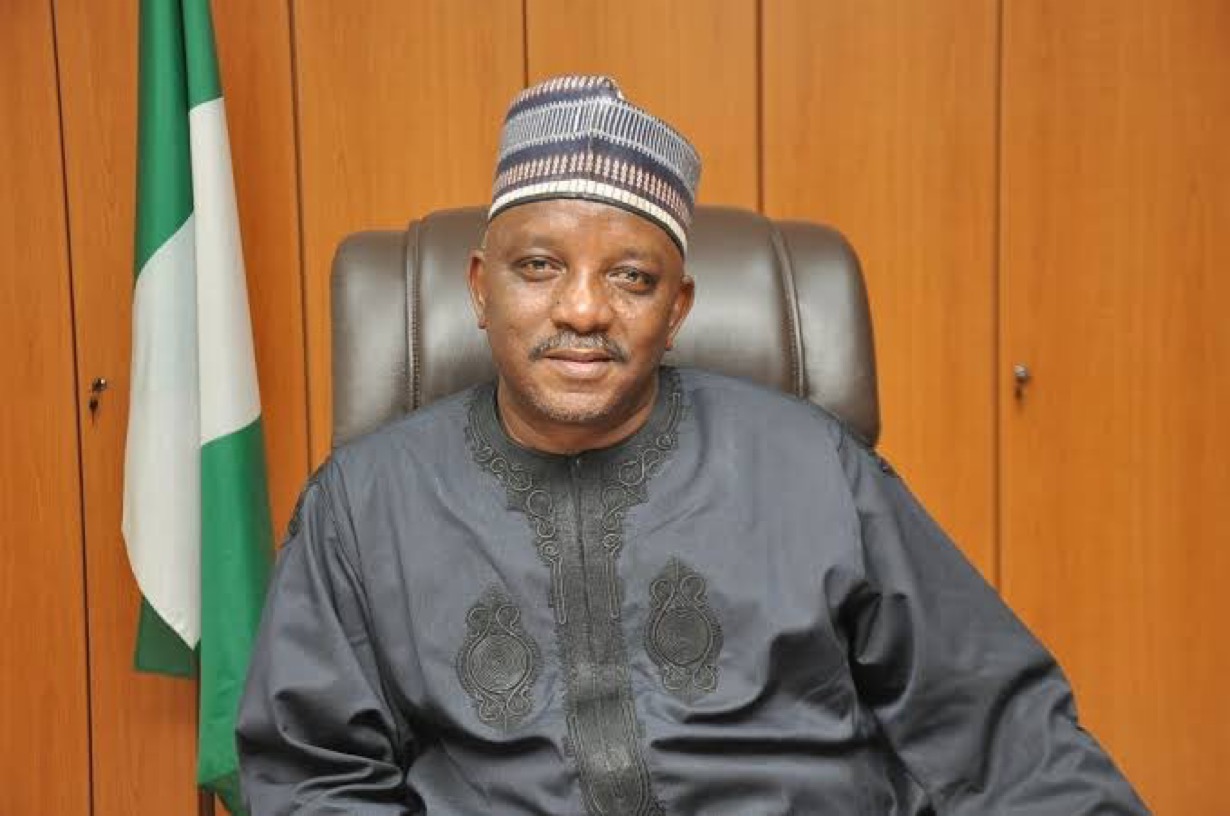
The Federal High Court in Abuja has convicted former Power Minister Saleh Mamman of fraud and money laundering involving ₦33.8 billion meant for major hydroelectric projects during the Buhari administration.
Why it Matters:
This is one of the most significant corruption convictions in recent years. A sitting minister diverted ₦33.8 billion meant for power projects while Nigerians remained in darkness. The judge’s observation, “Rather than creating a legacy to tackle the epileptic power supply, the defendant was living large at the expense of ordinary citizens”, captures the tragedy. Until convictions translate into deterrence and institutional reform, corruption will persist as a structural issue undermining governance and public service delivery.
Conclusion
This week captures a nation navigating transition without resolution.
Political actors are repositioning, institutions are being tested, and security challenges remain unresolved.
While the courts assert their role in protecting freedoms and enforcing accountability, deeper structural issues persist beneath the surface.
As 2027 approaches, Nigeria faces a defining question, whether these shifts represent meaningful progress or another cycle of familiar patterns reshaped without fundamental change.