
When former Nigerian President Muhammadu Buhari was confirmed dead on Sunday, July 13, 2025, at a hospital in London, it closed a chapter in Nigeria’s modern history—but opened new questions. The announcement from the Nigerian presidency was brief. Details about the specific hospital, cause of death, or final moments were conspicuously absent.
Days later, the United Kingdom, a country Buhari visited frequently for medical treatment during his presidency, has yet to issue a condolence message from the Prime Minister or the Foreign Office. Only the British High Commission in Abuja acknowledged his passing with a short social media post expressing sympathy to the Nigerian people.
This silence at the highest diplomatic level has triggered not only surprise but renewed public speculation about long-standing conspiracy theories that surrounded Buhari’s presidency. Among them: the persistent claim that the real Buhari died in 2017 and was replaced by a body double.
A Missing Gesture of Diplomacy
International protocol often dictates that when a former head of state dies, particularly while on foreign soil, it warrants an official condolence message from the host nation. In 2022, Nigeria officially mourned Queen Elizabeth II; Buhari himself signed the condolence register at the British High Commission. Many expected a similar gesture in reverse from the UK.
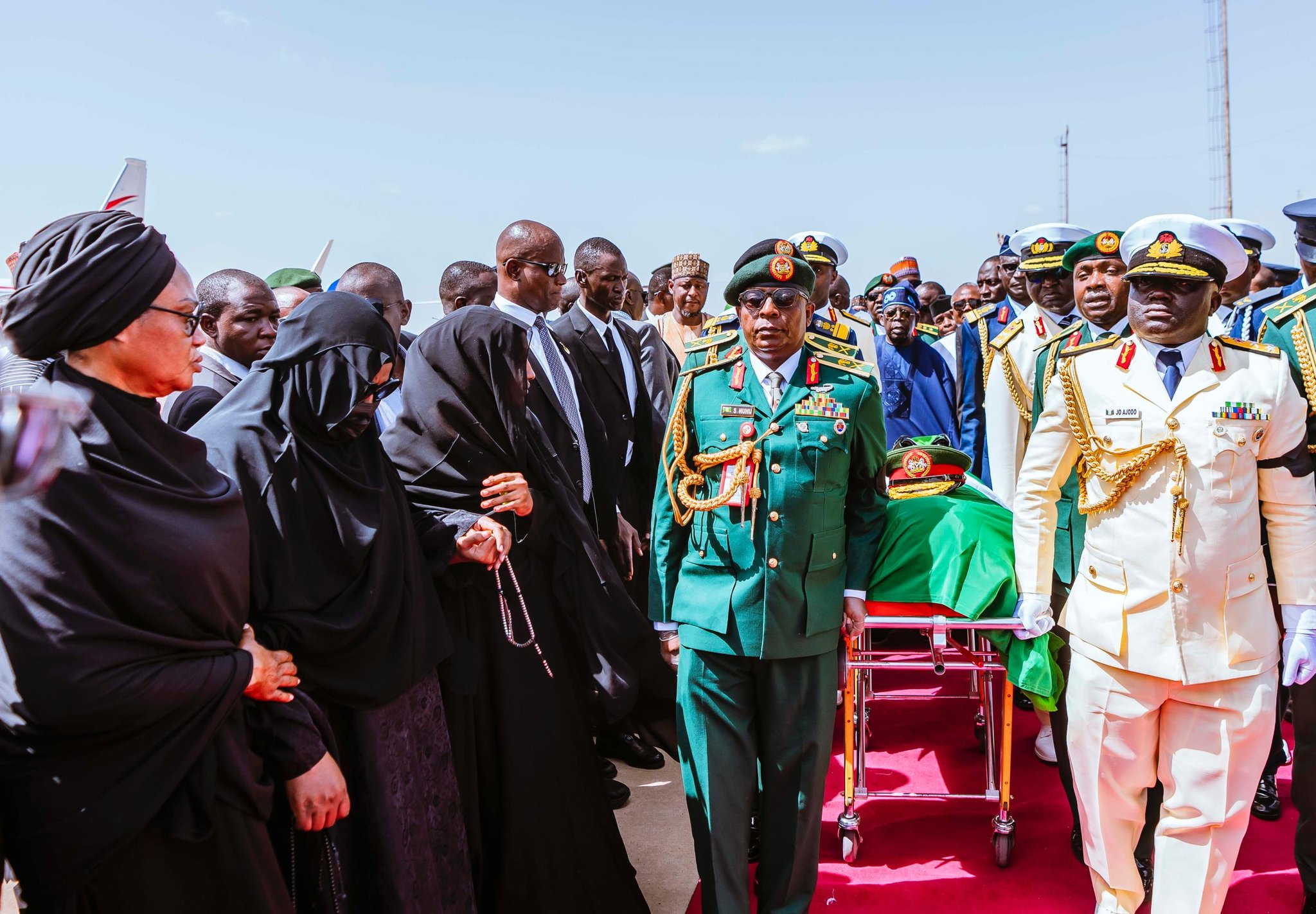
The absence of a formal tribute from No. 10 Downing Street or a statement from the UK Foreign Office has left many Nigerians perplexed. While there is no legal obligation for such messages, in diplomatic terms, silence can speak volumes.
An international relations analyst, based in Imo notes, “In diplomacy, acknowledgment matters. The absence of a statement from the British leadership, considering Buhari’s long medical history in London, could be interpreted as a symbolic distancing.”
The Legacy of a Silent Presidency
Throughout his time in office from 2015 to 2023, Buhari was known for long medical leaves, many of which were spent in London. One such absence in 2017, when he was gone for over 100 days, sparked wild speculation about his health. The lack of regular updates at the time fueled the now-infamous “Jubril from Sudan” theory, suggesting that Buhari had died and been replaced by a look-alike.
Although widely debunked, the theory took hold in the national imagination, partly due to opaque communication from the presidency. Buhari eventually addressed the rumors, calling them “ridiculous,” but for many, the explanation came too late to reverse public doubt.
Now, with his death and burial but with no public image, or medical report released, some Nigerians are asking again: Was it Buhari who died in 2025, or had he died long before?
Medical Tourism and Its Irony
Buhari’s death in a foreign hospital underscores a deeper issue—Nigeria’s dependency on foreign healthcare. Despite pledges to reform the health sector, Buhari became the face of elite medical tourism. Critics argue that his government failed to invest sufficiently in local hospitals, leaving the average Nigerian to contend with under-resourced facilities.
A Lagos-based public health consultant, Ogidi Jones, describes the symbolism as painful. “A sitting president who sought care abroad, and in the end, died abroad. It’s a reflection of our systemic failure—not just in healthcare, but in leadership accountability and self-reliance.”
During his time in office, Buhari promised to end the culture of medical tourism. Yet, under his watch, many top government officials, including ministers and lawmakers, continued to fly abroad for basic medical needs. Buhari himself reportedly spent over 200 days cumulatively in the UK for health-related matters between 2015 and 2023. That he died in the same country only reinforces the sense of irony.
Beyond symbolism, the economic implications are stark. Nigeria loses an estimated $1 billion annually to medical tourism, much of it going to India, the UAE, and the United Kingdom. For ordinary citizens watching a former president spend his final moments abroad, the message is clear: even at the highest level, Nigerian healthcare remains untrusted.
The Return of Distrust
In the days following Buhari’s death, social media platforms have become a digital town square of grief, doubt, and debate. While tributes poured in from across Africa and parts of Asia, many Nigerians found themselves wrestling not just with the reality of his passing, but with the persistent feeling that key facts were again being withheld.
The hashtag #Buhari2025 trended alongside older conspiracy-linked tags like #JubrilOfSudan and #WhoDiedInLondon. Memes, voice notes, and speculative threads flooded WhatsApp groups and X (formerly Twitter), many echoing sentiments like, “We may never know the truth.”
To Nigeria’s political elite, these theories may seem absurd. But for millions of ordinary citizens, they are a byproduct of years of half-truths and silence from government channels.
READ ALSO: Buhari’s Love for Nigeria Shaped Every Decision He Made — Tinubu
“It’s not really about believing Buhari was cloned,” says Precious Ekechi, a political psychologist. “It’s about believing that the government hides the truth as a matter of culture. In such an environment, people begin to believe anything—or everything.”
Silence as a Statement
The absence of a clear response from the UK government raises diplomatic and ethical questions. Was it an oversight, or does it reflect a more calculated decision to avoid entanglement in Nigeria’s domestic sensitivities?
International relations experts suggest that the UK may have opted for subtlety to avoid appearing as though it had a special interest in a man who was often criticized for autocratic tendencies and human rights concerns. Others believe the silence may indicate that Buhari’s international legacy was not held in as high regard as some in Nigeria might have believed.
“It’s possible the British government simply assessed the situation and decided to let their High Commission handle it quietly,” said a senior fellow at the Royal Institute of International Affairs (Chatham House). “That in itself is telling.”
A Final Reflection
In the end, Muhammadu Buhari will be remembered by many as a president of paradoxes: a man who promised change but was often absent; a leader who championed integrity but whose administration was tainted by opacity; a president who ruled from Abuja but often recovered in London.
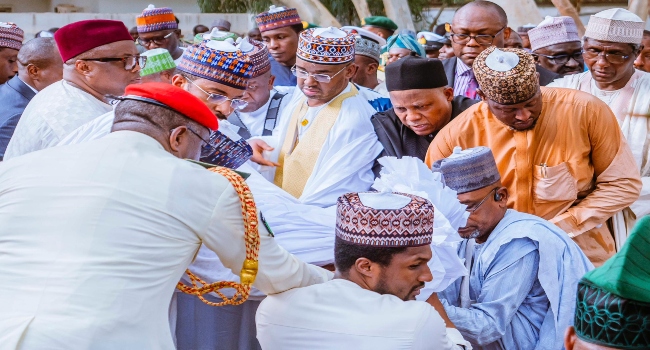
His death, much like his presidency, is shrouded in questions. And in the silence from foreign capitals and the speculation at home, Nigeria is once again forced to reckon with the price of secrecy, the fragility of trust, and the long shadows of unresolved doubts.
As the nation has now buried one of its most controversial leaders, the real mourning may not only be for Buhari—but for the truth, which Nigerians fear they may never fully receive.