
When Kemi Adetiba opened the casting call for her ambitious new epic The Stool on April 2, 2026, it looked, at first, like a standard industry audition. Within days, it had become something else entirely: a nationwide rush for visibility, opportunity, and a place in one of Nollywood’s most closely watched productions.
By April 13, when submissions closed, thousands of aspiring actors had answered the call across physical venues and digital platforms. The response stretched from organised audition spaces to self-taped performances shared across social media, where monologues, rehearsals, and emotional breakdowns turned timelines into a rolling showcase of ambition.
What made the moment stand out was not only scale, but contrast. Unknown actors stood in the same queues as recognisable industry names, collapsing the usual hierarchy of access into a single, competitive frame.

On social media, clips circulated rapidly, many centred on themes of authority, succession, and survival, as participants attempted to capture attention in seconds that could determine careers.
The open call also reached beyond Nigeria, drawing entries from Ghana and other parts of the continent, quietly expanding the audition into a wider African talent scan.
In the process, The Stool became less a private casting exercise and more a public demonstration of just how dense Nollywood’s untapped talent pool has become.
After the deadline, Adetiba acknowledged the response in a public message, expressing gratitude for both the volume and quality of submissions.
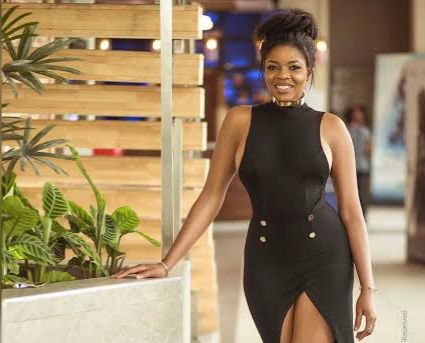
She described The Stool as her most ambitious epic yet and urged selected actors to “own every second” on screen, a line that quickly resonated online as both encouragement and warning in equal measure. Her tone was familiar to industry watchers: appreciative, but exacting.
The scale of the response also sharpened a broader conversation about Nollywood itself. For many participants, the audition was not just an attempt at a role, but a rare opening into a system where entry points are often limited and heavily networked.
Even those who did not progress described the experience as meaningful exposure, a brief but valuable moment of visibility in a crowded industry.
Adetiba’s pull explains much of that intensity.
Her breakout feature The Wedding Party (2016) remains one of Nollywood’s defining commercial successes, widely credited with resetting expectations for box office performance and mainstream appeal.
She followed with King of Boys (2018), a politically charged drama that expanded the boundaries of Nigerian storytelling and earned multiple nominations at the Africa Magic Viewers’ Choice Awards.
The project later evolved into the Netflix-backed continuation King of Boys: The Return of the King, extending its cultural reach far beyond cinema release.
More recently, To Kill a Monkey further demonstrated her shift toward darker, psychologically layered narratives, reinforcing her range while maintaining audience pull across platforms.
Before feature films, Adetiba had already built a strong visual reputation in music videos. Her direction of Tease Me by Wizkid earned her Best Female Video at the Nigeria Entertainment Awards, while she also received Best Music Video Director at the City People Entertainment Awards.
That early command of framing, rhythm, and performance continues to shape her film language today. Over time, she has become known for a production style defined by discipline and precision.
Cast and crew frequently describe her standards as demanding but consistent, a reputation that has become inseparable from the polish associated with her projects.
Positioned within her anticipated “Big 5” slate, The Stool is expected to explore themes of power, inheritance, and succession, with the open casting call signalling a deliberate widening of access beyond familiar industry circles.
READ ALSO: Beyond Stardom: Bimbo Ademoye And The Making Of A Digital Nollywood Dynasty
The auditions, however, also exposed a structural truth about Nollywood in 2026: opportunity is expanding, but competition is expanding faster.
Streaming platforms have widened distribution channels, yet access to major roles remains tightly contested, with visibility now functioning as one of the industry’s most valuable currencies.
That tension was visible in the audition response itself. Established actors and first-time hopefuls competed under the same conditions, each attempting to translate presence into possibility.
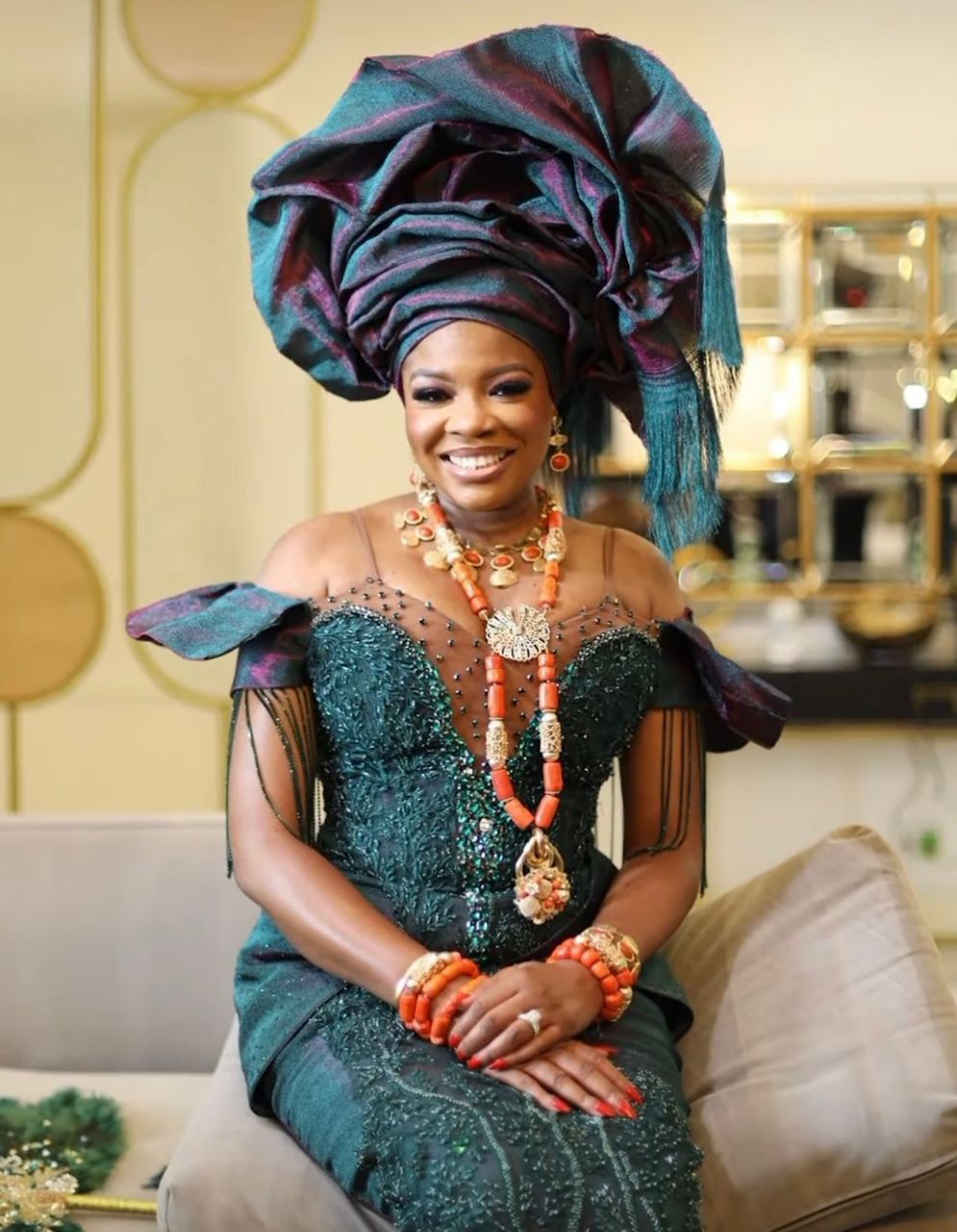
For Adetiba, the exercise ultimately reinforced a position she has steadily occupied for nearly a decade: not just as a filmmaker with audience pull, but as a gatekeeping force within contemporary Nollywood storytelling.
Her projects do more than attract attention. They organise it.
And with The Stool, that influence has once again pulled the industry into formation around her.
In the end, the auditions were not simply about casting roles. They became a live index of ambition in Nollywood today, where thousands showed up for a chance to be seen, and one filmmaker once again defined the stage they were all stepping onto.