
Uche Montana stands at the centre of Nollywood’s most decisive digital shift in recent years, driven by the explosive performance of the Monica franchise, which has repositioned her from steadily rising screen talent into one of the industry’s most commanding forces in online-first storytelling.
In a matter of months, she has moved beyond conventional industry visibility defined by cinema runs and award cycles into a rarer category shaped by streaming scale, audience loyalty, and global digital reach.
The Monica series has become the clearest expression of that transition, not just as a hit title but as a sustained cultural moment.
The figures underline the shift with unusual clarity. Monica has crossed 21 million views within two months, while Monica 2 accelerated even faster, surpassing 16 million views within just five days of release.
That velocity speaks less to curiosity and more to commitment, a returning audience following a story they are already emotionally invested in.
Across YouTube and social platforms, the engagement has been immediate, continuous, and intensely participatory. Viewers are not simply watching; they are interpreting, debating, and emotionally negotiating Monica’s choices in real time.
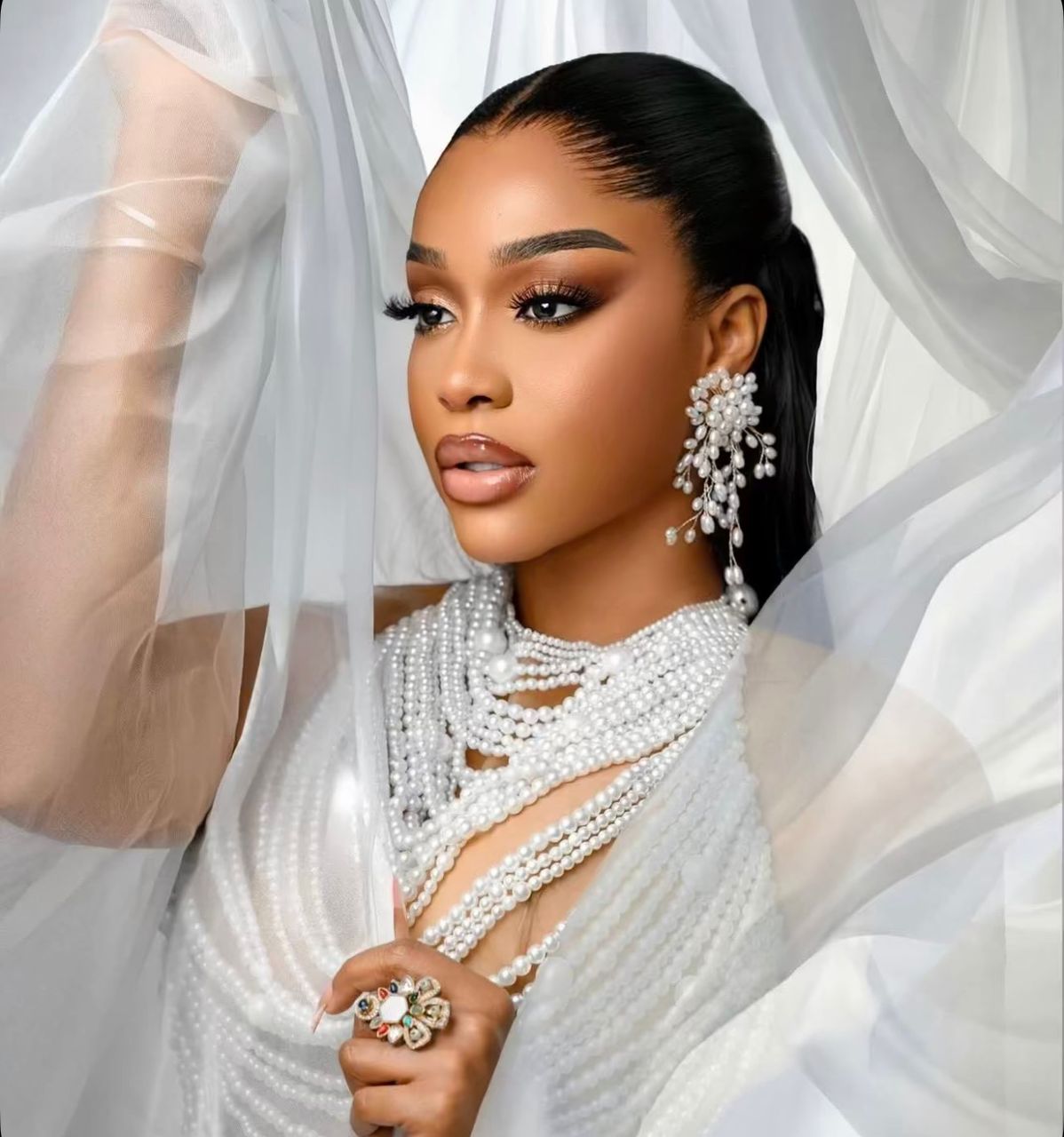
The story has extended beyond screens into a transnational conversation stretching from Nigeria across Africa and into diaspora communities, where fragments of the narrative are continuously reshared, re-argued, and re-experienced.
At the centre of this ecosystem is Uche Montana, whose performance functions as the emotional spine of the franchise. Monica is built on familiar but unrelenting terrain, fractured family structures, betrayal, emotional dependency, and personal sacrifice, rendered with a grounded realism that allows audiences to see themselves within the character’s conflicts rather than observe them from a distance.
Supported by John Ekanem, Blessing Onwukwe, and Joseph Momodu, the franchise sustains a tightly constructed emotional world that prioritises continuity of feeling over spectacle. That consistency has become one of its strongest assets, cultivating a rare form of viewer loyalty in a saturated digital content landscape.
Yet Montana’s rise was not engineered by Monica. It is the outcome of nearly a decade of steady, disciplined progression within Nollywood.
Since entering the industry around 2015, she has built her career incrementally, moving from supporting roles into more prominent screen visibility.
Her breakout came with Hush, a project that introduced her to wider industry attention and established her as a performer with range and presence. From there, her filmography expanded across titles including Banana Island Ghost, The Eve, Made in Heaven, and Behind The Scenes, each reinforcing her versatility and reliability within mainstream Nollywood production.
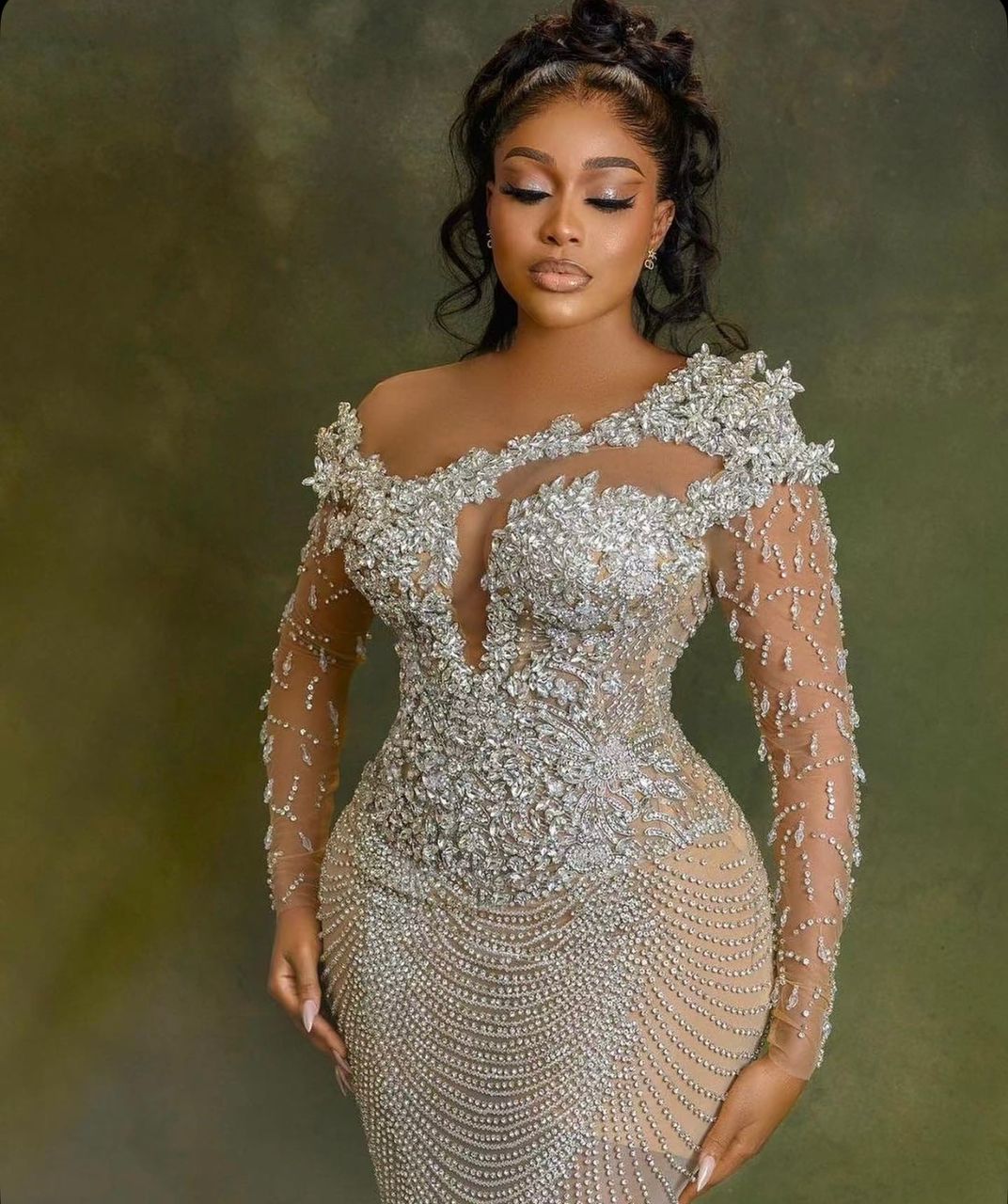
Recognition followed in parallel with her growth. She received the MAYA Awards Africa honour for Best Supporting Actress in a TV Series for Hush, one of her earliest formal industry validations. She also earned a Best Supporting Actress nomination at the Best of Nollywood Awards, further consolidating her standing as a performer steadily gaining critical weight.
More recently, her performance in Thin Line earned her a nomination for Best Lead Actress at the Africa Magic Viewers’ Choice Awards, placing her among the industry’s most competitive acting tier and confirming her transition into leading-woman status on a continental stage.
READ ALSO: Beyond Stardom: Bimbo Ademoye And The Making Of A Digital Nollywood Dynasty
Still, it is the Monica franchise that has fundamentally recalibrated her career. Beyond recognition and nominations, it has delivered measurable digital dominance, repositioning her within a new Nollywood economy where success is defined by audience scale, engagement intensity, and borderless accessibility rather than theatrical exclusivity.
YouTube, in this new order, is both stage and marketplace, and Montana has shown a precise instinct for its rhythm. Her channel, Uche Montana TV, has evolved into a consistent digital performer in its own right, extending her influence beyond a single franchise into a broader content ecosystem.
Titles such as Nine Months Till Forever, which has surpassed 10 million views, and Hustle Code, which has recorded over 12 million views, reinforce a pattern that is now difficult to ignore.
Montana is not operating on isolated virality. She is building a repeatable emotional model, anchored in storytelling that converts consistently across different narratives.
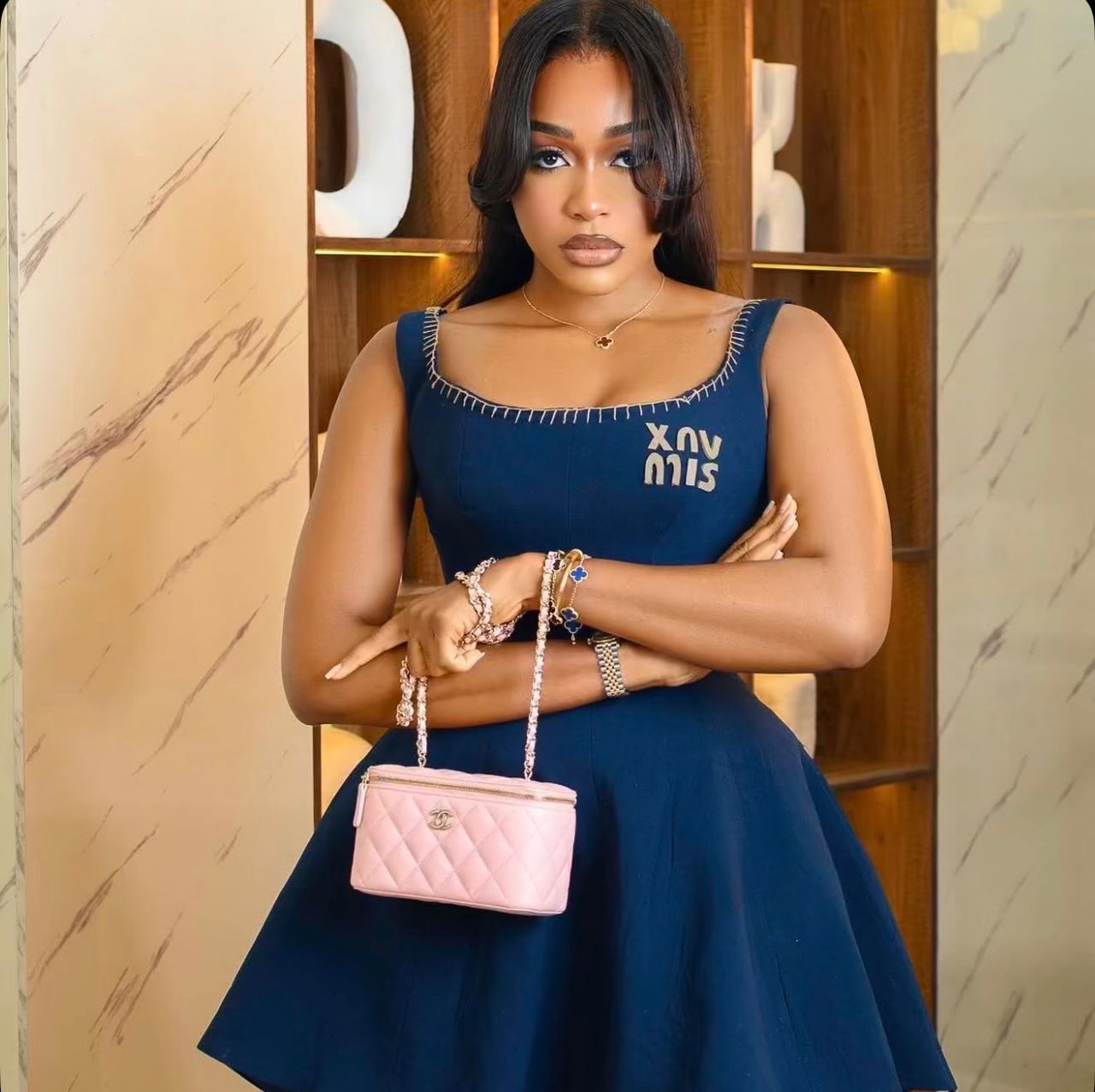
That consistency, however, comes with its own pressure. Digital audiences are fluid, attention cycles are short, and relevance must be continuously earned. Yet Montana’s trajectory has not been defined by volatility. Instead, it reflects a carefully paced ascent marked by discipline, gradual expansion, and increasing creative control through writing and production involvement.
What Monica and Monica 2 ultimately represent is not a breakout in isolation, but a structural redefinition of Uche Montana’s position within Nollywood. She is no longer simply part of the industry’s digital transition. She is operating within its centre of gravity.
In an entertainment landscape increasingly shaped by algorithmic visibility, global audience flow, and streaming behaviour, Montana occupies a rare intersection of performance, authorship, and platform intelligence.
And in that space, she is not reacting to Nollywood’s digital future. She is actively helping to script it.