
Nigeria’s political temperature rose another notch this week as the country moved closer to the 2027 general elections.
Atiku Abubakar, the presidential candidate of the African Democratic Congress (ADC), questioned INEC’s independence and said he was not confident that the commission would conduct the 2027 election fairly.
He also made his participation in presidential debates conditional on President Bola Tinubu’s involvement, placing the performance of the incumbent administration at the centre of the coming contest.
Meanwhile, APC senator Ali Ndume offered the opposition a different piece of advice: stop making President Tinubu’s academic credentials the centre of political argument and instead challenge his economic and security record.
Beyond individual politicians, the G100 initiative moved closer to testing whether Nigeria’s notoriously fragmented opposition can translate its repeated calls for unity into an organised political arrangement.
Six opposition parties are preparing to discuss a framework for cooperation without necessarily surrendering their identities or immediately merging.
Finally, President Tinubu’s ordered for the immediate rescue of victims abducted from a mosque in Niger State.
Together, these developments reveal the central tensions likely to shape the road to 2027: trust in institutions, opposition unity, the record of the incumbent government, the quality of political debate and the ability of the state to protect its citizens.
1. Atiku Questions INEC’s Independence Ahead of 2027
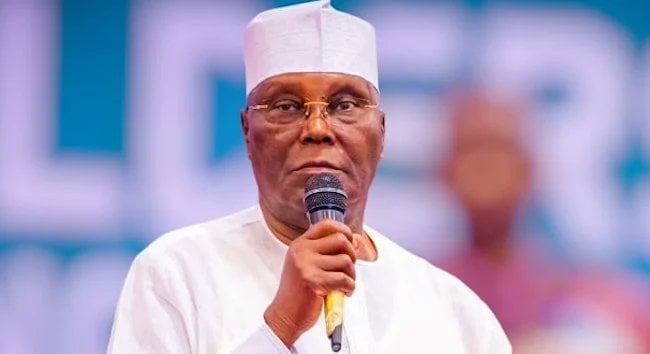
Atiku Abubakar says he lacks confidence in INEC’s independence, alleging government influence, while urging Nigerians to vote massively, protect their ballots and ensure their votes count.
Why it Matters:
Atiku’s statement goes beyond ordinary opposition criticism because public confidence in INEC is fundamental to electoral legitimacy. Nigeria’s elections have repeatedly generated disputes over logistics, technology, transparency and institutional independence. By questioning INEC this early, Atiku is setting the narrative for 2027 and warning supporters against complacency. However, opposition parties must also distinguish legitimate scrutiny from prematurely undermining electoral institutions. The challenge for INEC is that it cannot merely insist that it is independent; it must demonstrate that independence through transparent decisions, consistent enforcement of electoral rules and equal treatment of all parties.
2. Ndume Challenges Opposition to Debate Tinubu’s Record, Not Certificates
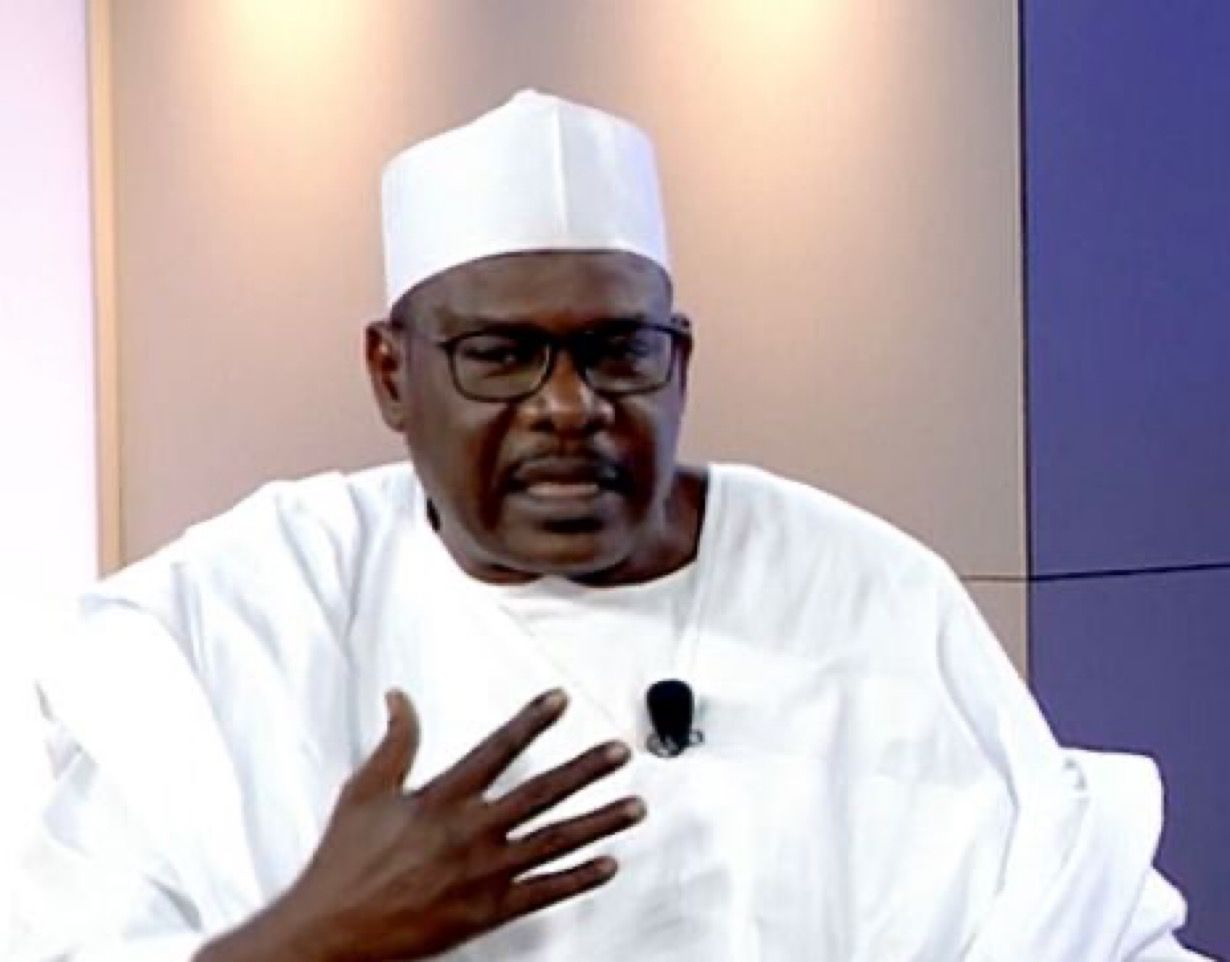
Ali Ndume urges opposition parties to stop dwelling on Tinubu’s academic credentials and instead challenge his economic policies, security record and overall performance after three years.
Why it Matters:
Ndume’s counsel is shrewd politics dressed as statesmanship, steering opponents away from the incumbent’s most personal vulnerability toward terrain the government believes it can defend. Yet his framing concedes something real: after three years, the record exists to be judged. The blank EC9 fields he glosses over remain legitimate transparency questions, but his core challenge stands, an opposition without an alternative economic argument is merely an aggrieved chorus. The certificate issue is not going away, however. Atiku has filed a court suit, and courts, not campaign advisers, will determine its significance.
3. Atiku Makes Tinubu’s Participation a Condition for Presidential Debate
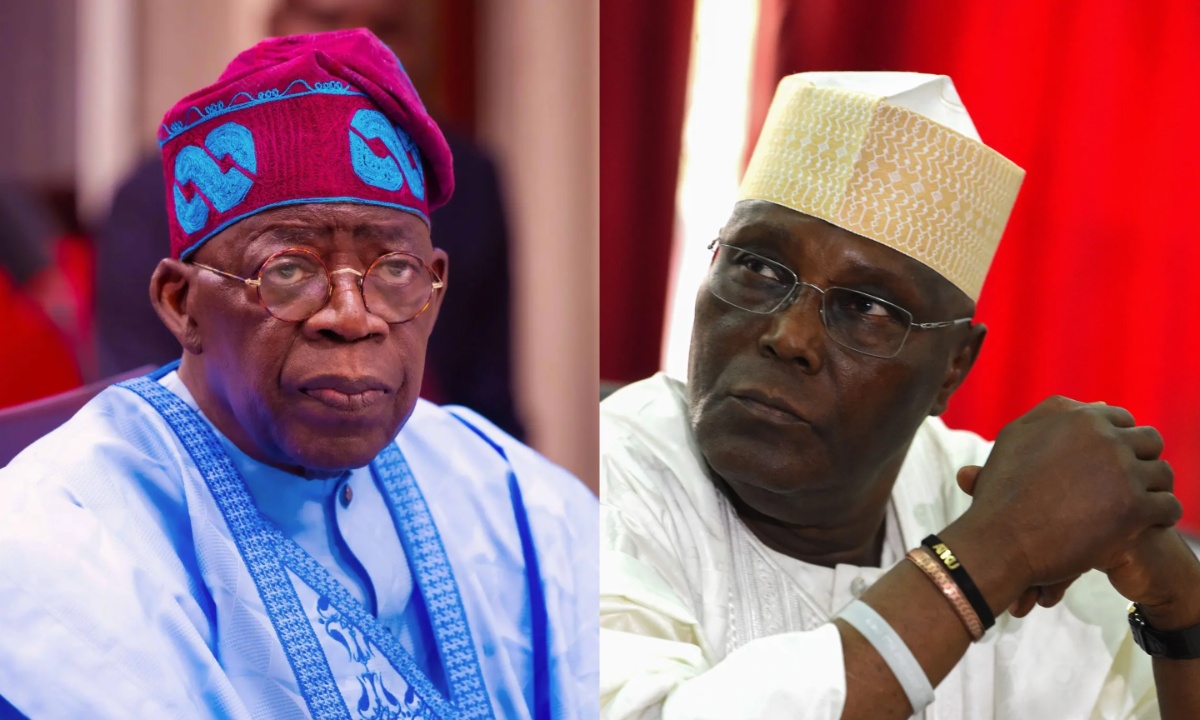
Atiku Abubakar says he will not participate in presidential debates without Tinubu, arguing that Nigerians deserve direct comparisons between the incumbent government’s record and opposition candidates’ alternatives.
Why it Matters:
Atiku’s debate condition is a calculated political move that reframes the entire debate conversation. By making Tinubu’s participation the condition of his own, Atiku shifts the burden of accountability onto the President, forcing him to either show up and defend his record or decline and face the narrative of a leader afraid of public scrutiny. In Nigeria’s electoral history, incumbents have routinely avoided debates. Atiku has made that avoidance, this time, a campaign issue in itself. However, refusing to participate also carries risks. Presidential debates are ultimately opportunities to communicate with voters. If a candidate stays away because another candidate does not attend, voters may regard that as an unnecessary political calculation.
READ ALSO: Power, Violence And Political Loyalty: Inside Nigeria’s Turbulent Week
4. Six Opposition Parties Begin Talks on Cooperation Ahead of 2027

The G100 is bringing six opposition parties together to develop a cooperation framework, seeking coordination without immediate merger, as parties attempt to overcome fragmentation before 2027.
Why it Matters:
This may be the most consequential development of the week because Nigeria’s opposition problem has rarely been a shortage of political parties; it has been the inability of those parties to remain united long enough to defeat a stronger governing party. The 2013 opposition negotiations that produced the APC provide an obvious historical reference. The eventual defeat of the PDP in 2015 demonstrated what coordinated opposition politics can achieve. But the current G100 approach differs because it does not initially demand that participating parties dissolve themselves into one organisation. For the coalition to succeed, its members must answer the most difficult question early: what are they willing to sacrifice individually to achieve a common political objective?
5. Tinubu Orders Immediate Rescue Of Niger Abduction Victims, Vows Terrorists Won’t Go Free
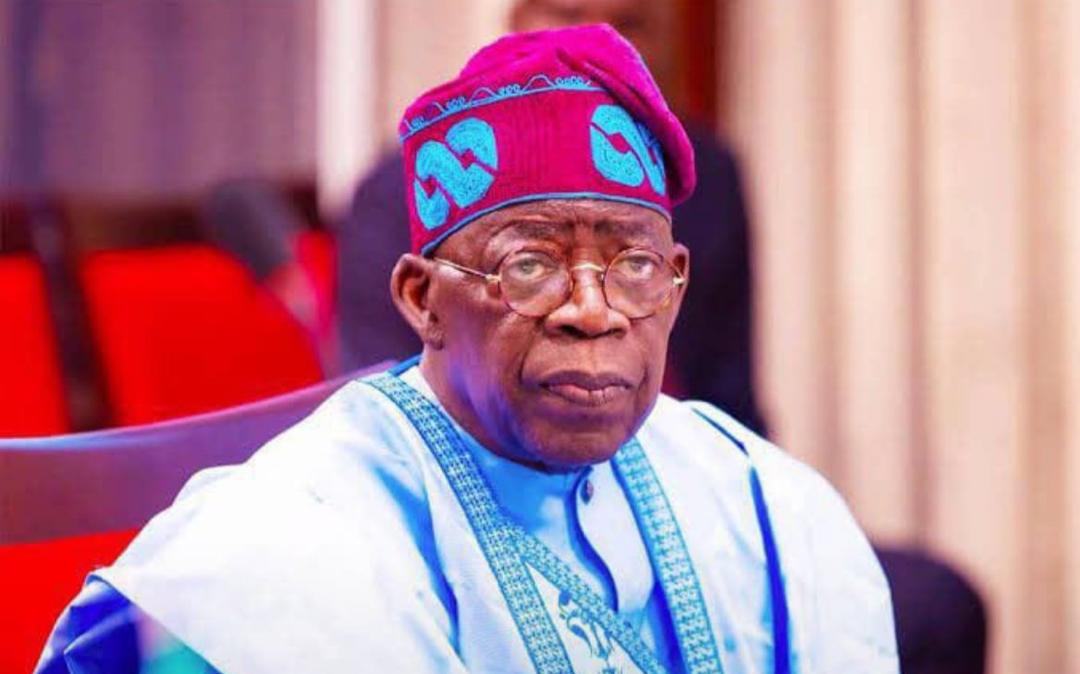
President Tinubu orders security agencies to rescue worshippers abducted from a mosque in Niger State, promising terrorists will not escape punishment amid renewed fears over insecurity.
Why it Matters:
The incident in Niger State is a stark reminder that political calculations in Abuja ultimately confront realities in Nigeria’s communities. President Tinubu’s directive for a coordinated rescue operation is appropriate and necessary. His assurance that the perpetrators will not go free also reflects the government’s constitutional responsibility to protect citizens. But Nigerians have heard strong presidential promises before. The real measure of the administration’s response will be whether the abducted victims are rescued, whether the attackers are apprehended and whether the affected communities become safer afterwards.
Conclusion
Nigeria may still be months away from the formal intensity of the 2027 campaign season, but the political contest is already taking shape.
Yet beneath all these manoeuvres lies a more fundamental question: what exactly will Nigerians be voting for in 2027?
Ultimately, 2027 will not merely be a referendum on Bola Tinubu or a test of Atiku Abubakar and the opposition. It will be another test of Nigeria’s democracy itself, and whether its political class has learned enough from the country’s past to offer voters something better.