
Nigeria’s political landscape this week revealed a nation where democratic competition increasingly collides with insecurity, institutional tension, and shifting alliances.
In Rivers State, gunmen attacked the convoy of former minister Rotimi Amaechi and burned an opposition party office, raising fears about the safety of political mobilisation.
In Kano, lawmakers launched impeachment proceedings against a deputy governor whose refusal to defect from his party exposed deeper political fractures.
Meanwhile, Federal Capital Territory Minister Nyesom Wike openly defended his support for President Bola Tinubu, widening divisions inside the opposition PDP.
Beyond domestic politics, a diplomatic clash emerged after Israel accused Iran of backing Islamic movements in Nigeria, drawing global geopolitics into local security debates.
Finally, the chairman of the Independent National Electoral Commission offered a cautious promise about the future, saying the 2027 elections will be Nigeria’s best yet, even if perfection remains out of reach.
Together, these events illustrate a democracy in motion, yet one still grappling with violence, loyalty battles, and the difficult work of building public trust in its institutions.
1. Gunmen Attack Amaechi’s Convoy, Burn ADC Office in Rivers
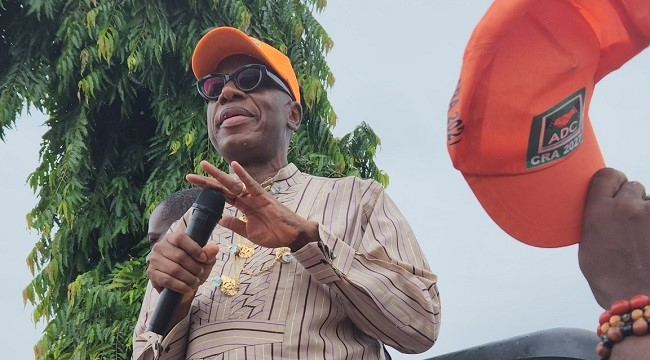
Gunmen attacked former minister Rotimi Amaechi’s convoy and torched the ADC office in his hometown of Ubima, Rivers State, during a party registration exercise. Security operatives repelled the attackers.
Why It Matters:
This attack signals a dangerous escalation of political violence in an already charged and volatile atmosphere. It is also worth noting that this comes just a week after similar attacks on Peter Obi and other ADC leaders in Edo State. How authorities investigate and prosecute the perpetrators will determine whether the episode becomes an isolated attack or a worrying precedent.
2. Kano Assembly Begins Impeachment Process Against Deputy Governor

Thirty-eight Kano lawmakers initiated impeachment proceedings against Deputy Governor Aminu Abdulsalam over alleged misconduct and abuse of office, following his refusal to defect to the APC alongside Governor Yusuf.
Why It Matters:
This move appears less about genuine misconduct and more about punishing political independence. The deputy governor’s decision to remain in the NNPP after the governor’s defection has clearly made him a target. If this impeachment succeeds on what many see as partisan grounds, it sets a troubling precedent where loyalty to a party matters more than constitutional duty, and where state assemblies become tools for settling political scores rather than upholding governance standards.
READ ALSO: Missing Billions, Failed Coup, and Party Woes: Nigeria’s Turbulent Week
3. Wike Defends Support for Tinubu, Criticises PDP Leadership
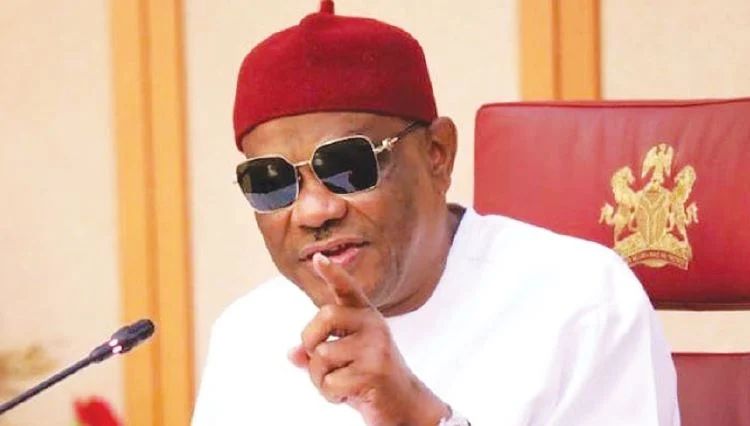
FCT Minister Nyesom Wike unapologetically defended his backing of President Tinubu, saying the PDP never consulted him on candidates and describing contesting under the party as risky.
Why It Matters:
Wike has now made explicit what was previously implicit: he is an APC operative holding a PDP card. His refusal to apologise and his open support for Tinubu’s re-election while serving as a minister appointed by Tinubu shows the fiction that Nigeria’s opposition parties are coherent or disciplined. The PDP’s inability to act decisively on this matter is itself a failure of party leadership.
4. Israeli Envoy Accuses Iran of Backing Islamic Movements in Nigeria To Spread Terrorism Terrorism
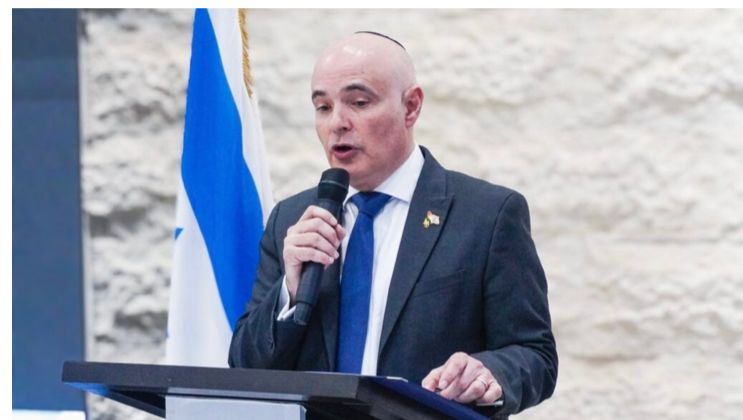
Israeli Ambassador Michael Freeman alleged that Iran sponsors the Islamic Movement of Nigeria as part of a global terrorism network, while Iran’s envoy defended Tehran’s right to military retaliation.
Why It Matters:
Nigeria is being drawn into the rhetoric of the US-Israel-Iran conflict whether it likes it or not. The Israeli ambassador’s allegations are serious and deserve investigation, but they also risk inflaming sectarian tensions domestically. The Nigerian government must navigate this carefully, neither dismissing foreign influence nor allowing external conflicts to destabilise the country from within.
5. 2027 Will Be Nigeria’s Best Election, But Not Perfect — INEC

INEC Chairman Joash Amupitan promised the 2027 election would be Nigeria’s best yet but admitted the commission may not achieve perfection, particularly with real-time electronic transmission of results.
Why It Matters:
After the controversy-laden 2023 elections, Nigerians have every reason to be sceptical of lofty promises from INEC. While the chairman’s honesty about limitations is refreshing, it also exposes the gap between public expectations and institutional capacity. For 2027 to truly represent progress, INEC must move beyond reassuring rhetoric and demonstrate measurable improvements well before election day.
Conclusion
This week’s political developments paint the picture of a country where the rules of engagement are being rewritten in real time.
Violence is being deployed to stifle political activity. Impeachment is being weaponised to enforce loyalty. Party structures are crumbling under the weight of personal ambitions.
Foreign actors are staking claims on Nigerian soil. And the institution tasked with safeguarding democracy is asking the public for patience it may not have left to give.
As 2027 approaches, one thing is increasingly clear: Nigeria’s democracy is not just being tested, it is being stretched to its limits.
How its leaders, institutions and citizens respond in the months ahead will determine whether the country bends or breaks.