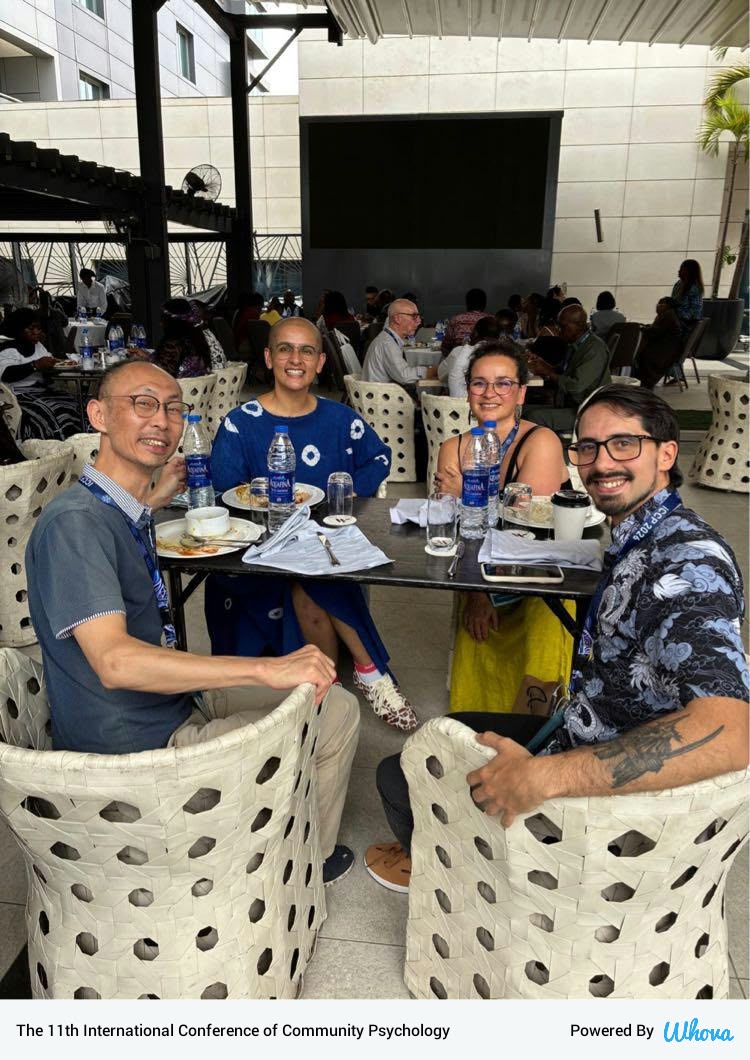
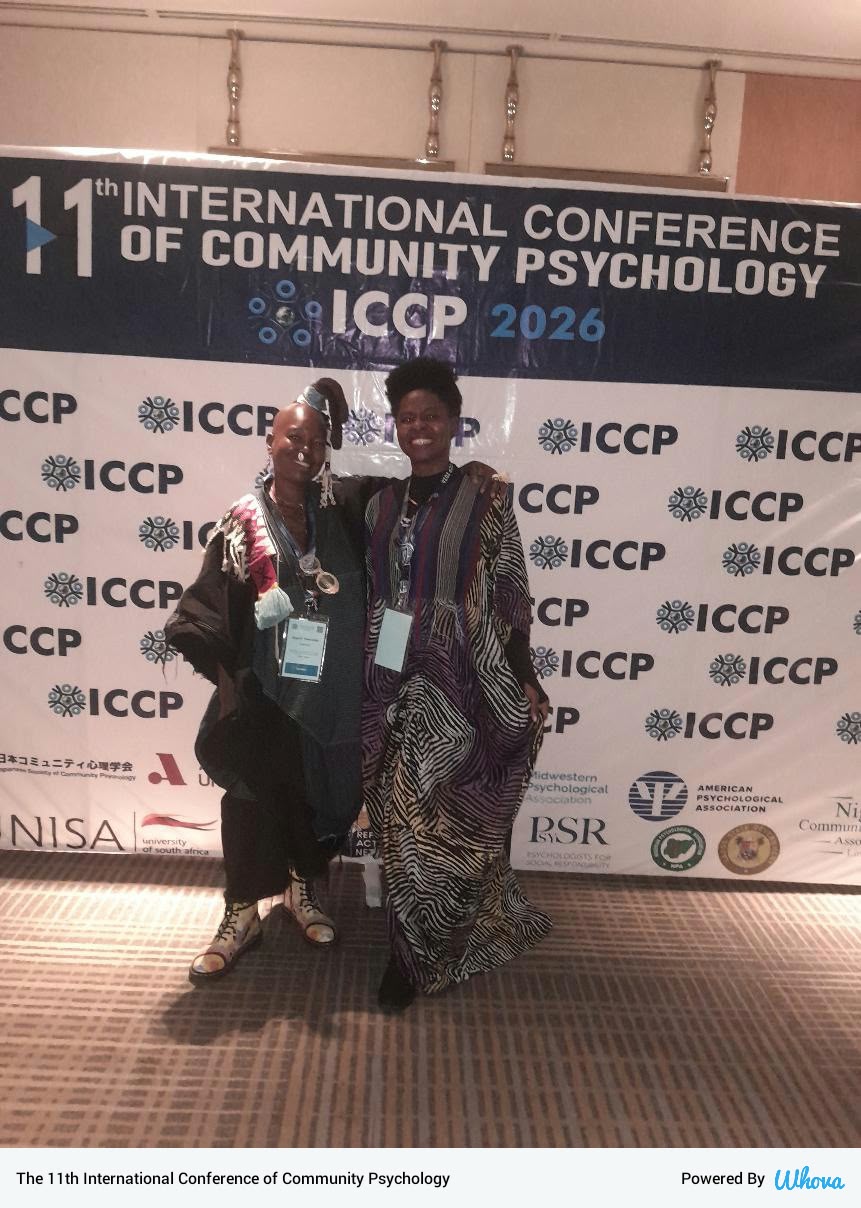
…How Lagos became a global meeting point for community psychology, African knowledge and collective healing
For four days, Lagos was more than Nigeria’s commercial capital.
From September 1 to 4, 2026, the city became a global meeting point for ideas, cultures, scholarship and lived experiences as Lagos State University (LASU) hosted the 11th International Conference of Community Psychology (ICCP).
Held under the evocative theme, “Gathering in the Motherland: Celebrating Lifeways, Ways of Water and Reconnecting to the Source,” the conference was conceived as more than an academic gathering. It was a homecoming; a deliberate invitation to reconnect psychology with community, culture, history, indigenous knowledge and the lived realities of people.
At its core was a compelling proposition: psychology must not exist solely within consulting rooms, classrooms and academic journals. It must engage with the communities, cultures, histories and social realities that shape people’s lives.
The official conference platform described the gathering as an opportunity to “ignite energies” around local ways of being and develop psychologies that support community healing, resistance and organising.
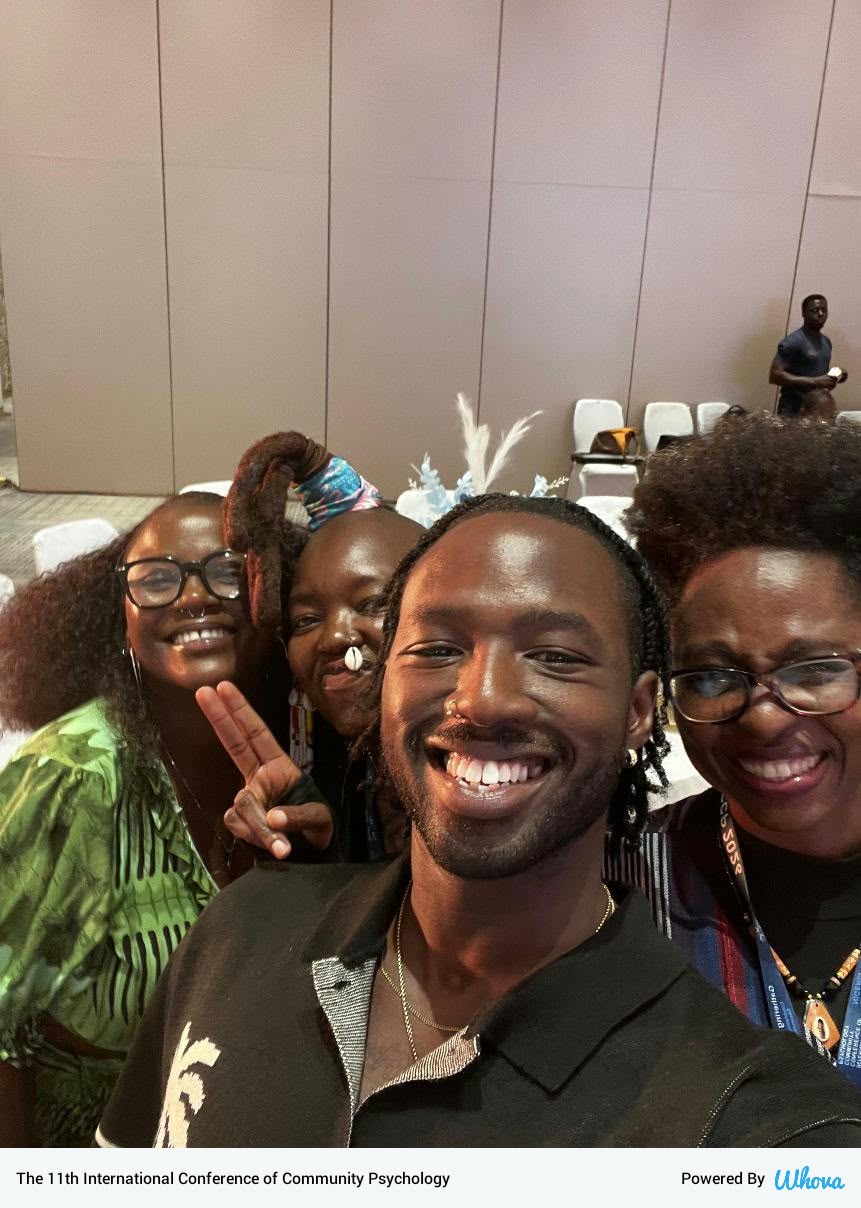
And Lagos provided a fitting stage for that conversation.
A homecoming with a deeper purpose
At the centre of the global gathering was Dr Moshood Olanrewaju, Ph.D., MPA, Convener of ICCP 2026.
A community psychologist and educator based in the United States, Olanrewaju has built his work around community development, refugee resettlement, liberation psychology, human rights and social justice.
For him, bringing ICCP to Nigeria was not simply about hosting another international conference.
It was an opportunity for the global community psychology family to return to Africa and engage directly with knowledge, histories and ways of life that have too often remained at the margins of global academic conversations.
That objective gave the Lagos edition its distinctive character.
Rather than positioning Africa merely as a site where psychological theories developed elsewhere are applied, ICCP 2026 created a platform for African experiences, knowledge systems and community practices to contribute to shaping the future of the discipline.
When water became a metaphor
The choice of the conference theme was deeply symbolic.
Water became a metaphor for movement, connection, memory, survival and return. It provided a powerful thread connecting the conference’s intellectual agenda with Africa’s complex history.
Nigeria’s relationship with water offered an especially significant context, particularly through Badagry, one of the places historically associated with the transatlantic slave trade.
The conference’s pre-conference programme included a journey to Badagry, allowing participants to encounter local histories, traditions and cultural knowledge while reflecting on what it means to reconnect with the source.
The journey was therefore more than geographical.
It was an invitation to confront memory, identity, displacement and resilience, and to consider how history continues to shape communities and individual wellbeing.
From the classroom to the community
One of the defining messages of ICCP 2026 was that psychology cannot remain confined to the consulting room or academic literature.
Community psychology is concerned with people within their social, cultural, economic and physical environments and seeks to promote wellbeing and positive change at community and societal levels.
That philosophy shaped the conversations in Lagos.
Participants explored issues including mental health, social justice, inclusion, empowerment, community wellbeing, indigenous knowledge, systemic inequalities and sustainable development.
But perhaps more significant was the effort to ensure that African perspectives became part of the global conversation, not simply as subjects of research, but as sources of knowledge in their own right.
For decades, Africa has often been positioned as a recipient of psychological theories developed elsewhere.
ICCP 2026 challenged that imbalance.
It created space for African experiences, histories, cultural practices and indigenous knowledge systems to inform conversations about where community psychology should go next.
The official programme reflected this orientation, with discussions around Africanist scholarship, the impact of colonisation and systemic oppression, African-centred interventions, biodiversity and innovative approaches to research.
The message was unmistakable: Africa should not merely consume psychological knowledge; it should also produce and influence it.
LASU opens its doors to the world
For Lagos State University, hosting the conference represented an important institutional milestone.
It was the first time LASU hosted the International Conference of Community Psychology, positioning the university as a significant platform for international academic exchange and collaboration.
Vice-Chancellor Professor Ibiyemi Olatunji-Bello, who served as Chairperson of the Local Organising Committee, had described the conference as an opportunity for Africa to contribute meaningfully to global research and innovation in community psychology.
The gathering also offered an avenue to showcase Lagos and Nigeria’s intellectual, cultural and economic strengths to an international audience.
The conference was organised with the involvement and support of major professional and academic institutions, including the Nigerian Psychological Association (NPA) and the Pan-African Psychology Union (PAPU), alongside international partners.
Organisers had anticipated more than 700 participants, reflecting the international interest surrounding the Lagos gathering.
The human side of a global conference
Yet, behind the keynote speeches, research presentations and expert conversations was another story, the people who made the global gathering possible.
Volunteers, students, organisers and support teams worked largely outside the spotlight, welcoming participants, assisting with logistics, supporting speakers and helping delegates navigate the conference environment.
Their contribution illustrated one of the fundamental principles of community psychology itself: meaningful outcomes are often created collectively.
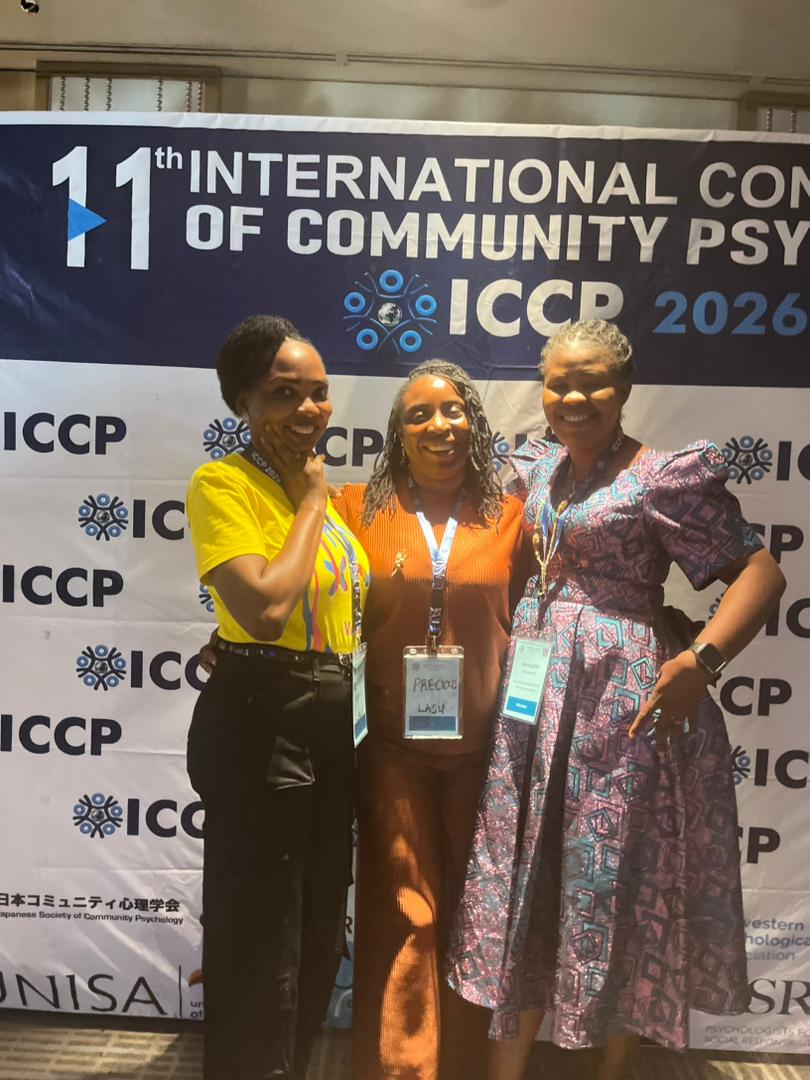
Among those who experienced the conference from this perspective was Precious N. Eberechukwu Ndukwu, a clinical psychologist who served as part of the volunteer team at ICCP 2026.
For Ndukwu, volunteering was more than carrying out assigned responsibilities. It provided an opportunity to observe firsthand how community psychology can bring together professional knowledge, culture, lived experience and collective action.
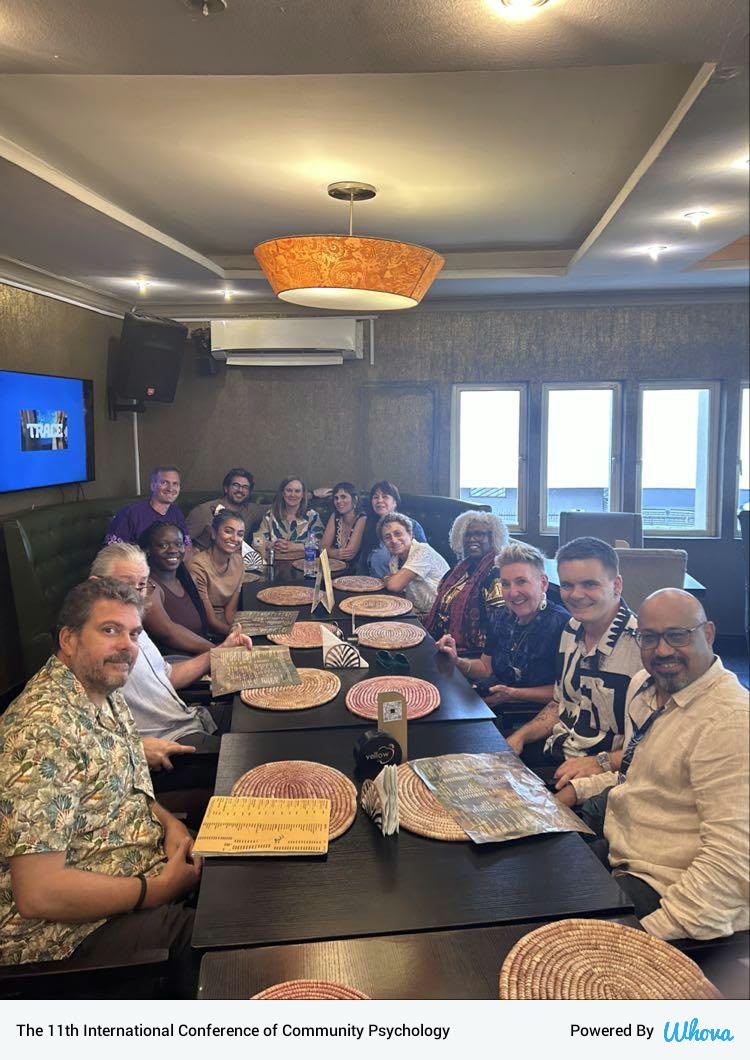
“ICCP 2026 was more than a conference; it was an experience of connection,” Ndukwu said. “As a volunteer and a clinical psychologist, I saw how conversations about psychology moved beyond individual treatment to the wider realities that shape people’s lives, their communities, cultures, relationships, environment and access to opportunities.”
Her observation speaks to one of the fundamental distinctions between traditional approaches to psychological intervention and the broader community psychology perspective.
Individual wellbeing cannot always be separated from the circumstances in which people live.
According to Ndukwu, the conference reinforced the importance of understanding people within their social and cultural contexts rather than viewing psychological challenges exclusively through an individual lens.
“One of the things that stood out for me was the emphasis on listening to communities and recognising the knowledge they already possess. As professionals, we should not always assume that we are coming into a community with all the answers. Sometimes, the first and most important intervention is to listen, understand and work alongside the people,” she said.
A meeting of different worlds
The international character of the conference was also among its defining features.
Participants from different countries and professional backgrounds converged in Lagos around issues that, while experienced differently across societies, are often strikingly universal.
Ndukwu said that diversity offered one of the most enriching aspects of the conference.
“Although our communities may be different, many of the challenges we face are interconnected. Issues such as mental health, inequality, displacement, exclusion, violence and the loss of social connection do not exist in isolation. They require collective responses,” she observed.
For a clinical psychologist working within the human-services space, the lesson was particularly significant.
Psychological wellbeing does not occur in a vacuum. Family relationships, economic circumstances, social inclusion, cultural identity, physical environment and access to opportunities can all influence how individuals and communities experience distress or resilience.
That understanding lies at the heart of community psychology.
Africa’s knowledge matters
Ndukwu also drew attention to what she considered one of the most important dimensions of the conference—the opportunity for African perspectives to take their rightful place in international psychological scholarship.
“Africa should not only be the place where psychological theories developed elsewhere are applied. Our histories, cultures, indigenous knowledge systems and community practices have important lessons for the world. ICCP created a space for those voices to be heard and taken seriously,” she said.
That sentiment captures the larger intellectual significance of the Lagos gathering.
African communities have developed systems of social support, communal responsibility, conflict resolution, caregiving and collective resilience over generations.
The challenge is not simply to romanticise these traditions, but to examine them critically and understand how relevant elements can inform contemporary approaches to mental health, community development and social intervention.
ICCP 2026 provided a forum for precisely such conversations.
The power of collaboration
The volunteer experience also offered Ndukwu another lesson: successful community work, like a successful international conference, depends on collaboration.
“A conference of this magnitude cannot succeed because of one person or one group. It requires researchers, organisers, volunteers, students, professionals and support teams working together. That, in itself, reflects one of the central principles of community psychology, collective participation and shared responsibility,” she said.
Researchers brought scholarship.
Practitioners brought field experience.
Students brought curiosity and new perspectives.
Organisers created the platform.
Volunteers and support teams provided the human infrastructure that connected the various parts.
Together, they helped create an environment where knowledge could be exchanged and relationships established.
The experience demonstrated that community is not merely a subject to be studied. It is something that must be built through participation, trust and shared responsibility.
A conference with a message beyond psychology
Perhaps the most powerful lesson from ICCP 2026 was that communities already possess knowledge and resources capable of contributing to their own healing and development.
The task of professionals, researchers and policymakers is therefore not simply to arrive with ready-made solutions, but to listen, collaborate and recognise communities as partners in creating change.
READ ALSO: THE DUET THAT WILL STOP THE WORLD
That philosophy resonates with Olanrewaju’s vision for the conference, particularly his emphasis on the relationship between people, place and power and the need to connect professional knowledge with the realities of communities.
It also resonates with Ndukwu’s experience.
“The conference should not end with the closing ceremony. The real question is what we take back to our communities and how we translate these conversations into practice,” she said.
“If the ideas generated here can influence services, research, policy and community interventions, then the gathering will have achieved something much greater than an academic exchange.”
That may ultimately be the most important measure of ICCP 2026.
Inspiring the next generation
The conference also created opportunities for young Nigerian psychologists, students and emerging professionals to interact with international scholars, build professional networks and imagine new possibilities for their careers and communities.
For a discipline concerned with social transformation, such exposure is significant.
The future of community psychology will depend not only on established scholars and practitioners but also on a new generation prepared to interrogate inherited assumptions, value local knowledge and develop interventions that respond to contemporary realities.
Olanrewaju had previously expressed the hope that bringing ICCP to Nigeria would inspire Nigerian students and professionals to explore community psychology and its potential for addressing community challenges.
The Lagos conference offered that generation a practical glimpse of what such a career can look like.
When the water continues to flow
As the curtains came down on the 11th ICCP Conference in Lagos, participants left with more than conference materials, photographs and professional contacts.
They left with conversations to continue, relationships to nurture and ideas to translate into action.
The symbolism of water perhaps captures the legacy of the gathering best.
Water moves.
It connects places.
It adapts to its environment.
It nourishes life.
And even when it appears to disappear, its journey continues beneath the surface.
The same should be true of the conversations that began at LASU.
The real test of ICCP 2026 will not ultimately be the number of papers presented, keynote speeches delivered or photographs taken.
It will be whether the knowledge shared finds its way into communities; whether African perspectives gain greater space in global psychological scholarship; whether young professionals are inspired to act; and whether partnerships forged in Lagos develop into initiatives that improve people’s lives.
For Lagos, the conference was a moment of global visibility.
For LASU, it was an opportunity to demonstrate its capacity for international scholarship and engagement.
For community psychology, it was a chance to look back at its roots while imagining its future.
For professionals such as Ndukwu, it was also a reminder that psychology becomes more meaningful when it moves beyond theory and engages directly with the people and communities it seeks to serve.
And for everyone who gathered in the Motherland, perhaps the greatest message was simple:
We may travel far in search of knowledge, but meaningful change begins when we remember where we come from and reconnect with the communities that make us who we are.