
Nigeria’s political landscape shifted significantly this week as opposition parties took their most concrete step yet towards cooperation ahead of the 2027 general elections.
Six parties opened negotiations on a common political framework, with the eventual selection of a joint presidential candidate now formally part of the process.
In Borno, suspected Boko Haram terrorists attacked the convoy of APC governorship candidate Mustapha Gubio, demonstrating that insurgency remains capable of disrupting political movement and threatening democratic participation.
In Lagos, Governor Babajide Sanwo-Olu warned politicians against allowing the pursuit of office to endanger lives, as stakeholders examined the connection between elections, insecurity and the economy.
President Bola Tinubu, meanwhile, travelled to Europe for a three-week annual vacation, even as political activity and insecurity accelerated at home.
In Rivers, FCT Minister Nyesom Wike dismissed suggestions that hunger and insecurity would derail Tinubu’s re-election bid, arguing that Nigeria’s elections are shaped substantially by grassroots networks, relationships and political structures.
1. Opposition Parties Unite Ahead Of 2027, Begin Talks On Common Candidate
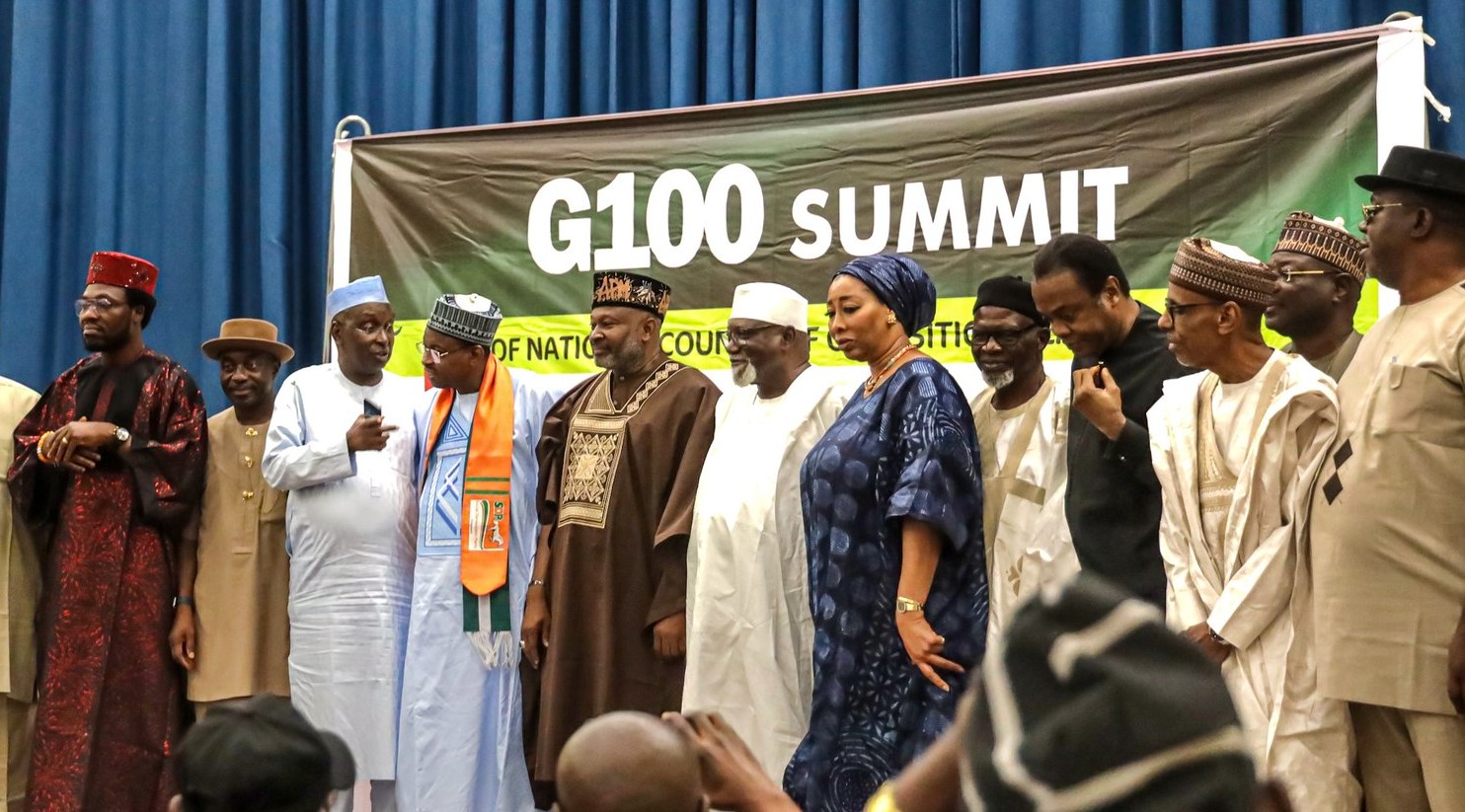
Opposition parties opened formal talks on cooperation, proposing shared reforms and eventually one presidential candidate, but Atiku, Obi and Makinde stayed away from the Abuja summit in Abuja this week.
Why it Matters:
Opposition cooperation could reshape 2027 if parties convert arithmetic into organisation. The 2015 precedent shows unity can defeat an incumbent, but personalities, ideology, funding and presidential ambition remain formidable obstacles. The absence of three leading figures is significant because no coalition can credibly settle its biggest question without those camps. The coming weeks will reveal whether this is the beginning of a genuine political realignment or another opposition initiative that collapses under the weight of competing ambitions.
2. Sanwo-Olu Warns Politicians Against Sacrificing Lives For Political Power
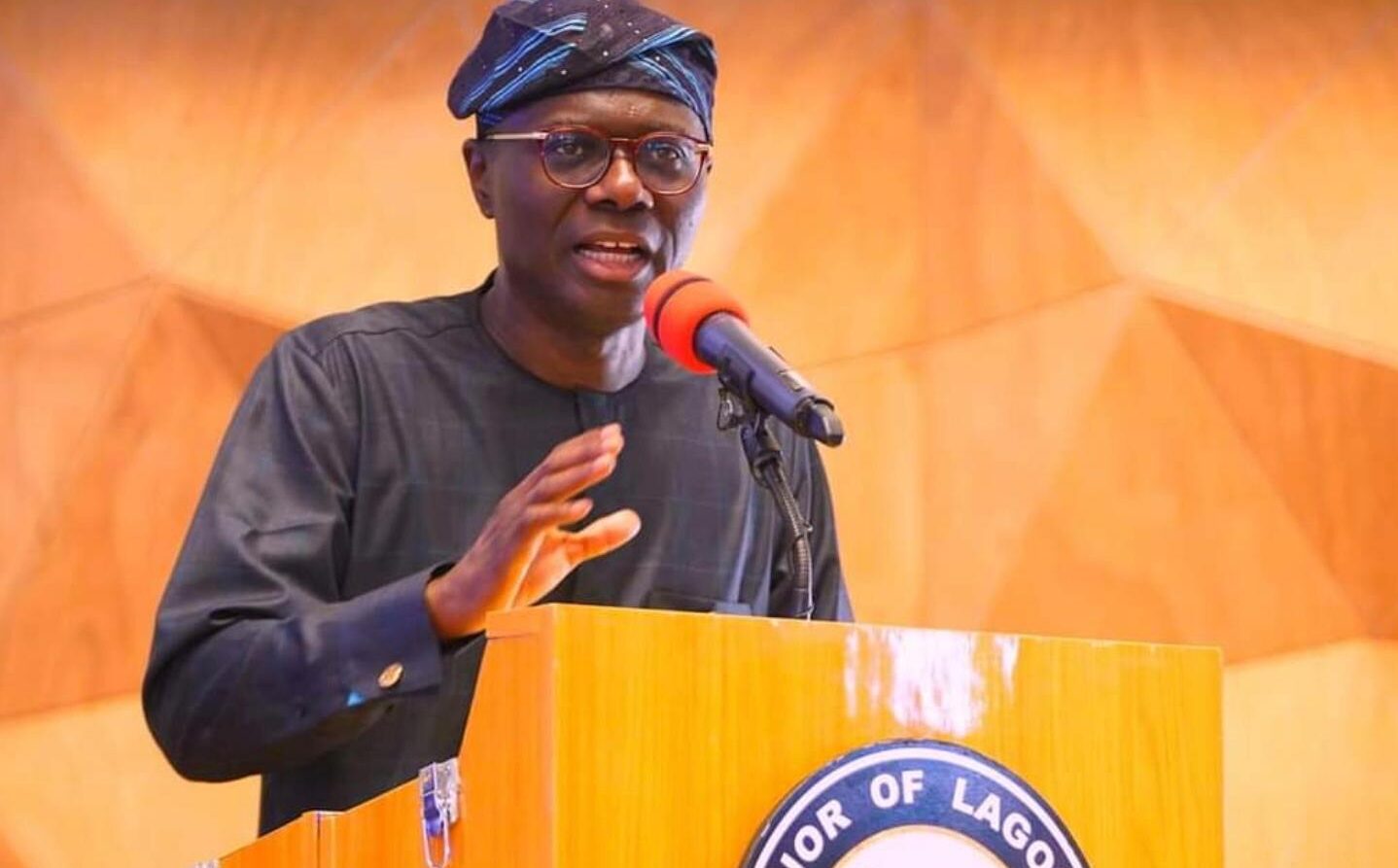
Lagos Governor Babajide Sanwo-Olu urged politicians to avoid violence, warning that no office is worth a Nigerian life as stakeholders debated elections, security and economic pressures nationwide.
Why it Matters:
Sanwo-Olu’s warning is timely because Nigerian elections have repeatedly exposed how political competition can turn deadly when ambition overwhelms restraint. His message places human life above electoral victory, while the broader discussion correctly links security with development. The test is whether politicians translate such rhetoric into disciplined campaigns, reject inflammatory language and prevent supporters from weaponising ethnic, religious or communal grievances before elections.
3. Boko Haram Attacks APC Governorship Candidate’s Convoy In Borno
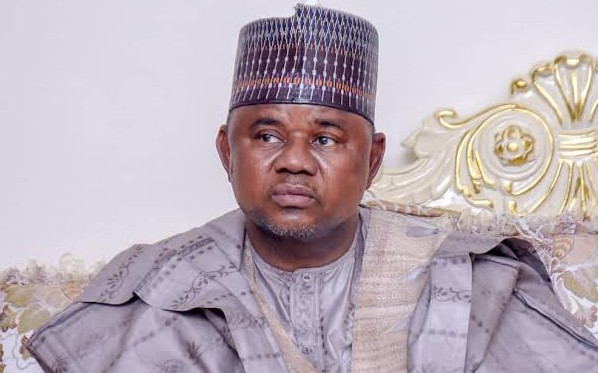
Suspected Boko Haram terrorists attacked APC governorship candidate Mustapha Gubio’s convoy in Borno, with a landmine damaging an armoured vehicle before security forces repelled the attackers on Thursday evening altogether.
READ ALSO: Shifting Alliances, Convictions and Violence: Nigeria’s Defining Week
Why it Matters:
The attack demonstrates that insecurity remains a direct threat to democratic participation, in Borno, where insurgency has shaped political life for years. If candidates cannot safely traverse their constituencies, campaigns become restricted and voters are further disconnected from politics. There is a particularly troubling symbolism in an election candidate being attacked while travelling through his own state. Political campaigns depend on physical access to voters, especially in rural communities. Persistent insecurity can therefore distort the democratic process long before anyone casts a ballot.
4. Tinubu Leaves Nigeria For Three-Week Vacation As Political Activity Intensifies
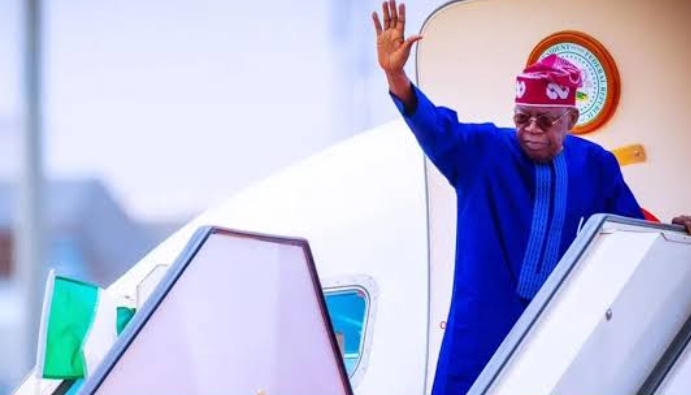
President Bola Tinubu left Abuja for a three-week annual vacation in Europe as political activity intensified, with the Presidency saying he would return to campaign before returning for now.
Why it Matters:
A presidential vacation is not inherently controversial, and leaders are entitled to scheduled leave. The political sensitivity lies in timing: Nigeria faces insecurity, economic hardship and intensifying opposition mobilisation. Tinubu’s absence also creates space for opponents to question leadership priorities, whether fairly or opportunistically. Ultimately, what matters is institutional continuity, effective delegation and whether governance remains responsive while abroad throughout.
5. Wike Says Hunger, Insecurity Won’t Stop Tinubu’s 2027 Victory
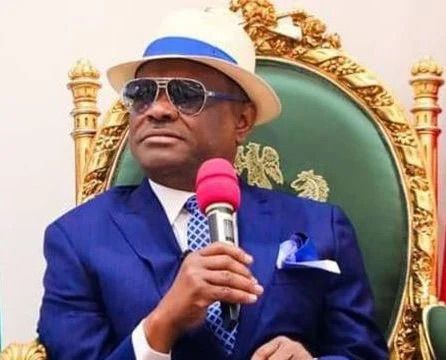
FCT Minister Nyesom Wike said hunger and insecurity would not prevent Tinubu’s 2027 victory, arguing that grassroots relationships and political networks often matter more than national hardship in Nigerian elections.
Why it Matters:
Wike’s argument reflects a longstanding feature of Nigerian elections: voters do not make choices solely through economic indicators. Patronage, identity, local relationships, incumbency and candidate networks can strongly influence outcomes. Yet dismissing hardship as electorally decisive would be risky. Economic pain can coexist with political loyalty, but sustained hardship, insecurity and unmet expectations can eventually weaken even entrenched political structures.
Conclusion
This week demonstrated that Nigeria’s 2027 election is no longer a distant political horizon but rather, the machinery of competition is already moving, alliances are being negotiated, candidates are positioning themselves and political calculations are becoming increasingly explicit.
Ultimately, Nigeria’s next election will be fought on several fronts: political organisation, economic performance, security, voter confidence, opposition unity and the credibility of democratic institutions.
The question is no longer whether 2027 has begun. It is whether Nigeria’s political class is prepared to make the contest worthy of the country it seeks to govern.