
Nigeria’s political temperature rose further this week as the approach to the 2027 elections continued to reshape relationships within and across the country’s major political parties.
Wike declared that Senator Ireti Kingibe will not return to the Senate in 2027, defending the FCT Administration’s infrastructure borrowing amid an ongoing political feud dating back to her 2023 victory.
Zamfara Governor Dauda Lawal defended Tinubu’s continued absence from Nigeria, arguing that modern technology allows the President to govern effectively from anywhere, including skipping the UN General Assembly.
Lawal separately challenged Wike to choose between the APC and his cross-party Rainbow Coalition, warning that APC governors would not tolerate divided political loyalty.
EFCC Chairman Ola Olukoyede revealed that the commission receives over 20,000 corruption petitions annually, describing public officials who accumulate dozens of houses and untraceable wealth during their tenure.
And in the week’s most explosive admission, Wike disclosed that the PDP’s G5 governors deliberately allowed Peter Obi to win South-South states in 2023 specifically to deny Atiku Abubakar votes, confirming what many had long suspected about internal party sabotage.
Taken together, the stories reveal a country already deep into the political calculations of the next election.
Alliances are being tested, old rivalries are resurfacing, party loyalties are being questioned and the records of past political decisions are being revisited.
1. ‘You Won’t Return To Senate In 2027’ — Wike Tells Kingibe
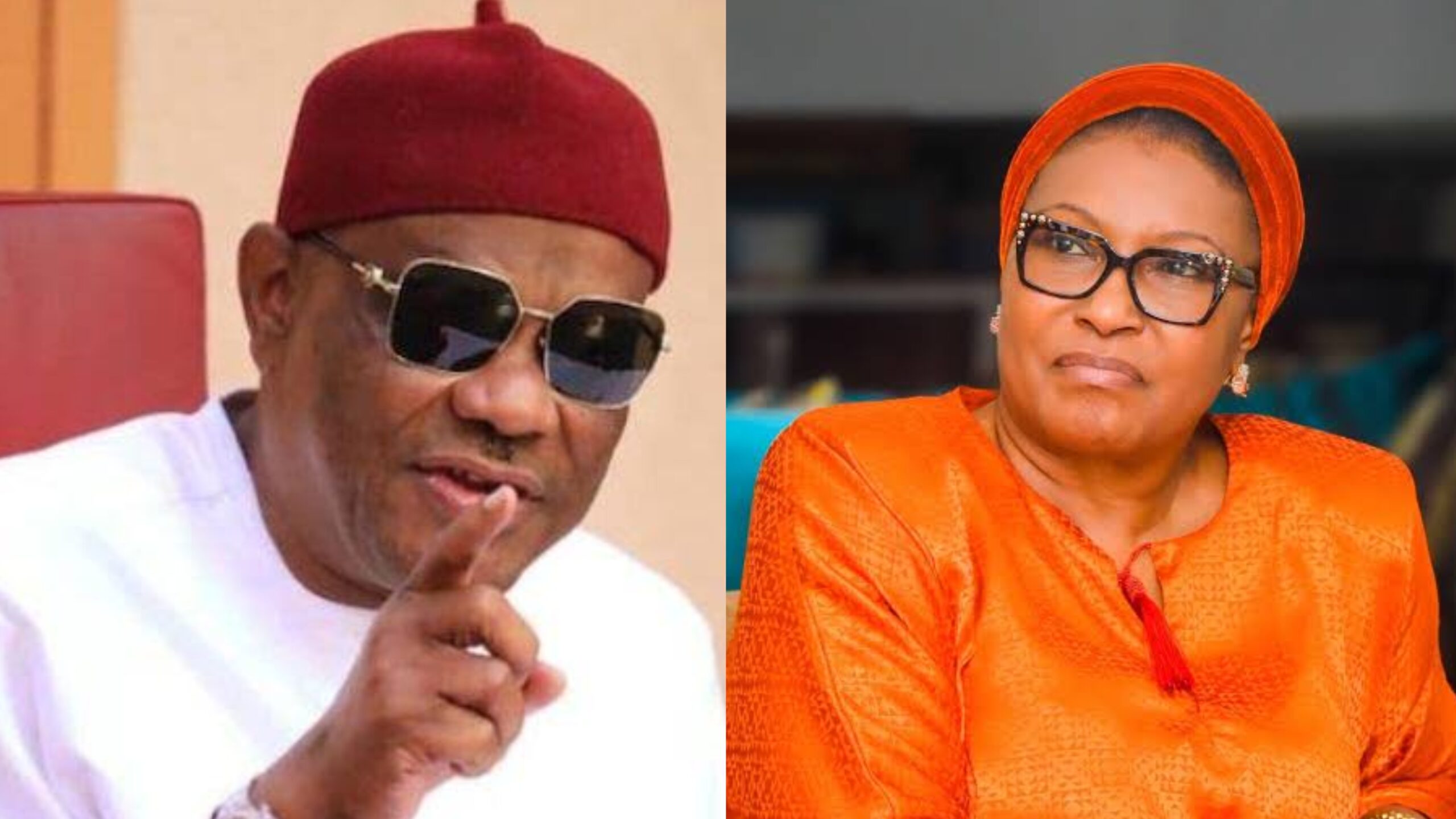
Wike declared Senator Kingibe will lose her FCT seat in 2027, dismissing her allegation that the administration borrowed without National Assembly approval while showcasing road projects as his defence.
Why it Matters:
Wike’s declaration reveals how personalised Nigerian politics has become, a FCT Minister openly announcing his intention to defeat a serving senator years before an election blurs the line between governance and campaign warfare. That such a statement can be made publicly without institutional consequence signals a political culture in which official position and personal political ambition are treated as inseparable rather than as conflicts of interest requiring restraint.
2. Tinubu Can Govern From Anywhere, Gov Lawal Defends Working Leave
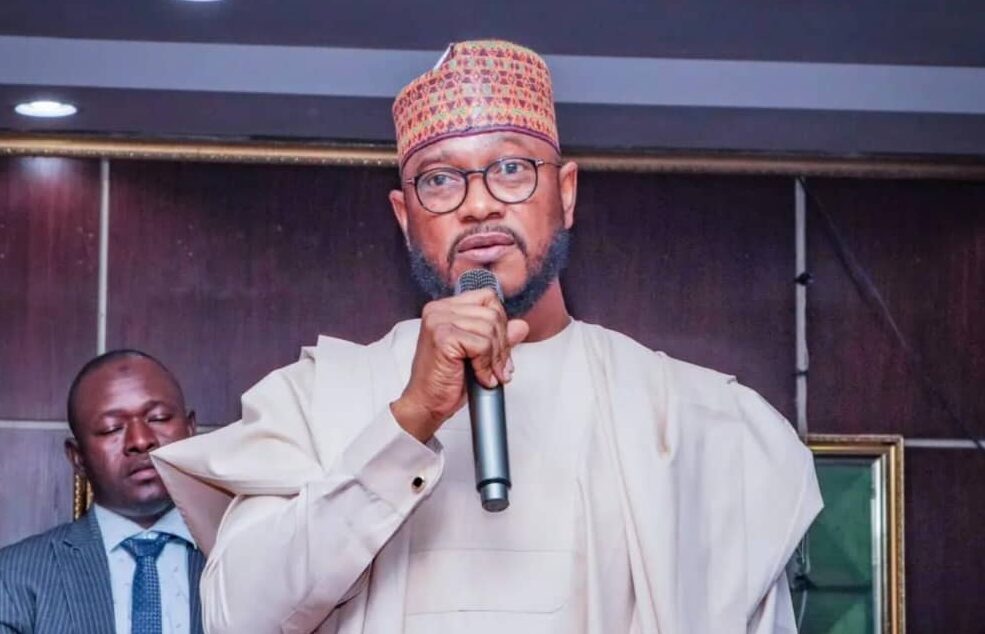
Governor Lawal defended Tinubu’s continued absence abroad, arguing modern technology permits effective governance from any location and describing the extended stay as working leave rather than rest from responsibilities.
Why it Matters:
Lawal’s defence sidesteps the actual concern: symbolic representation matters in international diplomacy regardless of technological connectivity. Tinubu’s third consecutive absence from a major UN gathering, however well the President manages paperwork remotely, sends signals about national priorities that video calls cannot fully substitute. The “governing from anywhere” argument, while not entirely wrong, risks becoming a convenient justification for extended presidential absences during periods of genuine domestic and international significance.
3. Rainbow Coalition: Lawal Tells Wike, ‘Choose Between APC, Other Parties’
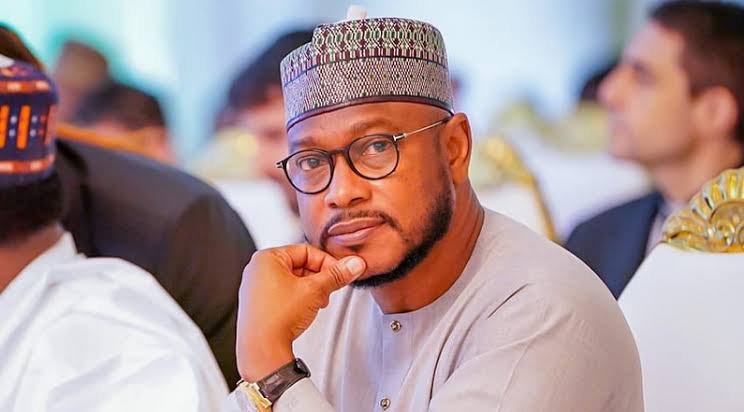
Governor Lawal ordered Wike to pick a side between the APC and other parties, confirming governors want his defection and vowing to raise the coalition dispute directly with Tinubu.
Why it Matters:
This ultimatum exposes a genuine crisis of political identity within Tinubu’s support structure. Wike cannot indefinitely occupy a federal ministerial position, campaign for the APC’s presidential candidate, and simultaneously maintain PDP membership and cross-party coalition-building without eventually forcing a reckoning. Lawal’s public demand that Tinubu personally resolve the ambiguity suggests APC governors have exhausted patience with an arrangement they view as structurally incoherent and potentially damaging to party discipline.
READ ALSO: Primaries, Terror, Power Plays: Nigeria’s Troubled Week
4. Olukoyede: Public Officers Take Nigeria’s Resources Every Minute
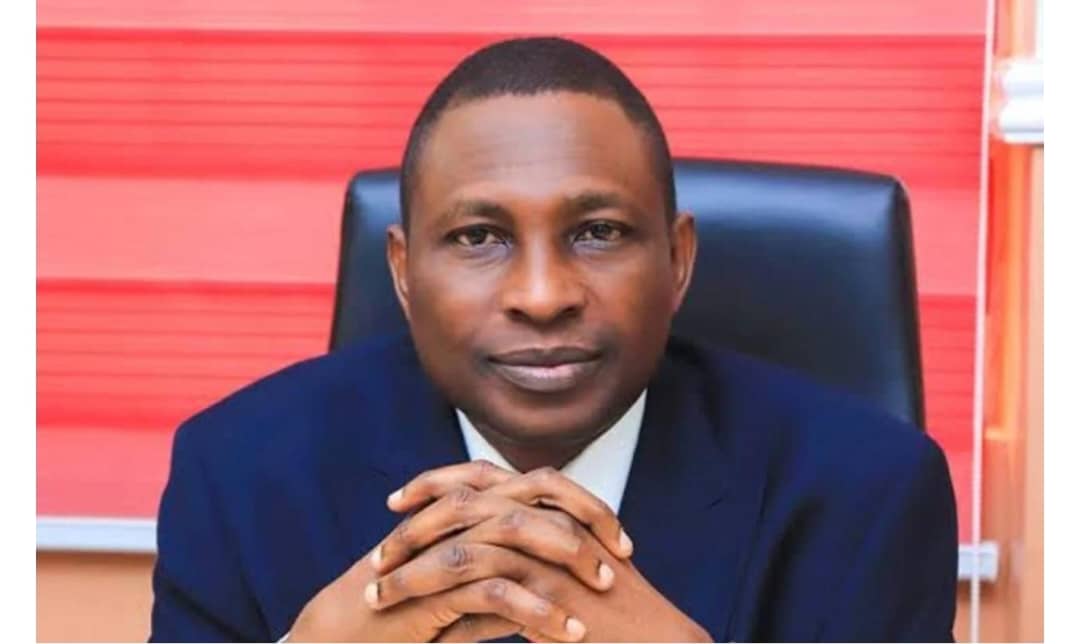
EFCC chairman Olukoyede revealed the commission receives over 20,000 corruption petitions yearly, citing officials entering office with ₦100,000 who exit with traced millions of dollars and hundreds of houses.
Why it Matters:
Olukoyede’s alarming disclosures lay bare the deeply entrenched rot within Nigeria’s public sector. Nigeria’s corruption problem cannot be solved by the EFCC and ICPC alone. Ministries, departments, agencies, legislatures, courts, auditors, civil society and citizens all have roles to play. The ultimate measure of progress will therefore not be the number of petitions received or arrests announced, but whether public institutions become harder to exploit, public funds are better protected and wrongdoing produces credible consequences.
5. Wike Says G5 Deliberately Allowed Obi Win South-South In 2023
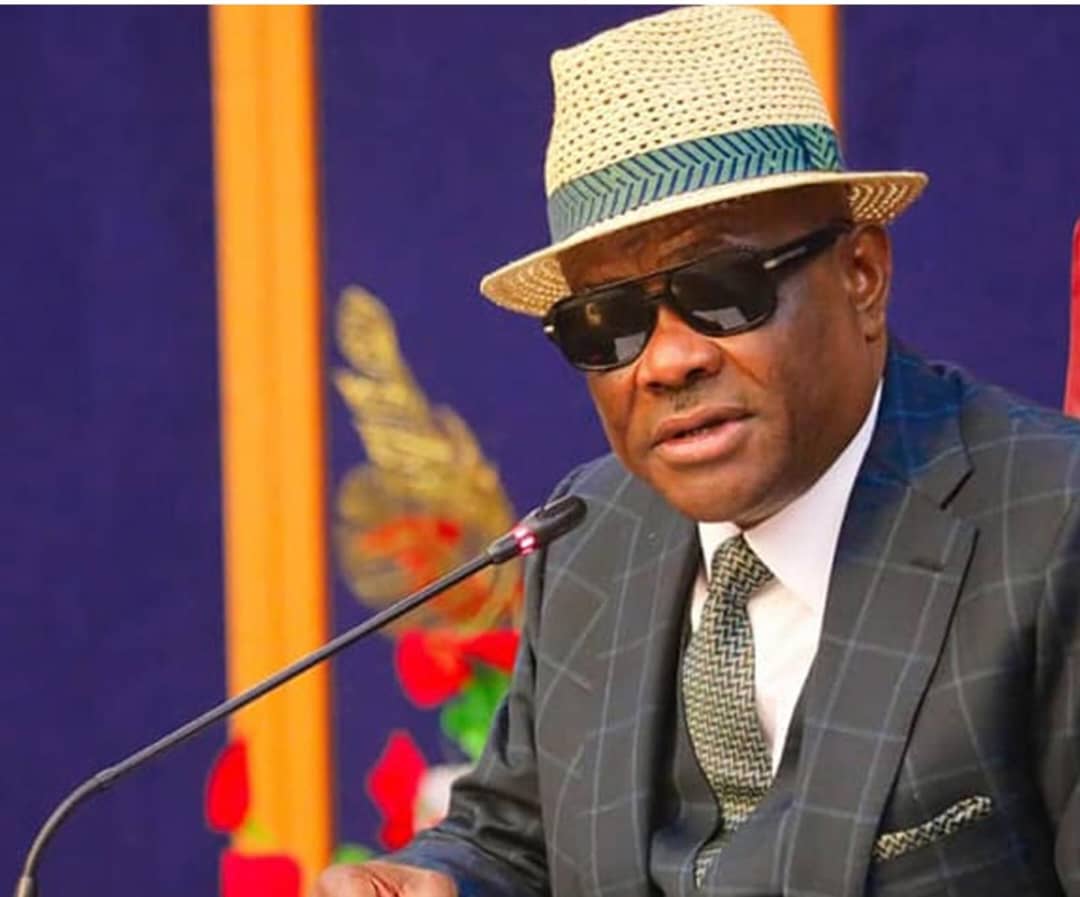
Wike confessed the G5 governors deliberately let Obi win South-South states in 2023 to deny Atiku votes, blocking him only in Rivers, and dismissed Obi’s 2027 chances entirely.
Why it Matters:
The confession is breathtaking: governors admitting they engineered presidential outcomes in their states, treating millions of votes as chess pieces in a personal vendetta against Atiku. The revelation raises uncomfortable questions about how much of Nigeria’s electoral outcomes are shaped by voter agency versus elite calculation. That Wike volunteers this casually, without consequence, is itself the scandal.
Conclusion
The events of the past week demonstrate that Nigeria’s political class remains fiercely preoccupied with the architecture of future elections rather than pressing socio-economic realities.
From the tactical confessions of political actors to structural warnings from anti-corruption czars, the country stands at a critical crossroads where systemic reform must urgently supersede self-serving political calculations.
The 2027 election is now four months away. The political class has, however inadvertently, given voters a preview of the terms on which the contest will be fought.
Whether Nigerians choose to accept those terms as the ceiling of what democracy can offer, or begin to demand something different, will determine what kind of country emerges from January 16, 2027.