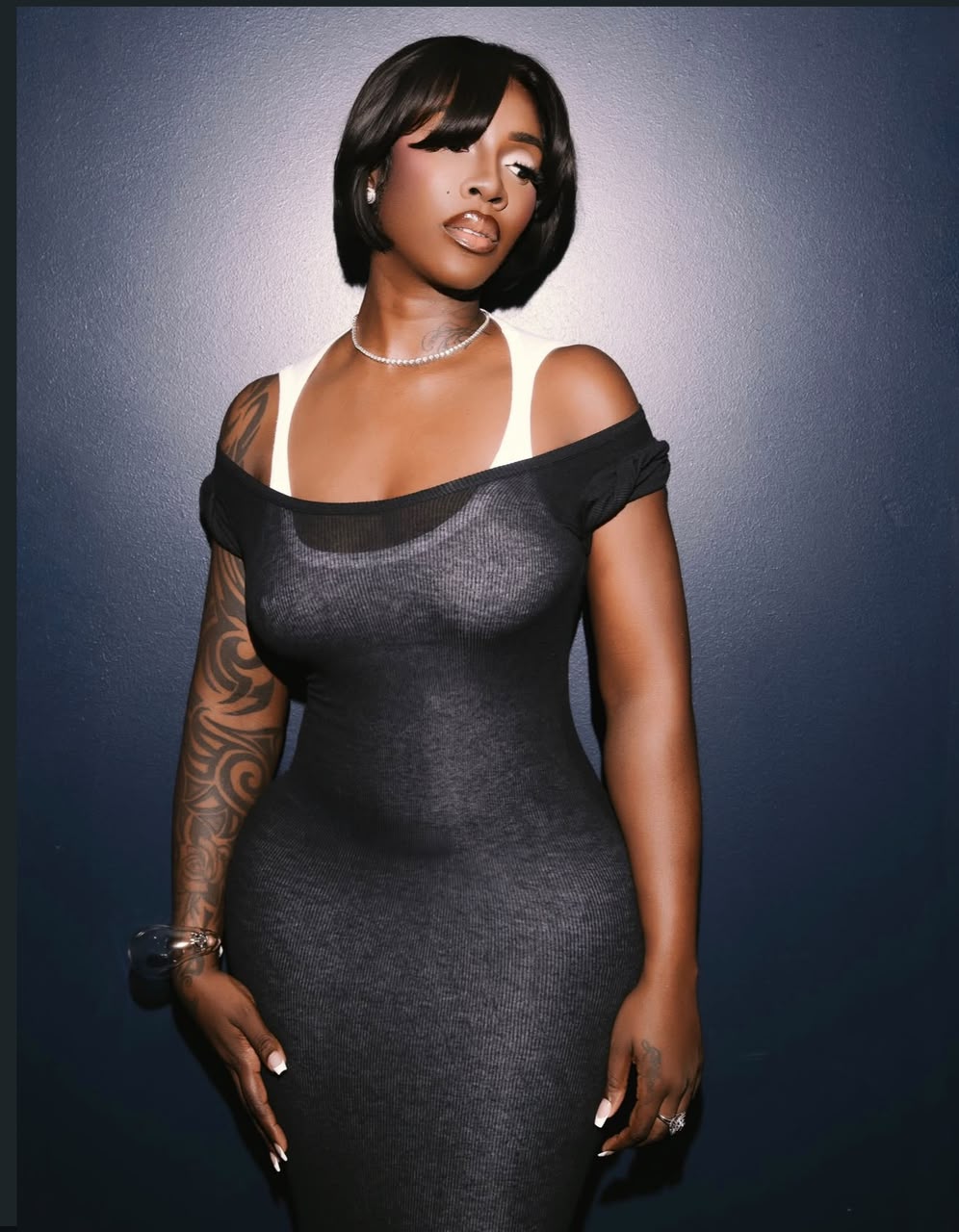
For Tiwa Savage, the price of being different in Nigeria’s music industry allegedly went beyond public criticism. Her fashion choices and tattoos, which formed part of her artistic identity, reportedly cost her performance opportunities and media exposure at a time when she was building her career. Years later, as younger female artistes embrace similar styles with greater acceptance, the Afrobeats star’s experience has reopened an uncomfortable debate about the double standards governing women’s place in the industry.
Beyond Savage’s personal experience lies a bigger question about creative freedom, gender bias and the power of industry gatekeepers. Why are female musicians celebrated for being bold and distinctive, yet sometimes judged by standards that have little to do with their talent? And has Nigeria’s rapidly expanding music industry truly become more accepting of women who refuse to fit conventional expectations?
Her revelation that fashion choices and tattoos cost her performance opportunities and media exposure has reopened a wider debate about gender bias, creative freedom and an industry that celebrates female individuality but sometimes struggles to accept it.
For an industry that thrives on image, personality and the freedom to push creative boundaries, Nigeria’s music business has an uncomfortable contradiction to confront: female artistes are encouraged to be bold, distinctive and commercially appealing, yet their choices can attract restrictions when they challenge society’s expectations of how women should look and behave.
Few recent revelations have brought this contradiction into sharper focus than those of Afrobeats star Tiwa Savage, who has spoken about the professional setbacks she allegedly experienced because of her fashion choices and tattoos during the early years of her career in Nigeria.
The singer recalled that after returning from Los Angeles to pursue her music career at home, her preference for hot pants, tank tops and visible tattoos became a source of controversy. According to her account, she lost performance opportunities, while some of her music videos were banned from Nigerian television and her songs faced restrictions on radio.
What appears to trouble Savage most is the perceived change in attitude towards similar expressions of fashion and individuality. She believes that younger female performers now enjoy greater acceptance for choices that once attracted criticism and professional consequences for her.
Her account has reopened an important conversation about the treatment of women in Nigeria’s entertainment industry. Beyond the personal experience of one of its biggest stars lies a broader question: who determines the limits of female expression, and why do those limits sometimes appear to shift depending on the artiste, the era and the commercial value of the image?
When appearance becomes a professional barrier
In contemporary music, an artiste’s image is rarely separate from the music. Clothing, hairstyles, tattoos, choreography and visual presentation are important elements of personal branding. They help performers establish identities, connect with audiences and distinguish themselves in an increasingly competitive industry.
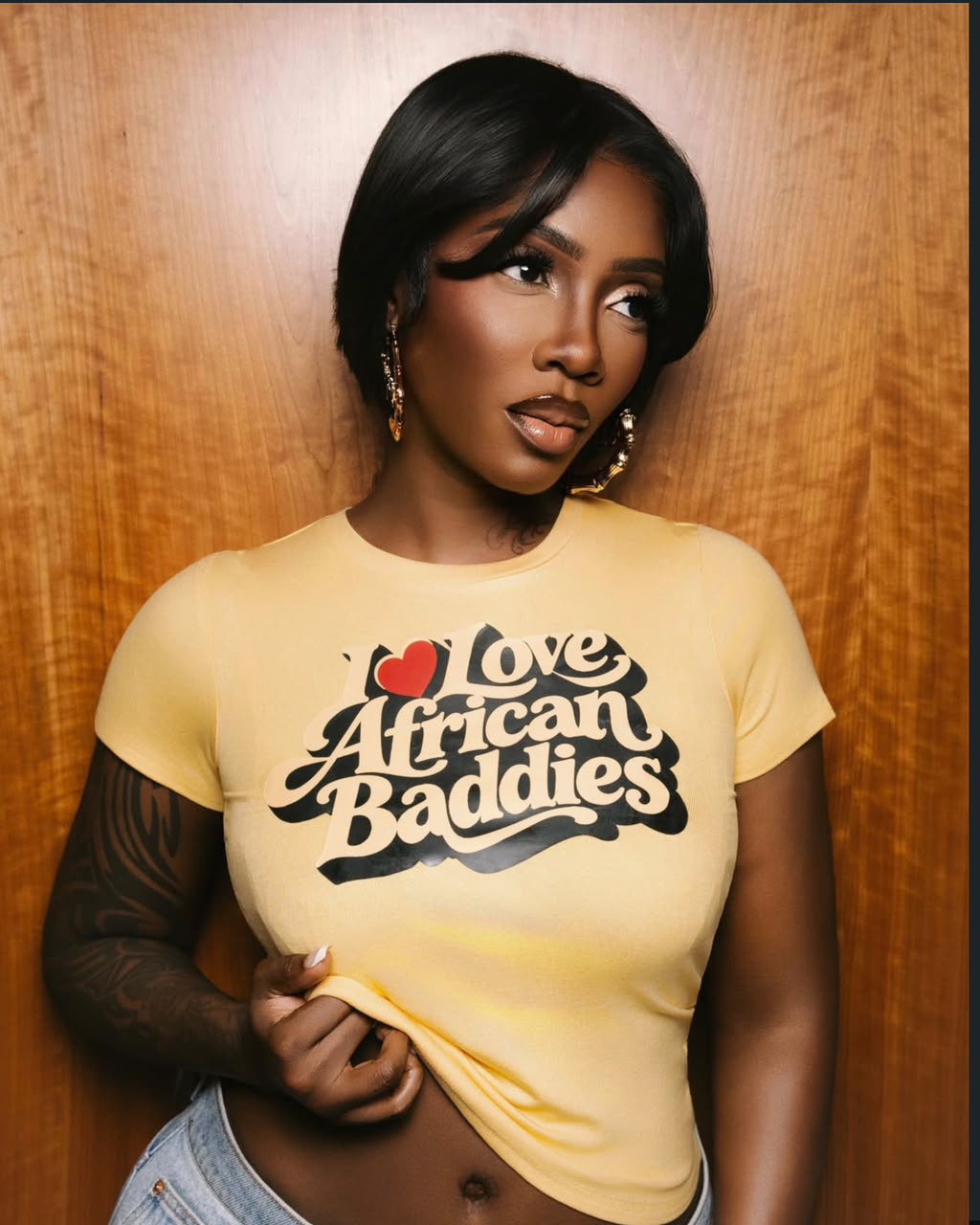
For female musicians, however, these creative choices can become subjects of moral judgment. Their appearance is often assessed not only in terms of fashion or artistic expression but also against expectations of modesty, respectability and socially acceptable femininity.
In a 2024 interview with BET, Savage recalled being turned away from performance venues because organisers considered her outfits inappropriate. She also discussed restrictions that affected some of her early music videos.
The implications of such decisions extend beyond embarrassment or public criticism. Live performances provide income, visibility and opportunities to build a loyal audience. Radio and television exposure can also determine whether a new artiste reaches listeners beyond social media and existing fan networks.
For an emerging performer, losing access to these platforms can slow career development at a critical stage. It can affect bookings, commercial partnerships and the ability to compete with artistes whose images attract fewer objections.
Savage’s experience therefore raises a question that goes beyond whether particular outfits are appropriate: should an artiste’s appearance become a determining factor in whether her music receives professional consideration?
The double standards behind female expression
At the centre of Savage’s complaint is the perception that female musicians are not always judged by consistent standards.
Fashion choices that once attracted condemnation may become acceptable when they gain popularity, become commercially attractive or are embraced by a new generation of performers. This raises the possibility that what is presented as a question of morality can sometimes be influenced by changing market preferences.
The issue is not that standards should never evolve. Fashion and popular culture naturally change. Rather, the concern is whether women are given equal freedom to define their artistic identities without facing arbitrary professional consequences.
Female entertainers often operate under competing expectations. They are expected to be attractive enough to command attention, fashionable enough to remain relevant and distinctive enough to build a recognisable brand. Yet they may also be criticised when their choices are considered too revealing, provocative or unconventional.
Male performers also face criticism over their appearance and public conduct, but women frequently encounter an additional layer of scrutiny around their clothing, sexuality, relationships and perceived morality.
This can create an uneven professional environment in which female artistes must devote considerable attention to managing public perceptions that have little to do with the quality of their music.
The distinction between legitimate regulation and gender-based judgment is important. Broadcasters have responsibilities to enforce content standards, while event organisers may establish dress requirements for particular engagements. But such rules should be clearly communicated, consistently applied and grounded in identifiable professional requirements rather than subjective assumptions about how women ought to present themselves.
When the business profits from what it condemns
There is a commercial dimension to this debate that deserves greater attention.
The music industry does not sell songs alone. It sells personalities, lifestyles, fashion, performance experiences and the identities that audiences come to associate with particular artistes. An entertainer’s image can influence endorsement deals, concert bookings, publicity campaigns and commercial partnerships.
READ ALSO: Beyond Music: Rema Breaks New Ground With E-Mortal Boy
This makes the treatment of female self-expression particularly complicated. The same industry that profits from distinctive images can become uncomfortable when those images challenge established social expectations.
A bold fashion identity may be promoted as a valuable marketing asset when it attracts attention, but criticised as inappropriate when it conflicts with the preferences of certain gatekeepers.
For established performers, popularity and financial independence may provide some protection against such restrictions. They can build audiences through digital platforms, command their own publicity and negotiate from a position of greater influence.
Emerging female musicians are not always so fortunate. Many depend on record labels, promoters, radio stations, television networks and event organisers for access to the platforms that can establish their careers.
A rejected performance opportunity or a restricted music video may therefore represent more than a single professional disappointment. It can reduce visibility at a time when an artiste is struggling to secure recognition.
The conversation about gender equality in music must consequently extend beyond fashion and appearance. It should also examine access to funding, promotion, distribution, professional networks, mentorship and the decision-making structures that determine whose music receives attention and investment.
Has the industry really changed?
Nigeria’s Afrobeats industry has grown into an international cultural and commercial force. Its expanding global audience has created new opportunities for performers, producers, songwriters and other creative professionals.
Female artistes have played a significant role in this development. From building international audiences to securing major collaborations and commercial partnerships, Nigerian women have demonstrated that they can compete at the highest levels of the global music business.
Savage herself represents an important part of that journey. Her career has been built on musical versatility, stage presence and a distinctive public identity. Her experiences also provide a useful lens through which to examine the changing expectations placed on women in the industry.
But international recognition and commercial expansion should not automatically be interpreted as proof that professional inequalities have disappeared.
The greater visibility of female performers does not necessarily mean they enjoy equal freedom, access or treatment. An industry can celebrate successful women while continuing to impose different expectations on those trying to establish themselves.
The real test of progress is therefore not simply whether today’s female artistes can wear outfits that attracted criticism in previous years. It is whether they can make creative and professional choices without being subjected to arbitrary restrictions that would not be applied equally to their male counterparts.
Broadcasters, promoters, record labels and other stakeholders have a responsibility to maintain clear professional standards while respecting the creative independence of performers. Consistency should matter as much as the standards themselves.
Beyond Tiwa Savage’s experience
Savage’s revelations may have been prompted by her personal experience, but the issues they raise extend across the entertainment industry. They invite a closer examination of how women navigate fame, commercial expectations and cultural judgments while trying to build sustainable careers.
They also challenge industry stakeholders to consider whether female artistes are being valued primarily for their music and professional contributions or whether their appearance continues to attract disproportionate scrutiny.
For young women entering the industry, the implications are significant. Talent, hard work and originality should determine professional opportunities, not an arbitrary assessment of whether an artiste’s personal style satisfies shifting social expectations.
Ultimately, the debate is not about giving performers unlimited freedom from professional standards. It is about ensuring that those standards are fair, transparent and applied without gender prejudice.
An industry that celebrates individuality must be prepared to accommodate it, even when the expression is unconventional or uncomfortable to some audiences. Otherwise, the freedom it promotes will remain conditional, with women bearing the greater burden of deciding how much of themselves they can show before their talent is overshadowed by judgments about their appearance.