
It was a week of declarations, denials, and deepening distrust in Nigeria’s political landscape.
From Atiku Abubakar’s thunderous announcement that he will once again contest the presidency in 2027, to the People’s Democratic Party (PDP) zoning its ticket to the South, the shape of the next election is already coming into view.
Former President Goodluck Jonathan stepped into two parallel debates: first, calling for laws to curb the epidemic of party defections, and second, rebutting claims he had abandoned his own presidential ambition.
Rotimi Amaechi, a seasoned political gladiator, declared he would not step aside for anyone in his bid for the African Democratic Congress (ADC) ticket.
Meanwhile, the ADC also sounded alarms over statistically implausible voter registration figures released by INEC, raising new concerns about the credibility of the electoral process.
Together, these stories capture Nigeria at a crossroads: old political gladiators refusing to bow out, parties recalibrating ahead of 2027, and institutions facing fresh tests of legitimacy.
1. Atiku Declares 2027 Presidential Bid
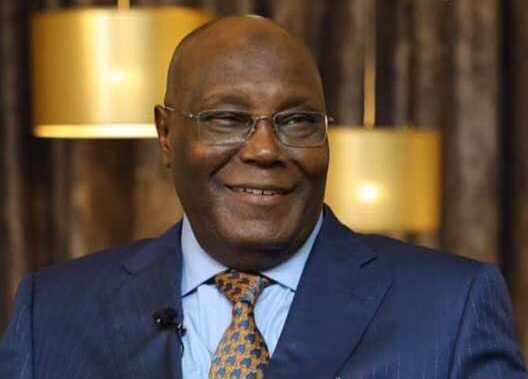
Former Vice President Atiku Abubakar, 77, has once again set his sights on Nigeria’s highest office. Speaking from his UAE holiday home through an aide, Atiku vowed to “rescue Nigeria from intensive care” in 2027. His declaration put to rest speculation that he might finally retire from politics after five unsuccessful presidential bids.
Why it Matters:
Atiku, 80 years old in 2027, remains one of Nigeria’s most recognisable political figures, but also one of its most polarising. His declaration keeps him at the heart of opposition politics, though questions remain about whether Nigerians see him as a viable alternative or a perennial candidate. His shift to the ADC highlights the opposition’s attempt to regroup under a broader coalition, though unity will be severely tested.
2. PDP Zones 2027 Presidential Ticket to the South

In a decisive move, the PDP’s National Executive Committee ratified a zoning formula that hands its 2027 presidential ticket to the South while retaining the party chairmanship in the North.
Why it Matters:
This decision could dramatically reshape 2027 dynamics. On one hand, it gives southern heavyweights, such as Nyesom Wike, governors from the South-South, and perhaps even Jonathan, a renewed platform. On the other, if other parties present southern candidates, it risks dividing votes, ultimately handing the presidency to President Tinubu for a second term.
READ ALSO: Nigeria’s Tumultuous Week: Power Shifts, Bloodshed, and 2027 Battle
3. Jonathan Calls for Law Against Political Defections

Ex-President Jonathan used a reform dialogue in Abuja to demand legal penalties for “political cross-carpeting,” proposing that defectors should automatically lose their seats.
Why it Matters:
Jonathan has touched the raw nerve of Nigeria’s democracy. Defections have hollowed out our multiparty system, turning ideology into opportunism. Jonathan’s proposal could, if adopted, stabilise the political landscape and restore accountability to voters. Yet, given that defections often serve ruling-party interests, legislative appetite for such reform may be limited.
4. Amaechi Declares: “I Am Not Stepping Down for Anyone”

Former Transport Minister Rotimi Amaechi made clear in Kano that he intends to seek the ADC’s 2027 ticket, promising to face Tinubu “by God’s grace.” He dismissed any notion of bowing out and painted himself as a unifier across Nigeria’s divides.
Why it Matters:
Amaechi’s entry intensifies the ADC’s internal contest, especially with Atiku also in the race. His emphasis on unity across Nigeria’s regions contrasts with his declining influence in Rivers, where rival Nyesom Wike dominates. Whether Amaechi is a serious contender or a spoiler may determine the ADC’s ability to present a united front in 2027.
5. ADC Questions INEC’s ‘Suspicious’ Voter Registration Data
The ADC raised alarm over INEC’s figures showing nearly 400,000 new registrations in Osun State in just one week, more than the state recorded over four years between 2019 and 2023. The party called for an urgent forensic audit of server logs and registration data.
Why it Matters:
Electoral credibility is Nigeria’s Achilles’ heel. If INEC cannot convincingly explain such anomalies, public trust will erode further ahead of 2027. The ADC’s pushback may be self-serving, but the concern is legitimate: inflated or manipulated registration figures could lay the groundwork for disputed results.
6. Jonathan Denies Stepping Aside From 2027 Race

Goodluck Jonathan’s camp swiftly dismissed reports that he had abandoned a 2027 comeback bid. His cousin Azibaola Robert insisted the former president has “neither declared nor ruled himself out” of the contest.
Why it Matters:
Jonathan’s lingering shadow over 2027 reflects both his enduring popularity and Nigeria’s recycling of past leaders. If he runs, he could split the southern vote, especially within the PDP or ADC, and complicate the ambitions of Atiku, Amaechi, or even Obi. His eventual decision will be a pivotal factor in shaping the opposition landscape. Jonathan remains a wildcard who could upend political calculations across both PDP and APC camps.
Conclusion
The week’s events confirm a truth Nigerians know too well: politics never sleeps in Africa’s largest democracy.
Old gladiators are refusing to exit the stage, parties are recalibrating around zoning formulas, reformers are pushing against entrenched opportunism, and institutions are being tested yet again.
What emerges is a democracy in constant negotiation with itself, pulled between ambition and accountability, between suspicion and survival.
As 2027 looms ever closer, one thing is certain: Nigeria’s political drama is only just beginning.