
This was a week that exposed the depth of Nigeria’s political turbulence, institutional pressure, and the fragile state of opposition politics ahead of the 2027 elections.
In Zamfara, Governor Dauda Lawal’s defection from the Peoples Democratic Party to the ruling All Progressives Congress signalled another setback for the opposition.
Meanwhile, the Court of Appeal upheld a ruling preventing the electoral commission from recognising a disputed PDP convention, further complicating the party’s internal crisis.
At the same time, Peter Obi accused the federal government of using anti-corruption prosecutions to weaken political opponents.
Within the PDP itself, a faction aligned with the Federal Capital Territory Minister, Nyesom Wike, called for unity even as leadership disputes persisted.
On the diplomatic front, Nigeria faced an unusual challenge after reports that India and other countries rejected some ambassadorial nominees over concerns about the administration’s remaining tenure.
Taken together, the week’s events revealed a political landscape defined by defections, legal battles, accusations of persecution and questions about governance at home and credibility abroad.
1. Zamfara Governor Defects From PDP To APC

Zamfara Governor Dauda Lawal defected from the Peoples Democratic Party to the All Progressives Congress, leaving the opposition with only two governors and strengthening the ruling party’s influence in the North-West.
Why it Matters:
Lawal’s defection underscores the continuing haemorrhaging of the PDP’s political base. Governors remain the most valuable assets in Nigeria’s party system because they control state structures, patronage networks, and electoral machinery. With only two governors left, the PDP faces a credibility crisis as a national opposition force. The development also reinforces the APC’s dominance, particularly in northern political calculations ahead of 2027.
2. Appeal Court Upholds Ban On PDP Ibadan Convention

The Court of Appeal dismissed the Turaki faction’s appeal and upheld a Federal High Court ruling barring INEC from recognising the PDP’s disputed Ibadan convention, affirming that the court has jurisdiction over the matter.
Why it Matters:
The judgment represents another institutional setback for the PDP at a moment when unity is critical. It also strips legal legitimacy from the Turaki-led National Working Committee and throws the PDP into deeper uncertainty. With the 2027 election cycle approaching and INEC’s electoral timelines already running, the party faces mounting pressure to organise a fresh convention that satisfies legal requirements. Failure to do so could jeopardise its ability to nominate candidates for 2027, turning an internal crisis into an existential threat.
3. Obi Slams Detention Of Malami, El-Rufai, Warns Tinubu Against Political Persecution

Peter Obi criticised the arrest and detention of Abubakar Malami and Nasir El-Rufai, warning that the government must avoid weaponising criminal prosecution against political opponents ahead of the 2027 elections.
READ ALSO: Nigeria in Flux: Security Warnings, Political Defections, and a Crisis of Credibility
Why it Matters:
The timing of these arrests, coinciding with both men declaring their intention to challenge the current government, feeds public suspicion about selective justice. Whether or not the charges against Malami and El-Rufai are legitimate, the optics are damaging. Their swift detention fuels the perception, rightly or wrongly, that the government is using law enforcement to neutralize political threats. If this perception hardens, it will erode public trust in the justice system itself.
4. Wike-Backed PDP Faction Seeks Unity Amid Leadership Crisis
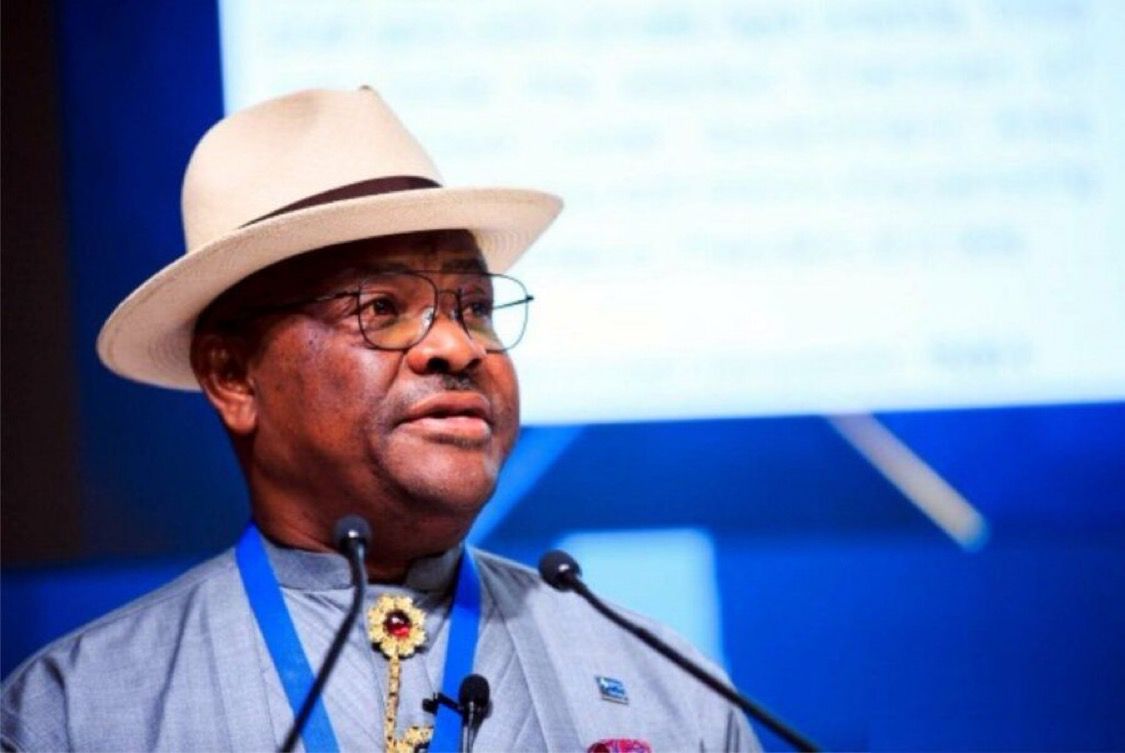
Leaders of the PDP faction aligned with Nyesom Wike called for unity during a Board of Trustees meeting, urging members to end litigation and rally behind the caretaker leadership ahead of 2027.
Why it Matters:
This meeting reveals the internal contradictions of the PDP crisis. Wike, a PDP member, openly supports President Tinubu, of the opposition APC. Yet his faction now urges reconciliation and unity. It then begs the question of what greater action of disunity can there be, than working for an opposition party while being member of another party? The PDP is not just divided, but fundamentally incoherent. However, the party’s ability to reconcile factions could determine whether it remains viable ahead of the 2027 elections.
5. India, Others Reject Tinubu’s Ambassador Nominees Over Remaining Tenure Concerns

Some countries, including India, reportedly declined Nigeria’s ambassadorial nominees due to concerns about the limited time remaining in President Tinubu’s administration, delaying efforts to restore full diplomatic representation abroad.
Why it Matters:
Diplomatic postings are a vital instrument of international engagement. If host countries are rejecting ambassadors because they doubt the administration’s longevity or stability, it reflects poorly on the country’s political credibility. The question it raises is straightforward but pointed: why did the administration wait so long to fill these critical posts? Nigeria’s foreign missions have been understaffed for months, weakening the country’s ability to protect its citizens abroad, attract investment and engage meaningfully in international affairs.
Conclusion
This week’s events reveal a political environment increasingly defined by consolidation on one side and fragmentation on the other.
The ruling party continues to strengthen its position through defections, while the opposition struggles with legal battles, leadership disputes, and questions about its strategic direction.
At the same time, debates over political prosecutions and diplomatic missteps show that governance challenges extend beyond party competition.
For ordinary Nigerians, the central issue remains whether political actors can move beyond power struggles to address the deeper national priorities of security, economic recovery, and institutional credibility.
As the 2027 elections approach, the durability of Nigeria’s democratic system may depend not only on who holds power, but on whether the structures of opposition, justice, and diplomacy remain strong enough to sustain genuine accountability.