
This week, Nigeria’s political landscape mirrored the turbulence of a nation caught between reform and relapse.
From allegations of vote-buying in Anambra and a chilling terrorist threat to the National Assembly, to the courtroom drama halting the PDP convention, every institution seemed to grapple with credibility and control.
The defection wave in Enugu underscored the shifting loyalties defining Nigeria’s power game, while the judiciary’s ruling on party-crossing sent a firm message to erring politicians.
Meanwhile, Donald Trump’s renewed focus on alleged persecution of Christians placed Nigeria back under uncomfortable international spotlight, reigniting debates over religion, governance, and image.
At home, Senate President Godswill Akpabio reignited discourse on gender politics, lamenting women’s lack of support for their own, while the African Democratic Congress demanded accountability from Governor Soludo for alleged cash-for-votes promises.
It was a week that tested the strength of Nigeria’s democracy, its security, and its global standing.
1. ADC Urges INEC to Probe Soludo Over Alleged Cash-for-Votes Scheme
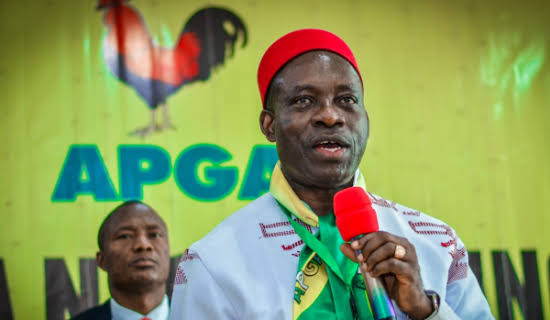
The ADC has asked INEC to investigate Anambra Governor Charles Soludo’s pledge of ₦1 million-plus rewards per ward won by his party in the November 8 election, calling it blatant inducement and a breach of the Electoral Act.
Why it Matters:
Vote-buying remains one of Nigeria’s deepest electoral cancers, eroding faith in democratic choice. The ADC’s petition spotlights a familiar but often unpunished practice that continues to undermine electoral integrity. INEC’s response—or lack thereof—will reveal much about Nigeria’s capacity to hold powerful incumbents accountable during election season.
2. Reps Raise Alarm Over Terrorists’ Threat to Bomb National Assembly Complex
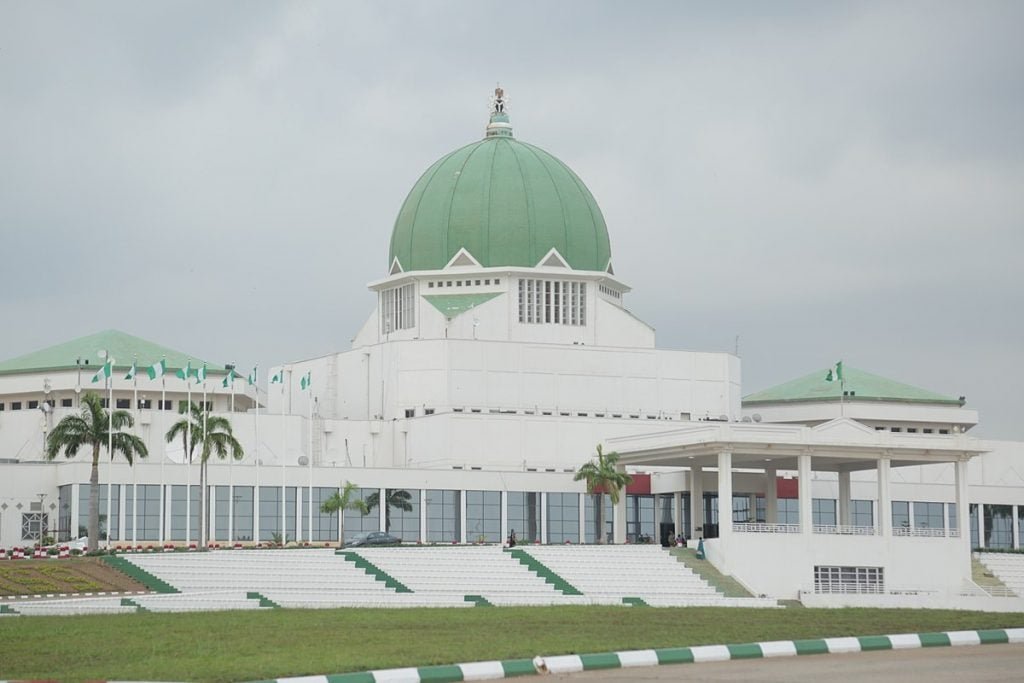
The House Committee on Internal Security disclosed that terrorists have threatened to bomb the National Assembly complex, warning that without fortified security the legislature could be silenced, suspending oversight and democratic functions.
Why it Matters:
Nigeria’s worsening security crisis now threatens even its most guarded symbols of democracy. The call for legislative security reform underscores the fragility of the nation’s capital and the growing sophistication of terror networks. Beyond the physical threat, it reflects how insecurity has begun to encroach on the sanctum of governance itself.
3. Female Politicians Struggle Because Women Don’t Support Them — Akpabio
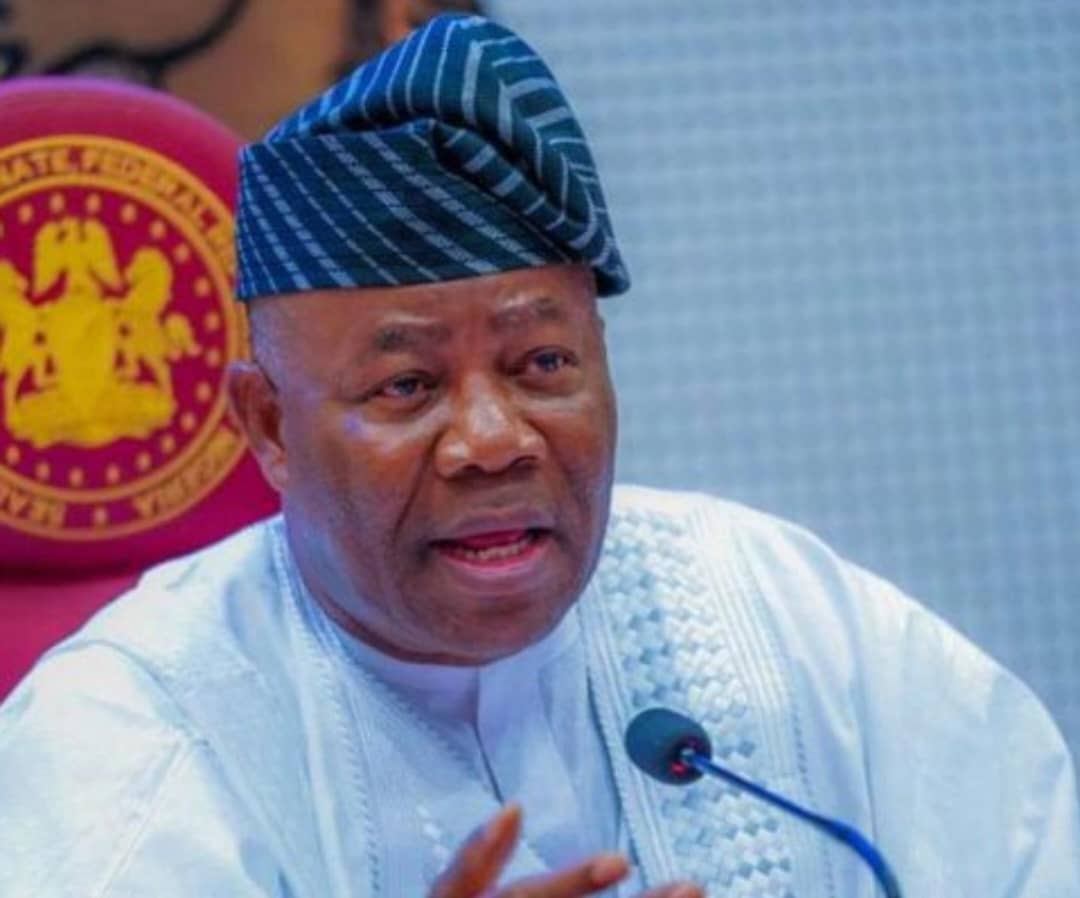
Senate President Akpabio said the poor electoral performance of women in Nigeria stems largely from fellow women failing to support female candidates, even as women make up half the electorate and occupy a tiny fraction of seats.
Why it Matters:
Akpabio’s remarks raise a deeper question about structural obstacles to women’s representation. However, blaming women is an oversimplification of an entrenched problem, which risks sidestepping institutional barriers such as, funding, party access, social norms, that keep female political participation minimal despite democratic claims.
READ ALSO: Crisis and Calculation: Nigeria’s Political Week in Flux
4. Political Earthquake: Entire Enugu Reps Caucus Dumps Opposition, Joins APC
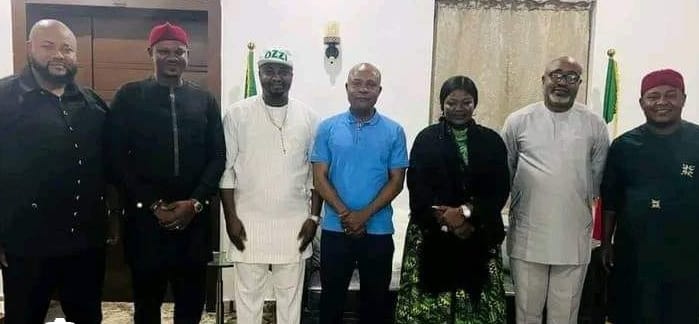
All members of the Enugu State federal House caucus left opposition parties to join the ruling APC in a major realignment. The move, announced in plenary with the state governor present, rewrote regional power dynamics.
Why it Matters:
The sheer scale of defection signals the opposition’s implosion and the creeping monopoly of the ruling party. Such mass shifts weaken party ideology, reduce checks on executive power and deepen clientelistic politics where access to the centre, not policies, drives allegiance.
5. Court Sacks Zamfara Lawmaker Over Party Defection
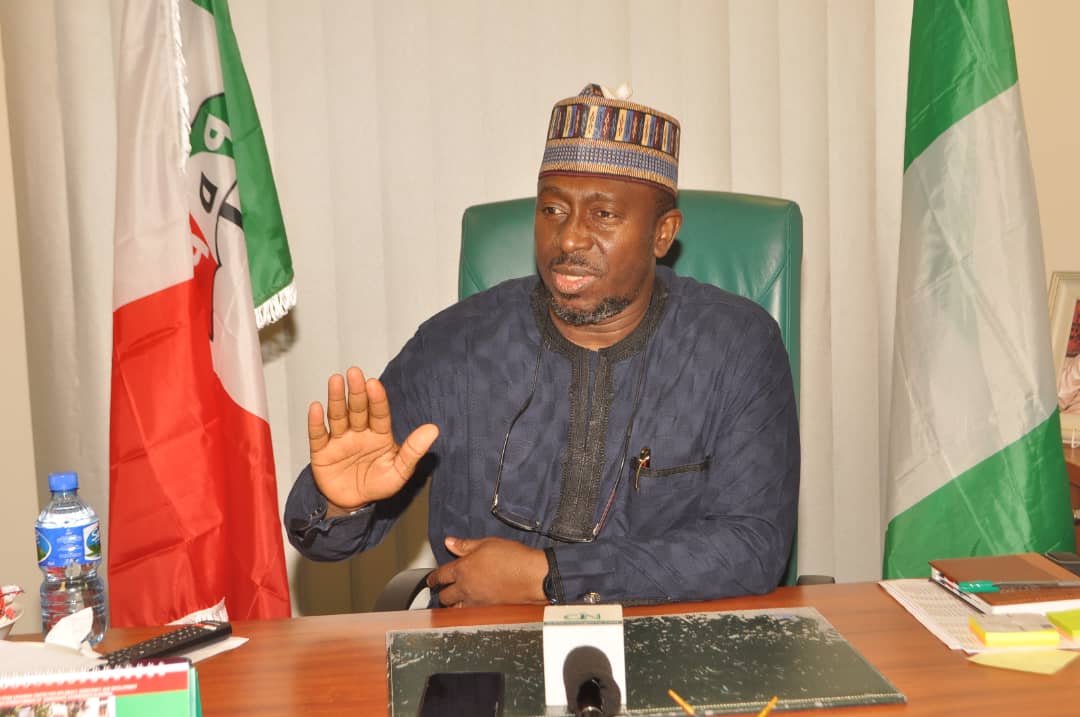
A Federal High Court declared the seat of Hon. Abubakar Gummi vacant after ruling his defection to the APC violated the Constitution’s prohibition of individual mandate transfers. INEC must hold a fresh election within 30 days.
Why it Matters:
The judgment strengthens judicial resolve against opportunistic defections, a practice long used to manipulate power balances. By enforcing Section 68(1)(g) of the Constitution, the court reaffirmed the sanctity of political mandates, challenging lawmakers who treat party loyalty as expendable.
6. Court Halts PDP Convention Over Electoral, Constitutional Violations

Justice James Omotosho of the Federal High Court stopped the PDP from holding its national convention, citing breaches of the party’s constitution and the Electoral Act. INEC was barred from recognising any outcome from an unlawful gathering.
Why it Matters:
The ruling exposes the PDP’s enduring internal fractures and governance failures. For a party once central to Nigeria’s democracy, persistent legal battles highlight its ongoing identity crisis. The judgment also sends a cautionary note to political parties that disregard their constitutions in pursuit of power.
7. US Places Nigeria on Religious Persecution Watchlist Over Alleged Christians Attacks
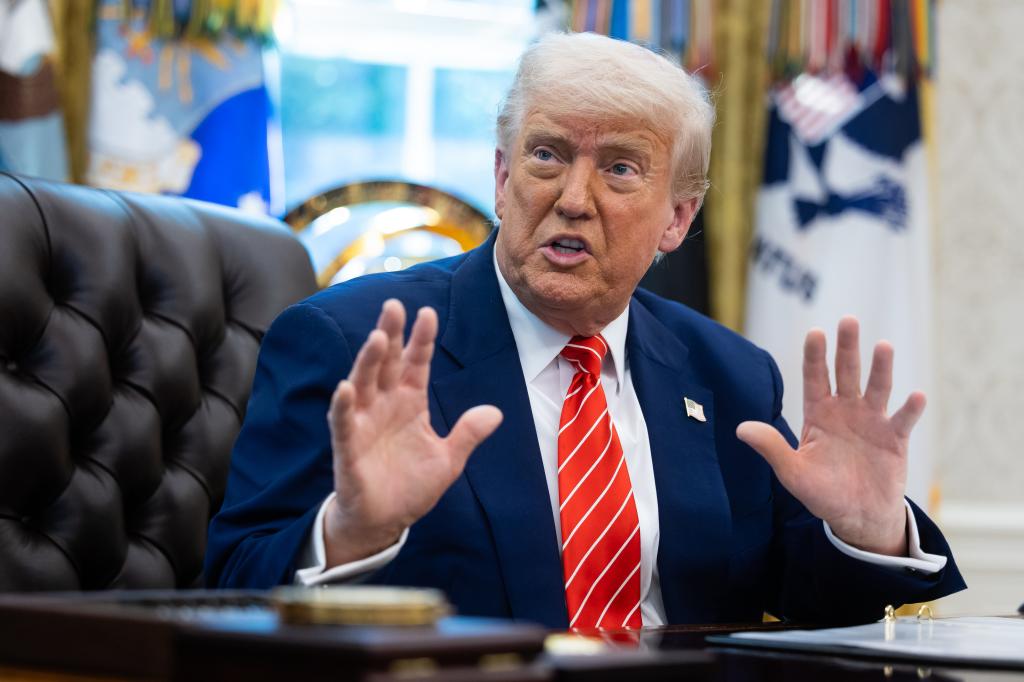
Donald Trump has announced Nigeria’s redesignation as a “Country of Particular Concern” over alleged mass killings of Christians by radical Islamists. The move, which could lead to sanctions, follows renewed claims by U.S. lawmakers and rights groups. The Nigerian government dismissed the allegations as baseless, insisting that violence in the country cuts across all faiths.
Why it Matters:
The designation revives international scrutiny of Nigeria’s religious violence and governance failures. While it may strain U.S.-Nigeria relations, it also pressures Abuja to confront insecurity more transparently. Balancing foreign perception with national reality remains a delicate act for a government keen on defending its sovereignty.
Conclusion
This week’s developments underline Nigeria’s uneasy coexistence of power, principle, and perception.
From the courts to campaign grounds, the National Assembly to the global stage, the nation’s political and moral centre remains under test.
Whether in addressing voter inducement, securing democracy’s citadel, or defending its image abroad, Nigeria’s institutions face the same enduring question: can they uphold integrity in a system where self-interest too often prevails over service?