
Nigeria moved through another uneasy week shaped by deep insecurity in the North West, renewed fears about electoral fragility, the slow unravelling of the PDP, partisan battles over debt, and a rare confrontation between a powerful minister and military personnel.
Together, these events reveal a nation operating under strain, where communities negotiate with non-state actors for survival, political parties struggle to remain coherent, institutions wobble under pressure, and governance is repeatedly tested by both structural weakness and personal power plays.
Across Zamfara, villagers faced extortion that mirrors the state’s shrinking control over rural territory.
In Abuja, Sam Amadi warned that Nigeria risks conflict without credible elections. Meanwhile, the PDP continued its slide into disarray, even as the ADC attacked the administration’s fiscal direction.
Finally, Wike’s clash with naval officers laid bare the delicate balance between civil authority and military influence. The country is again reminded that political stability cannot be assumed. It must be built, protected, and constantly renegotiated.
1. Bandits Impose Levies as Zamfara Communities Plead for Help
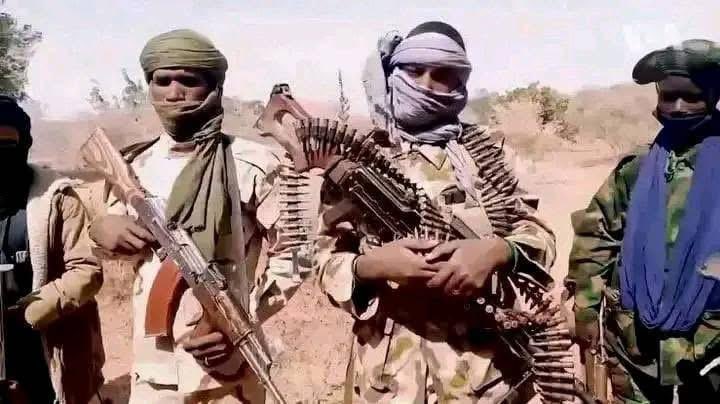
Bandit groups in Tsafe Local Government Area imposed multi-million naira levies on several communities, with Danjibga residents ordered to pay ₦8 million. Villages like Kagana, Bare-Bari, and Kurin Ganwa also received heavy demands. Abductions accompanied the extortion, and authorities remain silent.
Why it Matters:
The incident confirms how fragile state authority has become in parts of the North West. Communities now negotiate with armed groups for basic survival. This parallel taxation system signals the erosion of government presence, and without rapid intervention, more localities may slip into criminal governance structures.
2. Sam Amadi Warns Nigeria May Face Conflict Without Credible Elections
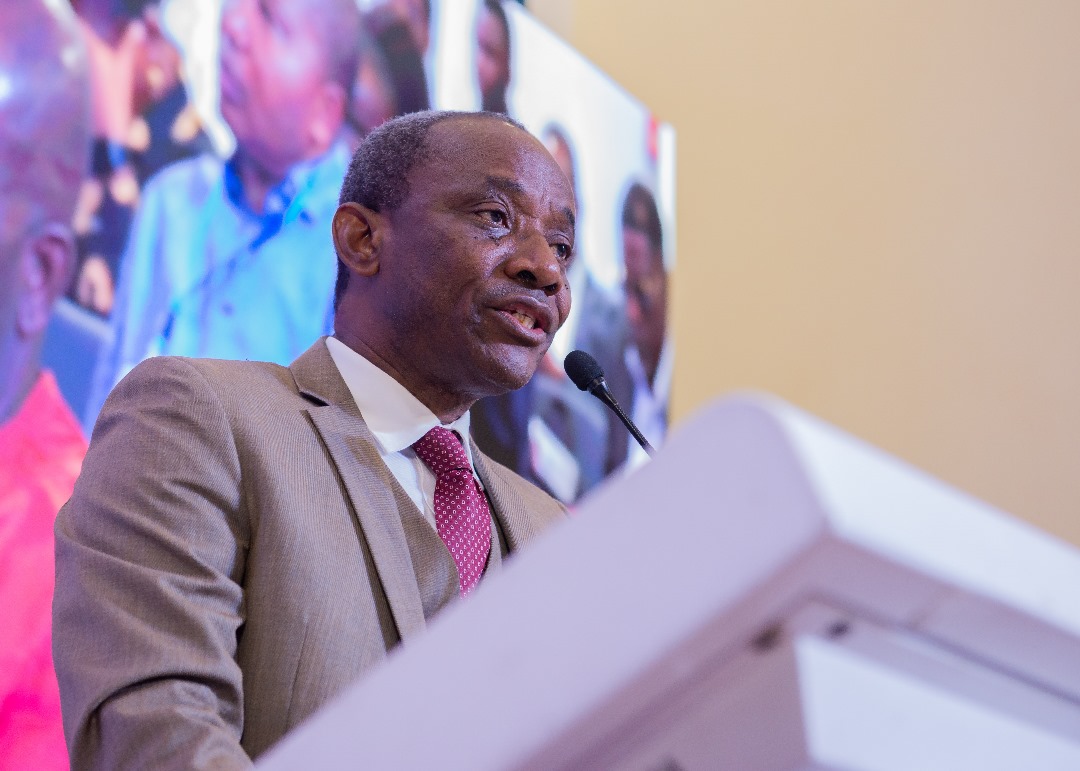
At First Daily’s anniversary event, Dr Sam Amadi said Nigeria’s survival depends on transparent elections. He linked historical crises to flawed polls, criticised INEC’s opacity, and warned that if electoral distrust continues, citizens may resort to violence instead of democratic participation.
Why it Matters:
His warning reflects a growing national anxiety. Nigeria’s legitimacy crisis is deepening, and when citizens stop believing elections can deliver change, instability follows. Credibility, not turnout or spending, is the real foundation of peace. The message challenges INEC and the political elite to treat electoral reform as national security.
READ ALSO: Nigeria in Flux: Security Warnings, Political Defections, and a Crisis of Credibility
3. Fayose Declares PDP Dead as Court Blocks Convention
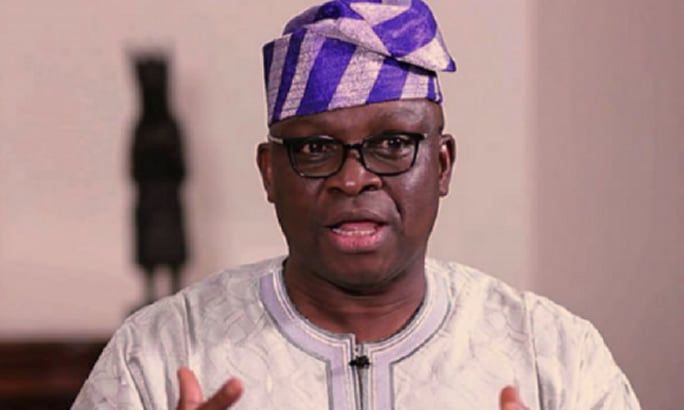
Ayodele Fayose said the PDP is now “dead,” citing defections, leadership failures, and internal disunity. His comments followed a Federal High Court ruling halting the party’s convention over alleged procedural breaches. He criticised a conflicting Oyo High Court decision, calling it judicial overreach.
Why it Matters:
The PDP’s internal collapse affects national balance. Democracies need strong opposition, yet Nigeria’s largest alternative party is mired in lawsuits, factions, and distrust. Institutional incoherence has replaced ideological competition, giving the ruling party freer rein and weakening political accountability across the system.
4. ADC Accuses Tinubu of Reckless Borrowing After ₦1.15 Trillion Loan Approval

The ADC criticised the administration for fresh domestic borrowing, accusing it of contradicting its own claims about record non-oil revenue. The party warned that debt could reach ₦193 trillion if 2025 loan requests are approved, calling current fiscal policy irresponsible.
Why it Matters:
Rising debt raises concerns about long term fiscal sustainability, especially as households struggle with inflation. The criticism highlights a growing public perception that official economic narratives do not reflect lived realities and could erode trust in government decisions.
5. Wike and Naval Officer Clash Over Alleged Land Grabbing

A viral video showed FCT Minister Nyesom Wike confronting a naval officer over alleged land grabbing in Abuja. Veterans criticised Wike for using harsh language, demanding an apology. The Defence Minister later announced an investigation and outlined new security and veteran-support initiatives.
Why it Matters:
The confrontation exposed sensitive tensions between political authority and uniformed institutions. In a fragile democracy, public humiliation of security personnel risks morale issues, institutional rivalry, and politicisation of the military. Yet unrestrained officers on disputed land highlight persistent impunity.
Conclusion
Nigeria’s political and security environment remains delicate. Communities negotiate with armed groups. Political parties struggle to stay functional. Institutions, from INEC to the PDP and even the armed forces, face credibility questions.
Economic debates grow sharper as hardship persists. Each crisis exposes a state that reacts more often than it leads. For Nigerians watching closely, the real test is whether the country can strengthen its institutions enough to set its own agenda instead of responding to emergencies week after week.